Balers
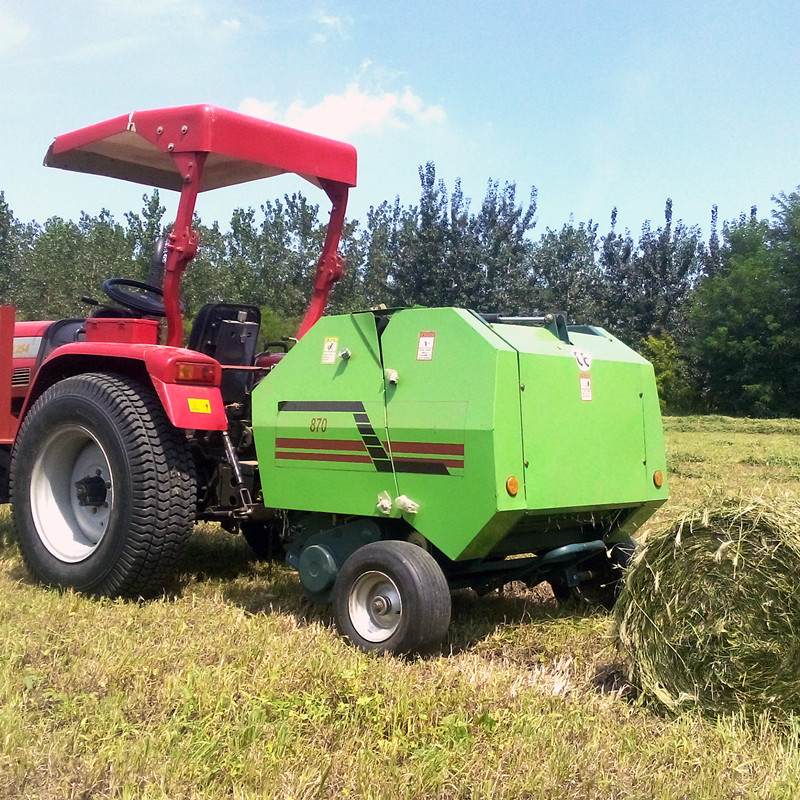
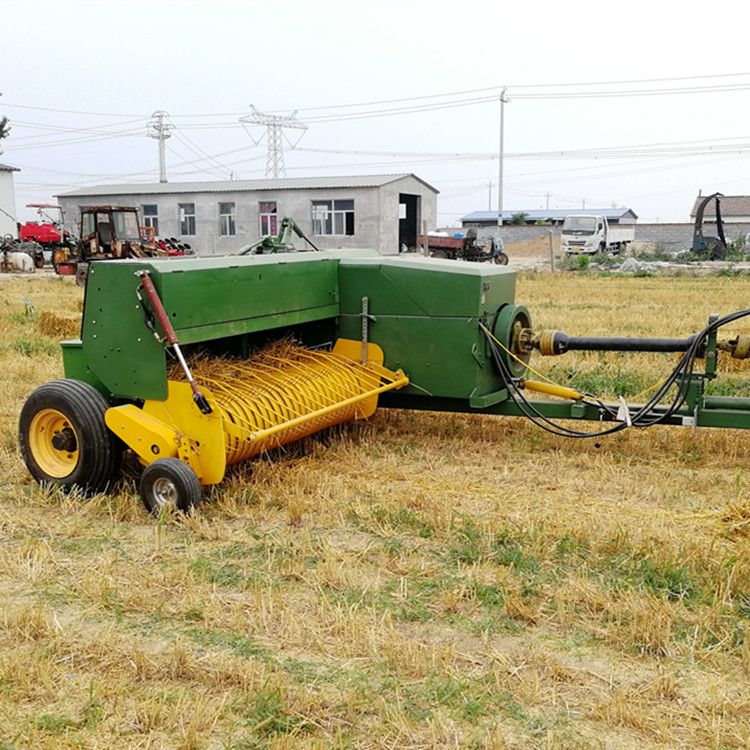
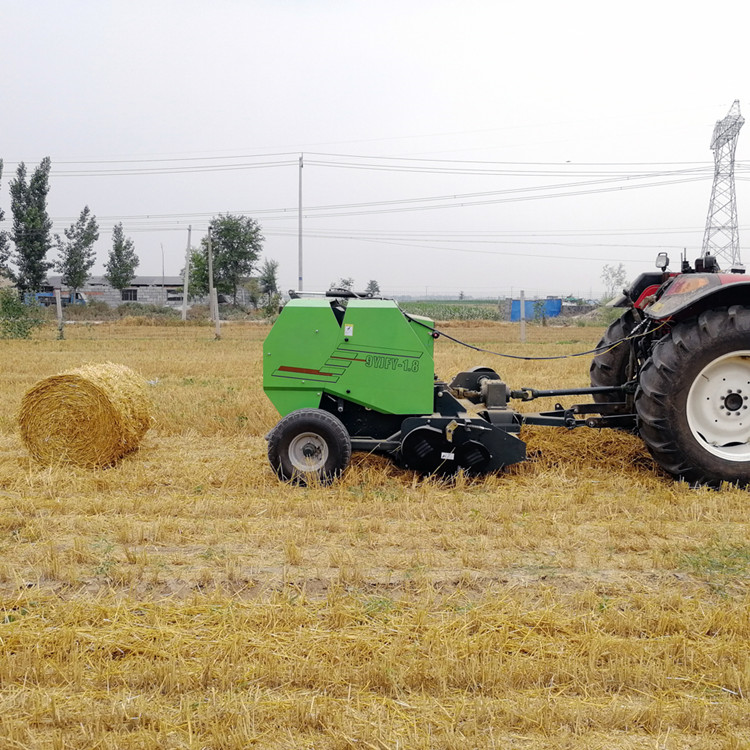
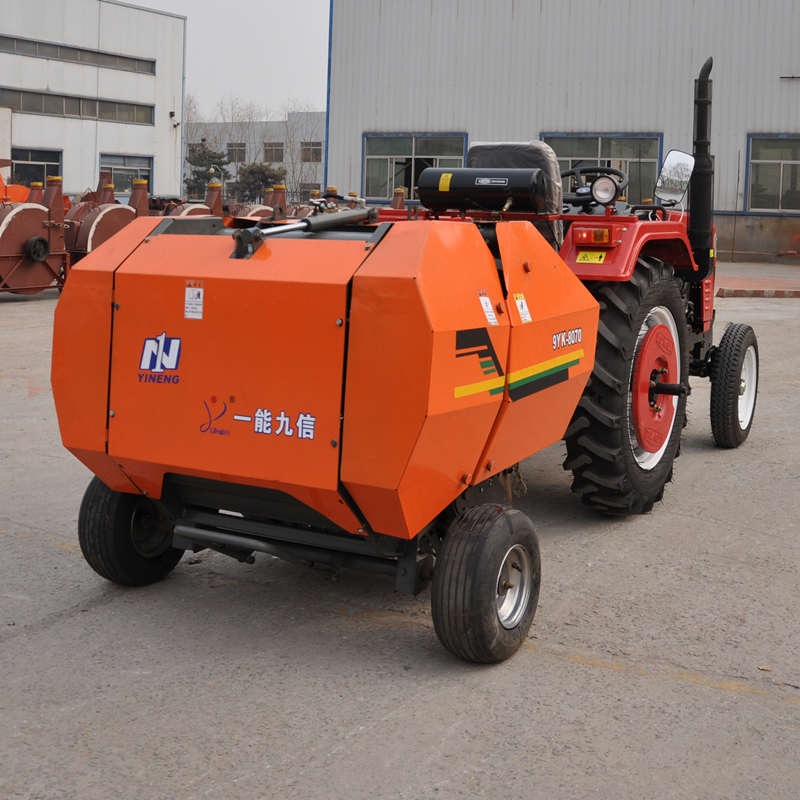
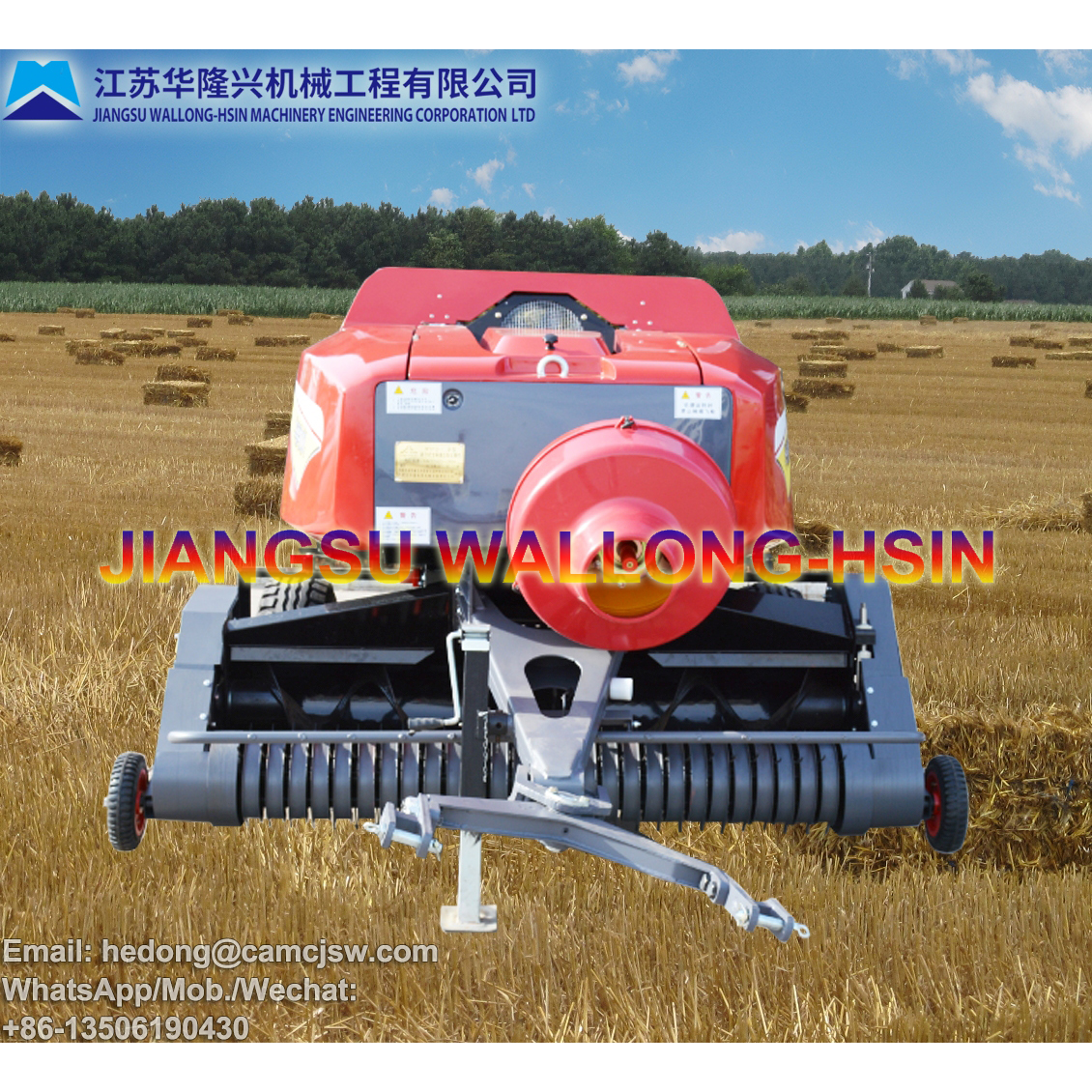
Source high-performance agricultural balers from vetted manufacturers and wholesale suppliers. Built for importers, equipment distributors, and brands seeking reliable OEM production, our network delivers heavy-duty round and square balers engineered for consistent field performance and durability.
Sourcing agricultural balers at scale requires navigating a complex manufacturing landscape where the difference between a reliable field asset and a maintenance liability lies entirely in component selection and assembly precision. For importers and distributors, the primary challenge is identifying manufacturers who engineer robust drive systems and tying mechanisms, rather than assembly workshops that cut corners on metallurgy and hydraulic seals.
Core Specifications and Component Selection
When negotiating with manufacturers, specifying the right technical parameters is critical to ensuring the machinery matches your target market's tractor capabilities and crop conditions.
Beyond the basic dimensions, the origin and grade of internal components dictate the machine's lifespan. Chinese manufacturers offer a wide spectrum of quality. You must explicitly define whether you require domestic Chinese bearings and hydraulics or imported equivalents (such as SKF bearings or Danfoss hydraulic valves). Upgrading these components increases the unit cost but drastically reduces field failure rates. For brands utilizing OEM/ODM Services, specifying these internal BOM (Bill of Materials) requirements is the first step in product localization.
Ensure your agricultural machinery sourcing is built on verified factory capabilities and stringent component controls.
Talk to our teamManufacturing Tolerances and The Tying Mechanism
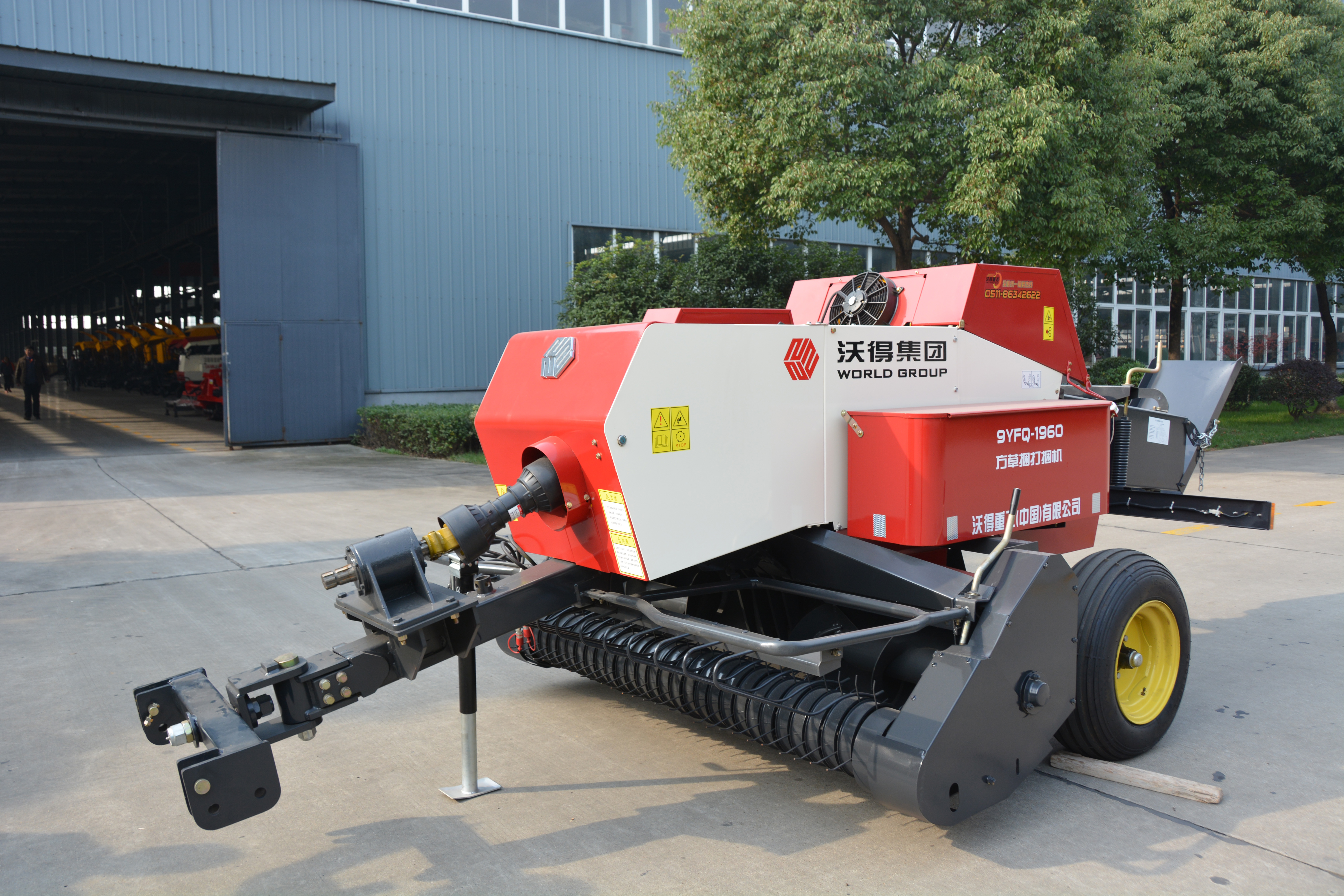
The most critical subsystem in any baler is the knotter (for square balers) or the net/twine wrapping mechanism (for round balers). A misaligned knotter results in broken bales, downtime, and immediate end-user frustration.
Manufacturing these mechanisms requires high-precision CNC machining and rigorous metallurgical standards to withstand constant friction and tension. When evaluating a supplier, it is essential to look past the painted chassis and examine their machining capabilities. Relying on comprehensive Factory Audits helps verify if a supplier actually machines their own knotters and gearboxes or if they are purchasing low-tier, off-the-shelf components to assemble in-house.
Structural Integrity and Welding
Balers operate in high-vibration environments. The main chassis, drawbar, and pickup reel must be constructed from high-tensile steel. Look for automated robotic welding on the main frame, as manual welding on heavy agricultural machinery often leads to inconsistent penetration and eventual stress fractures under heavy field loads.
Quality Control and Pre-Shipment Testing
Never allow a baler to ship without functional testing. Static inspections are insufficient for PTO-driven machinery. A rigorous Quality Control & Inspection protocol must be executed at the factory before the container is loaded.
Essential Factory Inspection Points
- Dynamic run-testing of the PTO shaft and main gearbox for abnormal vibration or heat.
- Hydraulic pressure retention tests (verifying zero pressure drop over 24 hours).
- Tying mechanism cycle testing (minimum 50 consecutive successful wrap/knot cycles).
- Weld penetration and ultrasonic testing on the main drawbar and axle mounts.
- Verification of paint thickness (microns) and anti-corrosion undercoating.
MOQs, Lead Times, and Logistics
Because balers are high-value, heavy machinery, Minimum Order Quantities (MOQs) are generally low. You can typically order 1 to 5 units to start, though pricing becomes significantly more aggressive when ordering in full container loads (FCL).
Production lead times usually range from 30 to 60 days, heavily dependent on component availability and seasonal manufacturing spikes (factories are busiest in the months preceding the northern hemisphere's harvest season).
Logistics require careful planning. Mini round balers can often be stacked efficiently in standard 40HQ containers, but large square or high-capacity round balers may require specialized packing, partial disassembly (removing the drawbar or wheels), or flat-rack shipping. Coordinating Shipping & Freight with a partner experienced in Out of Gauge (OOG) and heavy machinery ensures your equipment arrives without transit damage.
Optimize your machinery supply chain, from factory floor negotiations to final delivery.
Get a free consultationFrequently Asked Questions
Sourcing agricultural balers successfully means looking past the spec sheet and scrutinizing the factory's engineering culture, component sourcing, and quality control rigor. By controlling the bill of materials and enforcing strict pre-shipment testing, importers can secure reliable machinery that performs season after season.
Get Sourcing Help for Balers
Tell us your requirements and our experts will connect you with verified manufacturers.