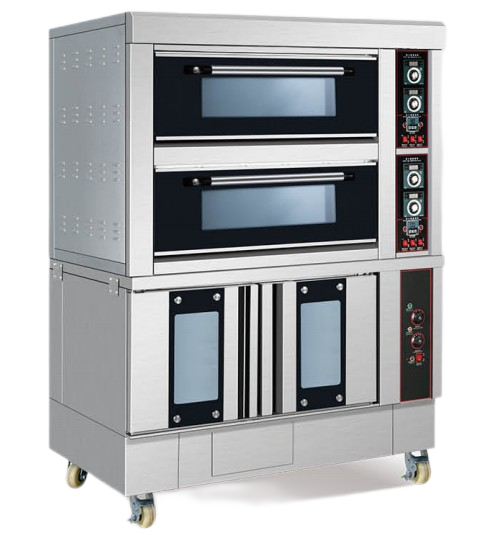
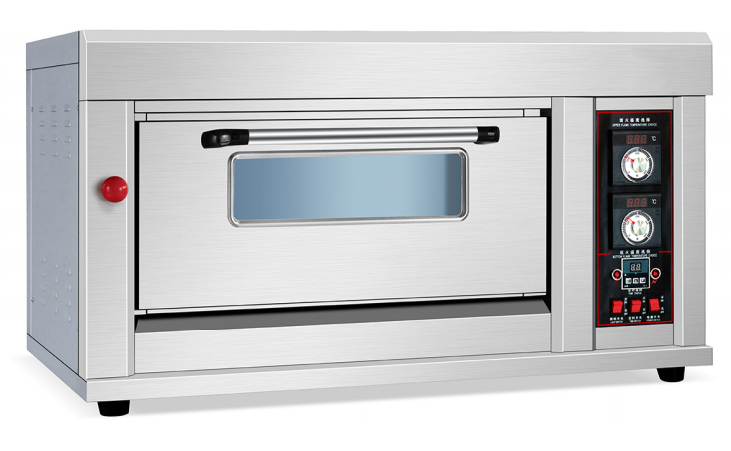
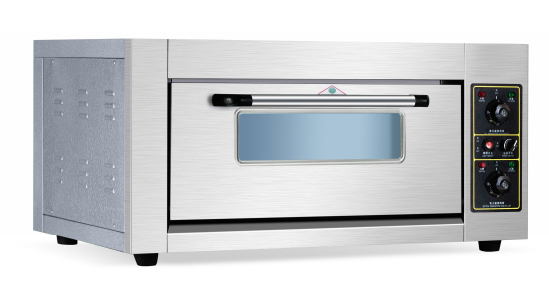
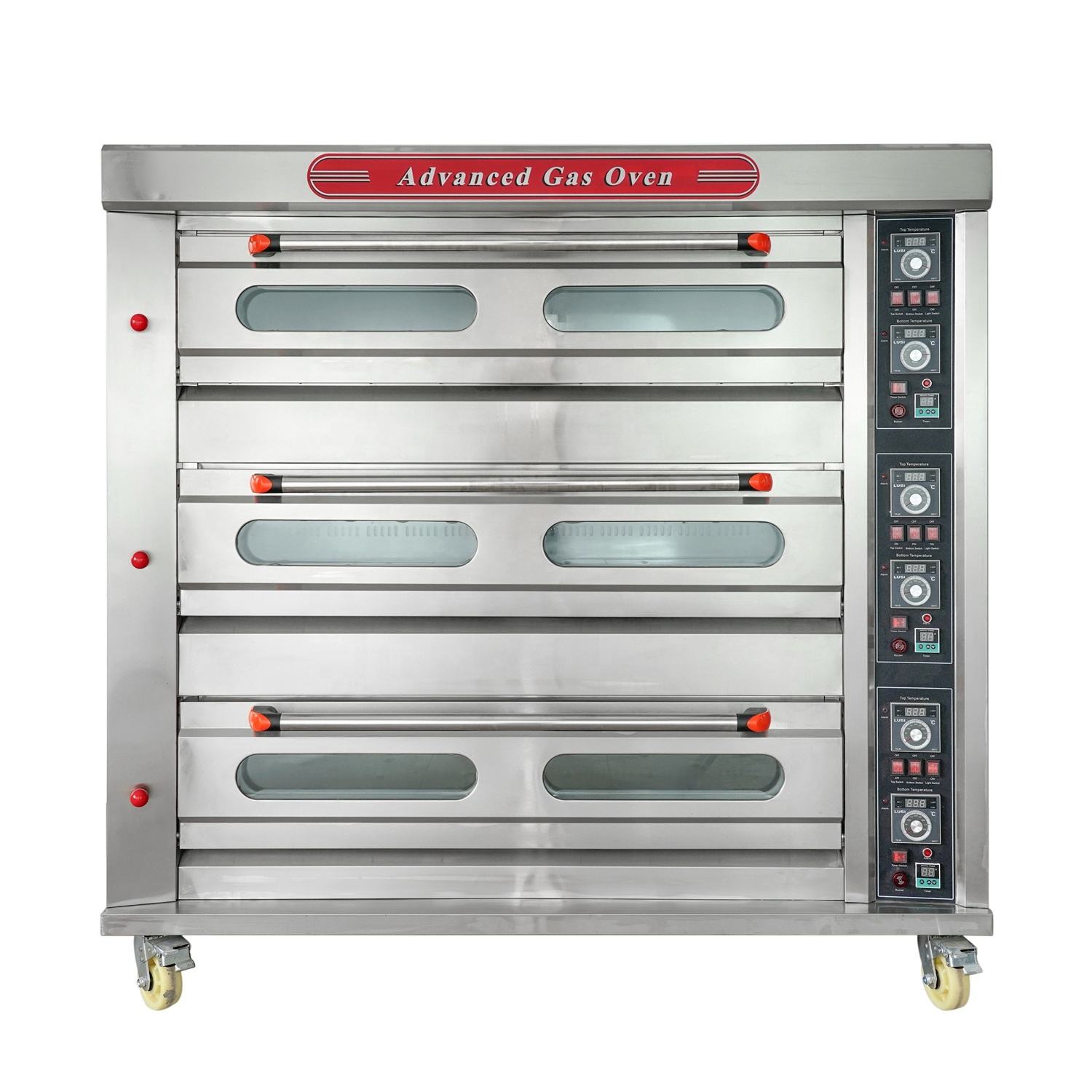
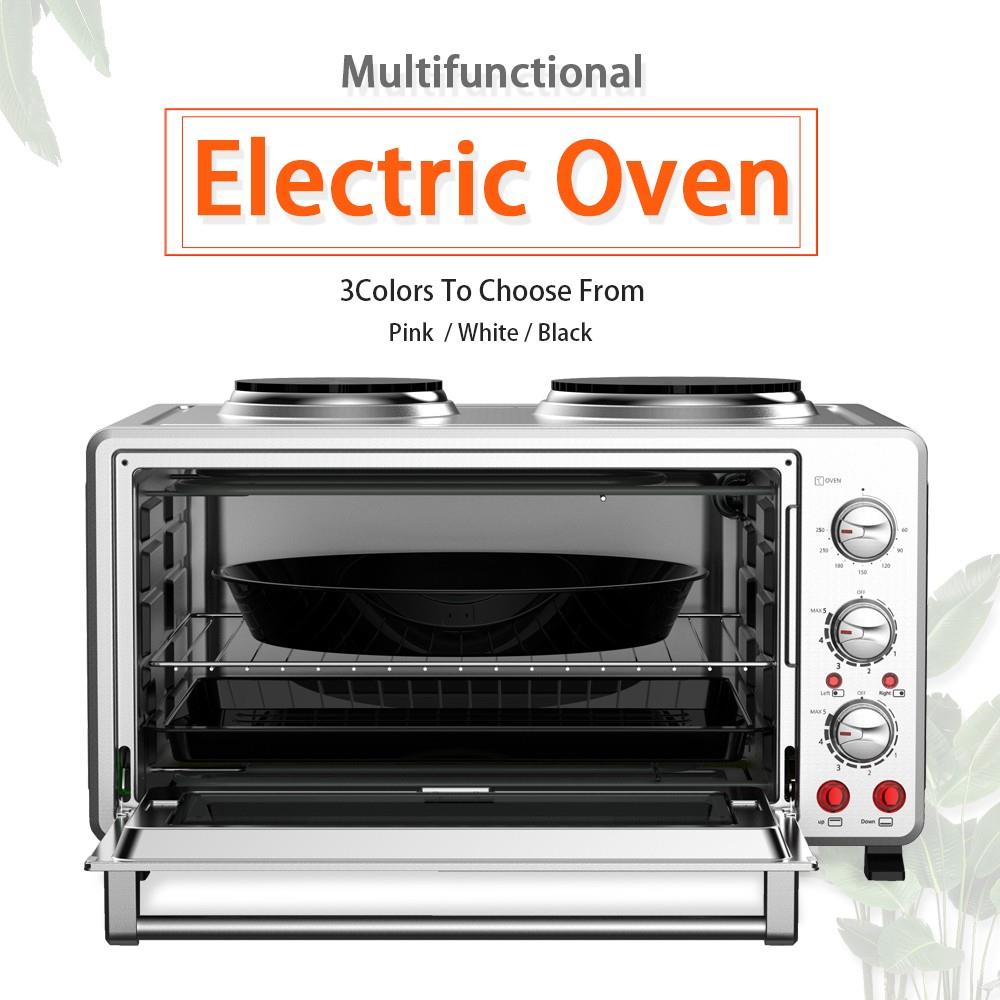
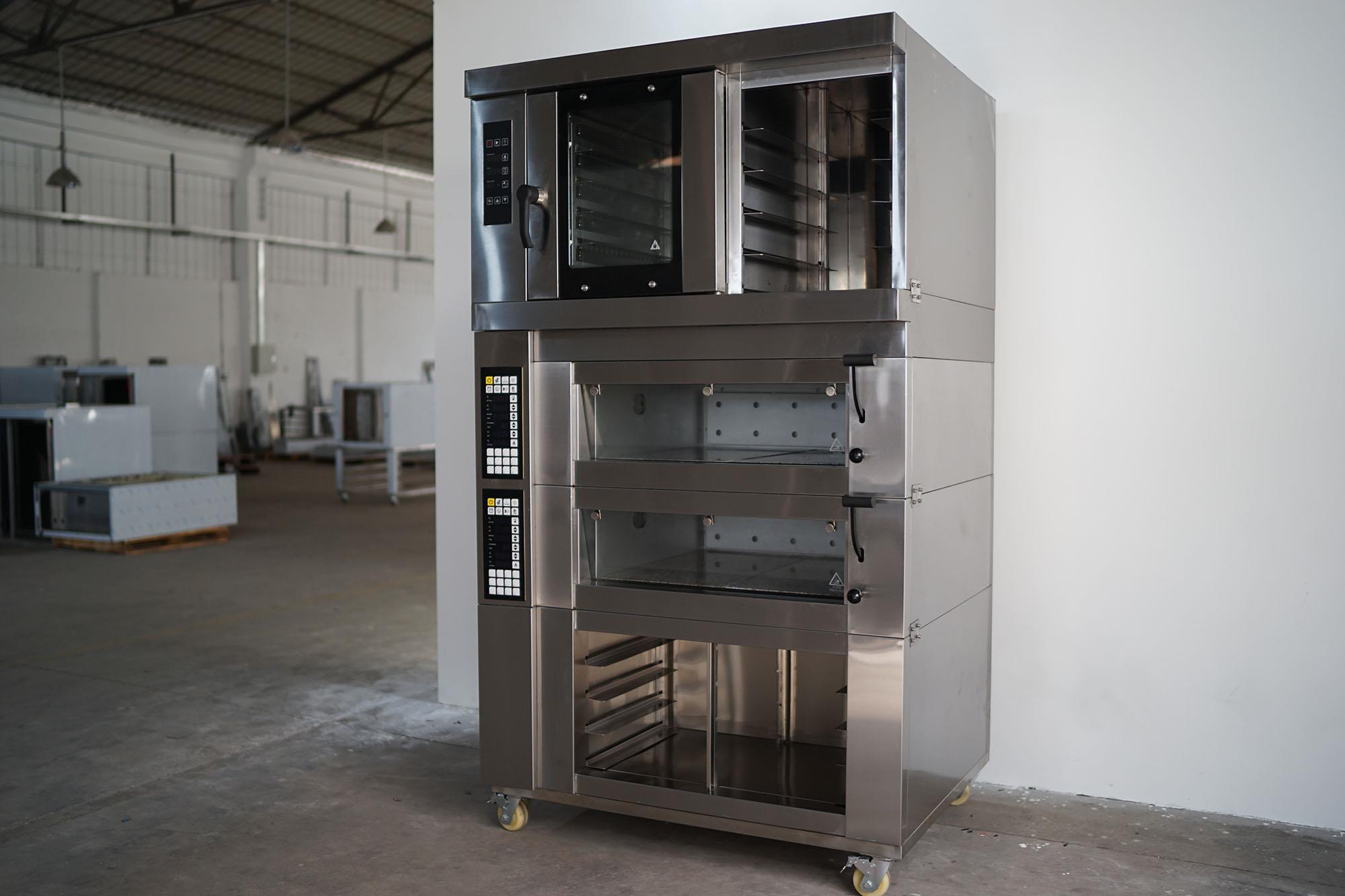
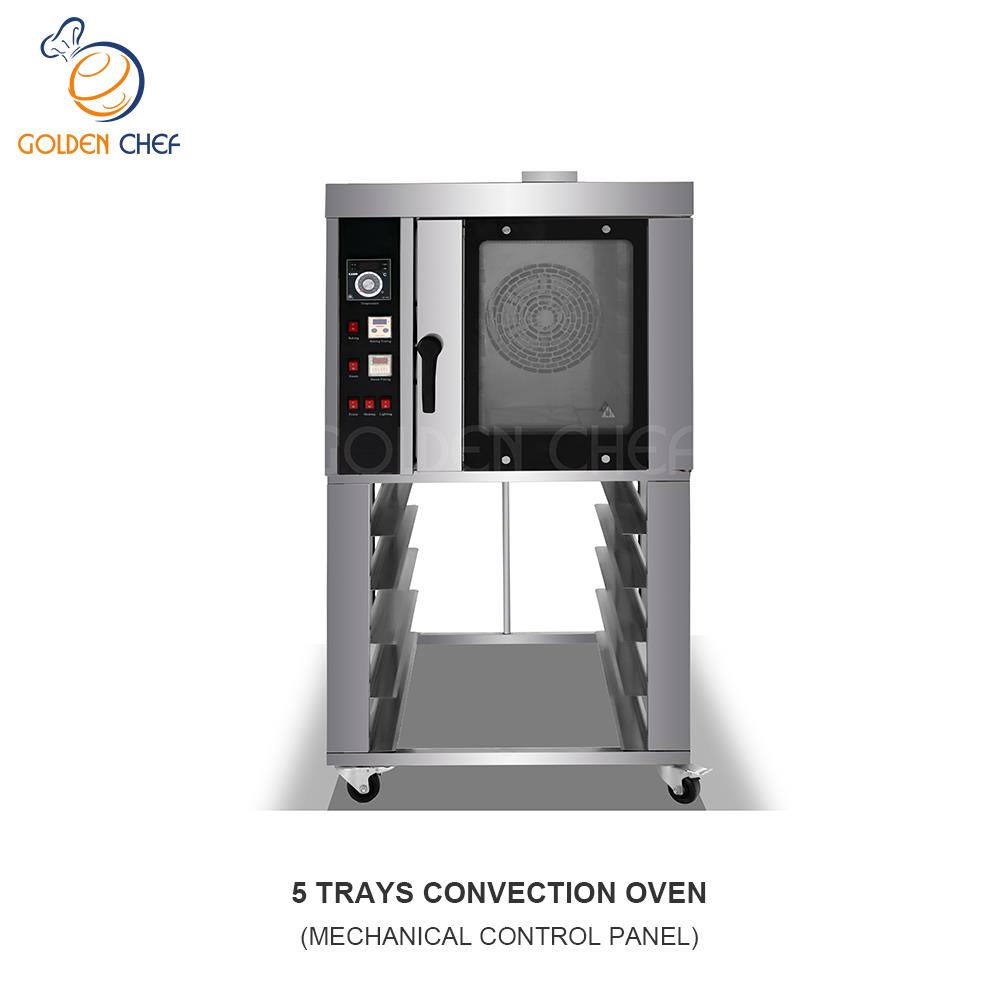
Baking Ovens
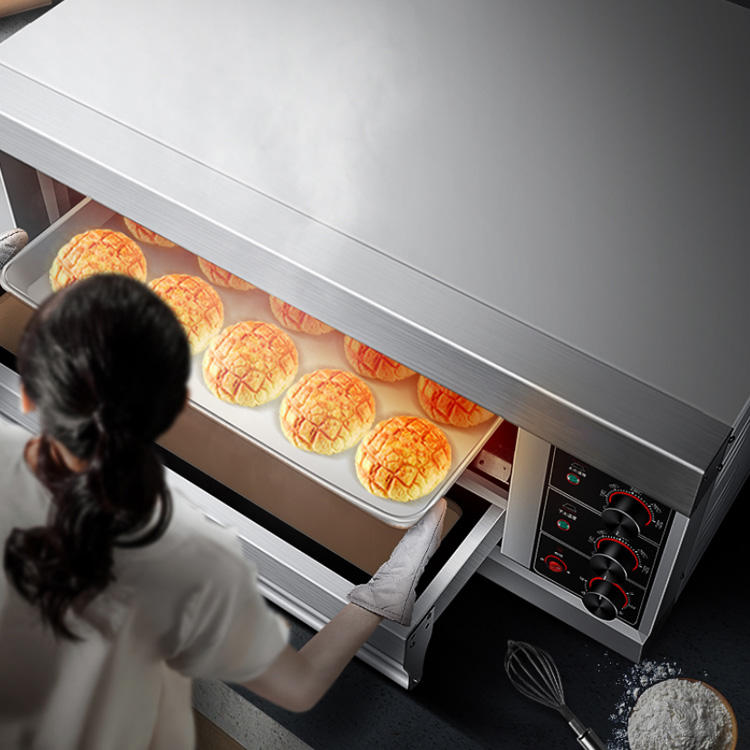
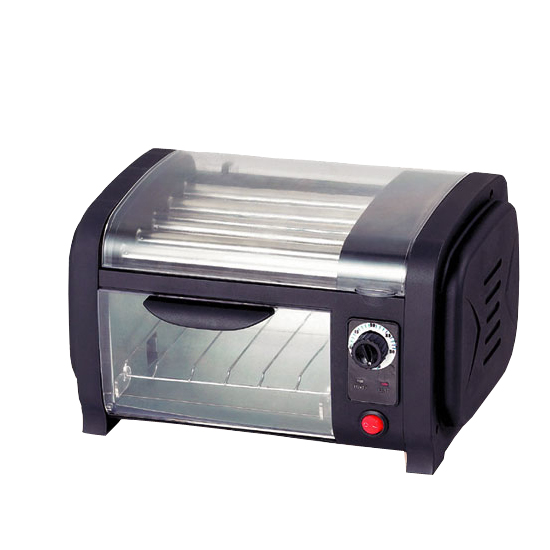
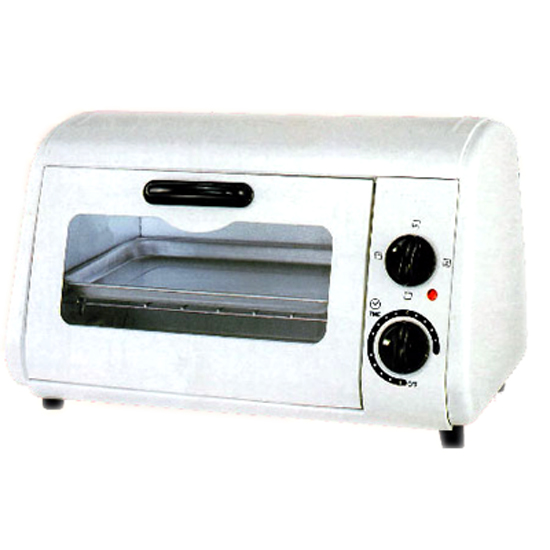
Source commercial Baking Ovens from vetted manufacturers and suppliers. Designed for importers, wholesalers, distributors, and brands seeking reliable OEM/ODM production, our network delivers high-capacity baking solutions built to strict international safety and performance standards.
Sourcing commercial baking ovens requires balancing thermal precision with continuous operational reliability. For bulk buyers and private-label brands, the challenge lies in vetting factories that can maintain tight temperature tolerances, robust electrical safety, and consistent build quality across high-volume production runs.
Critical Specifications for Commercial Baking Ovens
When negotiating with manufacturers, vague specifications lead to inconsistent product performance. The core components of a commercial baking oven dictate its thermal recovery time, energy efficiency, and overall lifespan.
- Chamber Materials: Ensure the interior chamber uses food-grade stainless steel (typically 304 or 430 grade) with a sufficient thickness (1.0mm to 1.5mm) to prevent warping under continuous high-heat cycles.
- Insulation Density: Heat retention relies on high-density aluminum silicate or premium rock wool. Poor insulation leads to exterior casing heat hazards and excessive energy consumption.
- Controller Systems: Specify whether your market requires standard analog thermostats (durable, lower cost) or advanced digital PID controllers (precise temperature mapping, programmable phases).
- Heating Elements: For electric models, the quality of the tubular heating elements determines the evenness of the bake. Specify the wattage density and arrangement (top and bottom independent control).
| Specification | Standard Commercial | Premium / Heavy-Duty |
|---|---|---|
| Chamber Material | 430 Stainless Steel (0.8mm) | 304 Stainless Steel (1.2mm+) |
| Temperature Control | Analog / Basic Digital | PID Microcomputer Control |
| Insulation | Standard Rock Wool | High-Density Aluminum Silicate |
| Max Temperature | 300°C (572°F) | 400°C (752°F) |
Need help standardizing your oven specifications for a new product line? We can help you align factory capabilities with your market requirements.
Talk to our teamManufacturing Realities and Quality Control
The gap between a prototype and mass production is where many sourcing projects fail. On the factory floor, the assembly of commercial baking ovens requires precise sheet metal fabrication, secure electrical routing, and meticulous insulation packing.
If insulation is packed unevenly, the oven will develop cold spots. If the wiring harness is not properly insulated against the chamber's heat, the unit risks premature electrical failure. Verifying these processes requires rigorous oversight. Conducting thorough Factory Audits before placing an order is essential to ensure the supplier has the necessary laser-cutting machinery and standardized assembly lines.
Key In-Line Inspection Points
- Verify stainless steel gauge using a micrometer before chassis assembly.
- Inspect welding seams for porosity or weak joints that could compromise structural integrity.
- Test electrical grounding and high-voltage resistance (Dielectric Withstand Test).
- Conduct thermal mapping to ensure temperature variance across the baking stone/tray is under 5°C.
- Check door hinge durability and silicone gasket seals for heat leakage.
Compliance and Certifications
Commercial food machinery is heavily regulated. Depending on your import destination, baking ovens must meet specific electrical and sanitation standards. For the US market, UL (or ETL) and NSF certifications are standard requirements. For Europe, CE (LVD and EMC directives) and RoHS compliance are mandatory. Never assume a factory's "export ready" claim covers your specific regional requirements without verifying their test reports through dedicated Compliance & Testing protocols.
Pricing Drivers, MOQs, and Lead Times
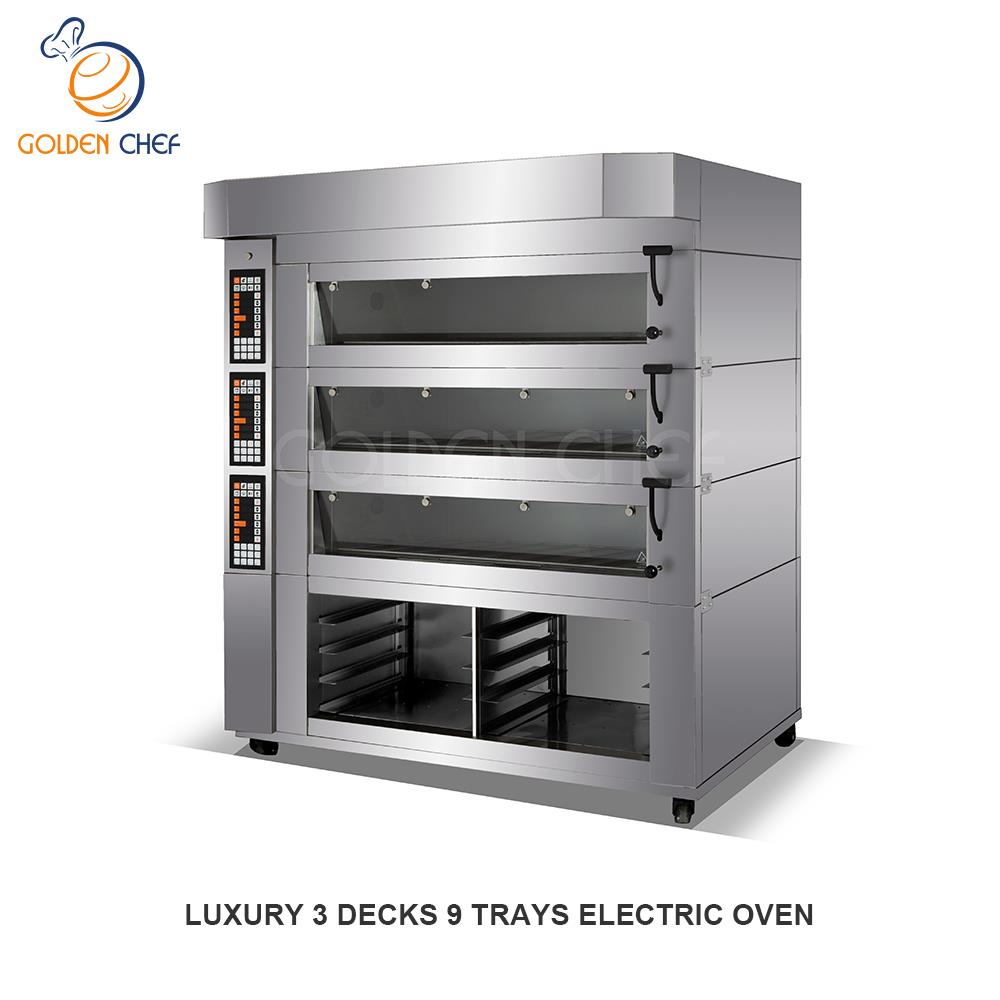
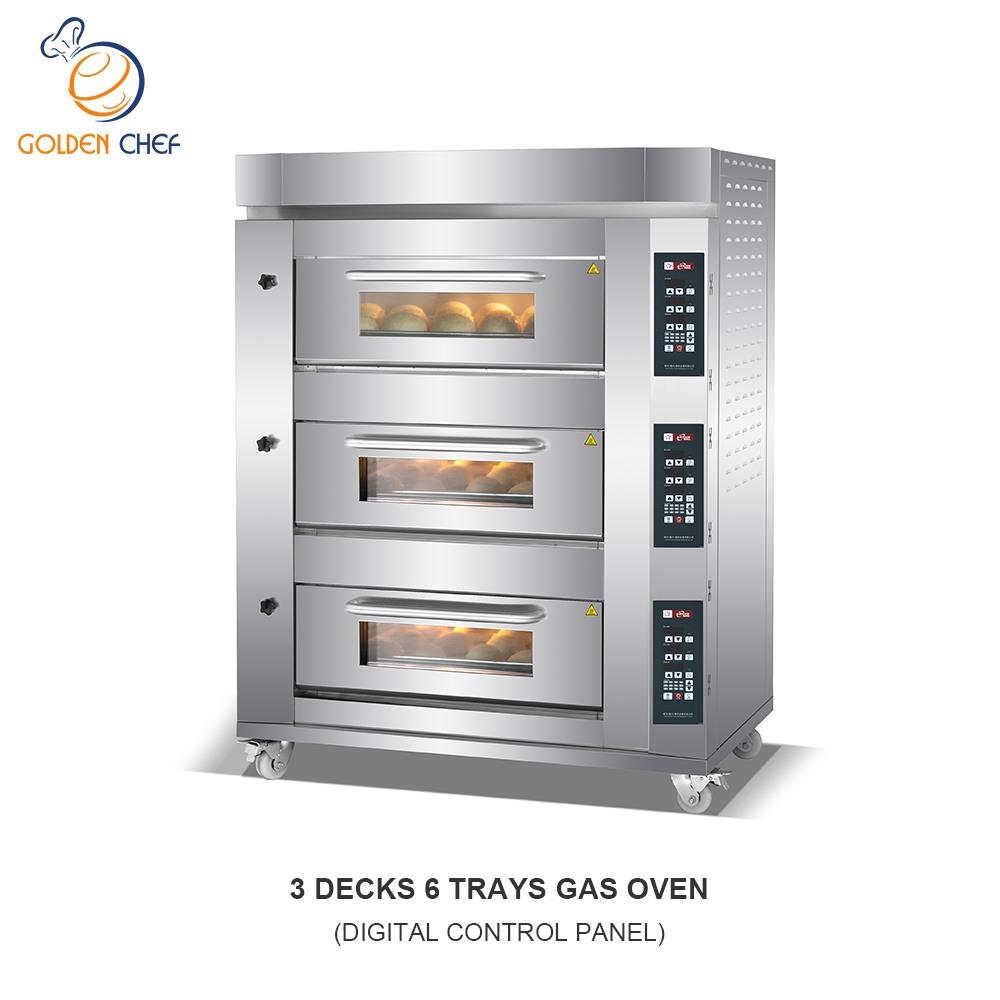
The cost of a commercial baking oven is directly tied to its capacity (number of decks/trays), heating method (gas vs. electric), and the sophistication of its control panel.
Customization also impacts minimum order quantities. Off-the-shelf white-label models might be available in smaller batches, while custom tooling for unique control panels or specialized dimensions will require higher commitments. If you are developing a proprietary model, leveraging OEM/ODM Services allows you to control the design while utilizing the factory's existing supply chain for raw materials.
Struggling to negotiate favorable terms or verify supplier certifications? Let our sourcing experts manage the dialogue.
Get a free consultationBuyer FAQ
Securing a reliable supply chain for commercial baking ovens requires moving beyond superficial catalog specifications to understand the factory's core engineering competencies. By validating material grades, enforcing strict electrical safety testing, and maintaining active oversight during production, you can import high-performance equipment that stands up to the rigors of professional kitchens.
Get Sourcing Help for Baking Ovens
Tell us your requirements and our experts will connect you with verified manufacturers.