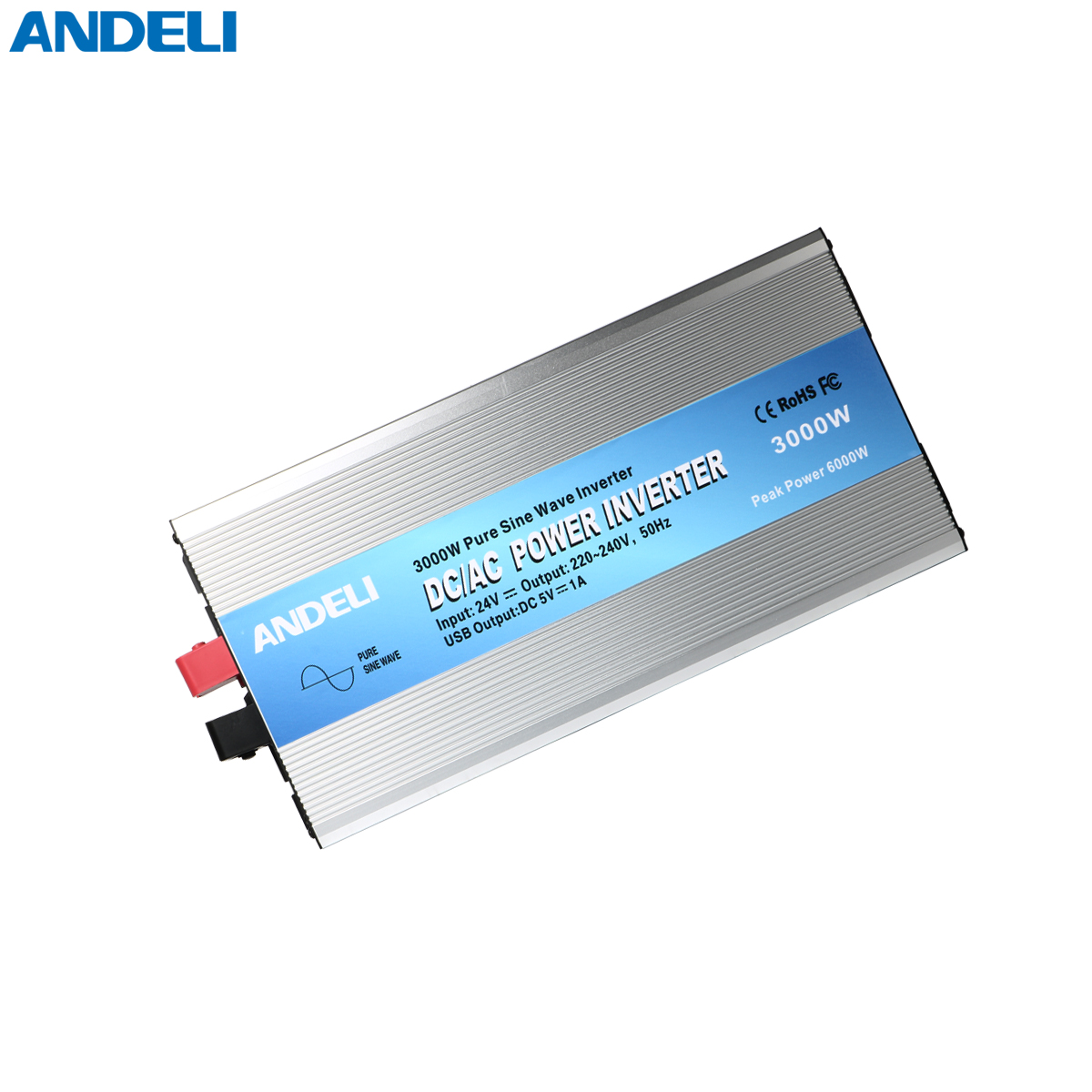
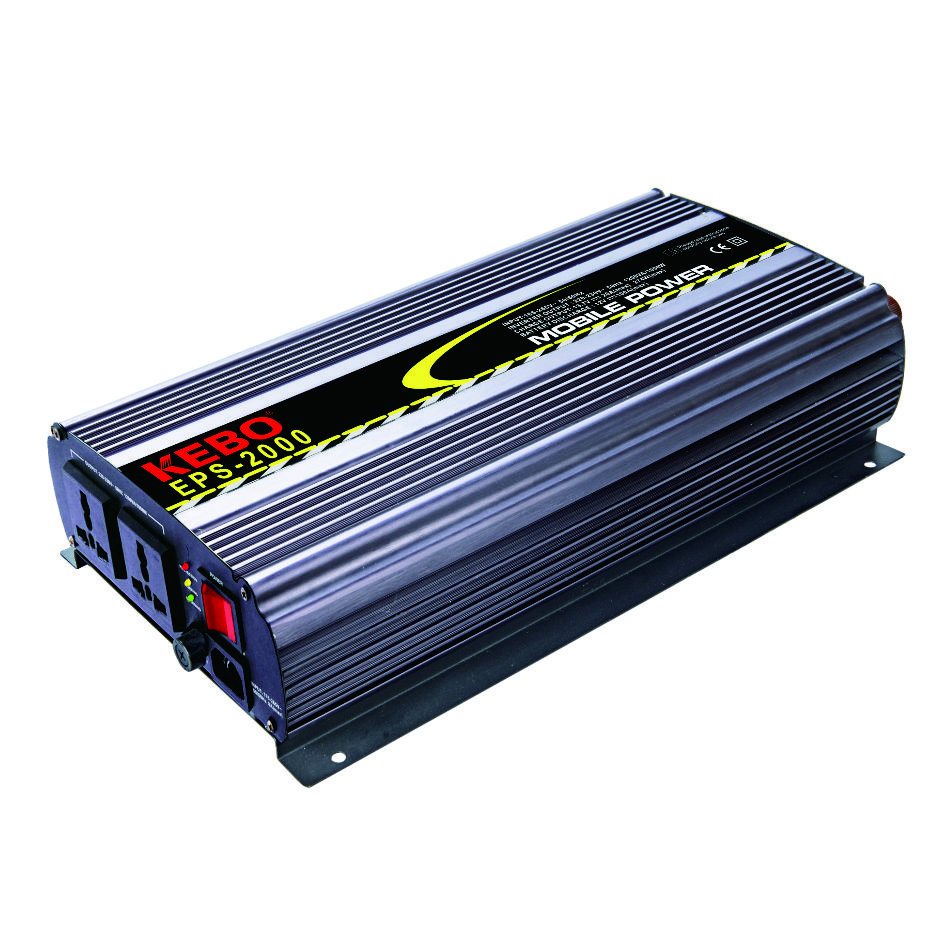
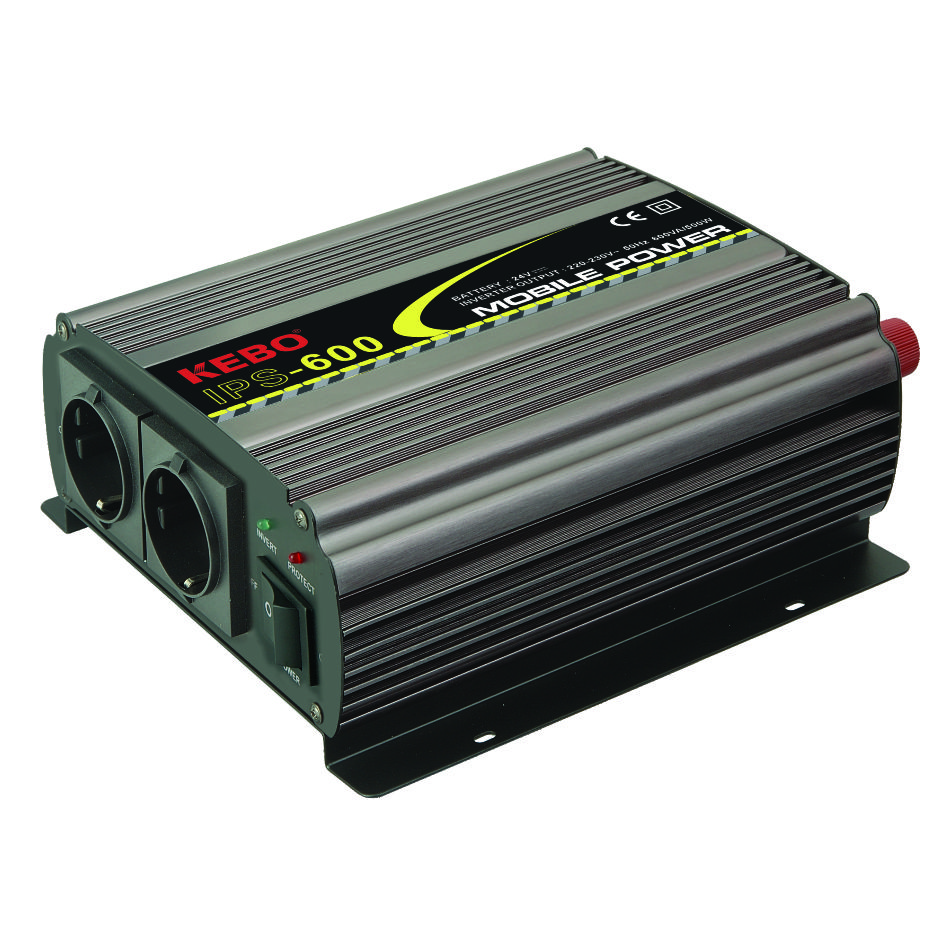
Inverters & Converters
Source high-performance Inverters & Converters from vetted suppliers and manufacturers. Designed for importers, electrical wholesalers, and brands seeking reliable OEM and private-label production. Ensure strict compliance, stable power delivery, and scalable manufacturing for commercial and industrial applications.
Sourcing power electronics in bulk requires navigating a complex landscape of component quality, thermal management, and strict regulatory compliance. A failure in an inverter or converter doesn't just mean a defective unit; it risks damaging connected equipment and creating severe safety hazards. For volume buyers, identifying a factory that maintains strict tolerances on the assembly line is just as critical as the initial product design.
Critical Specifications and Component Quality
The reliability of any power conversion device is dictated by its internal architecture. When evaluating suppliers, you must look past the external housing and verify the bill of materials (BOM). The quality of the MOSFETs, IGBTs, and capacitors directly determines the unit's lifespan and efficiency under continuous load.
Key metrics to define in your supplier agreements include:
- Total Harmonic Distortion (THD): For pure sine wave inverters, THD must remain under 3 percent to safely run sensitive electronics.
- Peak vs. Continuous Power: Many lower-tier factories inflate peak power ratings. Specify exact testing parameters for continuous output at designated ambient temperatures (e.g., 40 degrees Celsius).
- Conversion Efficiency: High-quality units should demonstrate an efficiency rating of 90 percent or higher at optimal load.
| Specification | Standard Commercial | Industrial Grade |
|---|---|---|
| Waveform | Modified or Pure Sine Wave | Pure Sine Wave (THD under 3%) |
| Thermal Management | Basic aluminum extrusion + fan | Heavy-duty heat sinks, intelligent variable cooling |
| Component Sourcing | Domestic generic brands | Tier-1 imported silicon (e.g., Infineon, Fuji) |
Need to verify a supplier's component quality and manufacturing capabilities before placing a volume order?
Talk to our teamManufacturing Tolerances and Quality Control
The manufacturing process for inverters and converters involves both Surface Mount Technology (SMT) for the control boards and heavy through-hole soldering for power components. Inconsistent soldering is a primary cause of high resistance, overheating, and premature failure.
Implementing rigorous Quality Control & Inspection protocols is non-negotiable. Do not rely solely on the factory's internal QA reports.
Critical Factory Inspection Points
- SMT Line Precision: Verify automated optical inspection (AOI) is used on all control boards.
- Burn-in Testing: Ensure 100% of units undergo full-load burn-in testing for at least 4 to 8 hours.
- Thermal Imaging: Check for hot spots on the PCB during load testing to identify weak solder joints.
- Dielectric Withstand Test (Hipot): Confirm high-voltage isolation between primary and secondary circuits.
Navigating Compliance and Certification
Power supplies are heavily regulated. Depending on your target market, you will need verifiable compliance with standards such as CE, FCC, RoHS, and UL/ETL. A common sourcing pitfall is accepting a factory's CE certificate at face value, only to discover it applies to a different model or was issued by an unaccredited lab. Partnering with experts for Compliance & Testing ensures your imports meet all legal and safety requirements before they leave the port.
OEM and ODM Customization
If you are building a private-label brand, you will likely require OEM/ODM Services to differentiate your product. Customization typically falls into three tiers:
- Aesthetic: Custom housing colors, branded faceplates, and localized socket types.
- Functional: Upgraded display panels (LCD/OLED), integration of Bluetooth/Wi-Fi modules for remote monitoring.
- Architectural: Custom PCB layouts, specialized firmware for unique battery chemistries, or proprietary communication protocols.
Firmware Ownership
When engaging in ODM development for smart inverters, clearly define IP ownership of the firmware and source code in your manufacturing contract to prevent the factory from selling your customized features to competitors.
Pricing, Lead Times, and MOQs
Pricing for inverters and converters fluctuates based on raw material costs—specifically copper (for transformers and inductors) and silicon components.
When negotiating price, be wary of quotes that are significantly below market average. These often indicate the use of refurbished capacitors, undersized heat sinks, or counterfeit MOSFETs.
Want to understand realistic pricing and lead times for your specific power requirements?
Get a free consultationSuccessfully sourcing inverters and converters at scale means managing risk at every stage—from validating the raw materials to enforcing strict burn-in testing protocols. By demanding transparency in the BOM and maintaining rigorous oversight on the factory floor, you can secure reliable power products that protect both your end-users and your brand's reputation.
Get Sourcing Help for Inverters & Converters
Tell us your requirements and our experts will connect you with verified manufacturers.