Voltage Regulators & Stabilizers
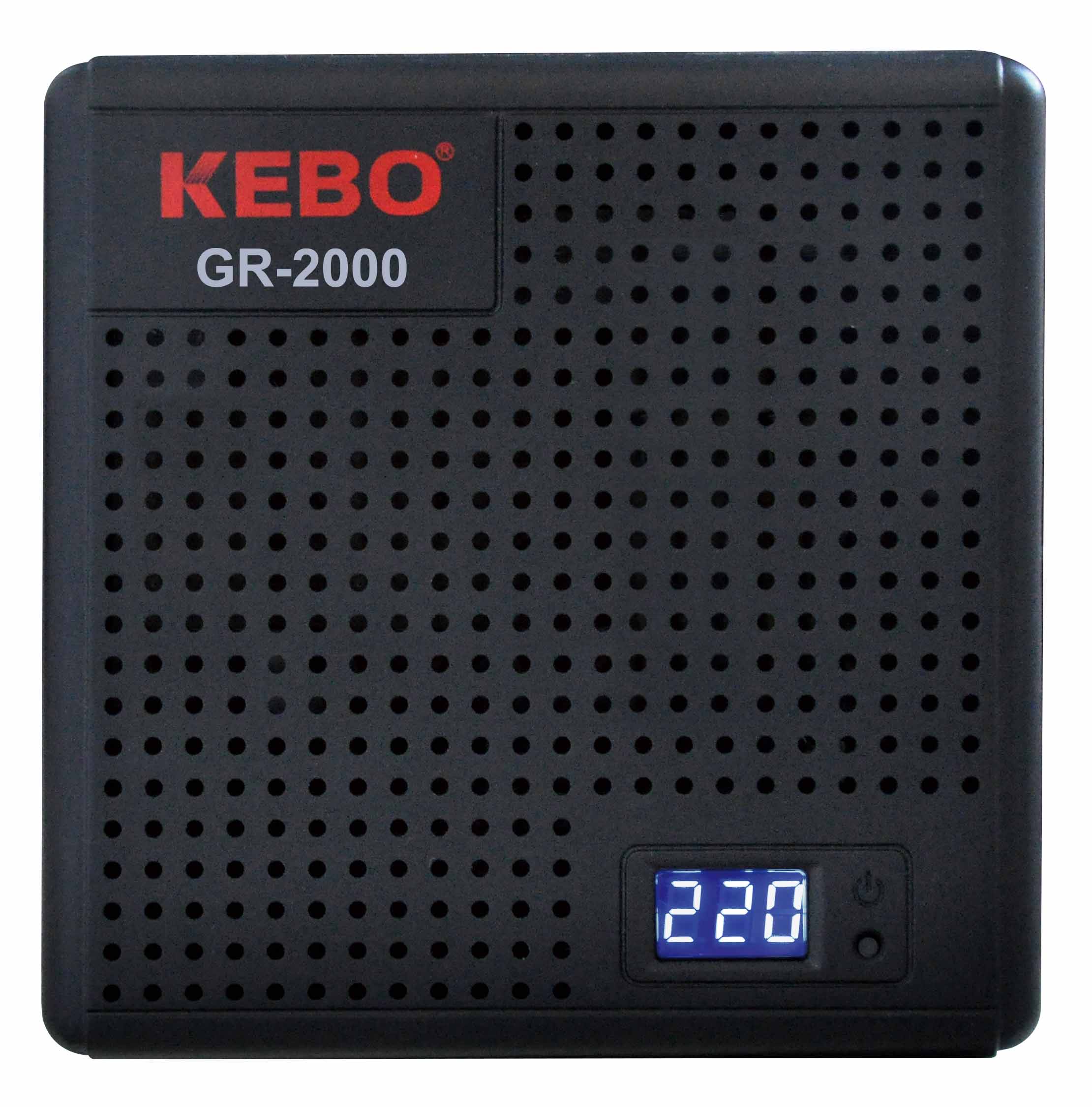
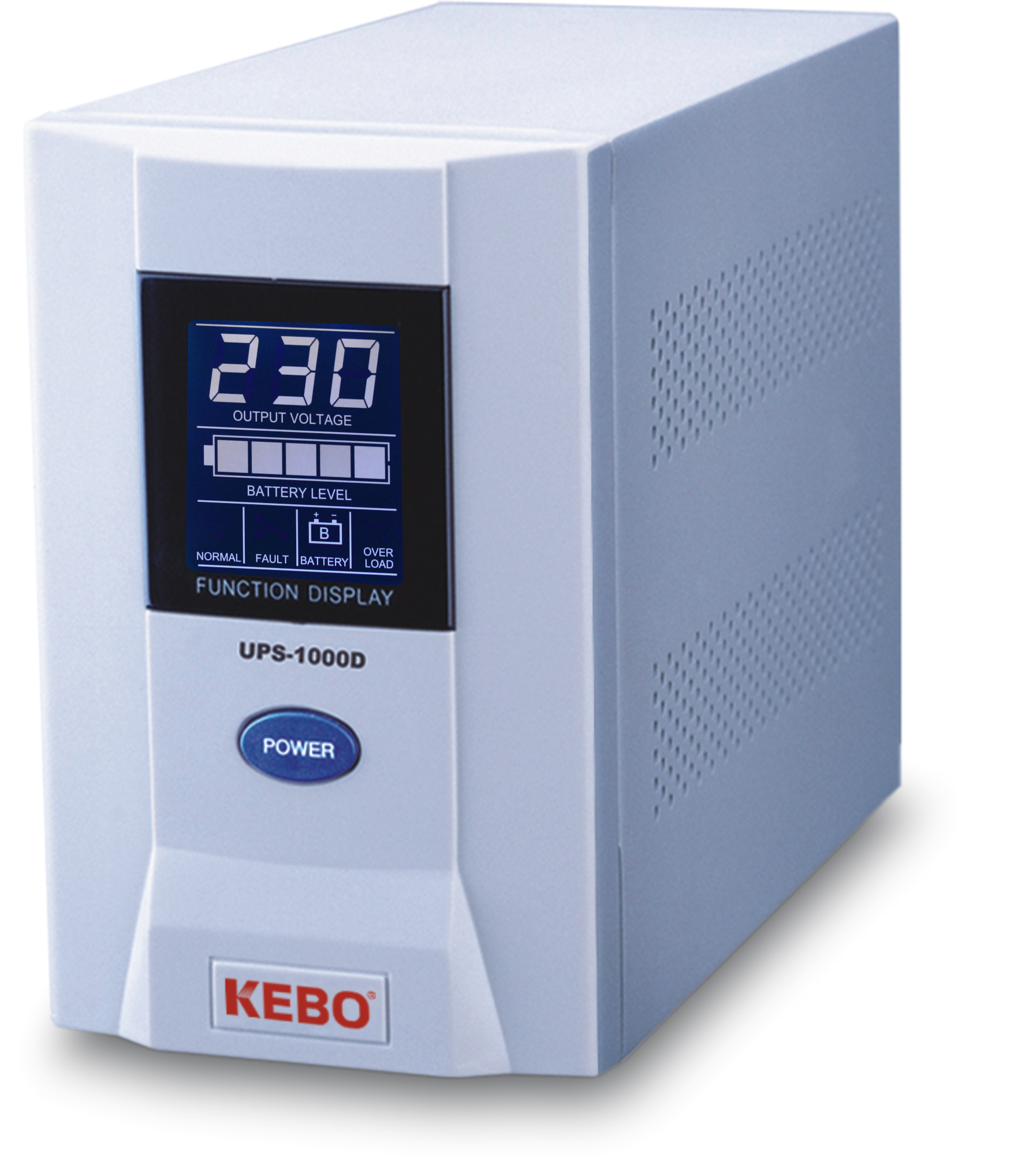
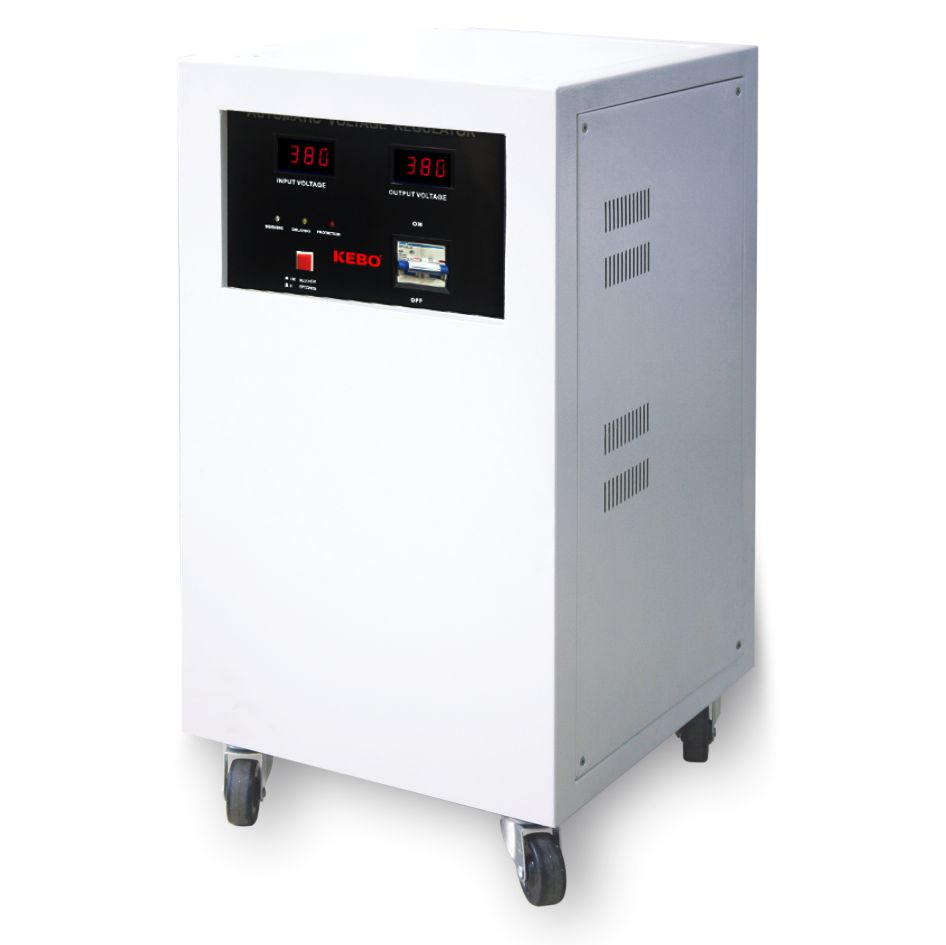
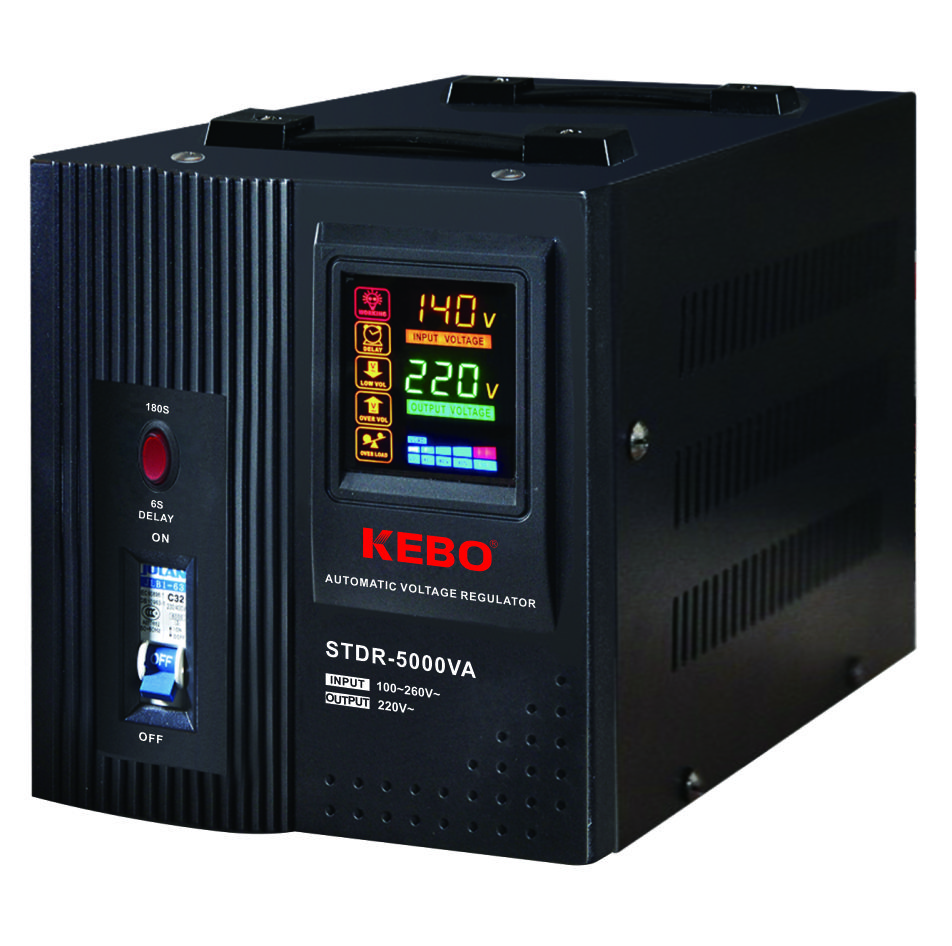
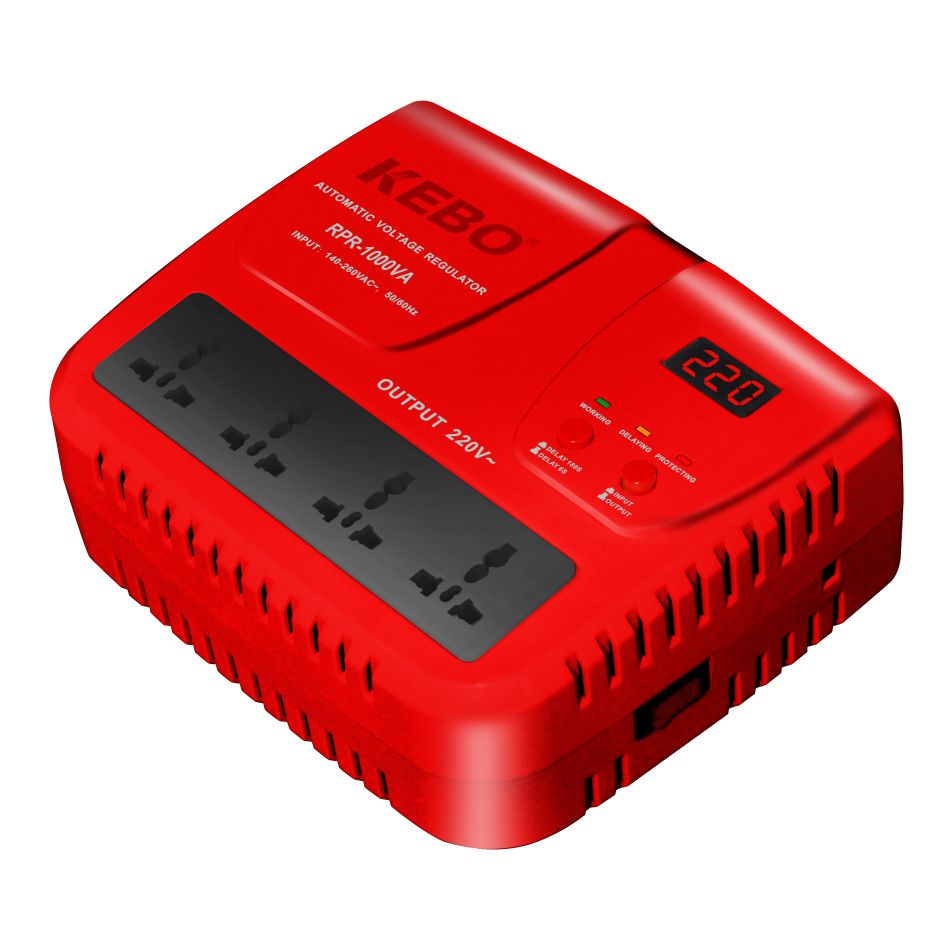
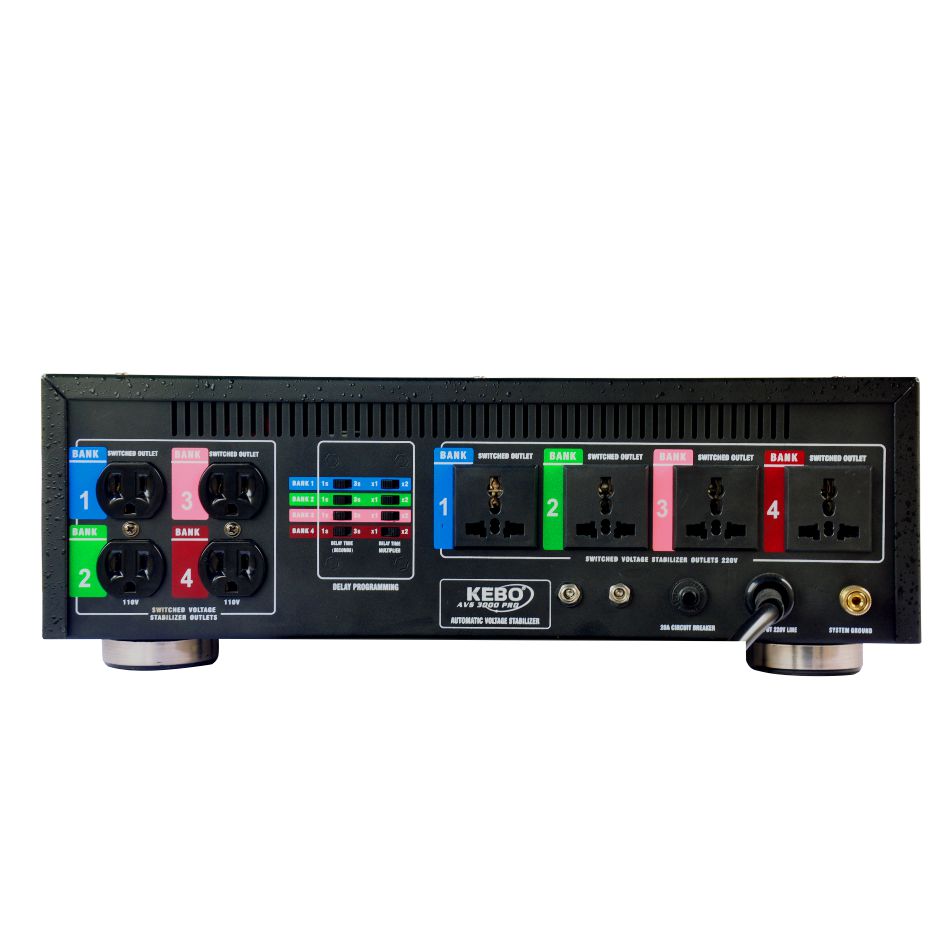
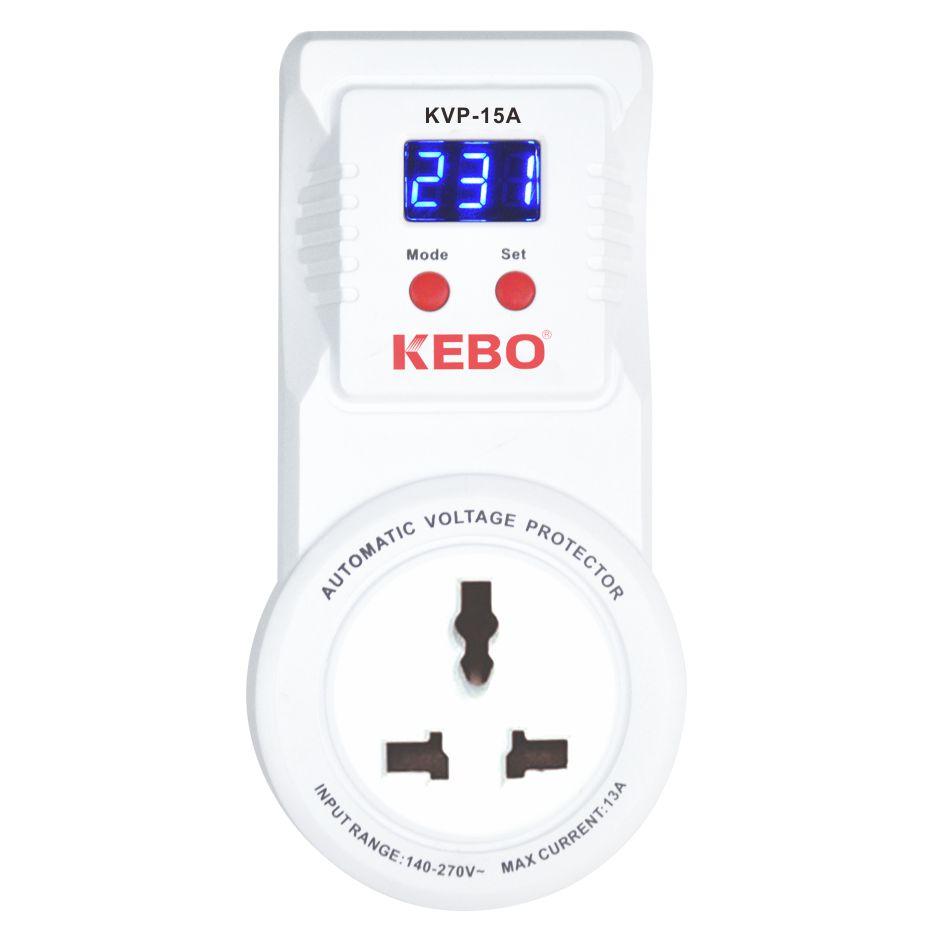
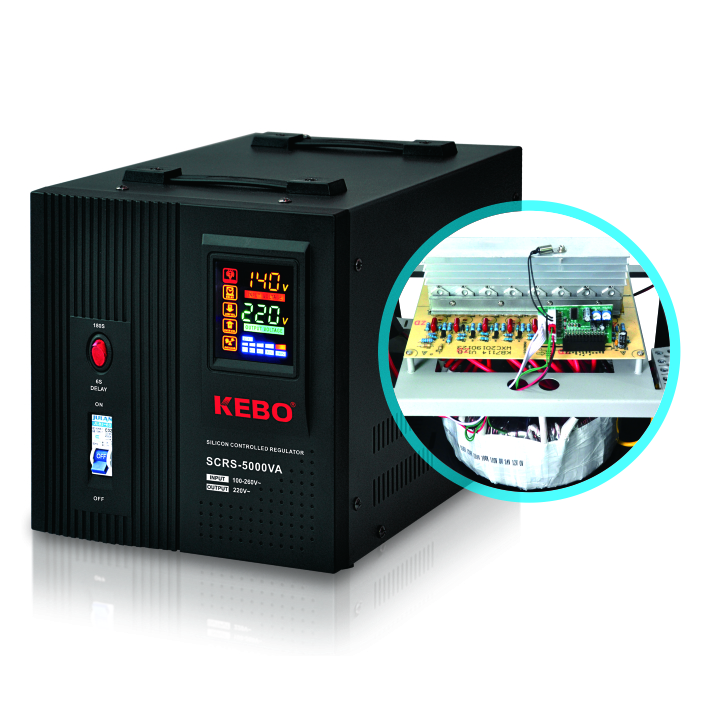
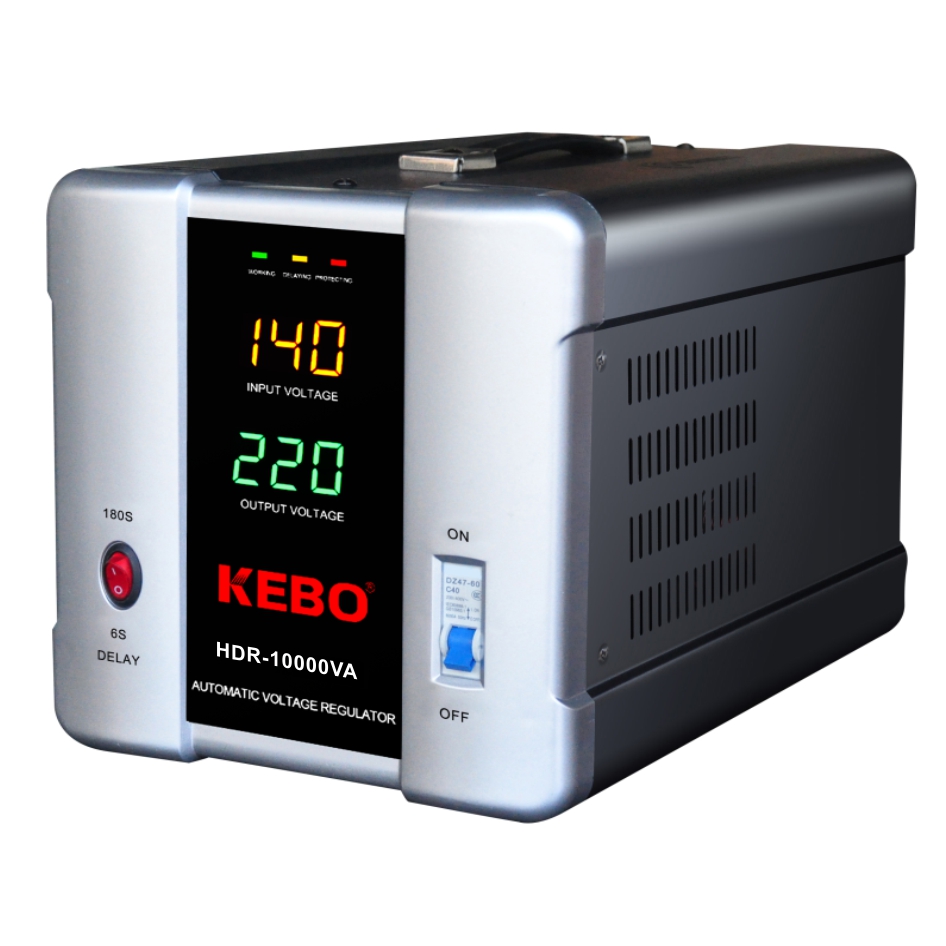
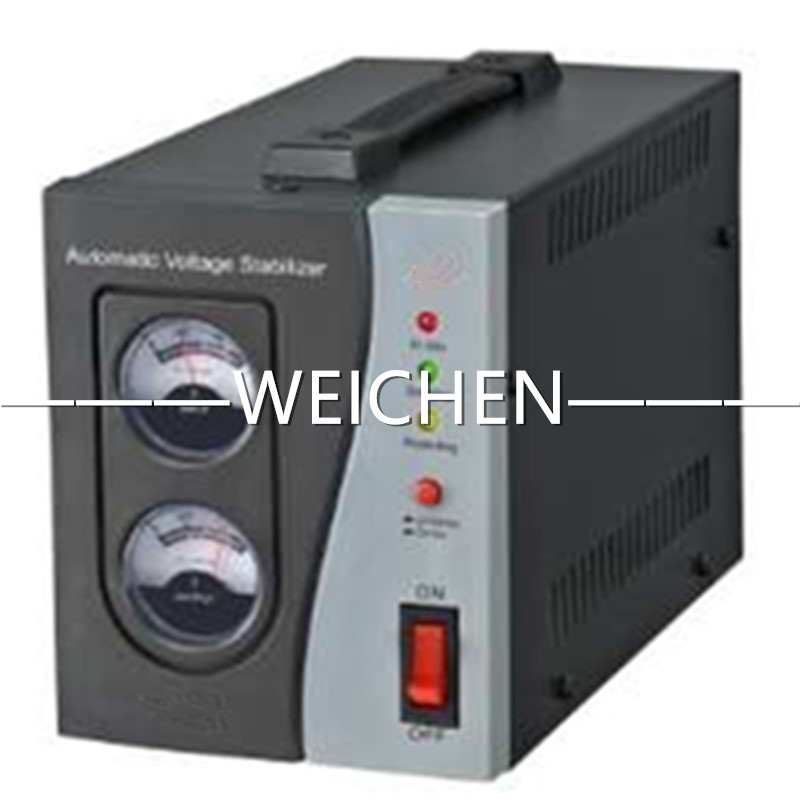
Source commercial and industrial voltage regulators and stabilizers from vetted Chinese manufacturers and suppliers. Designed for importers, wholesale distributors, and brands requiring reliable OEM and private-label production, our bulk sourcing solutions ensure stable power delivery and strict compliance with global electrical standards.
Sourcing voltage regulators and stabilizers in bulk requires navigating a complex landscape of component quality, capacity tolerances, and electrical safety standards. The core challenge for volume buyers is ensuring that the manufacturer's stated specifications match the actual continuous load capacity under real-world grid fluctuations. In a market where cutting corners on internal components is common, defining exact technical requirements upfront is the only way to secure reliable power protection equipment.
Defining Technical Specifications for Production
When negotiating with factories, vague specifications lead to inconsistent product quality. Manufacturers will optimize for cost unless you explicitly define the critical internal components and performance metrics.
Core Technologies and Their Applications
The underlying technology dictates the unit's response time, precision, and cost. You must align the technology type with your target market's requirements.
| Technology Type | Voltage Correction Speed | Output Precision | Typical Application |
|---|---|---|---|
| Relay Type | Fast (under 20ms) | ±8% to ±10% | Basic home appliances, budget markets |
| Servo Motor | Moderate (under 1s) | ±1% to ±3% | Industrial machinery, medical equipment |
| Static (Solid State) | Instantaneous | ±1% | Sensitive IT infrastructure, CNC machines |
Winding Material: The Copper vs. Aluminum Divide
The transformer winding material is the single largest cost driver and the most common area for hidden factory downgrades.
- Pure Copper: Offers superior thermal conductivity, lower resistance, and higher overload capacity. It is essential for heavy-duty or continuous-load industrial stabilizers.
- Aluminum (or Copper-Clad Aluminum): Cheaper and lighter, but generates more heat and has a shorter lifespan under heavy loads.
If you are leveraging OEM/ODM Services to build a premium brand, specifying 100% pure copper windings and verifying the wire gauge is non-negotiable.
Struggling to verify if your supplier is actually using the copper winding they promised? We can deploy engineers to the factory floor to audit components before assembly begins.
Talk to our teamManufacturing Quality and Factory Floor Vulnerabilities
Even with the right specifications, poor assembly and lax testing protocols will result in a high defect rate. Quality is won or lost in the details of the PCB assembly, the servo motor sourcing, and the final load testing.
Critical Quality Control Checkpoints
To ensure reliability, your factory must implement rigorous testing procedures. Relying solely on final inspection is risky; you need visibility into the production line. Integrating professional Quality Control & Inspection at key stages prevents systemic failures.
Essential Factory Testing Protocols
- Hi-Pot (High Potential) Testing: Ensuring insulation integrity between primary and secondary circuits.
- Full Load Burn-in Testing: Running units at 100% rated capacity for at least 4 to 8 hours to identify thermal failures.
- Input Fluctuation Simulation: Testing the response mechanism across the entire claimed input voltage range (e.g., 140V to 260V).
- Winding Resistance Measurement: Verifying the use of specified copper or aluminum gauges.
- PCB Solder Joint Inspection: Checking the control board for cold solder joints that could cause erratic relay or servo behavior.
Furthermore, if your target market requires specific safety certifications (such as CE, UL, or RoHS), you must ensure the factory can pass third-party Compliance & Testing. Many factories provide outdated or irrelevant certificates; validating these early is crucial.
Pricing, MOQs, and Lead Times
Pricing for voltage regulators is highly volatile, tied directly to global commodity prices for copper and electrical steel. Understanding the typical production parameters helps in negotiating realistic terms.
Cost Drivers to Watch
- Capacity Inflation: A common factory trick is to label a 3kVA transformer as a 5kVA unit. It will work under light loads but fail catastrophically when pushed. Always negotiate pricing based on the continuous RMS capacity, not the peak rating.
- Commodity Fluctuations: Because transformers are heavy in copper and silicon steel, factories will rarely hold quotes for more than 15 to 30 days.
- Component Upgrades: Specifying brand-name servo motors or high-grade relays will increase costs but drastically reduce warranty claims.
Want to stabilize your unit costs despite volatile copper prices? Let's discuss how strategic factory selection and volume negotiation can protect your margins.
Get a free consultationFrequently Asked Questions
Navigating the sourcing process for voltage regulators means balancing cost against the unyielding laws of electrical engineering. Partnering with suppliers who possess genuine technical capability—and verifying their claims through rigorous audits and inspections—is the only sustainable strategy for volume buyers.
Get Sourcing Help for Voltage Regulators & Stabilizers
Tell us your requirements and our experts will connect you with verified manufacturers.