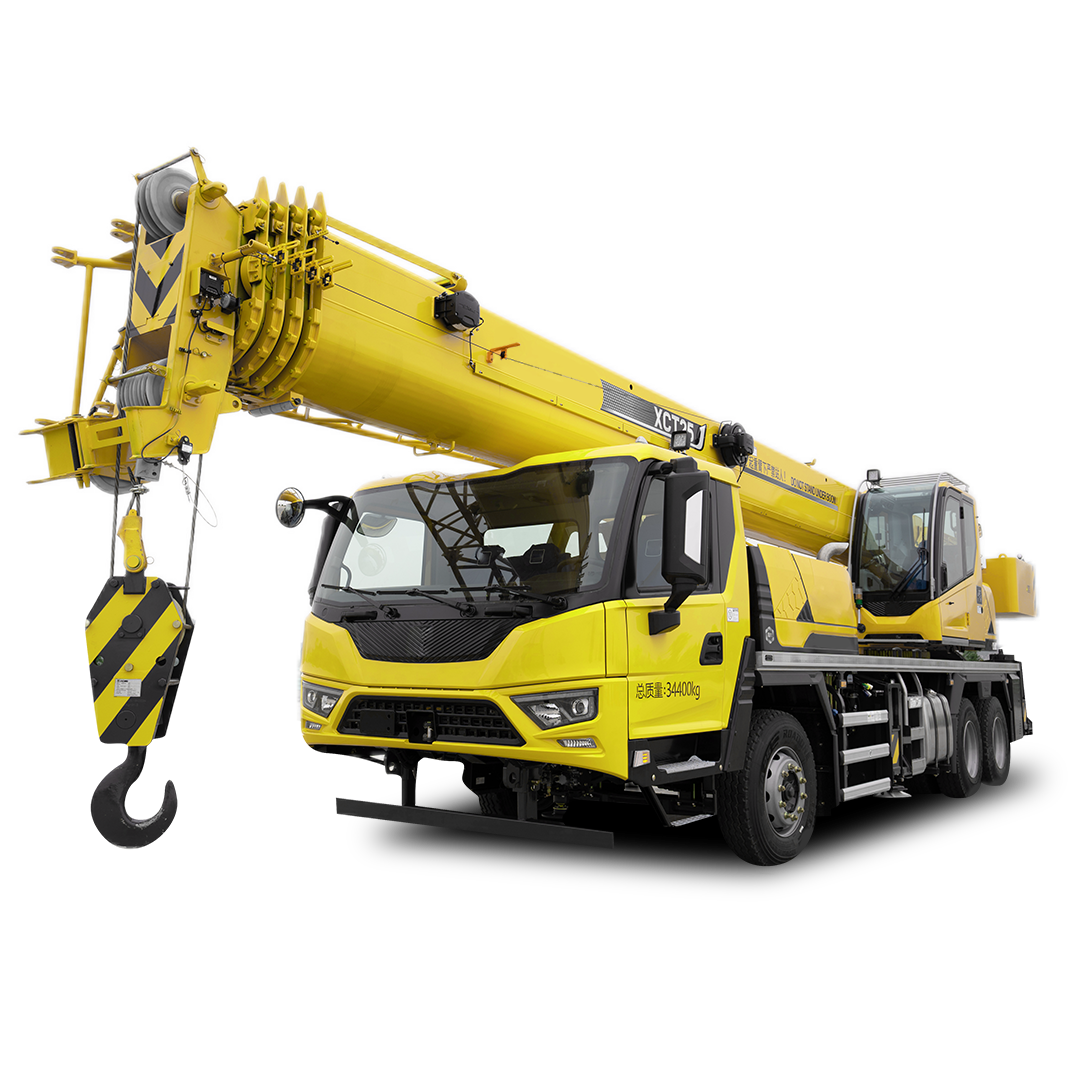
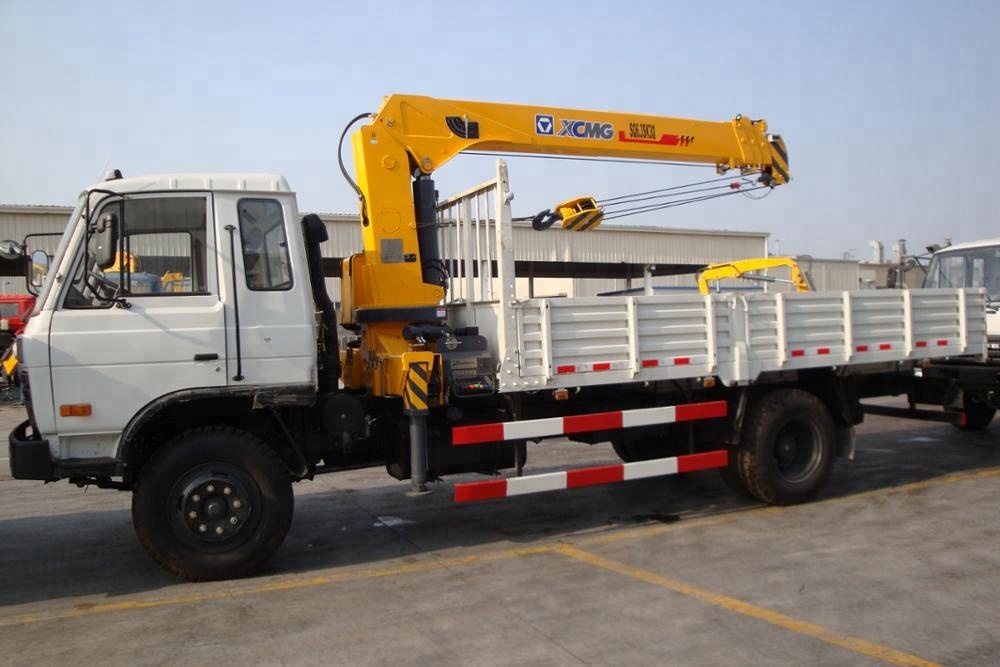
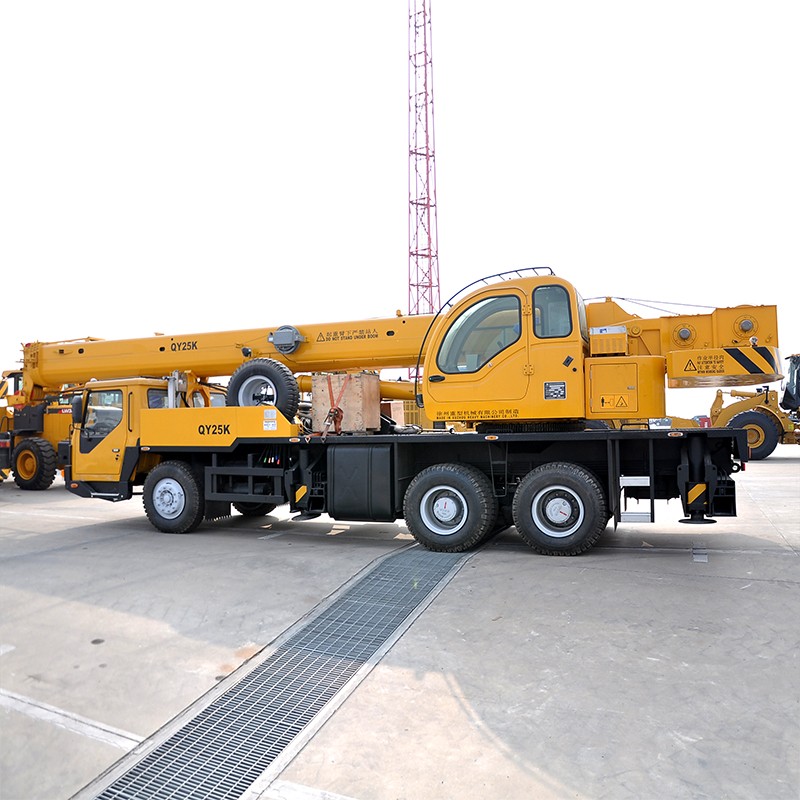
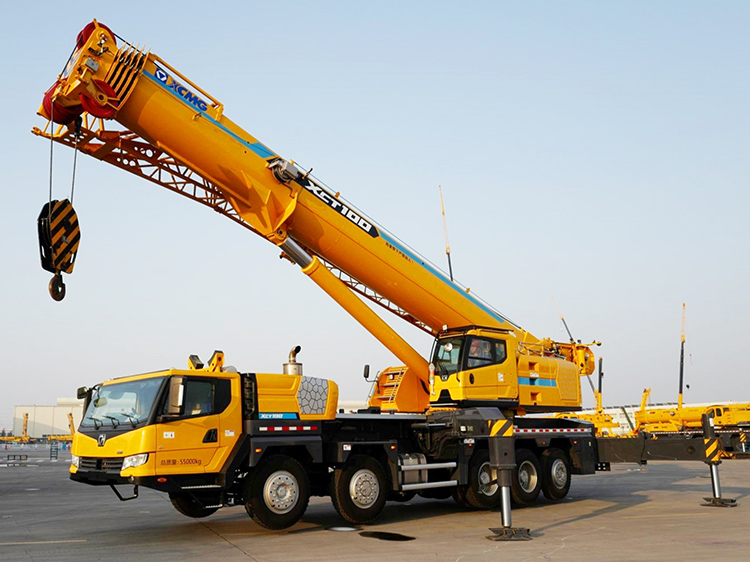
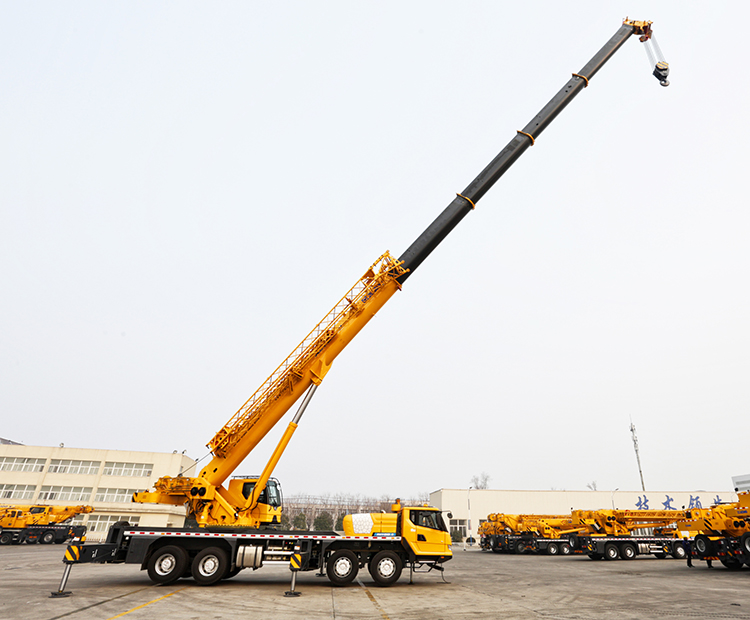
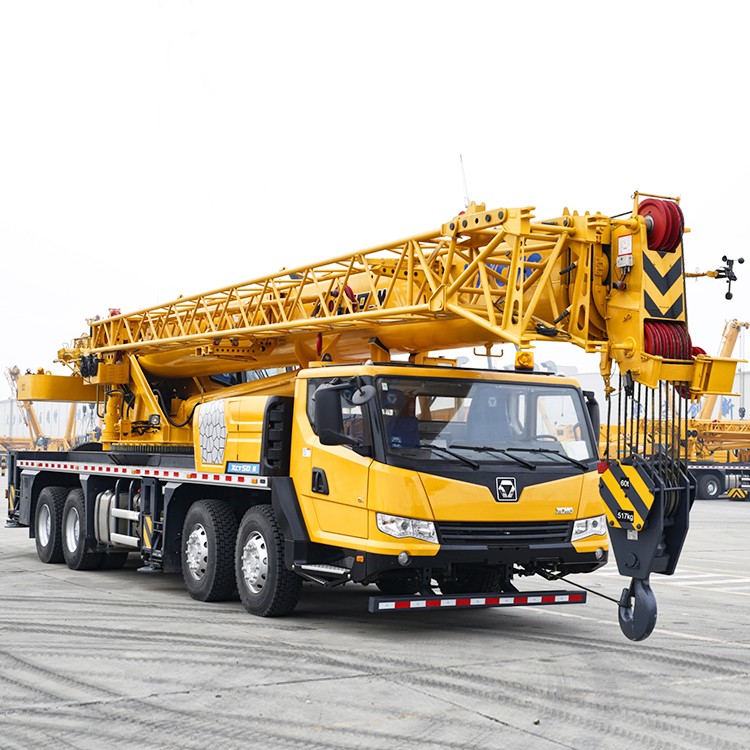
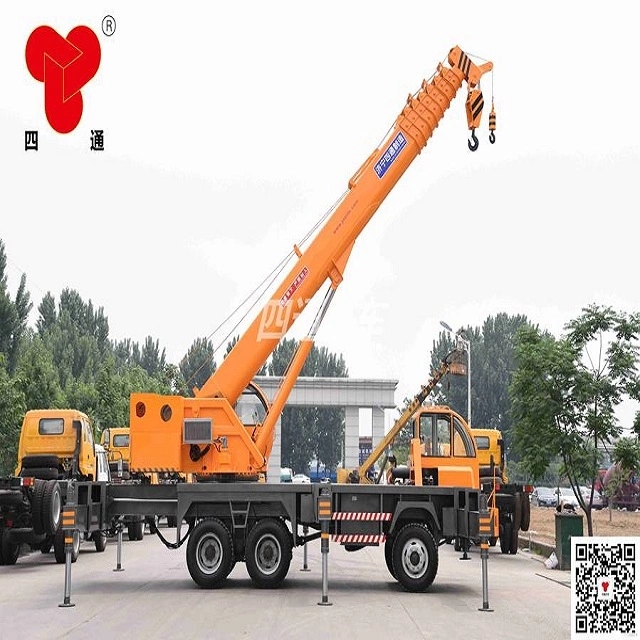
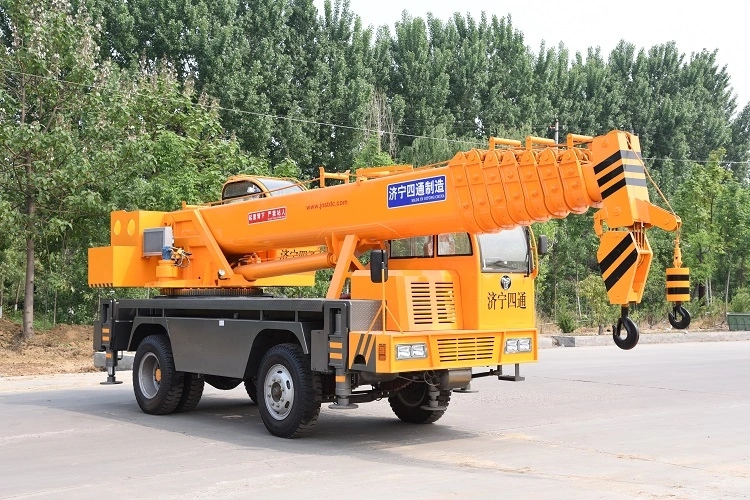
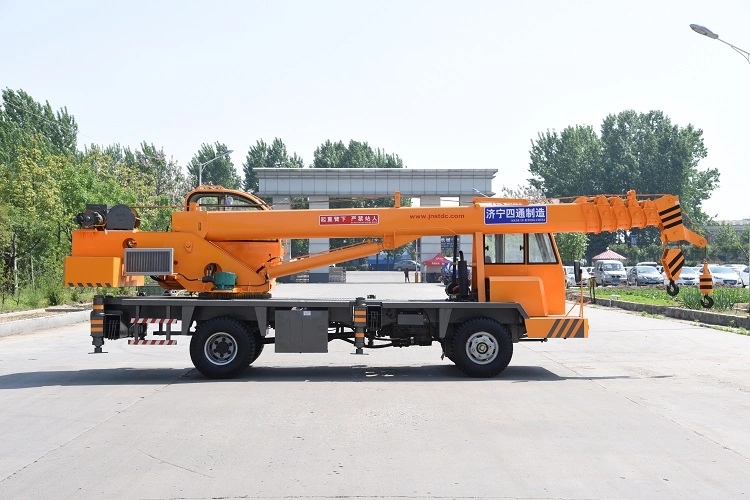
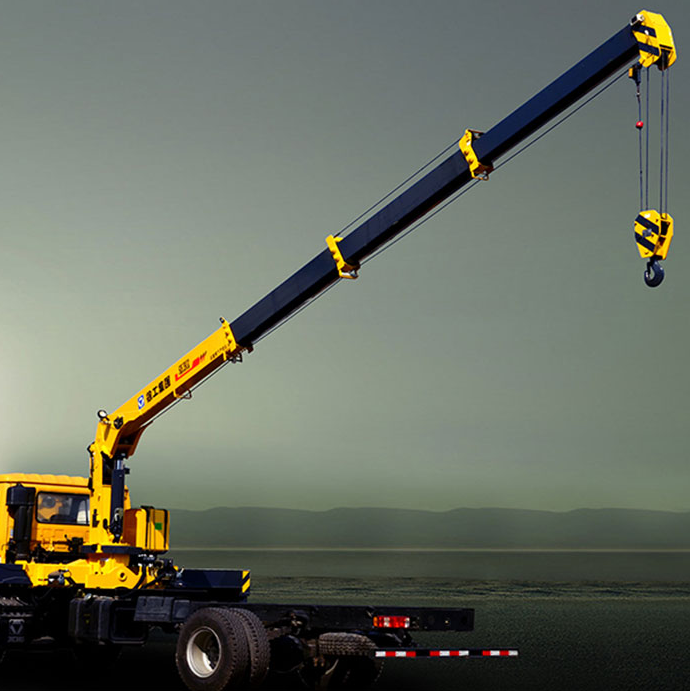
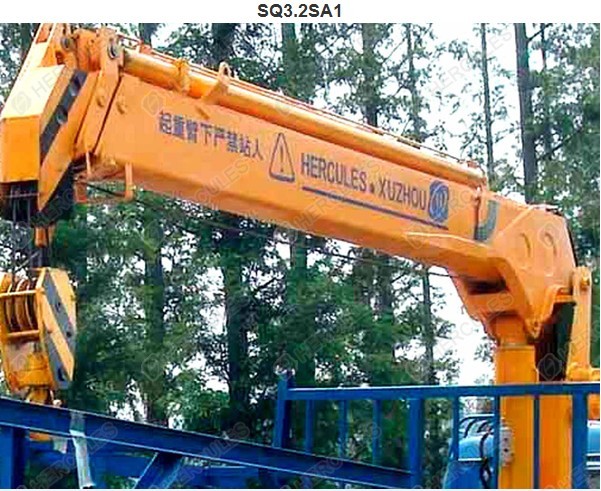
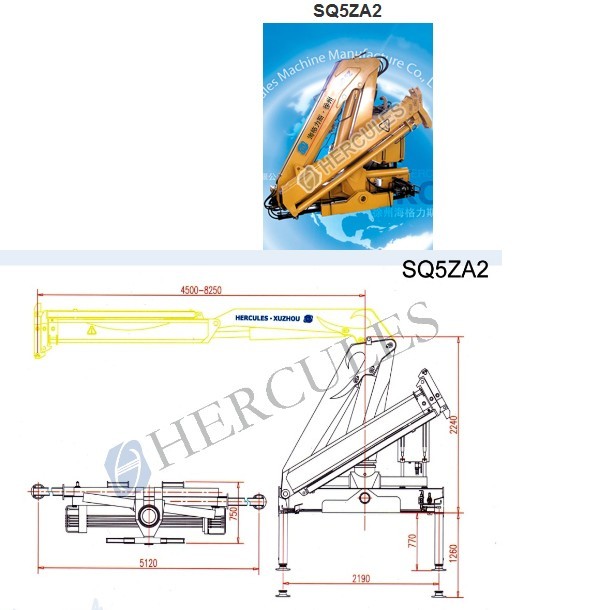
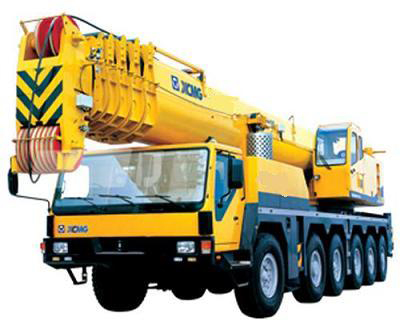
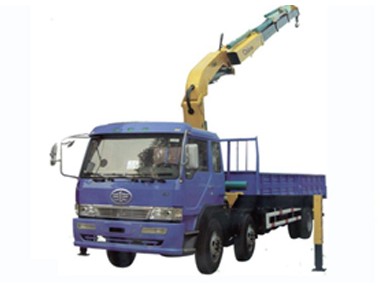
Truck Cranes
Source heavy-duty truck cranes from vetted manufacturers and suppliers across Asia. Engineered for construction fleets, equipment wholesalers, and procurement managers, our wholesale truck cranes offer reliable lifting capacity and rugged durability. Partner with us for secure importing, competitive pricing, and strict quality control.
Sourcing truck cranes in bulk requires balancing lifting performance with chassis reliability and strict market compliance. As highly integrated pieces of heavy machinery, truck cranes demand rigorous technical evaluation of both the vehicle chassis and the hydraulic lifting system. Buyers must navigate complex structural engineering standards, hydraulic component sourcing, and international emission regulations to ensure a safe, profitable procurement cycle.
Core Specifications and Structural Engineering
When negotiating with truck crane manufacturers, the technical specifications dictate the machine's capability, safety profile, and final cost. Off-the-shelf configurations rarely meet every market's needs without precise customization.
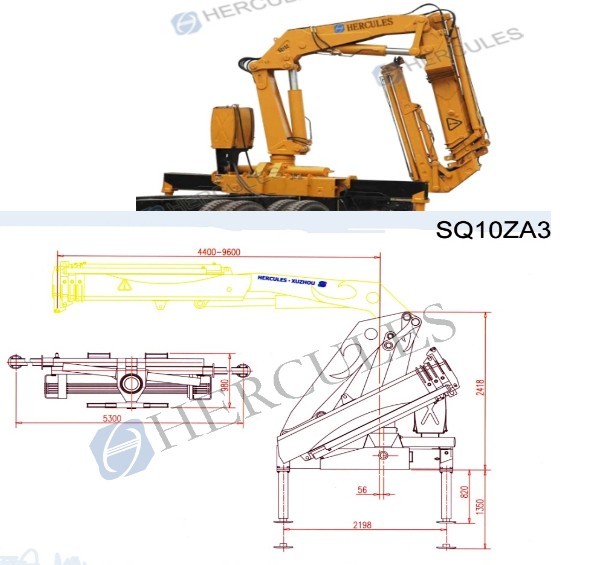
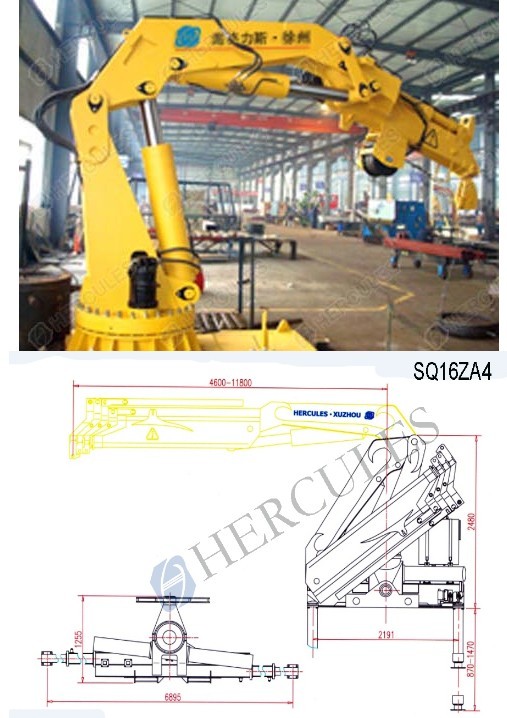
- Lifting Capacity and Load Moment: Rated in tons (T), capacity must be evaluated alongside the maximum load moment (kNm). A 25T crane from one supplier may have a different load chart and working radius than a 25T crane from another, depending on the boom design and counterweight configuration.
- Boom Design and Metallurgy: Modern mobile cranes utilize high-tensile steel (such as HG785 or Weldox). The cross-sectional design of the telescopic boom significantly impacts stability and weight.
- Hydraulic Systems: The reliability of a truck crane rests entirely on its hydraulics. Specify the origin of the main pump, control valves, and slewing motors. Top-tier manufacturers often use imported components (e.g., Rexroth, Kawasaki) or high-quality joint-venture alternatives.
| Boom Cross-Section | Characteristics | Typical Application |
|---|---|---|
| Hexagonal | Good stability, standard manufacturing cost | 8T to 25T light/medium duty cranes |
| U-Shape / Octagonal | Superior stress distribution, lighter weight, reduced deflection | 50T and above heavy-duty cranes |
Assessing Factory Capability
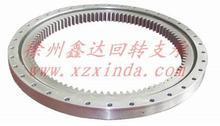
Not all heavy machinery suppliers are primary manufacturers; many are assemblers who purchase chassis and crane upper-structures separately. A true manufacturer will have in-house robotic welding lines for boom fabrication, large-scale CNC machining centers for slewing rings, and dedicated chassis integration bays.
Relying on a supplier's brochure is a high-risk strategy in heavy machinery. Executing comprehensive Factory Audits is essential to verify their production capacity, ISO 9001/14001 certifications, and structural testing facilities before placing an order.
Navigating heavy machinery manufacturers requires strict vetting. Let us verify factory credentials, production lines, and engineering capabilities before you commit.
Talk to our teamQuality Control and Safety Compliance
A truck crane failure is catastrophic. Quality control cannot be limited to a visual walk-around; it requires dynamic testing and structural verification. Factory defect rates often spike during the integration of the Power Take-Off (PTO) and the hydraulic control systems.
Implementing strict Quality Control & Inspection protocols at the factory ensures that the equipment meets your exact load charts and safety requirements before it reaches the port.
Critical Pre-Shipment Verifications
- Dynamic load testing at 100 percent and static testing at 125 percent capacity
- Hydraulic pressure retention and cylinder leak inspection under sustained load
- Anti-two block (ATB) and load moment indicator (LMI) calibration checks
- Chassis alignment and PTO (Power Take-Off) engagement testing
- Ultrasonic testing (UT) or X-ray inspection on critical boom weld seams
Emission and Road Homologation
Always verify the required emission standard for your target market (e.g., Euro III, IV, V, VI, or EPA equivalents) before selecting a chassis. Retrofitting emission controls post-production is technically prohibitive and often illegal.
Buying Mechanics: Pricing, MOQs, and Logistics
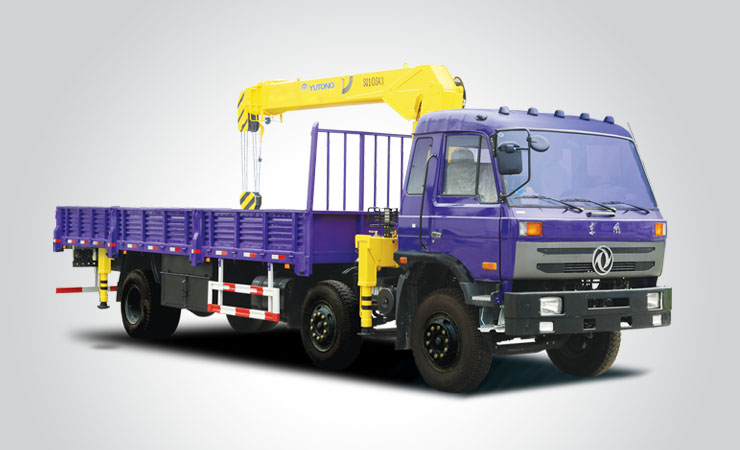
Truck cranes are high-value capital assets. While pricing is highly dependent on the chosen chassis brand (e.g., Sinotruk, Shacman, FAW, or specialized heavy-duty chassis) and the tonnage, understanding the typical procurement baseline helps in planning your capital outlay.
Logistics for fully assembled truck cranes require specialized handling. Depending on the size, they are typically shipped via RoRo (Roll-on/Roll-off) vessels or Flat Rack containers. Coordinating this requires expertise in heavy-equipment freight forwarding. Engaging professional Shipping & Freight services ensures proper lashing, marine insurance, and optimal routing for oversized cargo.
Need accurate landed costs for your equipment fleet? We negotiate directly with manufacturers and manage the complex heavy-freight logistics.
Get a free consultationFrequently Asked Questions
Procuring truck cranes is an exercise in risk management and technical precision. Success depends on aligning chassis capabilities with heavy-duty lifting requirements, all while navigating complex international logistics and compliance standards. Having experienced sourcing support on the ground ensures your machinery is built to spec and delivered securely.
Get Sourcing Help for Truck Cranes
Tell us your requirements and our experts will connect you with verified manufacturers.