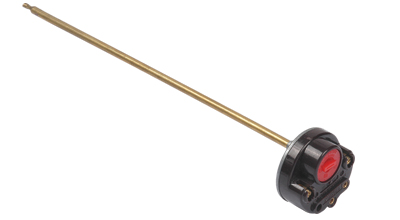
Temperature-Controlled Switches
Source bulk temperature-controlled switches from vetted manufacturers and suppliers. Designed for importers, electrical distributors, and OEM brands requiring reliable thermal management components, our network offers direct access to wholesale production and custom private-label manufacturing.
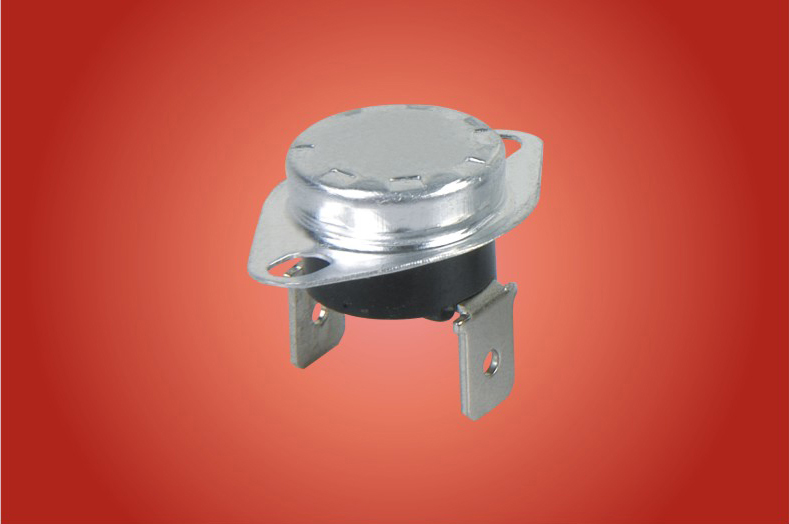
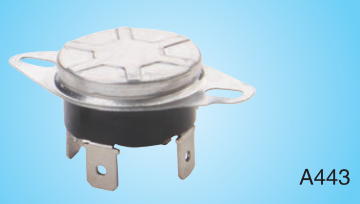
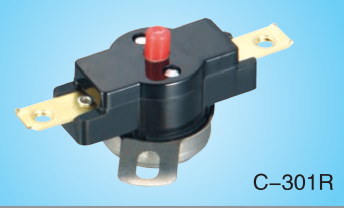
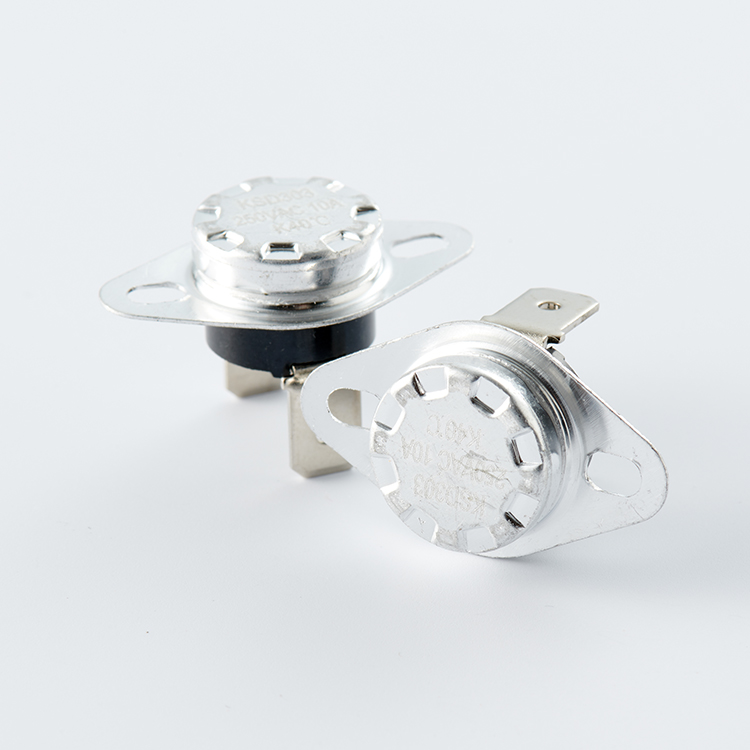
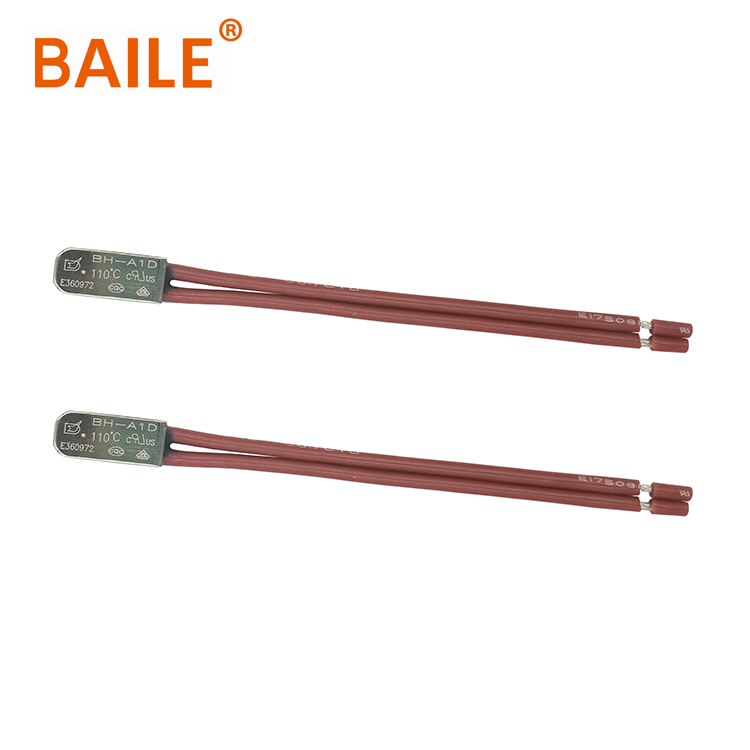
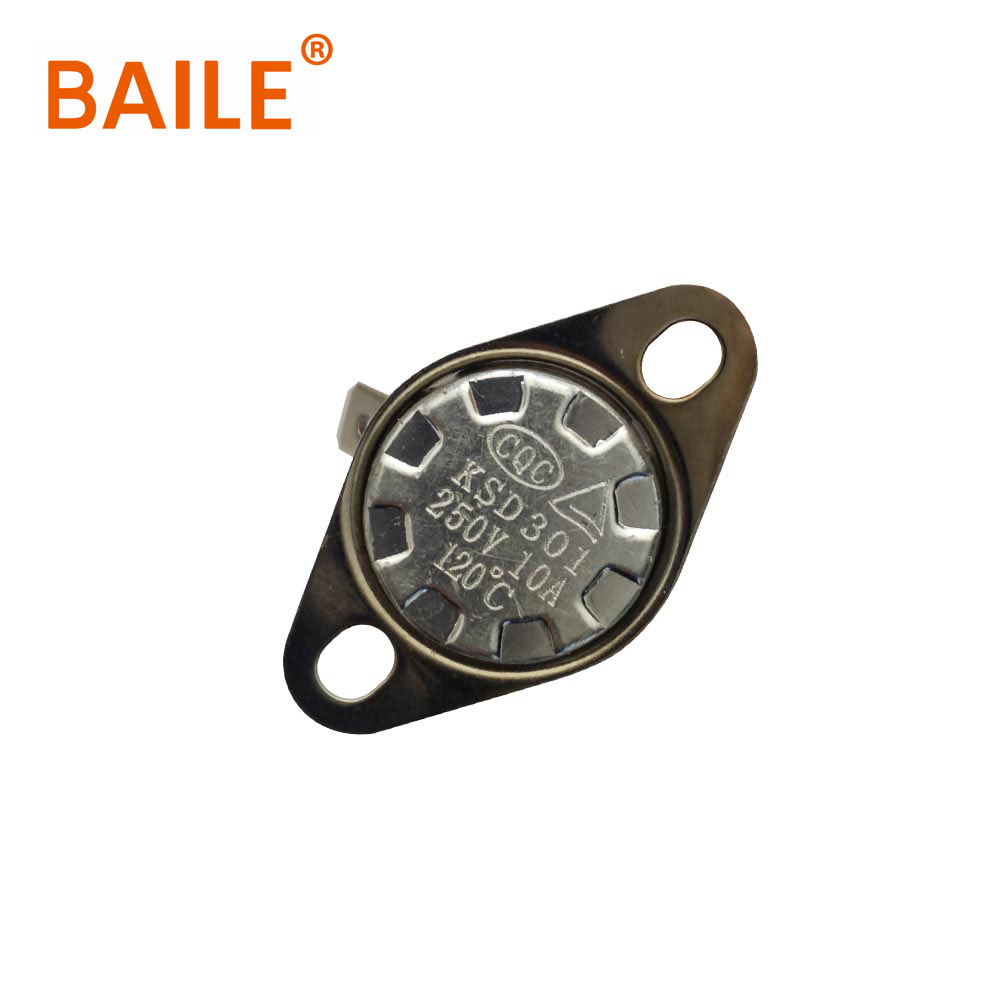
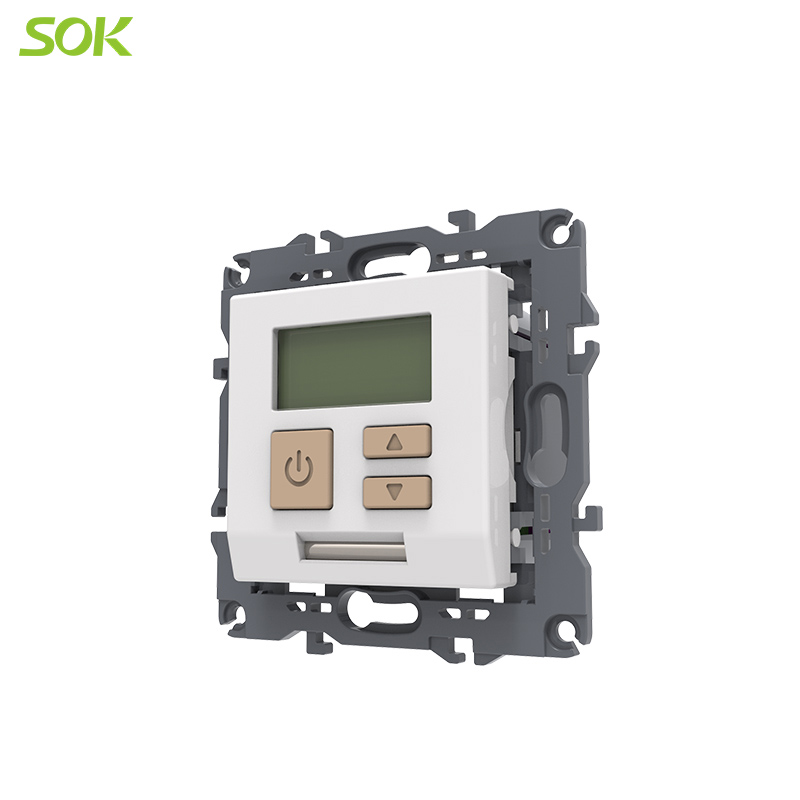
Temperature-controlled switches—often functioning as thermal protectors, limiters, or thermostats—are critical fail-safes in appliances, industrial machinery, and HVAC systems. When sourcing these components in volume, the primary challenge is not merely securing a competitive unit price. The true test is ensuring consistent calibration, preventing thermal drift across massive production batches, and verifying that the internal contact materials can handle specified inrush currents over hundreds of thousands of cycles without welding shut.
Core Specifications for Bulk Procurement
Specifying a temperature-controlled switch requires precise alignment between your application's electrical load and the switch's mechanical endurance. A minor miscalculation in the required differential (hysteresis) or contact rating can lead to premature failure or severe safety hazards in the end product.
When negotiating with manufacturers, you must clearly define:
- Action Type: Normally Closed (NC) for over-temperature protection (opening the circuit when hot) or Normally Open (NO) for cooling applications (closing the circuit when hot).
- Operating and Reset Temperatures: The specific temperature point where the switch actuates, and the exact differential required before it resets. Narrow differentials require tighter manufacturing tolerances and often cost more.
- Electrical Ratings: Specify the maximum continuous current, voltage, and expected inrush current.
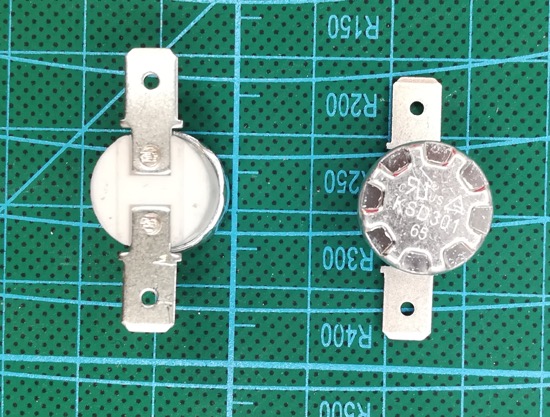
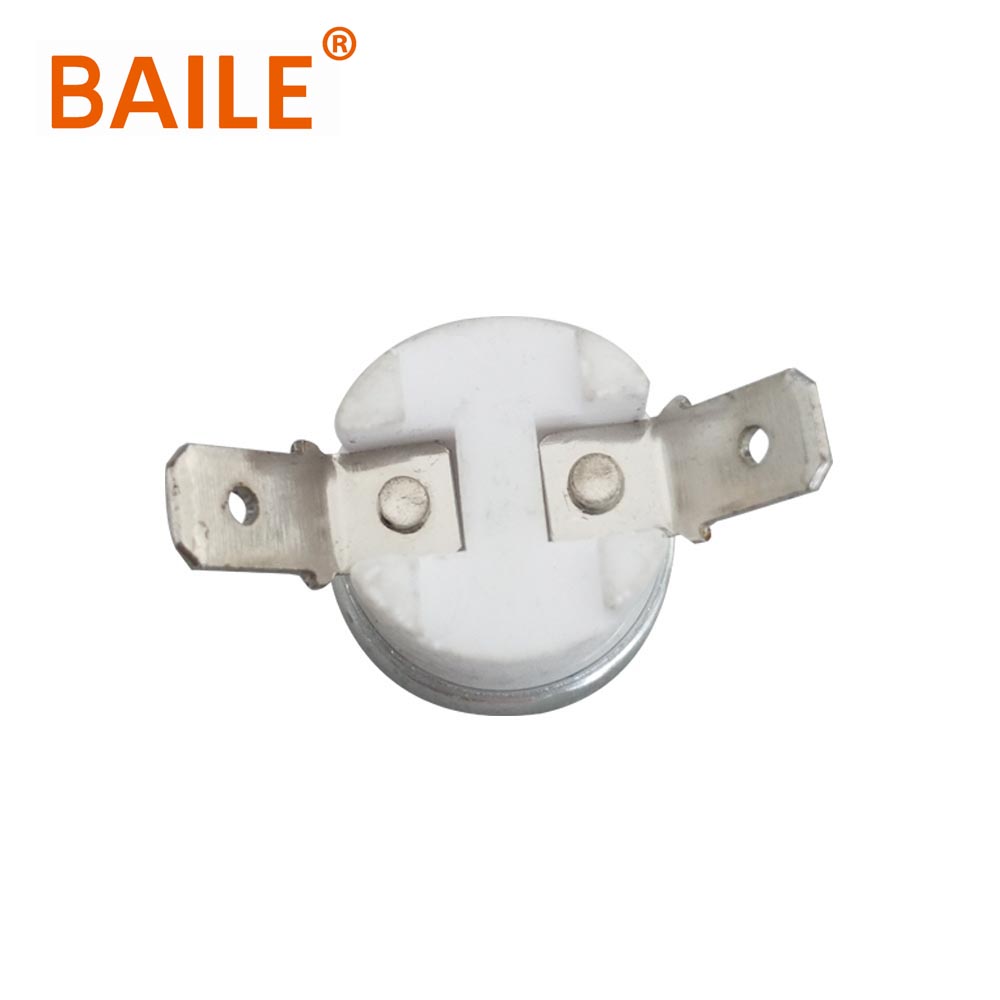
- Housing Material: Phenolic (bakelite) or plastic resins are standard for lower temperatures (under 150°C), while ceramic housings are strictly required for high-temperature applications (up to 250°C or more).
| Switch Technology | Mechanism | Typical Max Temp | Volume Cost Profile |
|---|---|---|---|
| Bimetallic Disc (Snap-Action) | Thermal expansion of bonded metals | Up to 250°C (Ceramic) | Low to Medium |
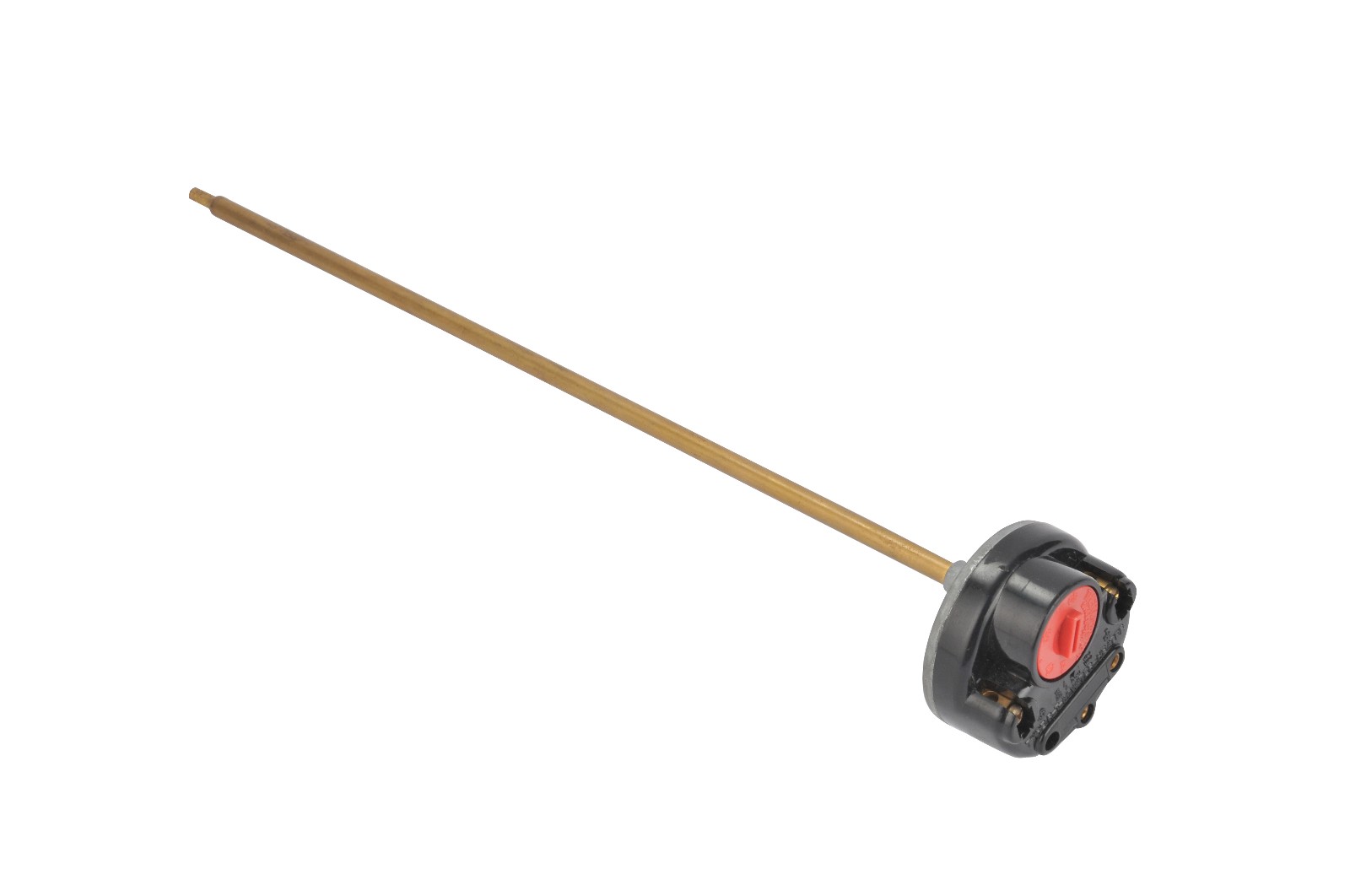
| Capillary / Bulb | Fluid expansion driving a diaphragm | Over 300°C | Medium to High |
| Thermal Fuses (Cutoffs) | One-time meltable pellet | Up to 240°C | Very Low |
Need help identifying the right manufacturer for your specific thermal requirements? Let our sourcing engineers evaluate your technical drawings.
Talk to our teamManufacturing Quality & Supplier Verification
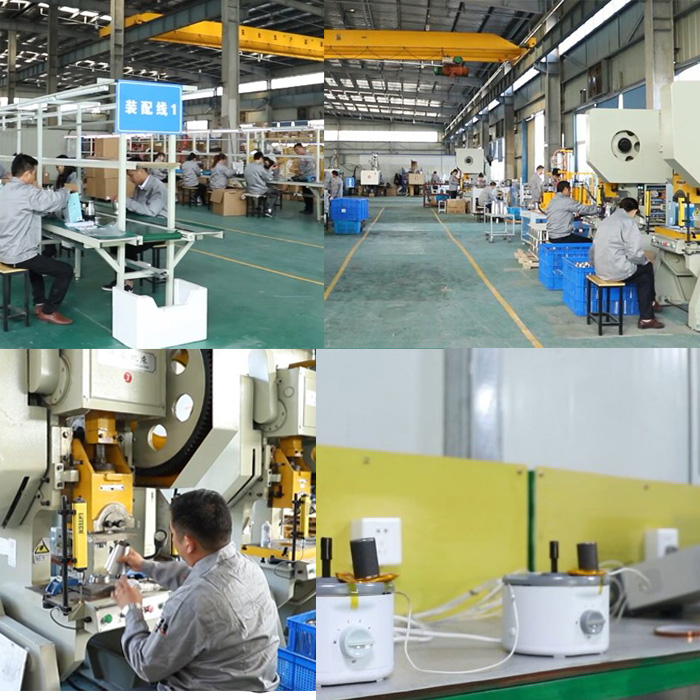
The reliability of a temperature-controlled switch is won or lost on the factory floor. The most common defects—such as premature contact wear, inaccurate actuation temperatures, and housing degradation—stem from poor raw material selection and inadequate testing during assembly.
When evaluating a factory's capability, pay close attention to their automated calibration lines. Manual calibration is highly prone to human error and batch-to-batch inconsistency.
Critical Quality Control Points
- Verify the silver alloy thickness on the electrical contacts (thinner silver leads to faster pitting and failure).
- Ensure 100% inline testing for actuation and reset temperatures using automated thermal baths or ovens.
- Check dielectric strength and insulation resistance after assembly to prevent short circuits.
- Review the factory's aging test data to confirm the bimetal discs do not suffer from thermal drift over time.
Certifications are non-negotiable in this category. Depending on your target market, the switches must carry valid UL, CE, VDE, or CQC marks. However, a supplier providing a certificate is not enough. You must ensure the specific component configuration you are ordering is covered by that certificate, which is where rigorous Compliance & Testing becomes essential. Similarly, implementing strict Quality Control & Inspection protocols before shipment ensures that the factory hasn't swapped premium silver contacts for cheaper copper alternatives to save margin.
Sourcing Dynamics: Pricing, MOQs, and Lead Times
Pricing for temperature-controlled switches is heavily influenced by raw material costs (specifically copper, silver, and technical ceramics), the required precision of the temperature differential, and the total order volume. Custom configurations, such as specific wire harness attachments or non-standard mounting brackets, will increase both costs and lead times.
For brands requiring custom terminal orientations or integrated wiring harnesses, engaging a partner for OEM/ODM Services is the most efficient route. This ensures the switch is designed specifically for your assembly line, reducing labor costs during your final product manufacturing.
Looking to consolidate your component supply chain? Discuss your MOQ and pricing targets with our sourcing specialists.
Get a free consultationFrequently Asked Questions
Sourcing temperature-controlled switches in high volumes requires a careful balance between unit cost and uncompromising reliability. By clearly defining your electrical and mechanical requirements, and enforcing strict quality control at the factory level, you can secure components that protect both your products and your brand reputation. If you need dedicated support navigating supplier vetting and technical negotiations, our team is ready to assist.
Get Sourcing Help for Temperature-Controlled Switches
Tell us your requirements and our experts will connect you with verified manufacturers.