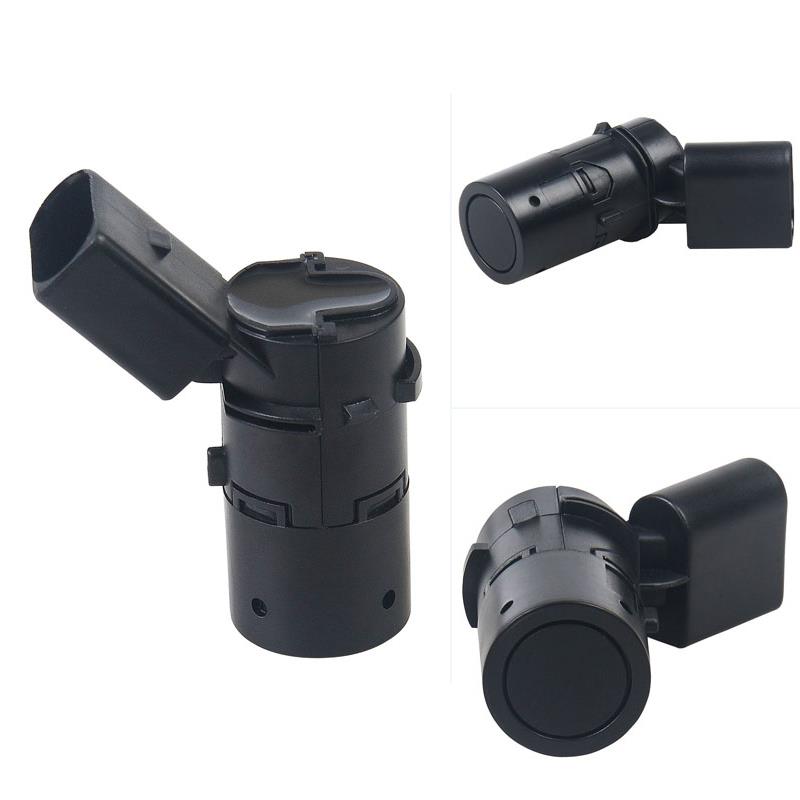
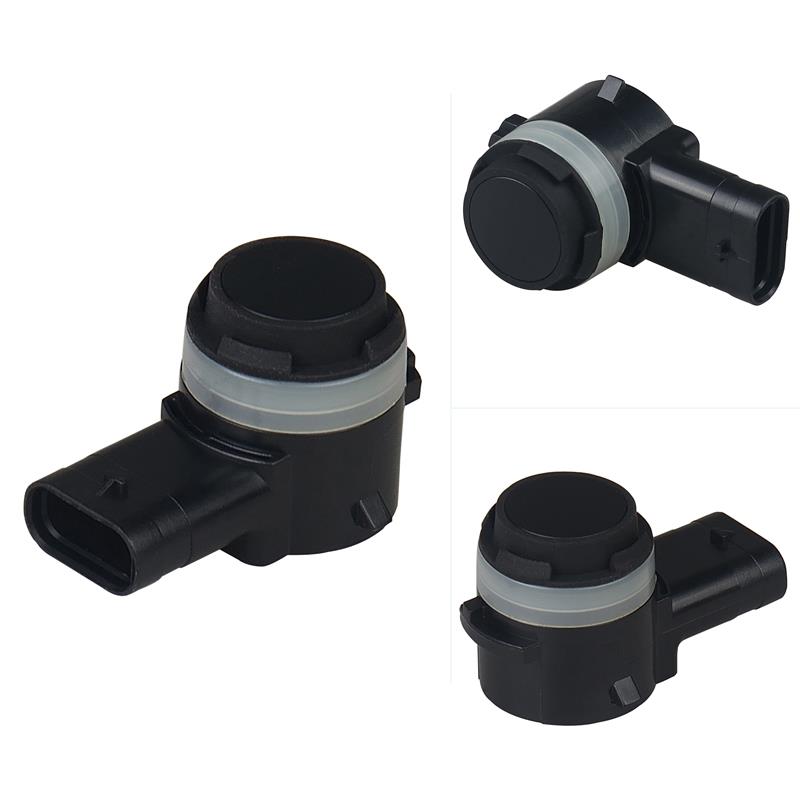
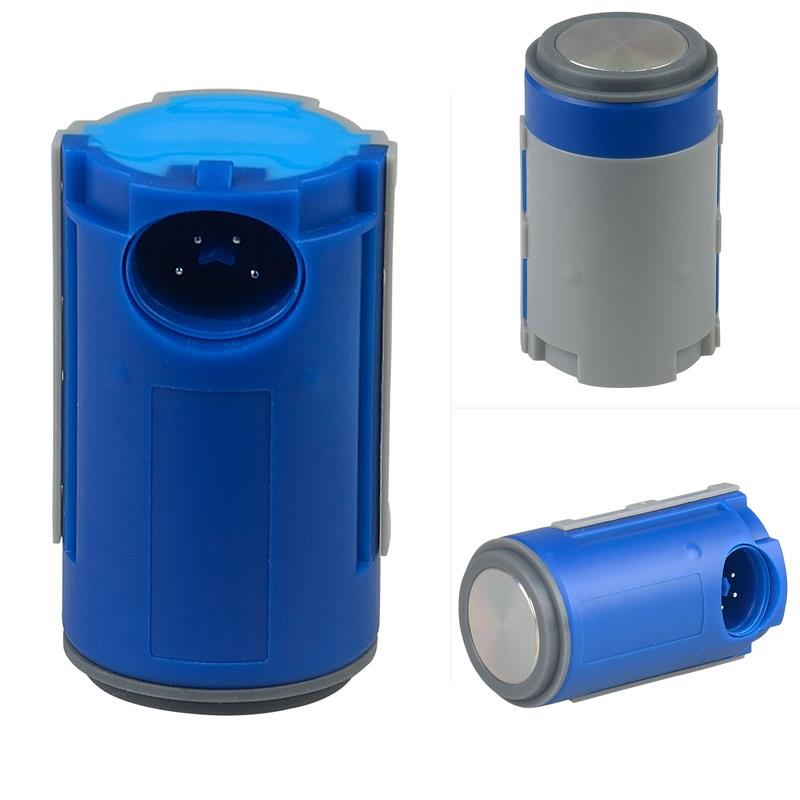
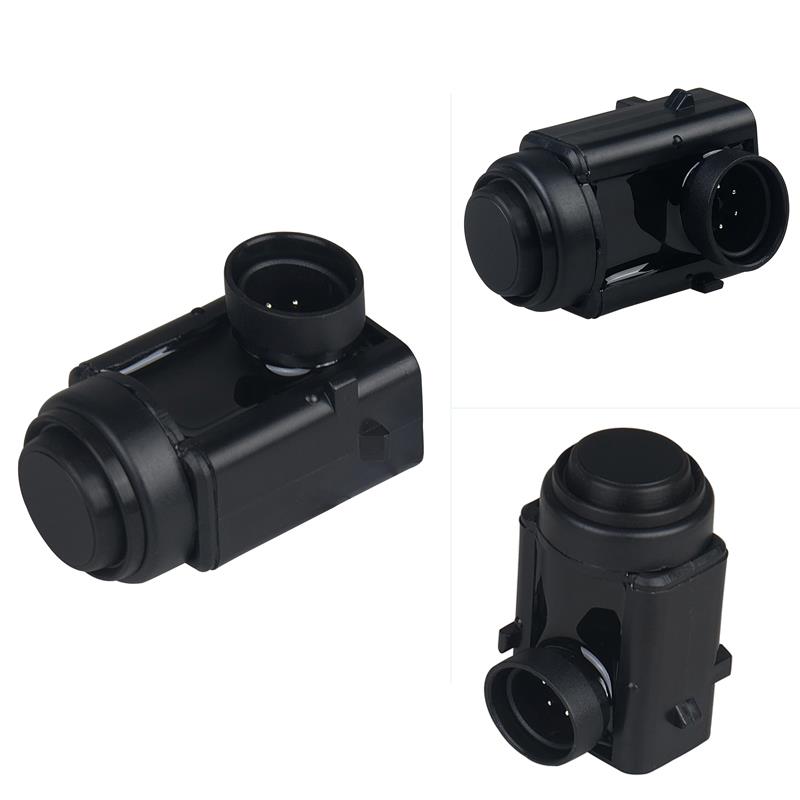
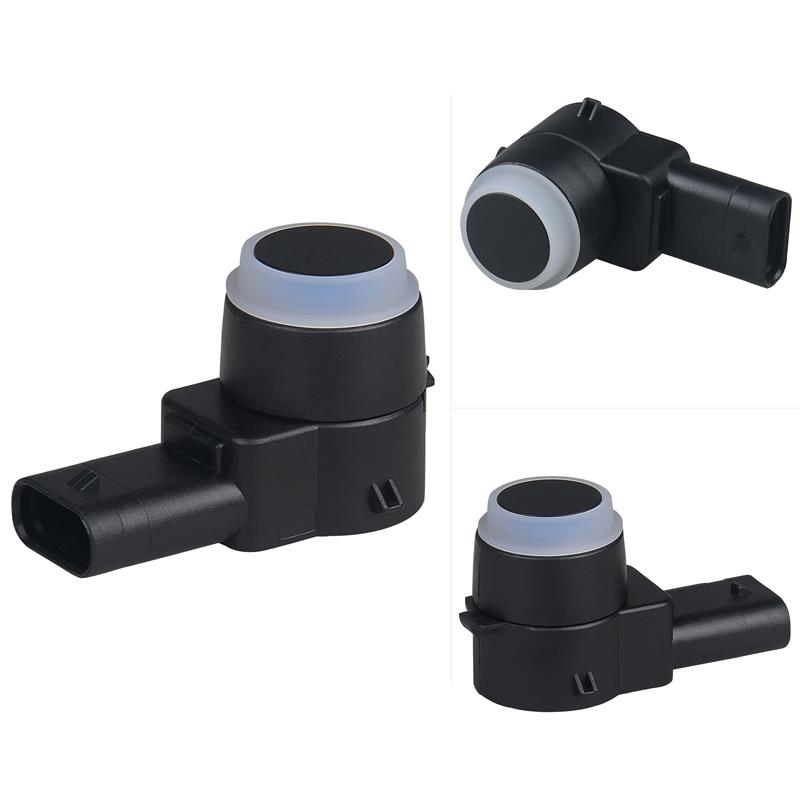
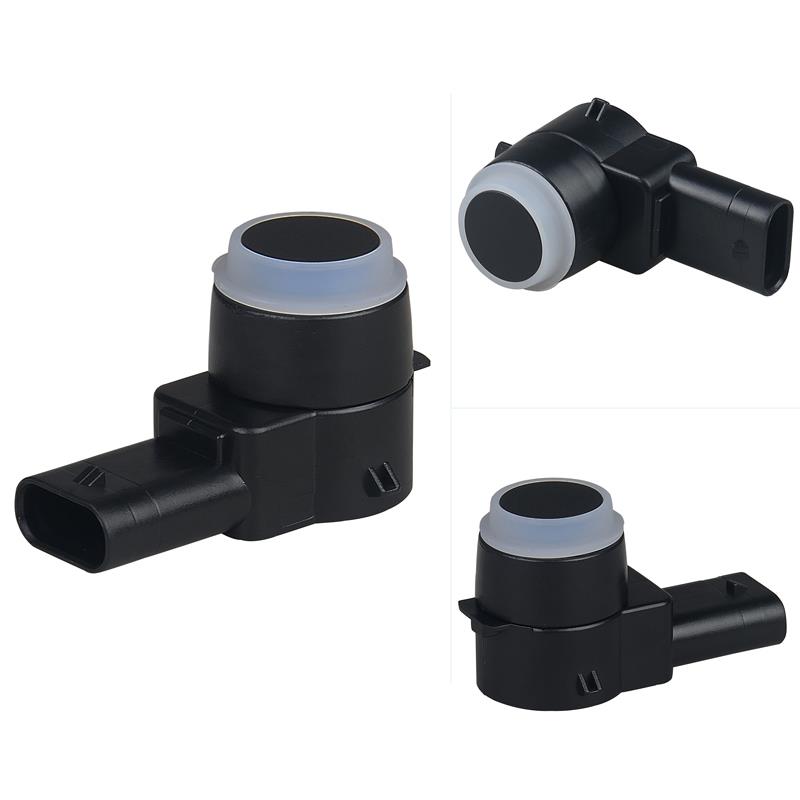
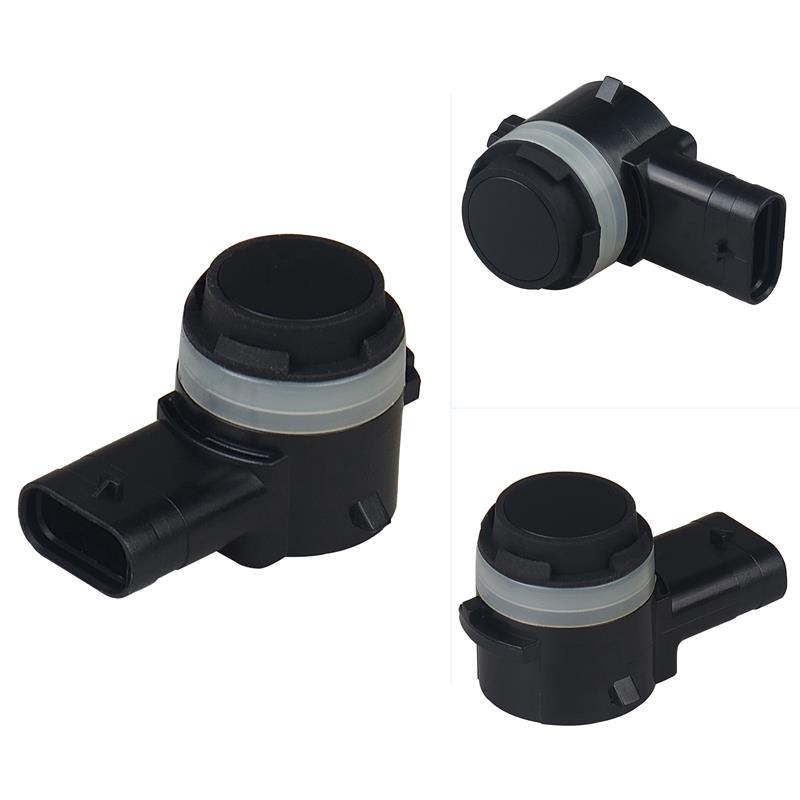
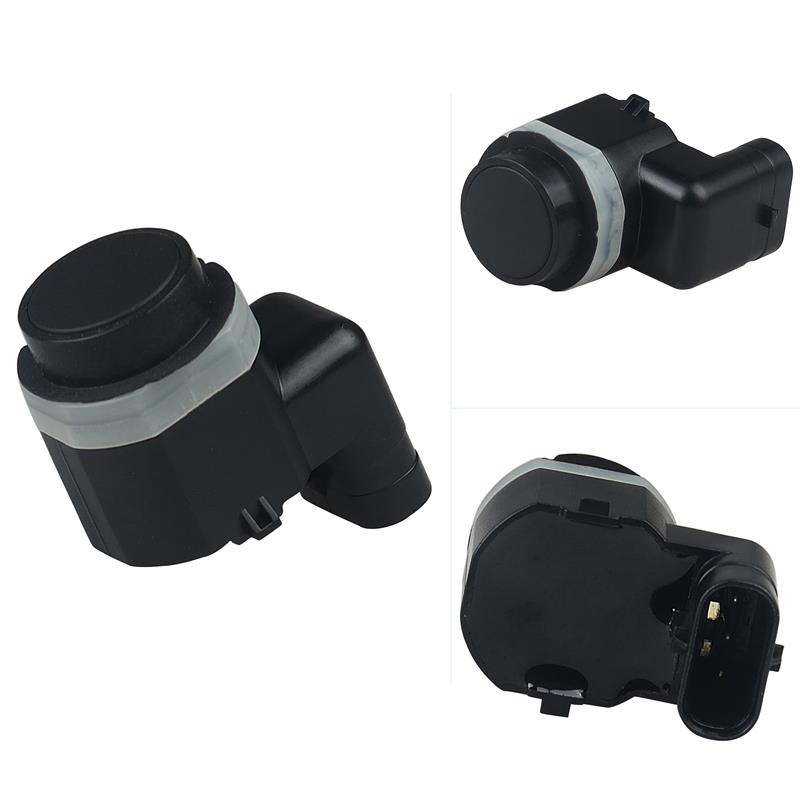
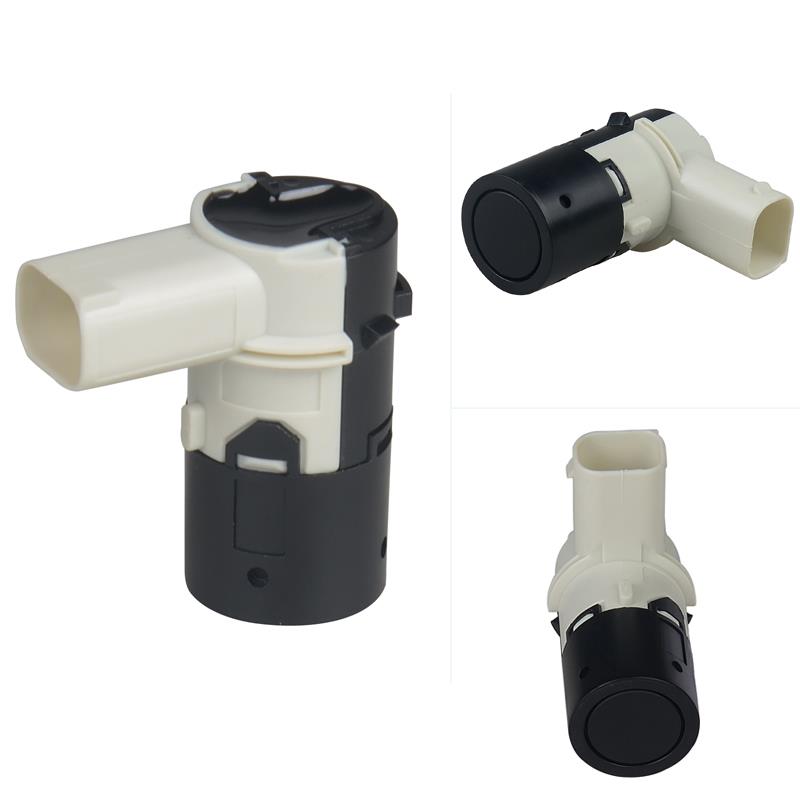
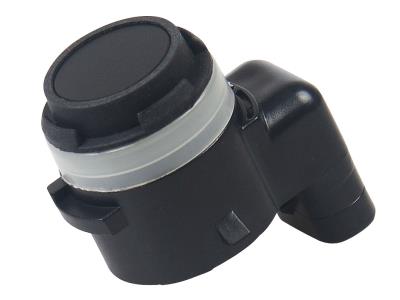
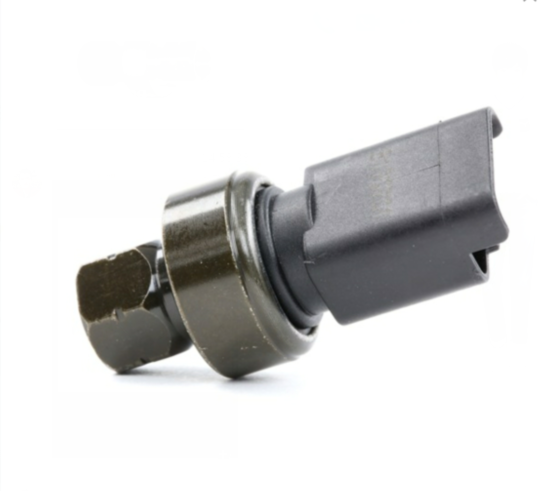
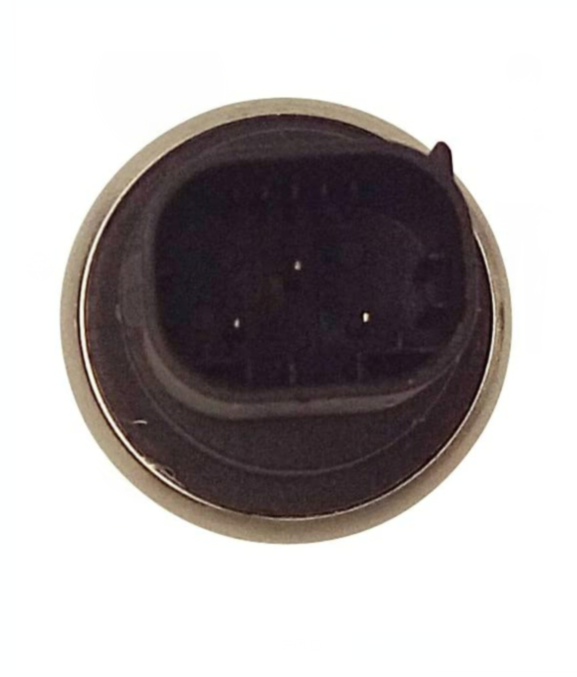
Sensors
Source high-performance automotive sensors from vetted suppliers and manufacturers across Asia. Designed for importers, wholesale distributors, and aftermarket brands looking for reliable OEM or private-label production, our network delivers precision-engineered components built to strict industry standards.
Automotive electronics operate in exceptionally harsh environments. Sourcing aftermarket sensors requires balancing competitive unit costs with the uncompromising demand for durability and signal accuracy. A failed mass airflow (MAF), oxygen (O2), or wheel speed (ABS) sensor does not just trigger a diagnostic trouble code; it compromises vehicle safety and performance, leading to high warranty return rates that can quickly erode an aftermarket brand's profitability.
Securing a reliable supply chain means looking past superficial product catalogs and digging into a manufacturer's calibration processes, component sourcing, and testing infrastructure.
Critical Specifications for Automotive Sensors
When negotiating with manufacturers, vague specifications lead to inconsistent production batches. Serious buyers must define the exact operating parameters and material requirements for every SKU.
Key Technical Requirements to Specify
- Operating Temperature Range: Standard under-hood components must withstand -40 to 125 Celsius, while exhaust-mounted components (like O2 or EGT sensors) require tolerances up to 900 Celsius.
- Ingress Protection (IP Rating): Specify IP67 or IP69K to ensure resistance to high-pressure washes, road salt, and engine fluids.
- Voltage and Signal Output: Define the reference voltage (typically 5V or 12V) and acceptable signal drift margins over the sensor's lifespan.
- Connector Tooling: Ensure the terminal pins and plastic housings are exact matches for OEM wiring harnesses to prevent fitment issues.
- Potting and Sealing Compounds: Specify automotive-grade epoxy or silicone potting to protect internal PCB components from intense engine vibration.
Struggling with high defect rates from your current sensor suppliers? Let us help you establish rigorous manufacturing standards.
Talk to our teamManufacturing Realities and Quality Control
The difference between a premium aftermarket sensor and a high-failure alternative rarely lies in the external housing. Quality is won or lost on the factory floor during assembly and calibration.
Many lower-tier factories rely on manual soldering for internal connections. In an automotive application subjected to constant vibration and thermal expansion, hand-soldered joints are a primary failure point. Top-tier manufacturers utilize automated wire bonding and laser welding.
Before committing to a production run, it is highly recommended to utilize formal Factory Audits to verify that a supplier holds a genuine, active IATF 16949 certification. This standard ensures the factory has the necessary quality management systems in place for automotive production.
| Testing Protocol | Standard Requirement | Failure Implication |
|---|---|---|
| Thermal Shock | Rapid cycling between -40 and 125 Celsius | Internal wire breakage, solder joint failure |
| Vibration Testing | Multi-axis frequency sweeps under load | Signal dropout, physical component separation |
| Salt Spray | 96 to 120 hours continuous exposure | Corroded terminals, compromised ground connections |
To prevent defective units from reaching your warehouse, implement strict Quality Control protocols. Pre-shipment inspections should include functional testing using automated jigs that simulate real-world physical inputs (like pressure or rotation) while measuring the electrical output against the acceptable tolerance curve.
Customization and Private Labeling
For brands looking to differentiate themselves or consolidate replacement parts, custom tooling is often required. Developing proprietary sensor housings or upgrading connector materials (such as moving from standard nylon to glass-filled PA66 for better heat resistance) requires a factory with strong in-house engineering.
Partnering with a supplier capable of comprehensive OEM/ODM Services ensures that your custom molds are owned by you and that the proprietary calibration data remains secure.
Typical MOQs, Pricing, and Lead Times
Because automotive sensors require specific calibration setups and tooling adjustments, factories rarely accommodate micro-orders. Pricing is heavily dependent on the cost of the raw sensing element (often imported from Japan, Germany, or the US) and the complexity of the assembly.
Beware of Element Substitution
During price negotiations, some suppliers may quietly substitute premium sensing elements (like a Bosch or NTK chip) with cheaper domestic alternatives to meet your target price. Always specify the exact internal component brand in your purchasing contract.
Ready to scale your automotive sensor purchasing? Connect with our sourcing experts to negotiate better terms and secure reliable production.
Get a free consultationFrequently Asked Questions
Sourcing automotive sensors requires a highly technical approach to supplier selection and quality assurance. By focusing on automated manufacturing processes, strict environmental testing, and precise component specifications, you can build an aftermarket catalog that rivals OEM reliability.
Get Sourcing Help for Sensors
Tell us your requirements and our experts will connect you with verified manufacturers.