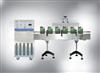
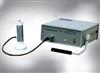
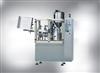
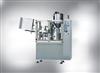
Sealing Machines
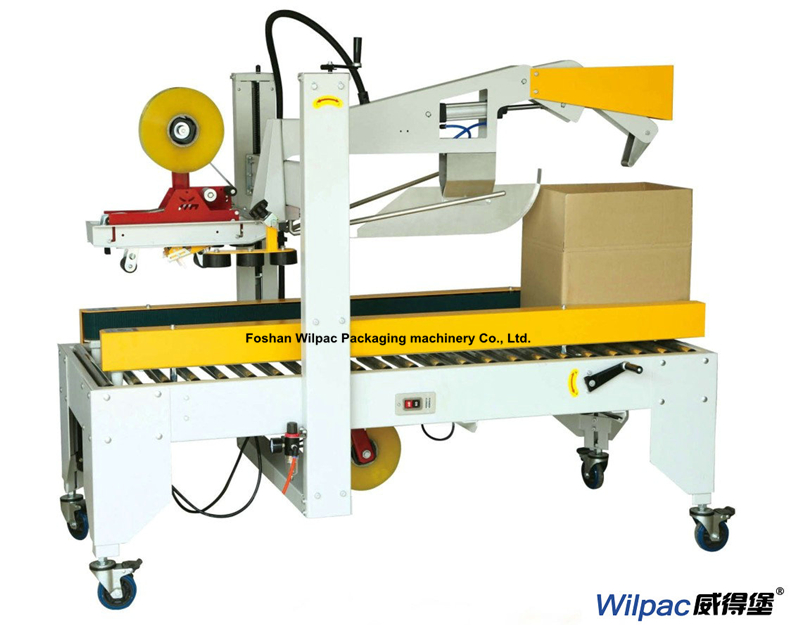
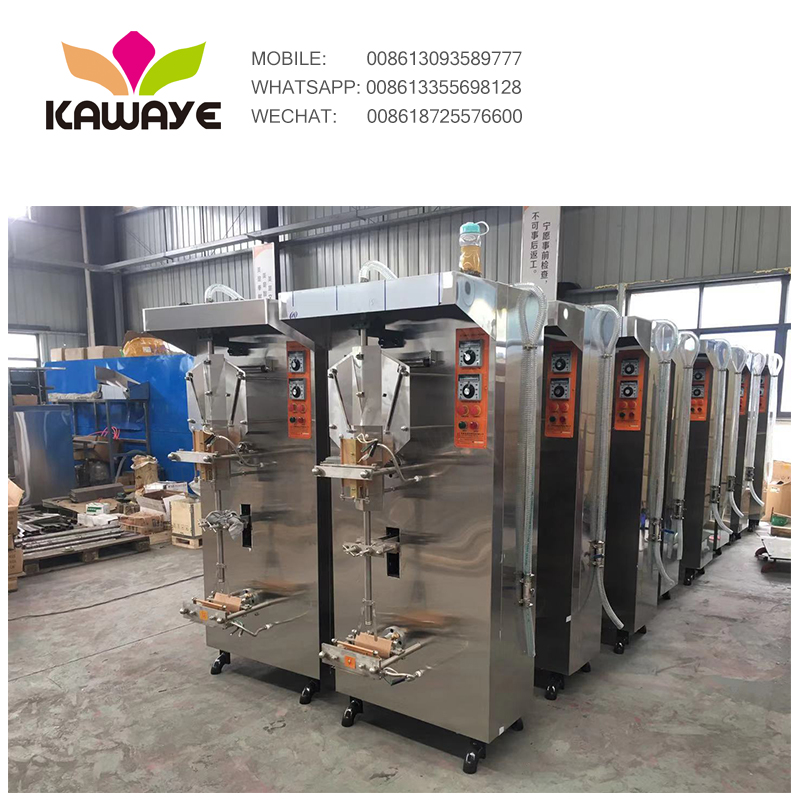
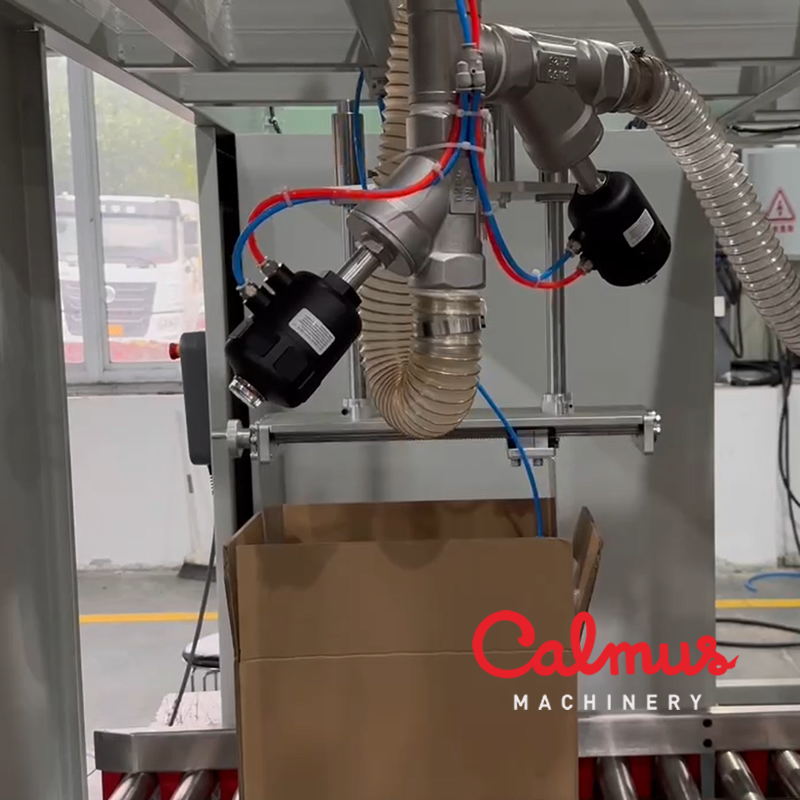
Source industrial-grade sealing machines from vetted manufacturers and suppliers across Asia. Tailored for importers, equipment distributors, and brands requiring reliable OEM production, our network delivers scalable packaging solutions. Access competitive wholesale pricing on systems designed for high-volume operational demands.
Sourcing industrial sealing machines requires balancing thermal precision with continuous mechanical durability. Whether you are integrating equipment into an automated packaging line or outfitting standalone fulfillment stations, the reliability of the heat seal directly dictates production yield and product shelf life. Securing the right machinery at scale means looking past the outer casing and dictating precise specifications for internal components.
Critical Specifications for High-Volume Sealing
The core function of any sealing machine relies on consistent temperature control, uniform pressure, and appropriate dwell time. When negotiating with manufacturers, stipulating the correct internal components is non-negotiable for industrial applications.
Standard off-the-shelf units often use mechanical thermostats and basic relays, which suffer from temperature fluctuation and rapid wear under continuous use. For professional-grade machinery, buyers must specify PID (Proportional-Integral-Derivative) temperature controllers paired with Solid State Relays (SSRs). This combination ensures the heating blocks maintain exact temperatures without the mechanical fatigue that leads to premature failure.
| Heater Block Material | Thermal Stability | Warm-Up Speed | Ideal Application |
|---|---|---|---|
| Aluminum | Moderate | Fast | Light-duty PE/PP films, low-volume runs |
| Brass / Copper Alloy | Excellent | Slower | Heavy laminates, high-speed continuous sealing |
Need help verifying the internal component quality of a prospective supplier?
Talk to our teamManufacturing Quality and Common Failure Points
Machinery from lower-tier factories often looks identical to premium equipment on the outside. The differences emerge on the factory floor during extended production runs. When evaluating suppliers, or conducting factory audits, focus on the mechanical tolerances and the quality of wear parts.
Component Verification Checklist
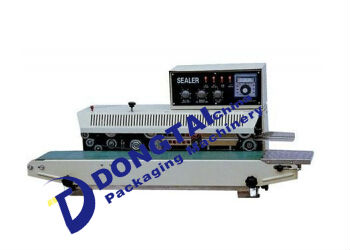
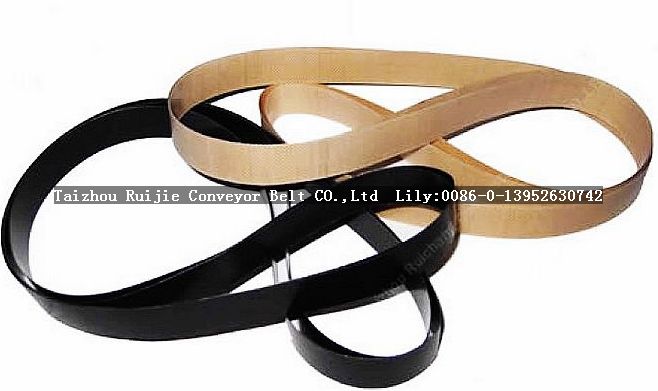
- PTFE (Teflon) Belts: Specify seamless belts for continuous sealers to prevent tracking issues and uneven seals.
- Motor Quality: Ensure the conveyor and sealing wheel motors are pure copper coil, ideally from recognized domestic or international brands.
- Cooling Mechanisms: Verify the presence of forced-air cooling blocks immediately following the heating zone to set the seal before mechanical stress is applied.
- Electrical Wiring: Demand neatly routed, heat-resistant wiring that complies with your target market's electrical standards.
Thorough quality control prior to shipment is vital. In-line and pre-shipment inspections should include continuous run testing for at least two hours to monitor temperature drift and motor heat generation, using the exact film thickness and material you intend to process.
Customization and OEM Integration
Many distributors and brands require modifications to standard models to fit specific workflows. Reliable manufacturers offer extensive OEM/ODM services, allowing you to customize the machinery. Common integrations include adding solid-ink date coders, nitrogen gas flush capabilities for food packaging, or upgrading to full stainless steel (SUS304) construction for cleanroom or washdown environments.
Clearly define the exact film structure (e.g., PE, BOPP, aluminum foil laminates) and total mil thickness during the RFQ phase, as this dictates the required motor torque and heating element wattage.
Sourcing Realities: MOQs, Pricing, and Lead Times
Because sealing machines range from simple tabletop impulse sealers to heavy-duty continuous band and vacuum systems, pricing and minimum order quantities vary significantly. Buying direct from the factory offers substantial margin improvements, provided you manage the procurement process effectively.
Optimize your machinery procurement and secure reliable factory-direct pricing.
Get a free consultationFrequently Asked Questions
Procuring industrial sealing machines is an investment in your operational efficiency. By dictating strict component standards and enforcing rigorous quality checks before the equipment leaves the factory, you protect your production line from costly bottlenecks and ensure a lower total cost of ownership.
Get Sourcing Help for Sealing Machines
Tell us your requirements and our experts will connect you with verified manufacturers.