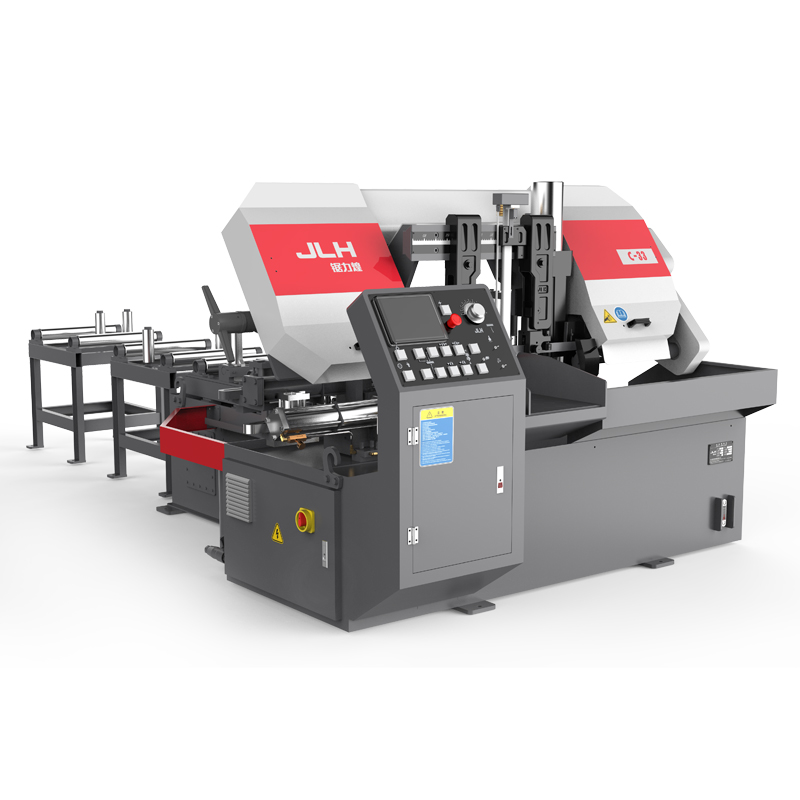
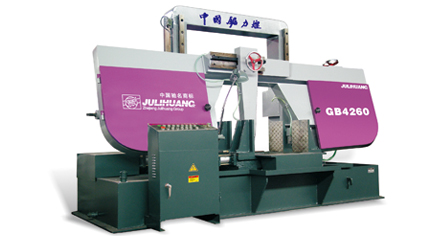
Sawing and Cutting-off Machines
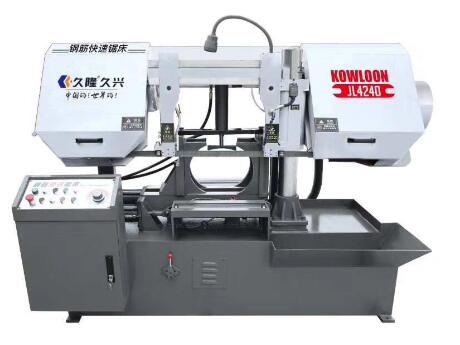
Source industrial-grade sawing and cutting-off machines directly from vetted manufacturers and wholesale suppliers. Built for importers, machinery distributors, and brands seeking reliable OEM production, our network delivers high-precision metal-cutting equipment designed for heavy-duty fabrication and manufacturing environments.
Sourcing industrial sawing and cutting-off machines requires navigating a complex landscape of structural engineering, motor durability, and precision machining. For metalworking environments, a saw is a foundational tool; if the bed flexes, the blade wanders, or the motor overheats during continuous shifts, production halts. Successfully importing these machines in bulk means looking past the spec sheet and verifying the manufacturer's casting quality, component sourcing, and assembly tolerances.
Critical Specifications for Heavy-Duty Cutting
When evaluating a factory's standard models or developing an OEM line, the core specifications dictate the machine's industrial viability. Buyers must establish strict baselines for these parameters to ensure the equipment survives continuous production environments.
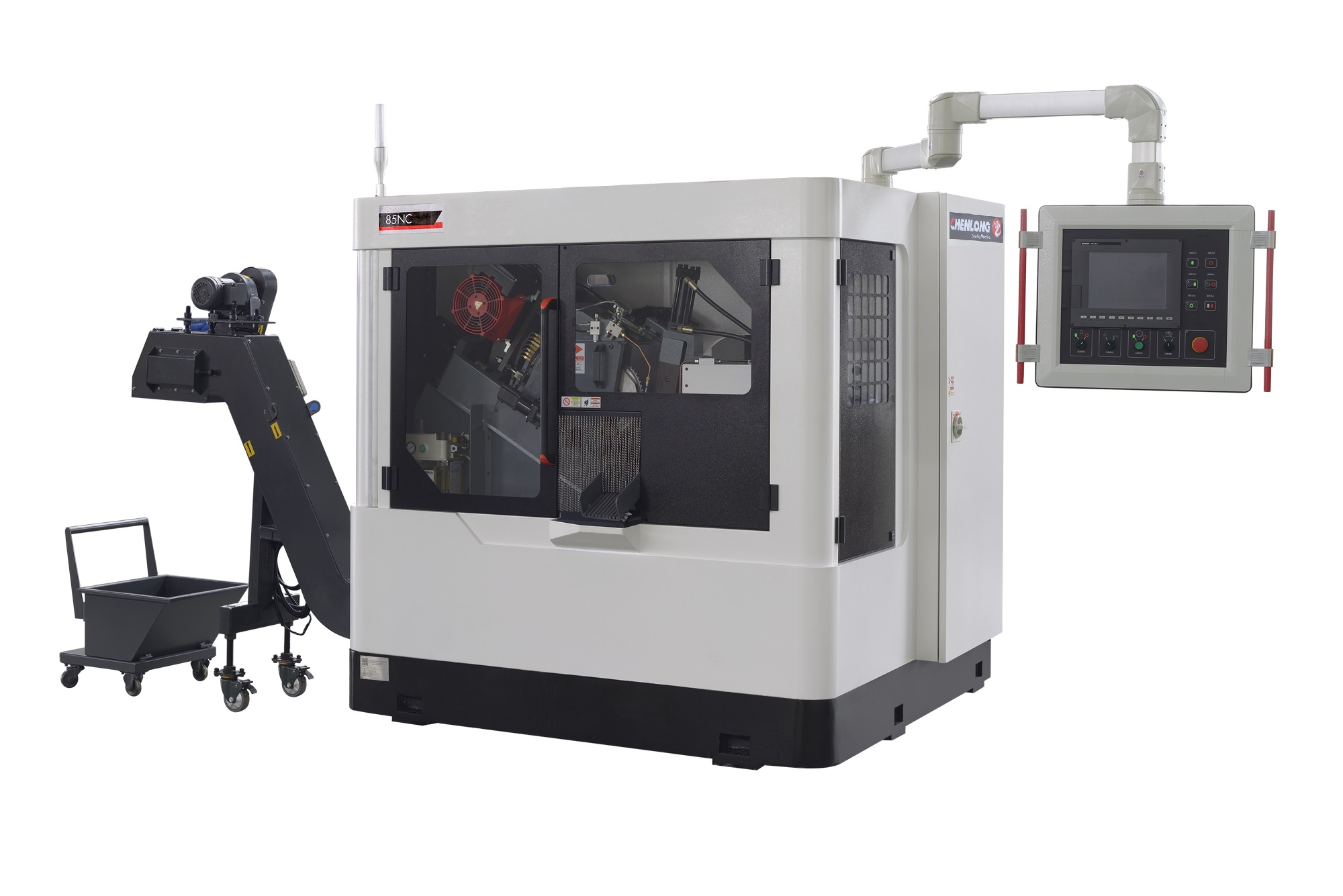
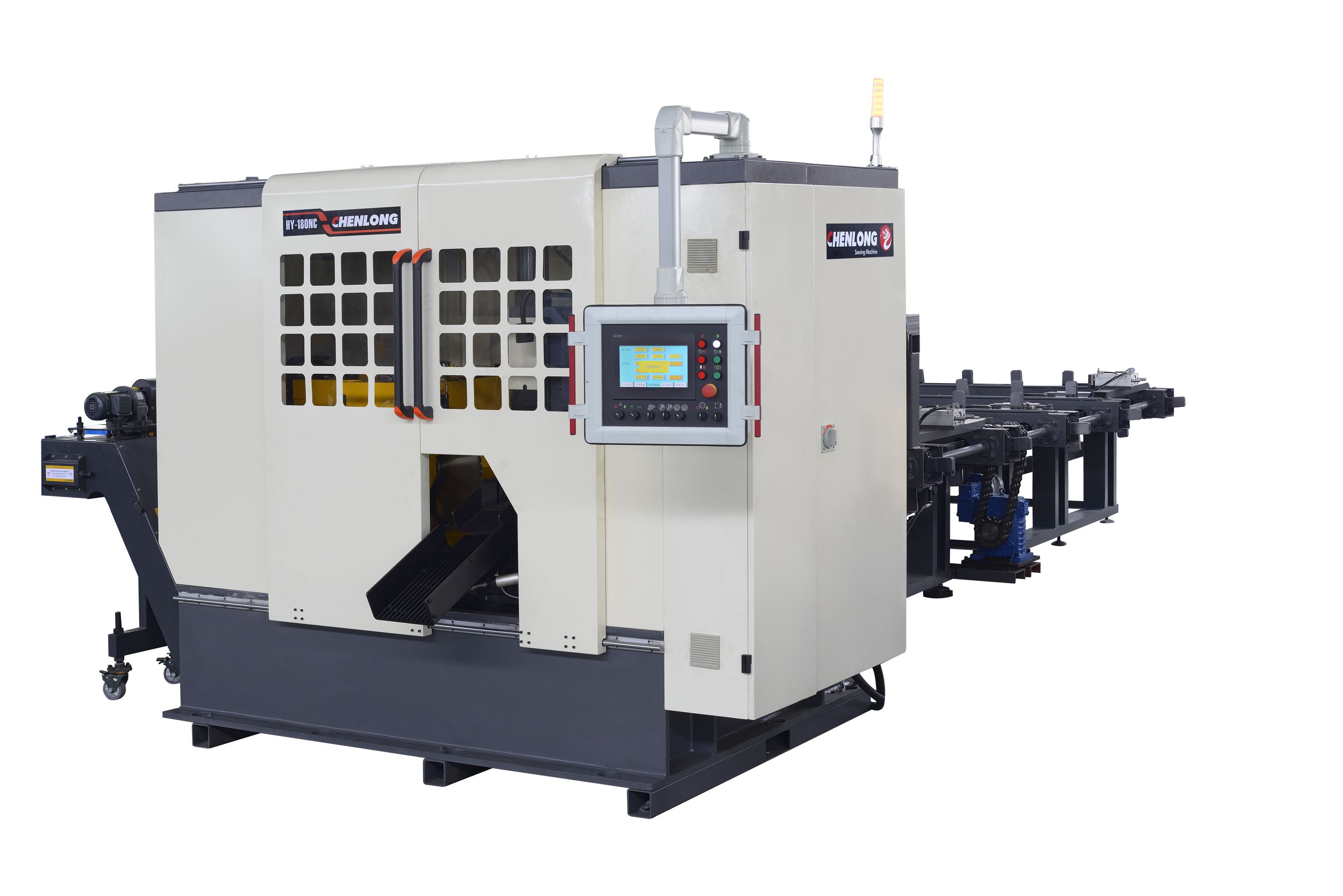
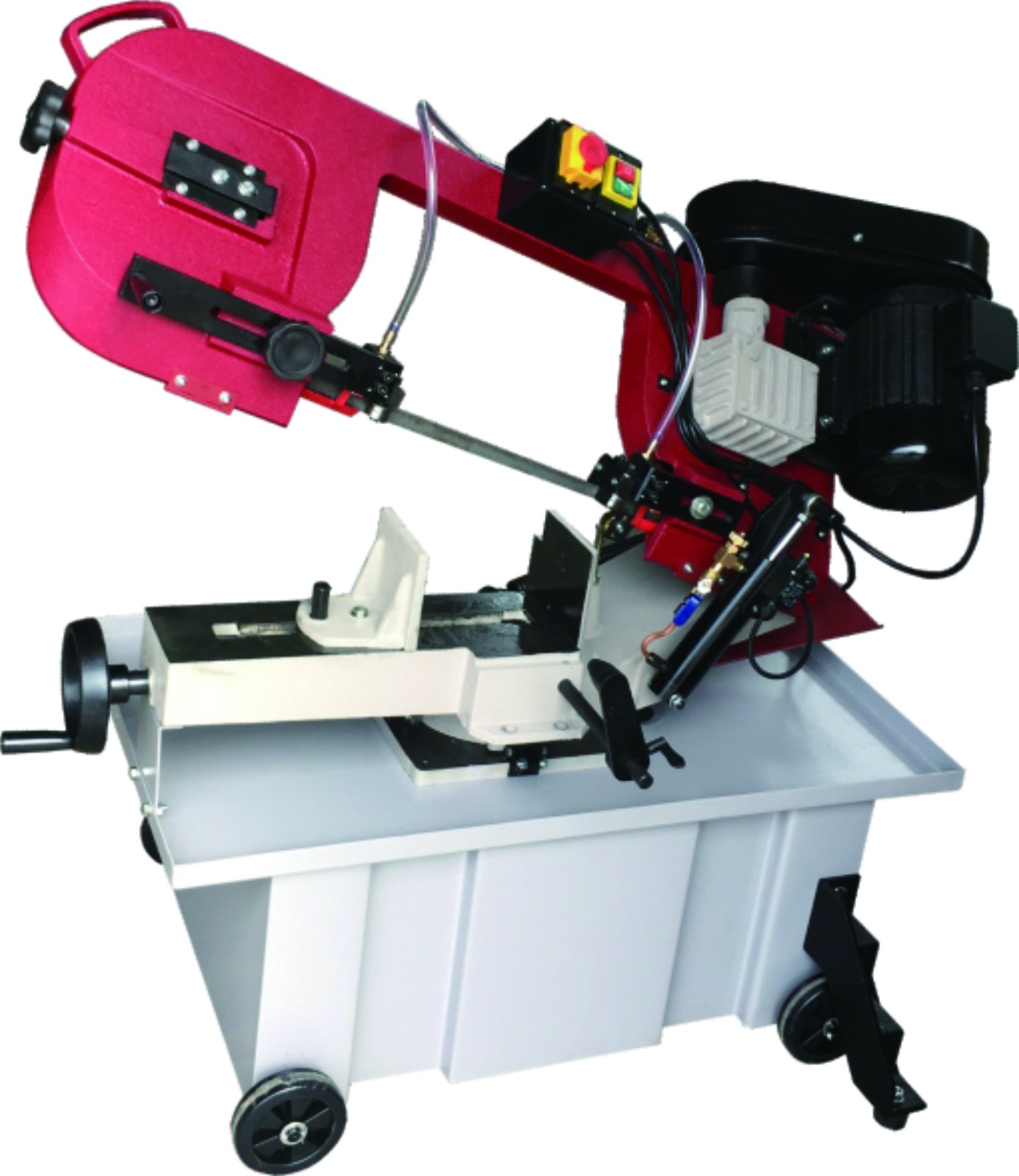
- Structural Rigidity: The machine base and bow (for band saws) must absorb significant vibration. Heavy cast iron is standard for industrial applications, while lighter welded steel frames are only suitable for intermittent or maintenance shop use.
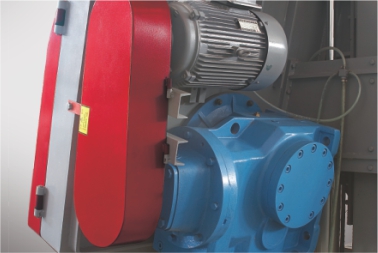
- Motor and Drive Systems: Specify continuous-duty motors (S1 rating) rather than peak-rated motors. Gear-driven transmissions typically offer better torque transfer for cutting solid bar stock compared to belt-driven systems, though they require precise gear machining to prevent premature wear.
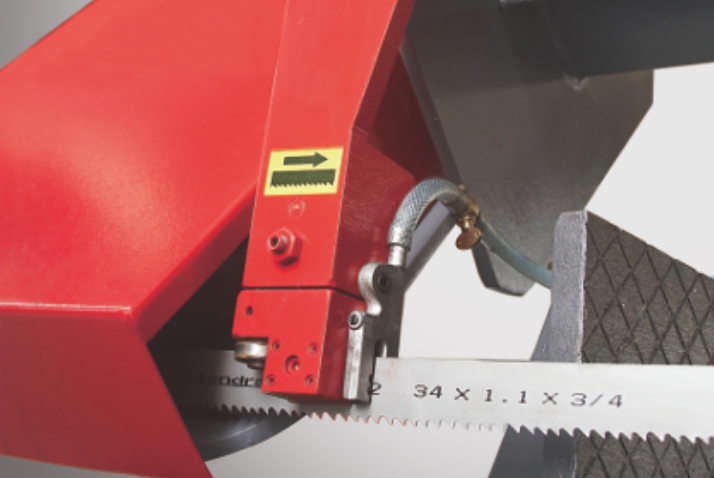
- Blade Tensioning and Tracking: For band saws, hydraulic tensioning systems provide consistent pressure, extending blade life and maintaining cut straightness. Manual tensioning is acceptable only on entry-level models.
- Coolant and Chip Management: High-volume cutting requires integrated, high-capacity flood coolant systems and efficient chip augers or conveyors.
Need help verifying a factory's engineering capabilities? Our sourcing engineers can evaluate supplier technical files and production readiness.
Discuss your technical requirementsManufacturing Tolerances and Quality Control
The visual appearance of a cutting-off machine rarely reveals its true quality. The difference between a premium machine and a failure-prone unit lies in the factory's machining tolerances and assembly procedures.
| Component | Standard / Light Industrial | Premium Heavy-Duty |
|---|---|---|
| Base Construction | Welded steel plate | Heavy ribbed cast iron |
| Blade Guides | Standard ball bearings | Tungsten carbide inserts |
| Vise System | Manual Acme thread | Hydraulic full-stroke clamping |
| Drive Mechanism | Step pulley / V-belt | Direct gear drive or VFD |
To avoid costly container-loads of defective machinery, robust Quality Control & Inspection is mandatory. Key inspection points should include:
Pre-Shipment Inspection Focus Areas
- Spindle and drive wheel runout (must be under 0.02mm for precision models)
- Perpendicularity and parallelism of the vise to the cutting blade
- Motor temperature rise during a continuous 60-minute load test
- Coolant pump pressure and fluid recovery efficiency
- Electrical safety compliance (CE/UL/CSA) including emergency stop circuits
Relying solely on a supplier's internal QC is a risk. Conducting independent Factory Audits before placing an order ensures the manufacturer actually possesses the heavy CNC gantry mills required to machine the cast bases flat and true.
Production Realities: MOQ, Pricing, and Lead Times
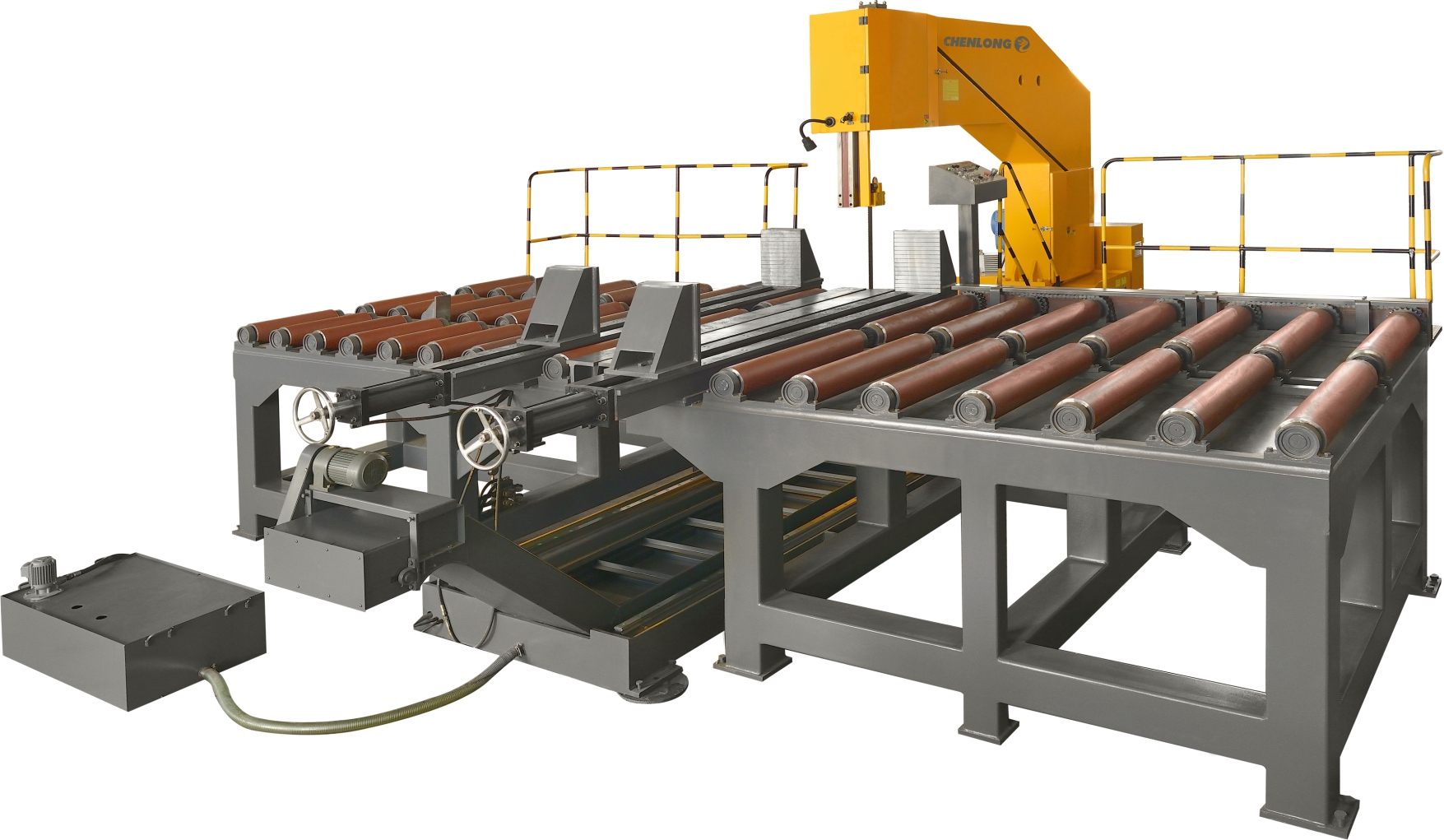
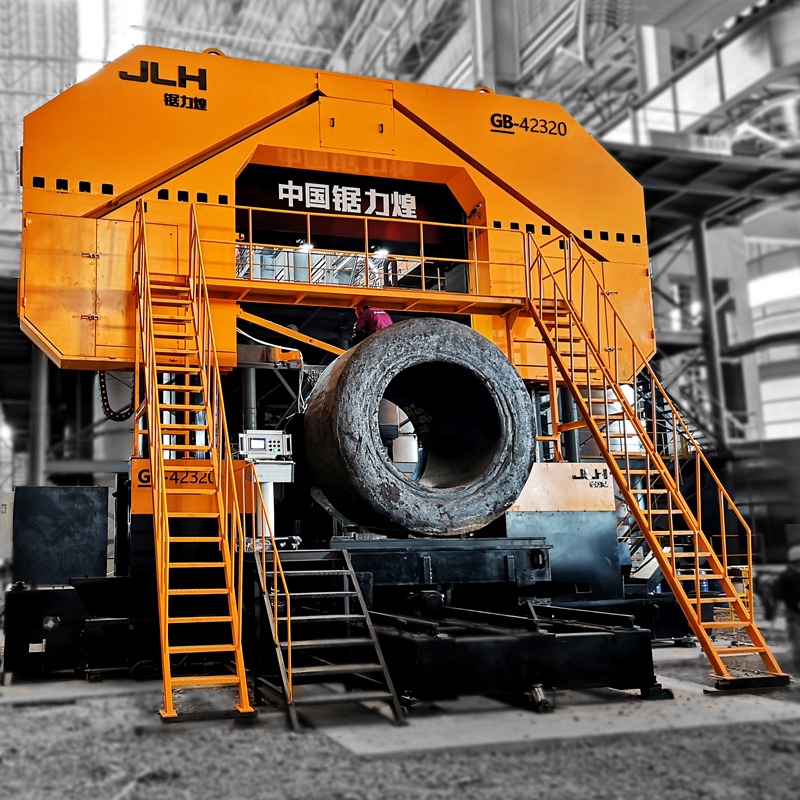
Because sawing and cutting-off machines range from compact benchtop units to massive dual-column band saws, production metrics vary wildly.
Pricing is highly sensitive to raw material costs (specifically cast iron and copper for motors) and the origin of critical components. Machines utilizing Japanese or Taiwanese bearings, PLCs, and VFDs will carry a premium but drastically reduce warranty claims for the distributor.
Given the weight and footprint of these machines, logistics planning is as critical as the manufacturing itself. Poor container loading can result in cracked castings or bent feed tables. Coordinating Shipping & Freight with a partner experienced in heavy machinery ensures proper crating, blocking, and bracing within the container.
Looking to optimize your container loading and reduce landed costs for heavy machinery? Talk to our freight team.
Get a logistics assessmentFrequently Asked Questions
Sourcing industrial sawing and cutting-off machines is an exercise in risk management. Success depends on identifying manufacturers who prioritize structural rigidity and precision machining over cosmetic appeal. By enforcing strict tolerances and validating factory capabilities before production begins, importers can build a resilient, profitable machinery supply chain.
Get Sourcing Help for Sawing and Cutting-off Machines
Tell us your requirements and our experts will connect you with verified manufacturers.