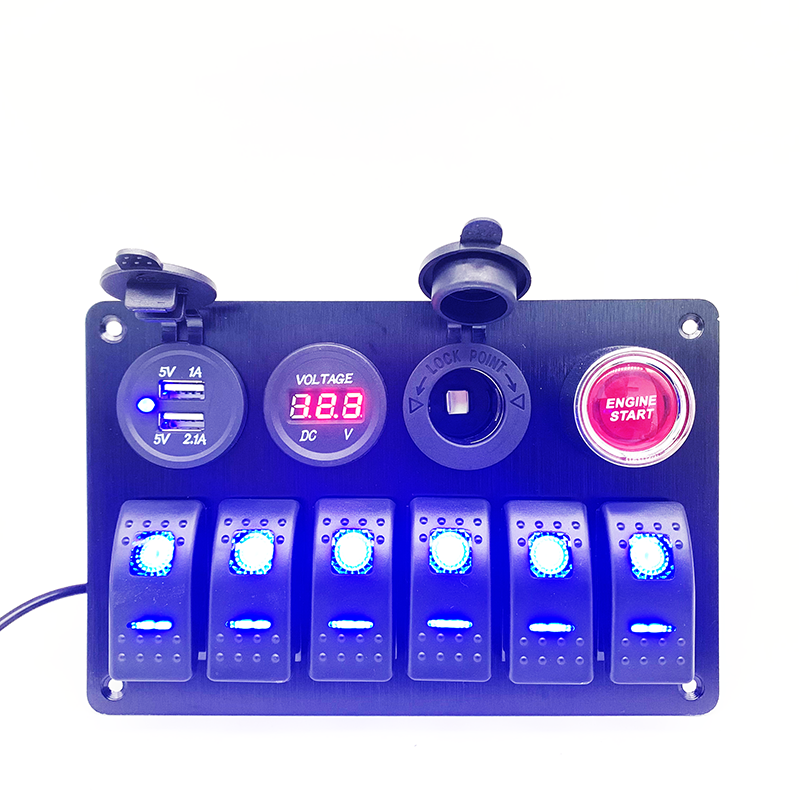
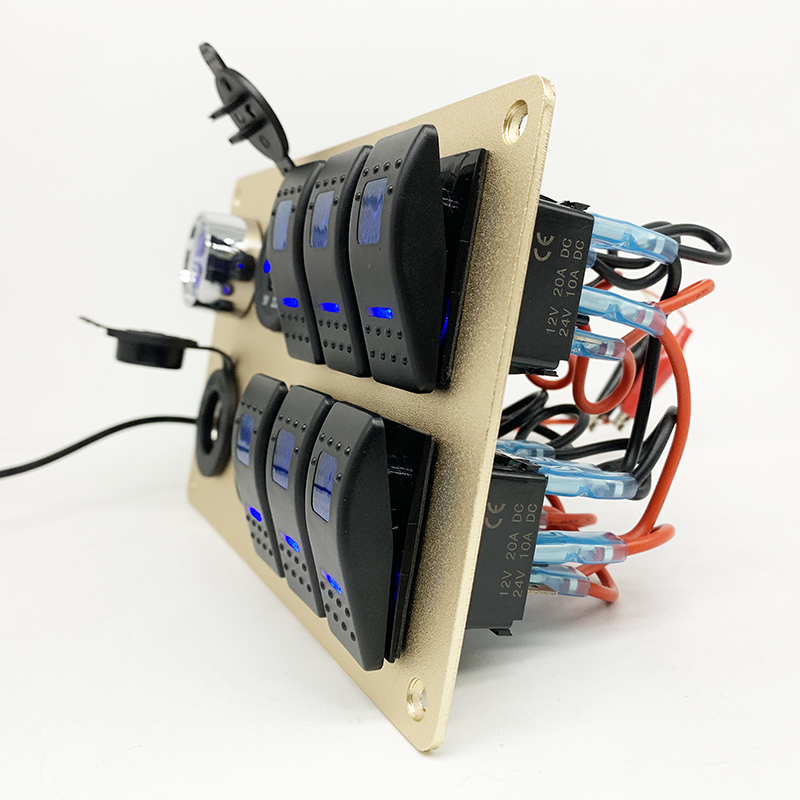
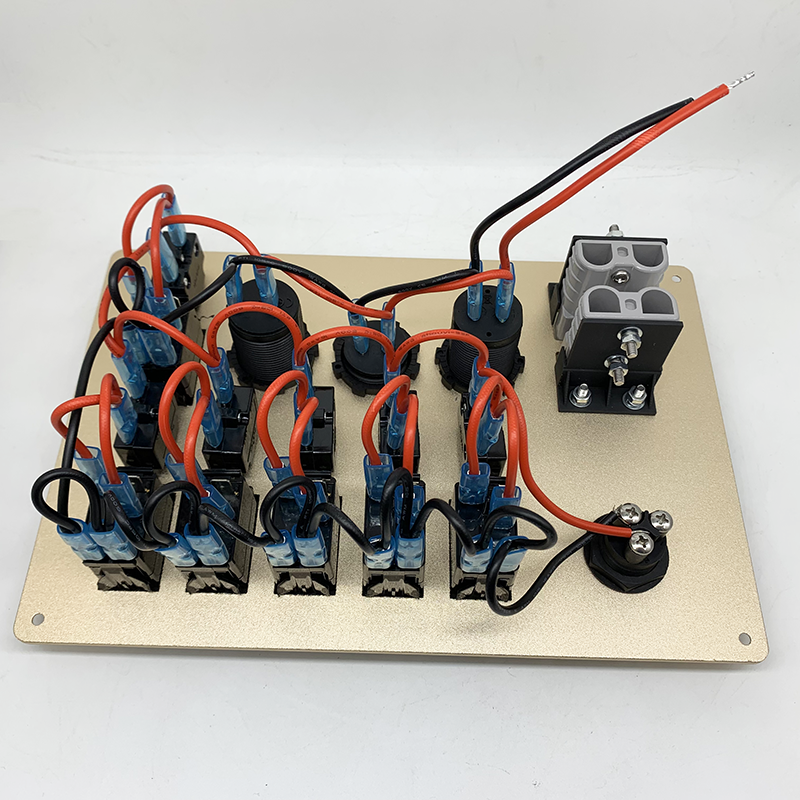
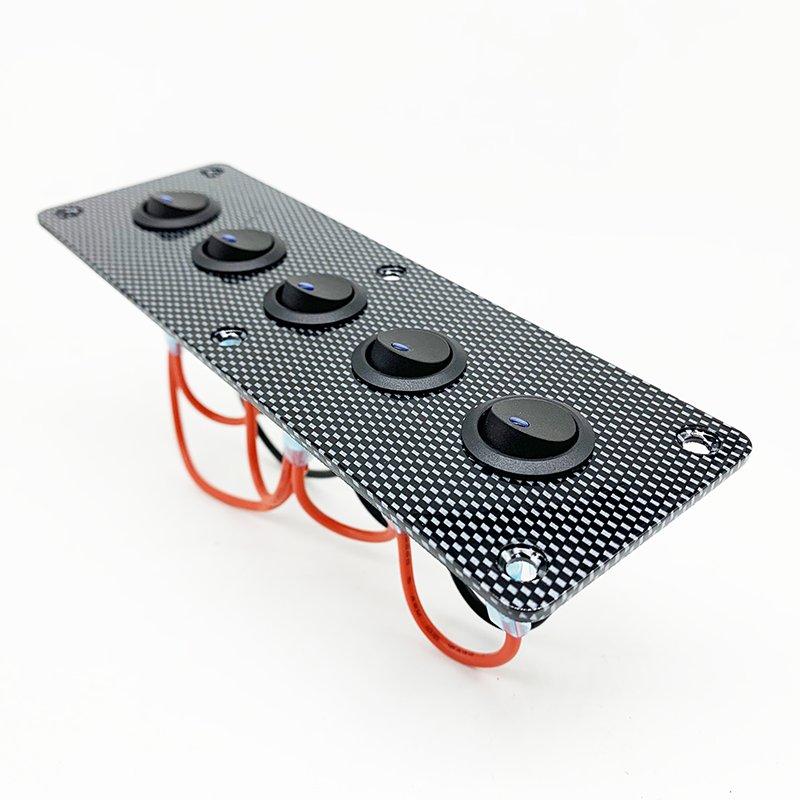
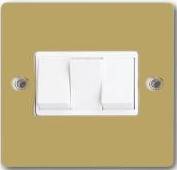
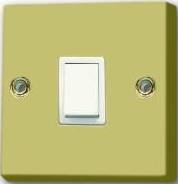
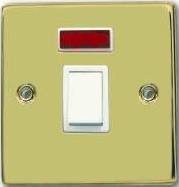
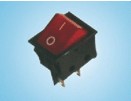
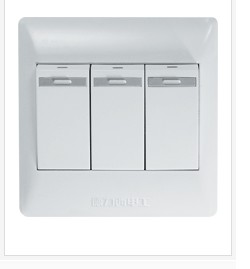
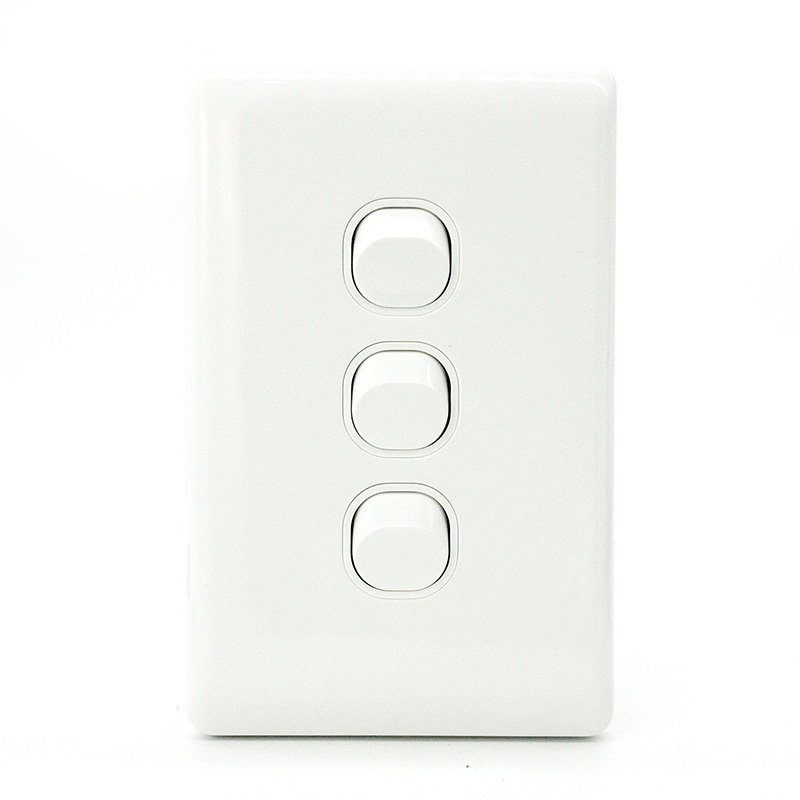
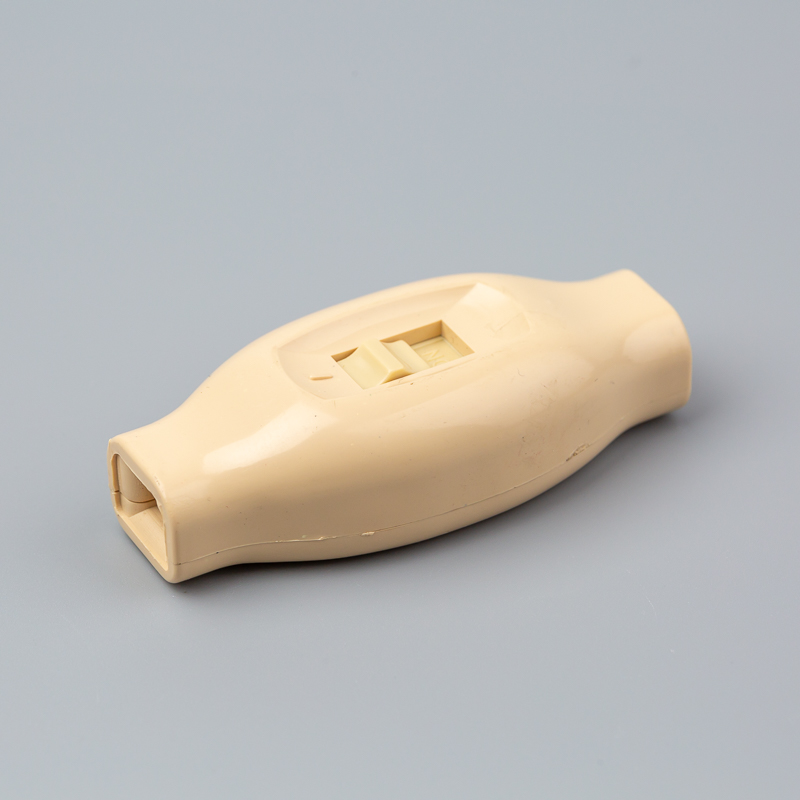
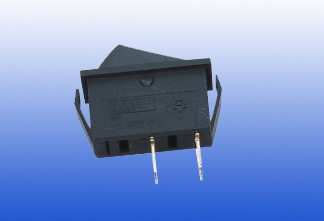
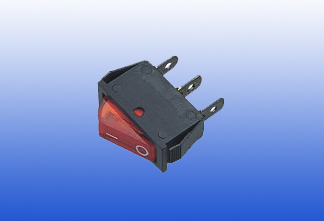
Rocker Switches
Source wholesale rocker switches from vetted manufacturers and suppliers across Asia. Designed for electrical component distributors, bulk importers, and brands seeking reliable OEM production, our catalog connects you with high-quality, compliant switches ready for volume procurement.
Sourcing rocker switches in commercial volumes requires balancing mechanical longevity with strict electrical safety standards. Because these components often serve as the primary user interface and power disconnect for appliances, industrial machinery, and automotive applications, a failure in the field is highly visible and potentially dangerous. The core procurement challenge lies in matching the exact electrical ratings, panel cutout dimensions, and regional certifications to your application without overpaying for unnecessary specifications.
Critical Specifications for Volume Buyers
When ordering rocker switches directly from manufacturers, standardizing your specification sheet prevents costly misunderstandings. Factories often default to the cheapest internal components if exact materials are not specified.
Contact Materials and Internal Construction
The lifespan and safety of a rocker switch are dictated by its internal contacts. Standard commercial switches often use brass or copper contacts, which are sufficient for low-current applications. However, for high-inrush currents or inductive loads (like motors), silver alloy contacts (such as Silver Tin Oxide) are mandatory to prevent micro-welding and arcing.
Similarly, the housing material must meet the flammability requirements of your target market. Ensure the factory uses Nylon 66 or Polycarbonate rated to UL94 V-0 rather than cheaper, non-flame-retardant plastics.
| Component | Standard Commercial | Industrial / High-Inrush |
|---|---|---|
| Contact Material | Brass or Copper | Silver Alloy (AgSnO2) |
| Housing Plastic | Standard Nylon | Nylon 66 (UL94 V-0) |
| Mechanical Life | 10,000 cycles | 50,000+ cycles |
| Terminals | Tin-plated brass | Silver-plated copper |
Electrical Ratings and Approvals
A switch rated for 16A at 250VAC is not automatically suitable for 16A at 12VDC or 24VDC. DC currents sustain arcs much longer than AC currents, rapidly degrading contacts if the switch is not specifically designed for DC loads. Always specify the exact load type (resistive, inductive, or capacitive) and operating voltage.
Furthermore, regional certifications are non-negotiable. A supplier claiming "UL compliant" is not the same as holding a valid UL file number. When evaluating suppliers, conducting thorough factory audits is essential to verify that their production lines actually use the certified materials listed in their regulatory documents.
Need help verifying supplier certifications and production capabilities?
Talk to our teamManufacturing Tolerances and Quality Control
The physical feel of a rocker switch—its tactile feedback and actuation force—is a direct result of manufacturing precision. Inconsistent spring tension or poorly molded pivot points result in switches that feel "mushy" or get stuck mid-actuation.
When assessing a factory's capability, pay attention to their injection molding and automated assembly lines. Manual assembly of rocker switches often leads to inconsistent contact alignment, which severely impacts the switch's electrical life.
Key Focus Areas for Factory Inspections
- Verify automated riveting machines are used for contact points to ensure consistent pressure.
- Check injection molding tooling for flash, which can impede the rocker's mechanical movement.
- Ensure 100 percent end-of-line testing for continuity and dielectric withstand voltage (hipot).
- Confirm that illuminated switches are tested for LED/neon functionality at the specified voltage.
Navigating international safety standards requires rigorous compliance testing. Whether you need UL for North America, ENEC/VDE for Europe, or CQC for China, ensuring the factory can provide valid test reports for your specific switch configuration is a critical step before issuing a purchase order.
Sourcing Economics: Pricing, MOQs, and Lead Times
The cost of rocker switches is heavily influenced by the spot price of silver and copper, as well as the complexity of the switch (e.g., DPST vs. SPDT, illumination, IP65 weatherproofing).
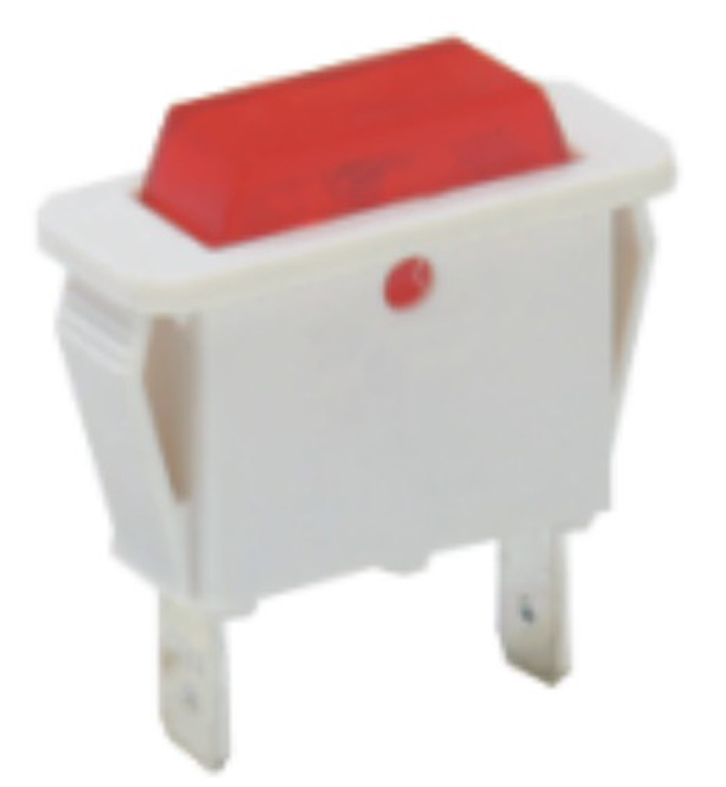
Standard snap-in rocker switches for common panel cutouts (like 21mm x 15mm or 30mm x 22mm) benefit from massive economies of scale. Customizing the actuator color, adding specific laser-etched legends, or requesting non-standard terminal types (like screw terminals instead of quick-connect spades) will increase both the price and the Minimum Order Quantity (MOQ).
Looking to optimize your component pricing and consolidate shipments?
Get a free consultationFrequently Asked Questions
Procuring reliable rocker switches in bulk is about managing the details—from contact alloys to regulatory compliance. Implementing strict quality control protocols before the components leave the factory ensures your assembly lines run smoothly and your final products remain safe in the field.
Get Sourcing Help for Rocker Switches
Tell us your requirements and our experts will connect you with verified manufacturers.