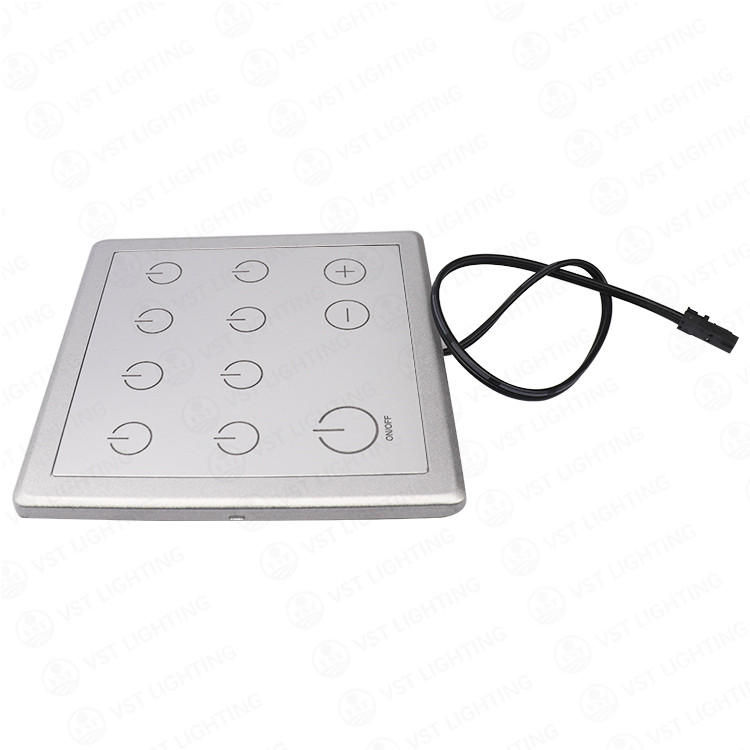
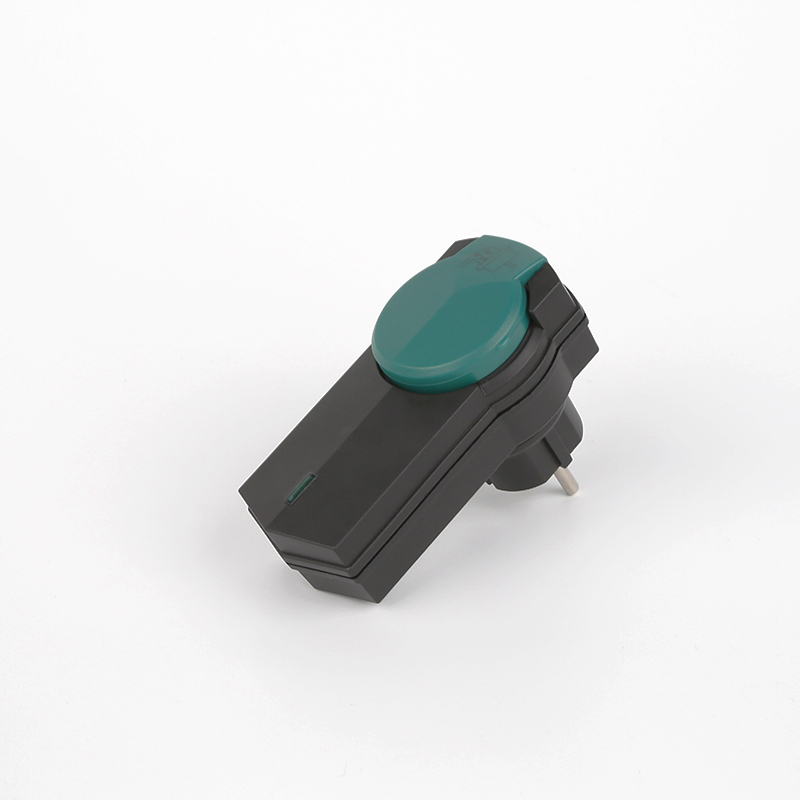
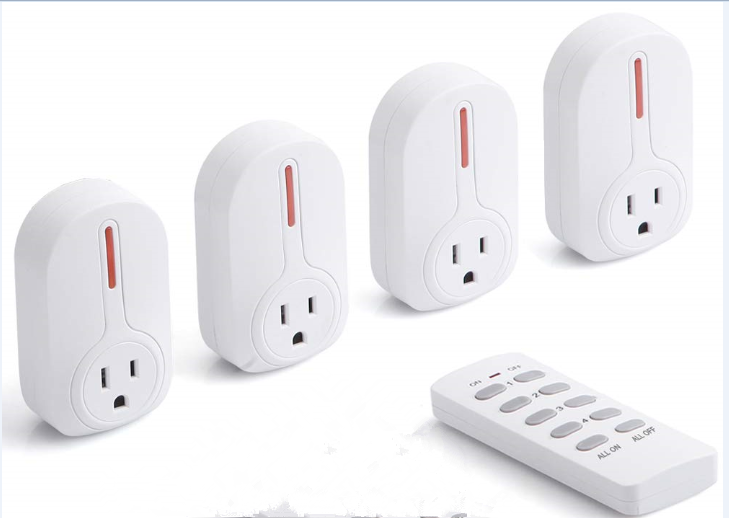
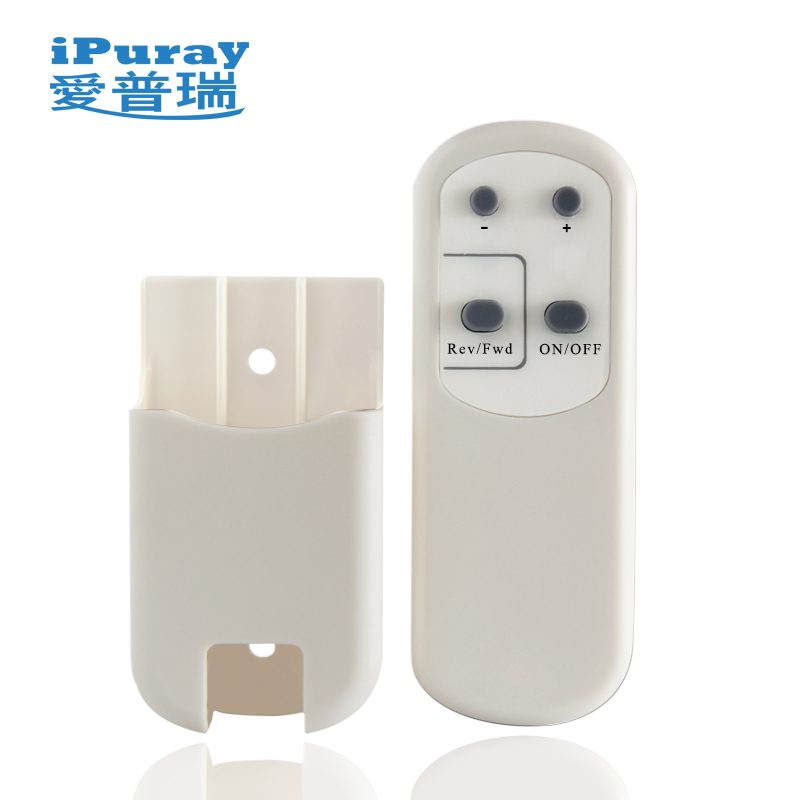
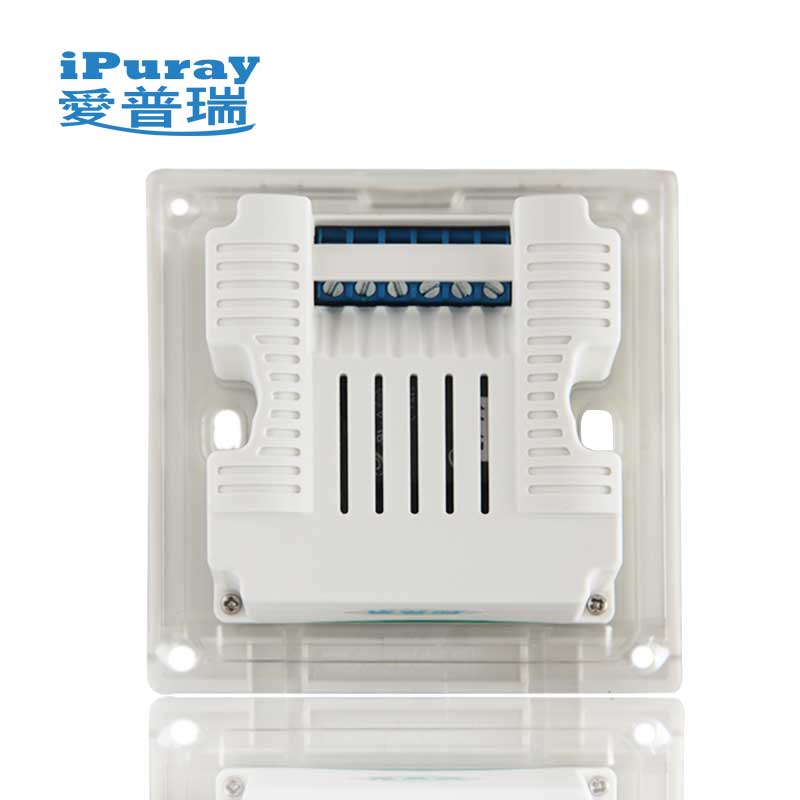
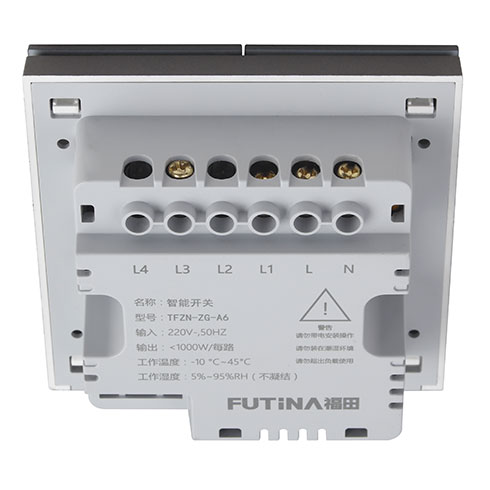
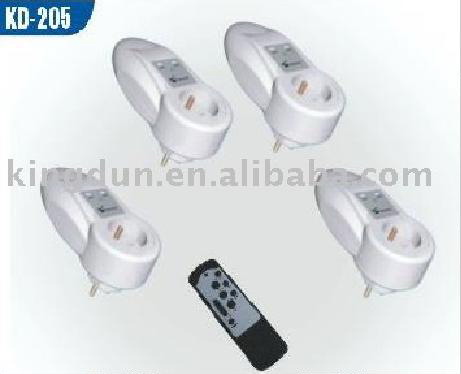
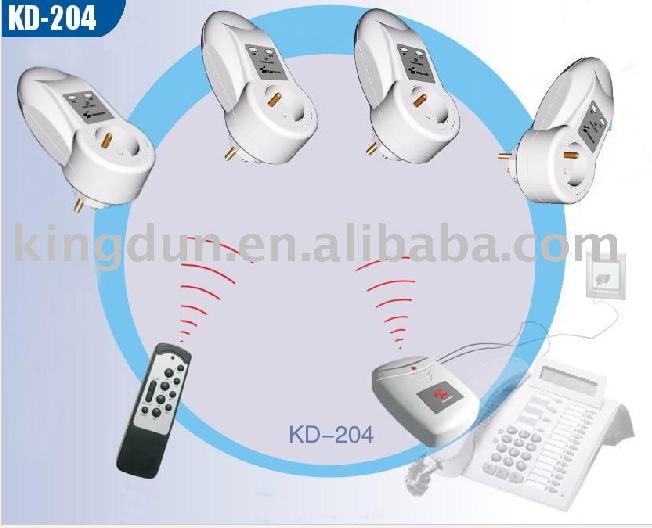
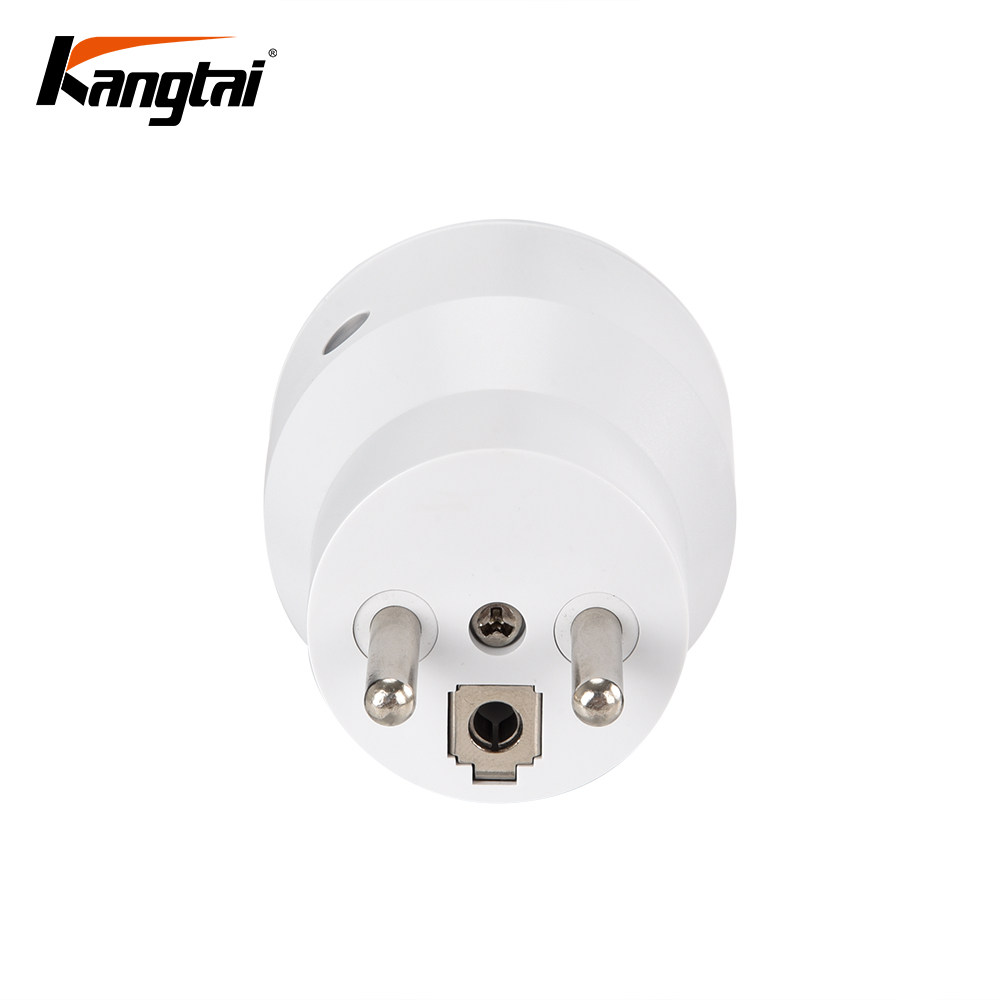
Remote Control Switches
Source high-quality remote control switches directly from vetted manufacturers and suppliers. Designed for importers, wholesalers, and brands seeking reliable OEM/ODM production, our factory-direct catalog offers scalable solutions for bulk purchasing, ensuring competitive pricing, strict quality compliance, and reliable RF performance.
Sourcing remote control switches at scale requires moving past basic functionality and examining the underlying architecture of the device. The reliability of these switches—whether they operate via 433MHz RF, IR, Wi-Fi, or Zigbee protocols—depends entirely on relay durability, signal stability, and the quality of the PCB assembly. A minor flaw in RF calibration or a substandard relay can lead to unacceptable failure rates in the field.
For procurement professionals, the priority is identifying manufacturers capable of consistent component sourcing, strict assembly tolerances, and verifiable regulatory compliance for your target market.
Critical Specifications for Bulk Procurement
When specifying remote control switches with a supplier, clarity on electrical and transmission parameters prevents catastrophic failures, particularly when dealing with inductive loads.
- Relay Capacity vs. Actual Load: Standard switches often advertise a 10A or 30A relay. However, buyers must differentiate between resistive and inductive loads. A 10A relay may handle a 10A heater (resistive), but an electric motor (inductive) with a high inrush current can weld the relay contacts if not properly de-rated. Specify the exact application to the manufacturer.
- Operating Frequency & Range: The 433MHz and 315MHz bands are standard for basic RF switches, offering good penetration through walls. Range claims (e.g., "100 meters") are typically tested in open-air environments. In real-world applications, this is often reduced by 40 to 60 percent.
- Standby Power Consumption: For battery-operated transmitters or energy-conscious receivers, standby current must be specified. High-efficiency ICs should draw less than 10mA in standby.
| Encoding Protocol | Security Level | Typical Application |
|---|---|---|
| Fixed Code (e.g., PT2262) | Low | Basic lighting, low-risk environments |
| Learning Code (e.g., EV1527) | Medium | Standard home automation, generic switching |
| Rolling Code (e.g., HCS301) | High | Security gates, access control, garage doors |
Struggling to find a supplier that meets your exact technical specifications? Let us match you with a vetted manufacturer.
Talk to our teamManufacturing Quality & Supplier Verification
The gap between a sample unit and mass production is where most sourcing projects fail. Quality control in remote control switch manufacturing comes down to component authenticity and assembly precision.
PCB and Assembly Standards
Many low-cost suppliers cut corners by using thinner PCB materials (e.g., 1.2mm instead of standard 1.6mm FR4) or counterfeit relays. Cold solder joints on the relay pins or antenna connections are common causes of premature failure. Implementing strict Quality Control & Inspection during production ensures that soldering meets IPC standards and that component BOMs (Bill of Materials) match the approved sample.
RF Calibration and Testing
Inconsistent transmission range across a batch is a hallmark of poor factory calibration. Reliable manufacturers use spectrum analyzers and shielded RF testing boxes on the assembly line to verify signal strength and frequency accuracy.
Factory Audit Focus Areas for RF Switches
- Verify the authenticity of relays (e.g., genuine Songle, Omron, or Hongfa).
- Check for dedicated RF testing equipment on the production line.
- Inspect the PCB layout for proper isolation between high-voltage and low-voltage traces.
- Review burn-in testing procedures for receiver units (typically 12 to 24 hours).
To ensure the supplier actually possesses these capabilities, conducting professional Factory Audits before placing a deposit is highly recommended.
Regulatory Compliance & Certifications
Remote control switches operate on radio frequencies and handle mains voltage, making them subject to strict regulatory oversight.
- North America: Devices must comply with FCC Part 15 (for RF emissions) and UL/ETL standards if they are hardwired into building infrastructure.
- Europe: The Radio Equipment Directive (RED), CE, and RoHS compliance are mandatory.
Customs agencies frequently seize non-compliant RF devices. If you are customizing the firmware or housing through OEM/ODM Services, the modified product will likely require new certification testing. Managing this through expert Compliance & Testing partners prevents costly border delays.
MOQs, Lead Times, and Pricing Dynamics
Pricing is heavily influenced by the quality of the internal components. A switch utilizing a genuine 30A Hongfa relay and a high-stability superheterodyne receiver module will cost significantly more than one using generic components and a basic super-regenerative circuit.
When negotiating, be aware that suppliers quoting prices substantially below the market average are almost certainly substituting inferior relays or recycled ICs.
Need realistic pricing and lead times for your next bulk order? We can help you navigate supplier negotiations.
Get a free consultationFrequently Asked Questions
Successfully sourcing remote control switches requires balancing electrical safety, RF performance, and component longevity. By defining strict technical parameters upfront and verifying factory capabilities, you can secure reliable products that protect your brand's reputation in the field.
Get Sourcing Help for Remote Control Switches
Tell us your requirements and our experts will connect you with verified manufacturers.