Relays
Source high-quality industrial relays from vetted manufacturers and wholesale suppliers in China and across Asia. Designed for electrical distributors, procurement managers, and OEM brands buying in bulk, our network ensures competitive pricing, rigorous quality control, and reliable long-term performance.
Sourcing industrial controls at scale requires a precise balance between unit cost and component reliability. Because relays serve as the critical switching mechanism in everything from HVAC systems to automated manufacturing equipment, a failure rate of even a fraction of a percent can lead to catastrophic system downtime and costly warranty claims. When buying in bulk, success depends on specifying the exact contact materials, verifying coil tolerances, and ensuring the factory has the automated infrastructure to maintain consistency across runs of tens of thousands of units.
Core Specifications for Volume Buyers
When negotiating with manufacturers, vague specifications invite cost-cutting. Factories may substitute cheaper contact alloys or reduce copper winding density if exact parameters are not defined in your purchase order.
To ensure consistent performance, your RFQ must clearly define:
- Coil Voltage and Power: Specify the exact nominal voltage (e.g., 12VDC, 24VDC, 120VAC) and the maximum allowable coil power consumption (expressed in W for DC or VA for AC).
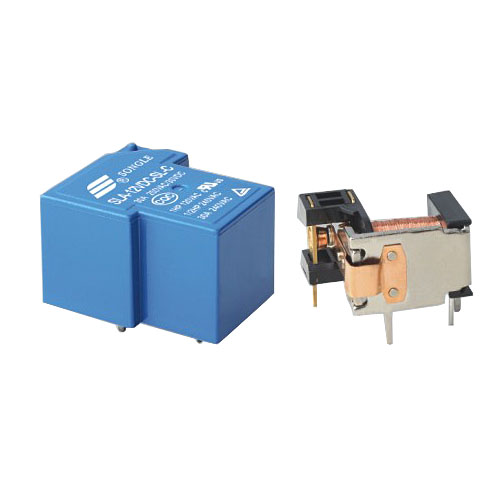
- Contact Rating and Configuration: Define the maximum switching voltage and current (e.g., 10A at 250VAC) and the arrangement (SPST, SPDT, DPDT).
- Dielectric Strength: Specify the required isolation voltage between the coil and contacts (typically 4000V or 5000V for industrial applications) to prevent arcing.
- Operational Life: Demand separate ratings for mechanical life (often 10 million cycles) and electrical life (typically 100,000 cycles at full load).
The Importance of Contact Materials
The alloy used on the relay contacts dictates its suitability for specific loads and is a primary driver of unit cost.
| Material | Best Application | Key Characteristics |
|---|---|---|
| AgNi (Silver Nickel) | Resistive loads, general purpose | Good electrical wear resistance, stable contact resistance. |
| AgSnO2 (Silver Tin Oxide) | Inductive/Capacitive loads, high inrush | Excellent resistance to contact welding, ideal for motor controls. |
| AgCdO (Silver Cadmium Oxide) | Legacy heavy-duty switching | Being phased out due to RoHS compliance; replace with AgSnO2. |
Need help matching component specifications to your target price point? Let's review your technical requirements.
Talk to our teamManufacturing Quality and Factory Vetting
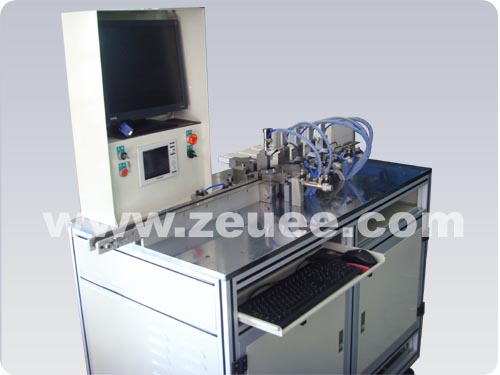
The difference between a premium relay and a failure-prone unit is often found in the factory's level of automation. Hand-wound coils are susceptible to inconsistent tension, leading to varied coil resistance and overheating. Similarly, manual contact riveting can result in slight misalignments that drastically reduce the electrical lifespan of the relay.
When evaluating a new supplier, it is highly recommended to conduct comprehensive factory audits to verify their production lines. Look for fully automated coil winding machines, automated contact riveting, and in-line testing stations that check pull-in/drop-out voltage on 100 percent of the units before sealing.
Critical Defect Checks
Implementing strict quality control protocols is essential before shipment. Your inspection plan should include:
Pre-Shipment Relay Inspection Criteria
- Verify pull-in and drop-out voltages against specification tolerances.
- Measure contact resistance (must remain under 50mΩ for standard industrial relays).
- Perform dielectric withstand testing (Hi-Pot test) between coil and contacts.
- Inspect potting and sealing integrity for wash-tight or dust-proof (IP67) models.
- Confirm permanent laser marking or printing of specifications and certifications.
Compliance and Certification
Industrial controls face stringent regulatory requirements. A relay without the proper certifications is a massive liability. Ensure your manufacturer can provide valid, verifiable test reports for UL (Underwriters Laboratories) for the North American market, or CE and TUV for European markets. Furthermore, ensure all materials comply with RoHS directives, particularly regarding the absence of cadmium in the contact alloys. Navigating these requirements often requires dedicated compliance testing to verify the factory's claims.
Pricing, MOQs, and Lead Times
Pricing for relays is heavily dependent on the global copper and silver markets, as well as the specific contact alloy and sealing type required.
Custom configurations, such as specific coil voltages or specialized pin layouts, will push MOQs higher (often 10,000 pieces or more) to justify the setup costs on automated production lines.
Ready to optimize your relay supply chain? We can help you negotiate better terms and secure reliable production capacity.
Get a free consultationFrequently Asked Questions
Successfully sourcing industrial relays requires looking past the unit price and scrutinizing the factory's automation capabilities, raw material supply chain, and quality assurance protocols. By defining exact specifications and enforcing strict pre-shipment testing, you can secure reliable components that protect your brand's reputation in the field.
Get Sourcing Help for Relays
Tell us your requirements and our experts will connect you with verified manufacturers.