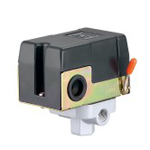
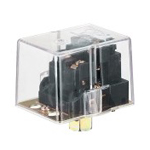
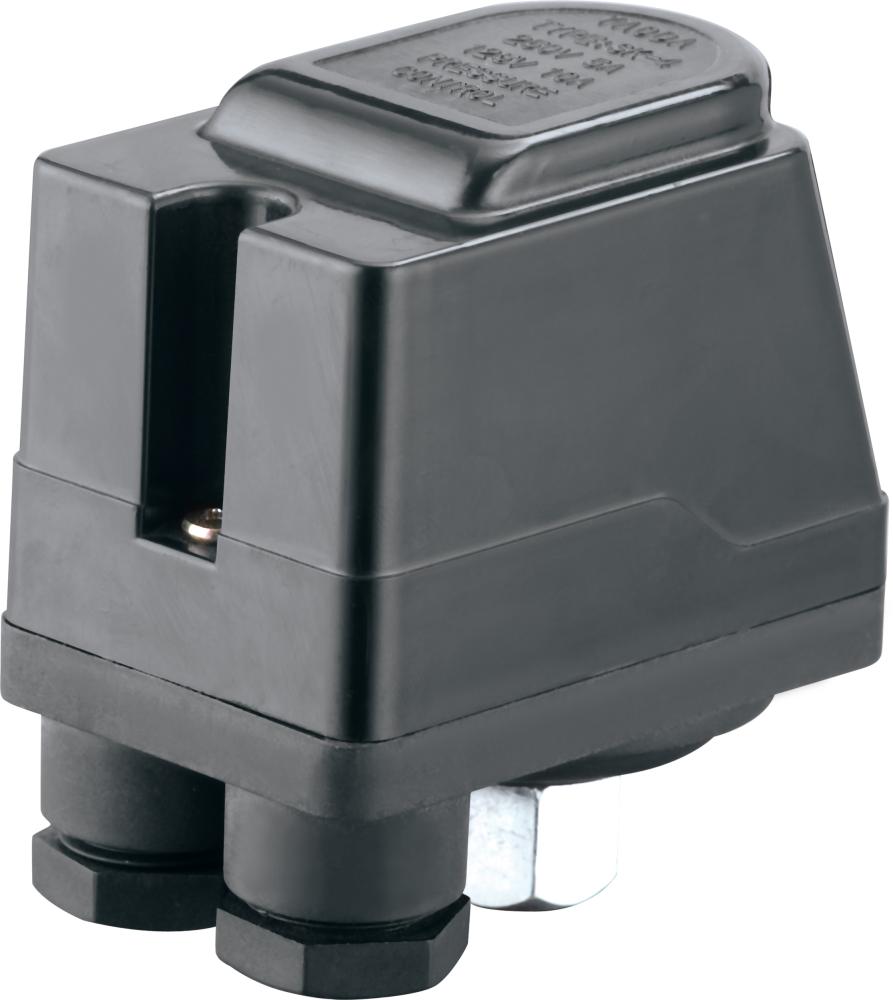
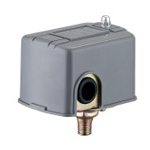
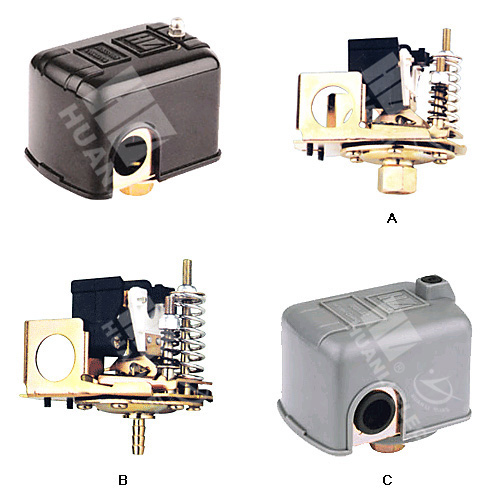
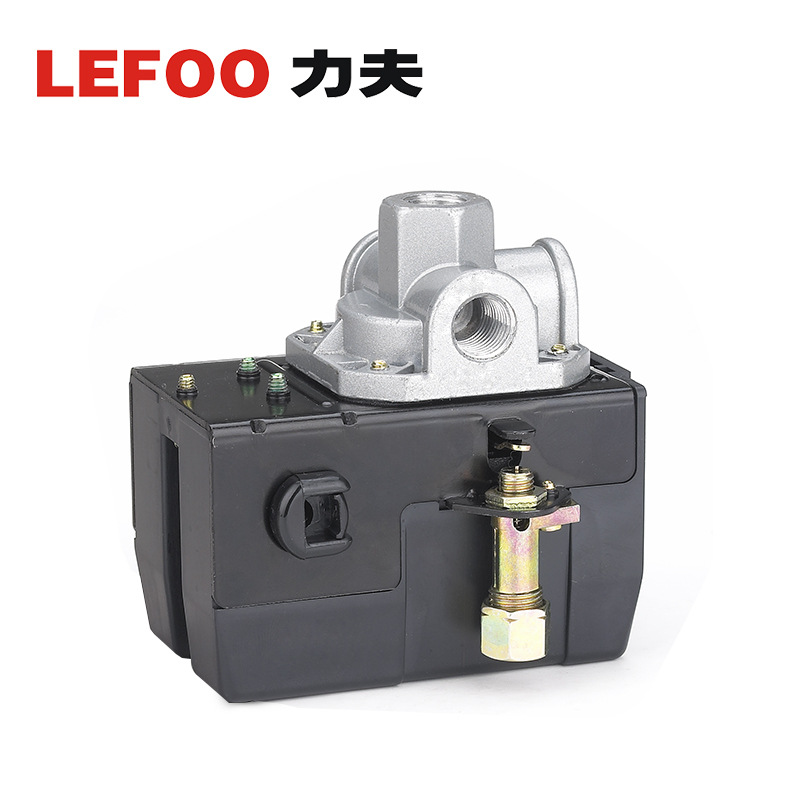
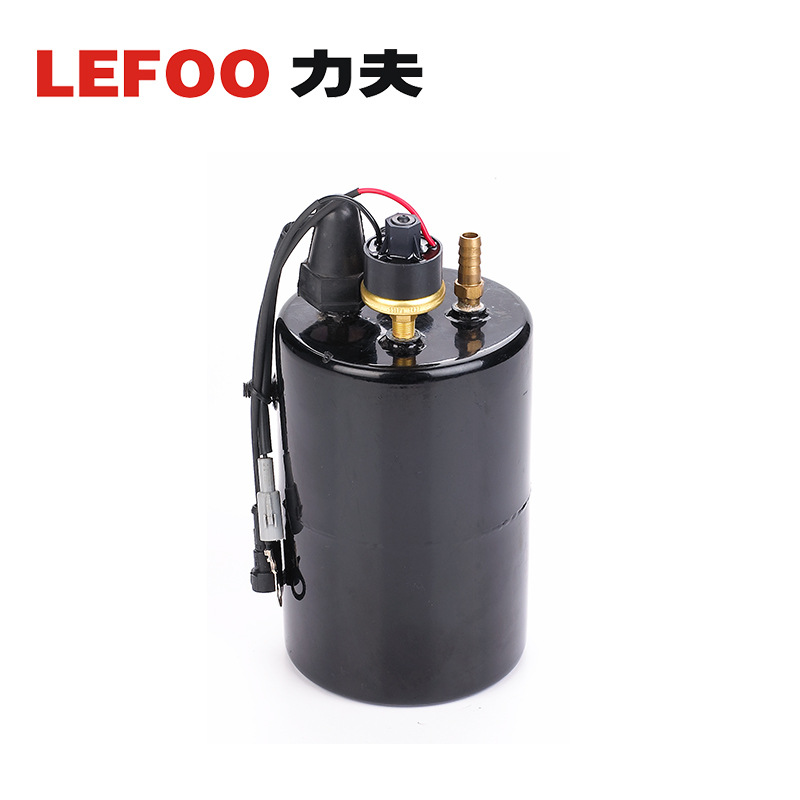
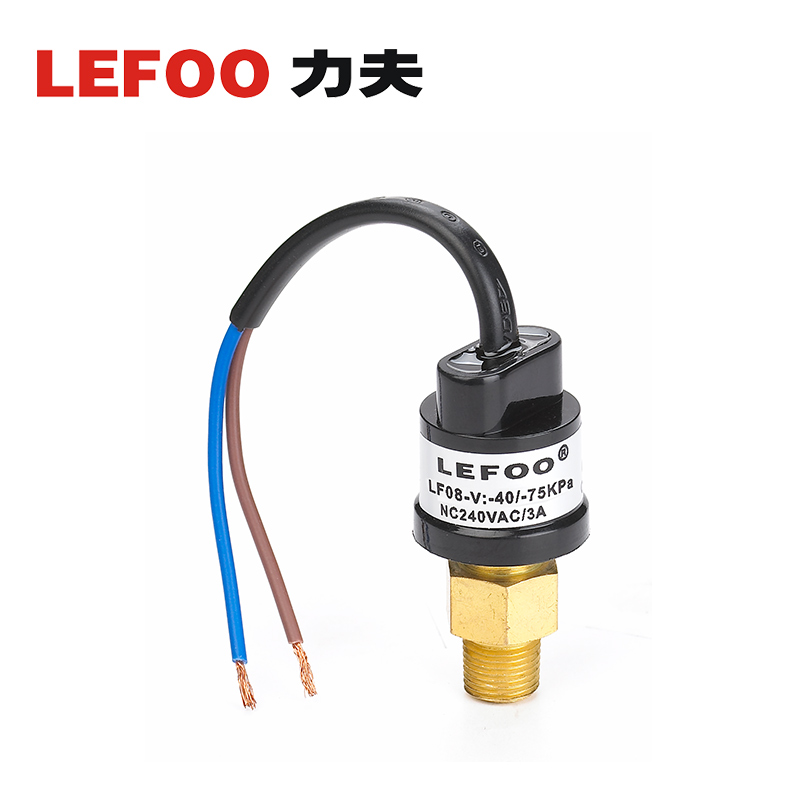
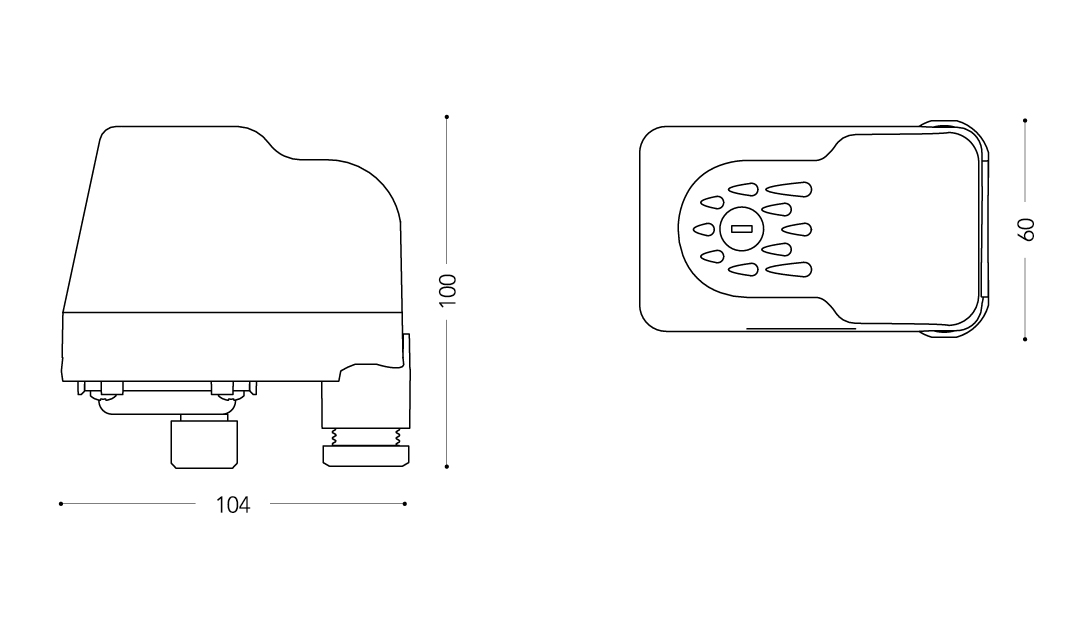
Pressure Switches
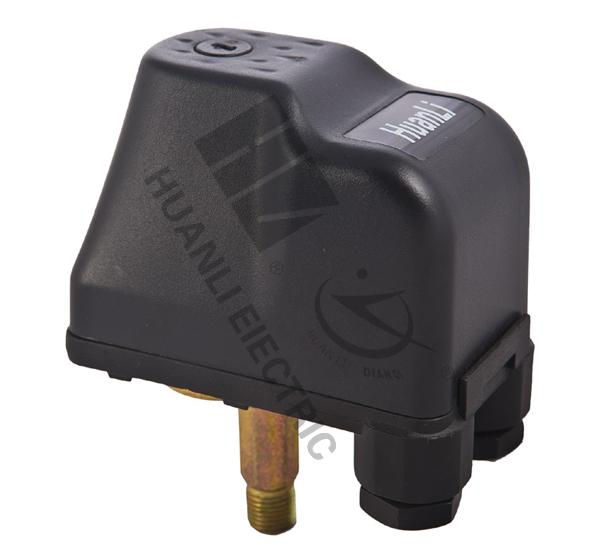
Source commercial and industrial-grade pressure switches from vetted manufacturers and suppliers. Designed for wholesalers, distributors, and brands requiring reliable OEM and private-label production, our network delivers bulk volume at competitive factory-direct pricing.
Sourcing reliable pressure switches at volume requires navigating a highly fragmented landscape of Asian manufacturers. The primary challenge is not simply finding a factory that can assemble a switch, but identifying a partner capable of maintaining strict calibration tolerances, ensuring long-term mechanical reliability, and resisting the urge to substitute critical internal components during mass production.
Defining Your Technical Specifications
When negotiating with a factory, vague specifications lead to inconsistent production. A pressure switch is a precision instrument; your purchase order must explicitly define the mechanical and electrical parameters to prevent costly failures in the field.
Critical Specifications for Bulk Orders
- Set Point and Deadband: Specify whether the set point is adjustable or factory-set, and define the acceptable deadband (differential) tolerance.
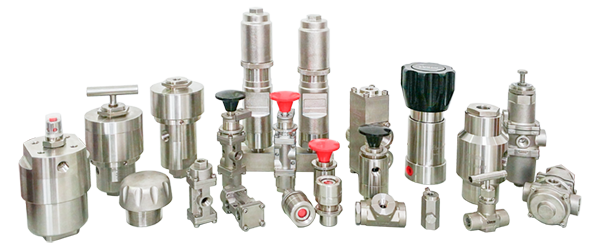
- Wetted Materials: The materials in contact with the media must be explicitly stated (e.g., 316L stainless steel, brass, PTFE, or specific elastomers like Viton or Buna-N).
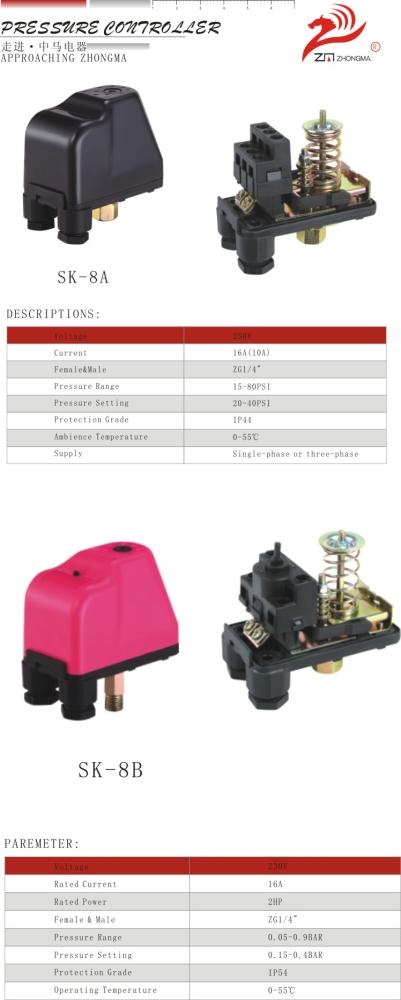
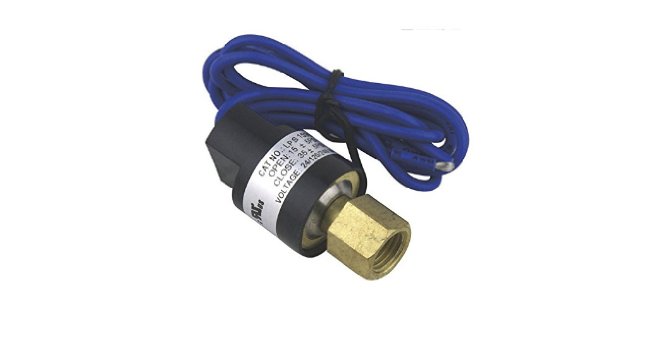
- Electrical Ratings: Define the required amperage and voltage for the microswitch, as well as the configuration (SPDT, DPDT, Normally Open, or Normally Closed).
- Proof and Burst Pressures: Clearly state the maximum pressure the switch must withstand without permanent deformation (proof) and without rupturing (burst).
Struggling to find a factory that meets your strict tolerance requirements? Let us connect you with vetted pressure switch manufacturers.
Talk to our teamSensor Technologies: Matching Design to Application
Manufacturers typically specialize in specific actuation mechanisms. Understanding these differences is crucial when evaluating a factory's core competencies.
| Sensor Type | Primary Application | Typical Pressure Range | Common Failure Mode |
|---|---|---|---|
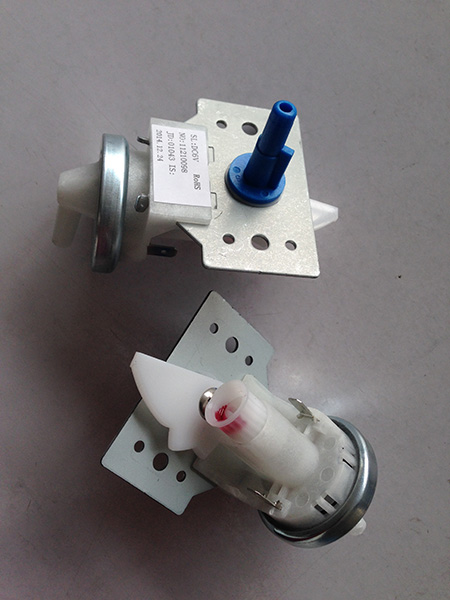
| Diaphragm | Low to medium pressure, clean media | Vacuum to 400 psi | Elastomer fatigue or rupture |
| Piston | High pressure, hydraulic systems | Up to 10,000 psi | O-ring wear causing leakage |
| Bourdon Tube | High accuracy, high pressure | 50 to 18,000 psi | Work hardening over high cycle counts |
Quality Control on the Factory Floor
Quality in pressure switch manufacturing is won or lost in the calibration and testing phases. Subpar manufacturers often skip 100-percent cycle testing to save time, leading to deadband inconsistencies and premature microswitch failure.
When evaluating a supplier, you must confirm they utilize automated pressure calibration rigs rather than relying on manual, operator-dependent adjustments. Furthermore, the quality of the internal microswitch dictates the electrical lifespan of the unit. Unverified suppliers may swap silver-alloy contacts for cheaper alternatives, resulting in contact welding or rapid degradation under load. Implementing rigorous Quality Control & Inspection protocols, particularly in-line inspections, is vital to catch these unauthorized component substitutions before the switches are sealed and shipped.
For brands requiring custom housings, specific threading, or proprietary connector types, engaging a factory with strong OEM/ODM Services ensures that tooling and injection molding processes are handled under one roof, reducing lead times and intellectual property risks.
Pricing, MOQs, and Lead Times
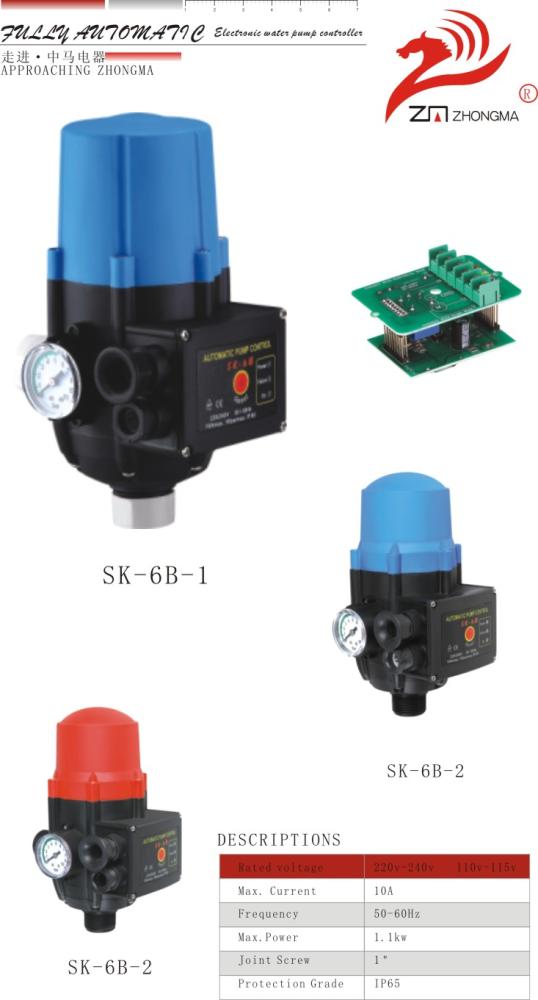
Factory-direct pricing for pressure switches varies heavily based on the wetted materials, the precision of the microswitch, and the required environmental ratings (e.g., IP65, explosion-proof housings).
- Typical MOQs: Standard, off-the-shelf configurations usually require an MOQ of 500 to 1,000 units. Custom configurations, including specific factory-set deadbands, private labeling, or custom threading, typically push MOQs to 2,000 to 5,000 units to justify the setup and calibration time.
- Lead Times: Expect 30 to 45 days for standard production runs. Custom tooling for new OEM designs can add an additional 25 to 40 days to the initial order.
- Price Drivers: Upgrading from a brass housing to 316L stainless steel, or specifying gold-plated contacts for low-current applications, will significantly impact the unit cost. Ensure your factory quotes itemize these premium materials.
Need accurate pricing and lead times for your custom pressure switch order? We negotiate directly with the factory floor.
Get a free consultationFrequently Asked Questions
Securing a reliable supply chain for pressure switches requires moving past surface-level factory profiles and digging into their calibration capabilities and component sourcing. By defining rigid specifications and enforcing strict quality oversight, you can achieve both scale and precision.
Get Sourcing Help for Pressure Switches
Tell us your requirements and our experts will connect you with verified manufacturers.