Presses
Source industrial presses from vetted manufacturers and wholesale suppliers in China and across Asia. Designed for equipment distributors, procurement managers, and OEM brands buying in volume, our network delivers reliable metal forming machinery built to exact tonnage and safety specifications.
Sourcing industrial presses for distribution or large-scale facility upgrades requires navigating a complex landscape of equipment manufacturers. The core challenge is verifying that a supplier's engineering capabilities genuinely match your required production tolerances, safety standards, and operational duty cycles, rather than just looking good on a specification sheet.
Critical Specifications and Tolerances
When specifying a press, tonnage (force capacity) is only the starting point. Buyers must define the exact geometric and operational parameters to ensure the machine integrates seamlessly into the end-user's production line.
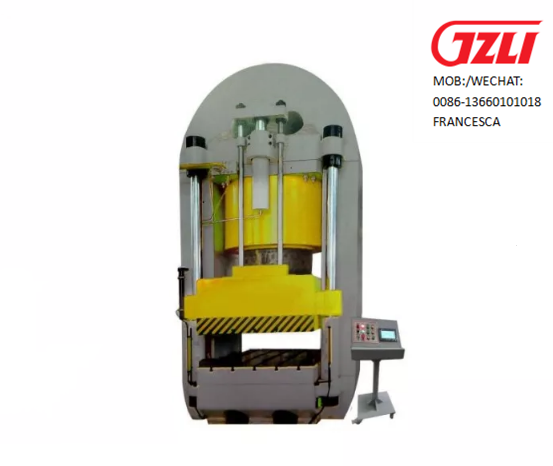
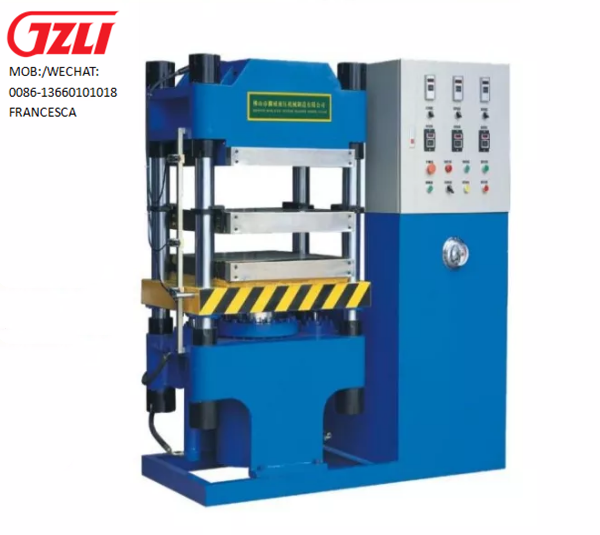
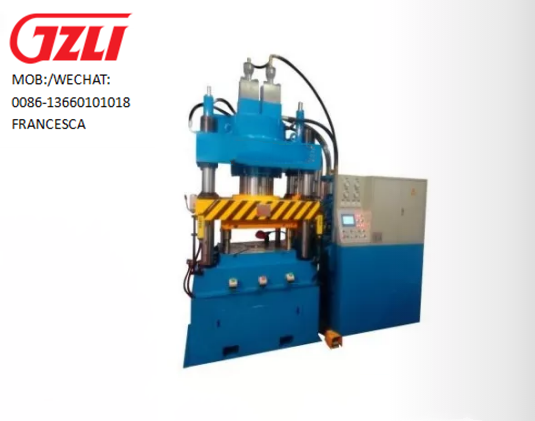
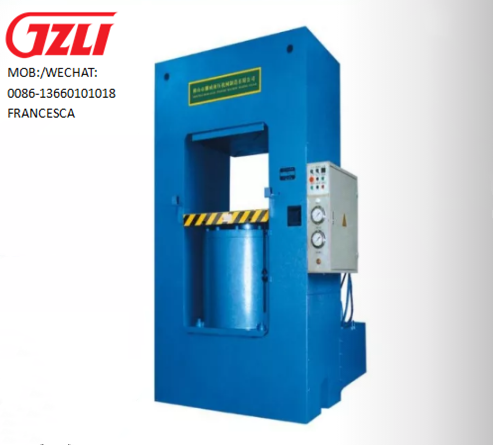
Key variables include the stroke length, daylight (maximum open height), and bed size. For precision forming, slide parallelism and deflection under load are critical metrics. If a manufacturer uses inferior steel or fails to properly stress-relieve a welded frame, the press will deflect under maximum tonnage, leading to rapid die wear and out-of-tolerance parts.
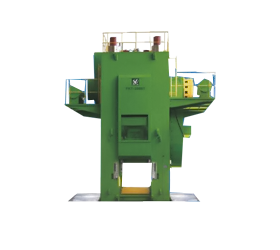
| Press Type | Force Delivery | Typical Speed (SPM) | Primary Applications |
|---|---|---|---|
| Mechanical | Maximum force at bottom of stroke | High (up to 1000+) | High-volume blanking, progressive stamping |
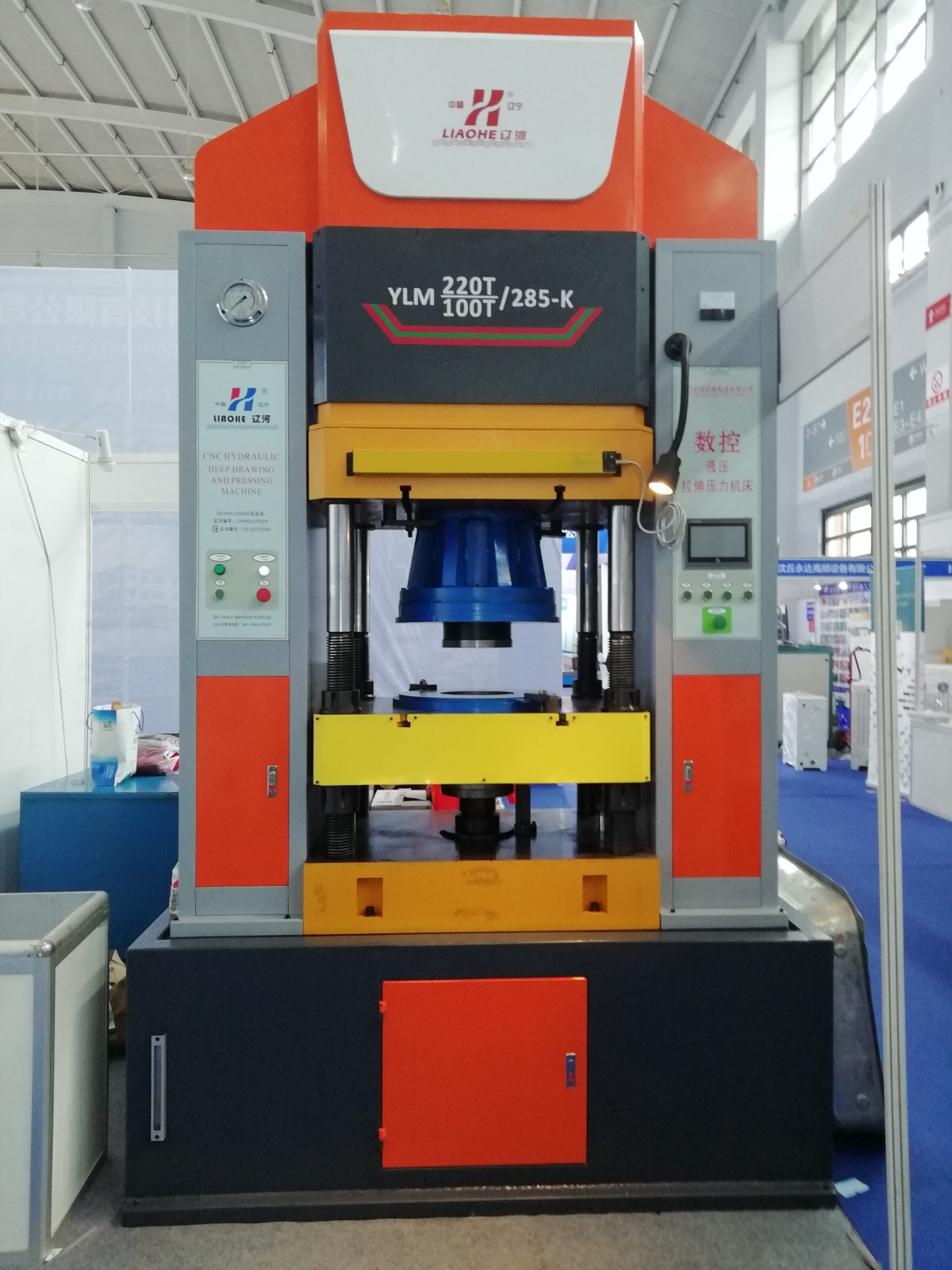
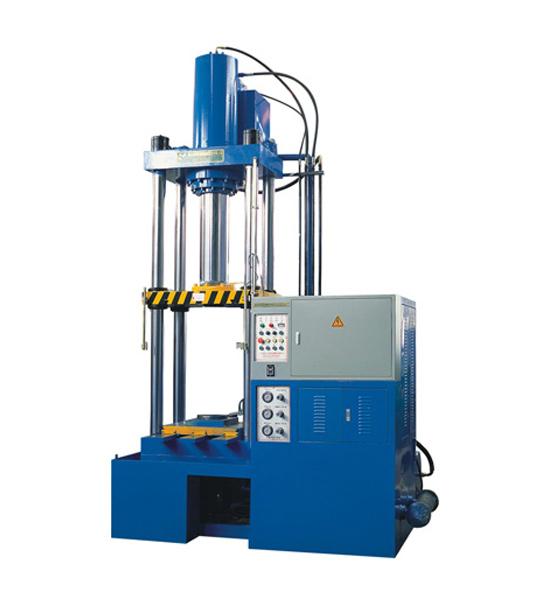
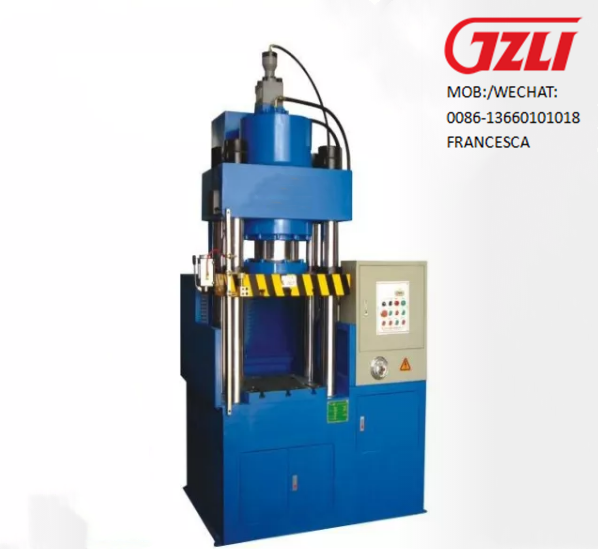
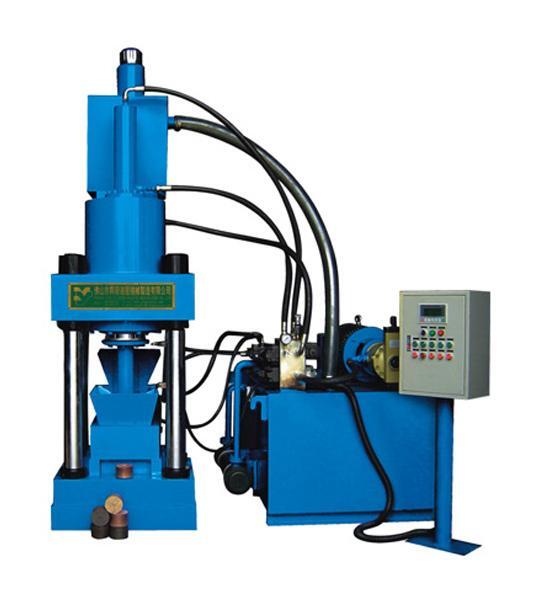
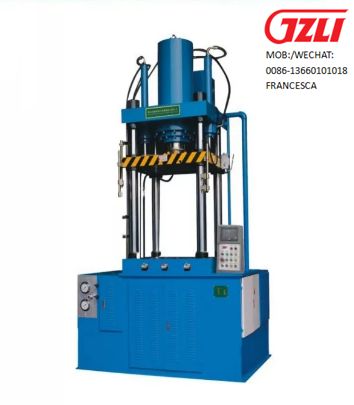
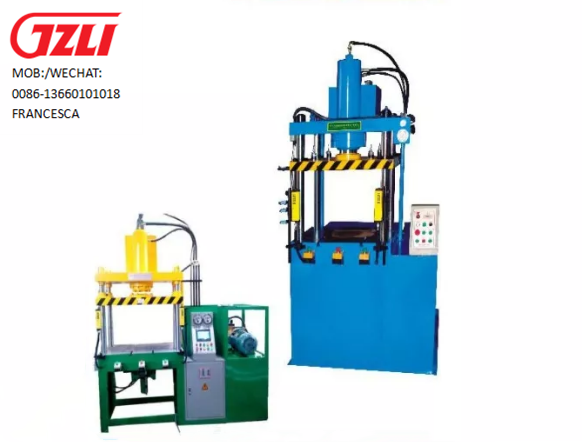
| Hydraulic | Full force throughout entire stroke | Low to Medium | Deep drawing, complex forming, coining |
| Servo | Fully programmable force and speed | Medium to High | Precision forming, exotic materials |
Validating heavy machinery manufacturers requires deep technical expertise. Let us handle the factory vetting and specification alignment.
Talk to our teamEvaluating Factory Capability and Component Quality
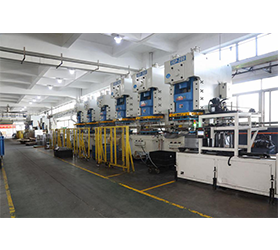
The Asian market features a wide spectrum of press manufacturers, ranging from high-end engineering firms to basic assembly workshops. The difference in machine longevity usually comes down to in-house machining capabilities and component sourcing.
Top-tier manufacturers utilize heavy-duty CNC boring and milling machines to process the main press frames in a single setup, ensuring perfect alignment of the guide rails. Lower-tier suppliers often outsource this step or use older manual equipment. Conducting rigorous factory audits is essential to verify a supplier's actual production equipment, quality management systems, and their process for stress-relieving welded frames (via thermal annealing or vibration).
Furthermore, the reliability of a press leans heavily on its sub-components. Specify and verify the origin of:
- Hydraulics: Pumps and proportional valves (e.g., Bosch Rexroth, Yuken).
- Electrical & Control: PLCs and servo motors (e.g., Siemens, Mitsubishi, Omron).
- Safety Systems: Light curtains, interlocks, and two-hand control relays.
Safety Compliance and Factory Acceptance Testing
Industrial presses are heavily regulated due to operator safety risks. Machines destined for Europe must comply with the Machinery Directive for CE marking, while North American imports must meet OSHA and ANSI standards (such as ANSI B11.1 for mechanical power presses). Ensuring compliance is not just about paperwork; it requires proper integration of safety blocks, dual-valve systems, and fail-safe controls. We highly recommend engaging specialized compliance and testing partners to verify these systems before the machine leaves the factory floor.
Pre-Shipment Verification (FAT) Checklist
- Verify frame deflection under 100% rated tonnage load.
- Test all emergency stop and light curtain interlock functions.
- Measure slide parallelism at bottom dead center (BDC).
- Confirm hydraulic system operating temperature after continuous cycling.
- Audit all safety labels, wiring schematics, and English-language manuals.
Implementing strict quality control via a Factory Acceptance Test (FAT) is non-negotiable. This involves running the press through continuous dry cycles and, ideally, testing it with a sample die to measure the actual output precision.
Logistics, Lead Times, and Pricing Realities
Pricing for industrial presses varies wildly based on frame construction, tonnage, and component origins. A standard 100-ton C-frame mechanical press will have a vastly different cost structure and lead time compared to a custom 1000-ton H-frame hydraulic deep-drawing press.
Logistics for heavy forming equipment present a unique challenge. Large presses often exceed standard container dimensions and weight limits, requiring Out of Gauge (OOG) shipping on flat racks, open-top containers, or via break-bulk vessels. Coordinating this requires experienced shipping and freight management to handle specialized rigging at the port, secure lashing, and complex customs documentation.
Need to coordinate complex machinery sourcing and international freight? We manage the entire supply chain from factory floor to your facility.
Get a free consultationFrequently Asked Questions
Sourcing industrial presses requires a rigorous, engineering-led approach to supplier selection. By focusing on frame integrity, component quality, and strict pre-shipment testing, buyers can secure high-performance machinery that delivers decades of reliable production.
Get Sourcing Help for Presses
Tell us your requirements and our experts will connect you with verified manufacturers.