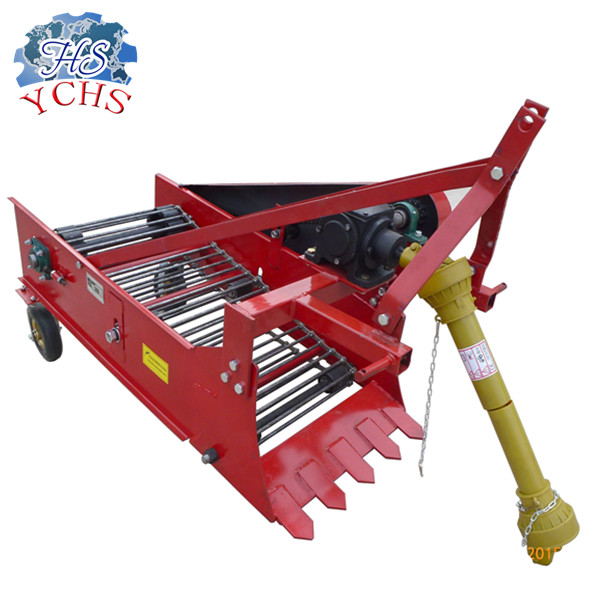
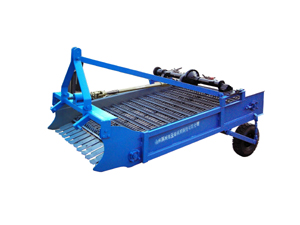
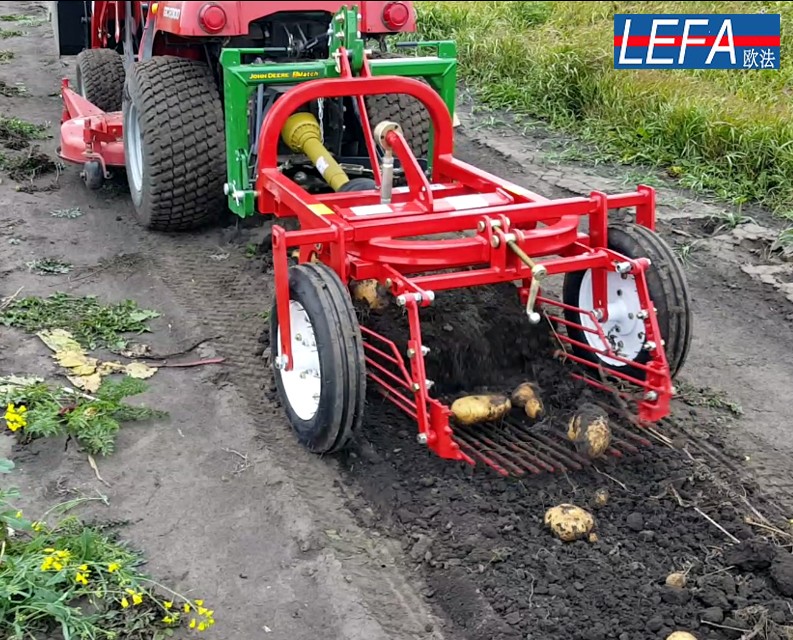
Potato Harvesters
Source commercial-grade potato harvesters from vetted manufacturers and wholesale suppliers across Asia. Designed for agricultural equipment distributors, importers, and brands seeking reliable OEM production, our network delivers robust machinery engineered for high yield and durability in demanding field conditions.
Sourcing heavy agricultural machinery like potato harvesters requires balancing robust structural integrity with precise mechanical action to minimize crop damage. For bulk buyers and equipment brands, the core challenge lies in finding manufacturing partners capable of producing high-torque, wear-resistant implements that perform reliably across varying soil conditions and tractor configurations.
Key Technical Specifications to Define
When negotiating with agricultural machinery manufacturers, precision in your technical requirements prevents costly field failures. Factories often produce a baseline model, but true commercial viability depends on specifying the right components.
Critical Sourcing Specifications
- Tractor Compatibility: Specify required horsepower (HP) ranges and 3-point linkage categories (typically Cat II or III).
- PTO Configuration: Standardize on 540 RPM or 1000 RPM Power Take-Off speeds based on your target market's standard tractors.
- Digging Depth and Width: Define the working width (often 600mm to 1600mm) and adjustable digging depths suitable for your region's typical ridge sizes.
- Web Chain Pitch: The spacing of the sieving conveyor bars must match the target crop size to prevent yield loss while ensuring adequate soil separation.
- Drive Systems: Specify the origin and rating of gearboxes and universal joints. Standardized, high-quality bearings are non-negotiable for field longevity.
Manufacturing Quality and Factory Vetting
The lifespan of a potato harvester is dictated by the quality of its steel and the integrity of its welds. Constant vibration, heavy soil loads, and hidden field debris put immense stress on the frame and moving parts.
When evaluating suppliers, pay close attention to their metal fabrication processes. High-carbon steel should be used for the digging shares (blades) and the sieving webs to resist abrasion. Furthermore, the main chassis requires deep-penetration, robotic or highly skilled manual welding. Poor welds will inevitably crack under operational torsion.
Because structural flaws are difficult to detect once the machine is painted and assembled, running Factory Audits prior to finalizing your supplier choice is highly recommended. This ensures the facility has the necessary heavy-duty fabrication equipment and quality management systems in place.
Need reliable agricultural machinery manufacturers? Let us verify factory capabilities and handle the technical negotiations on your behalf.
Talk to our teamOEM Customization and Regional Adaptations
For brands importing machinery under their own label, manufacturers offer significant flexibility. Beyond standard color-matching and decal application, structural adaptations are often necessary for different geographical markets.
Soil-Specific Adaptations
Sandy soils require different agitation levels compared to heavy, clod-filled clay. Work with your supplier to specify adjustable agitation shakers or rubber-coated web chains if your end-users harvest in rocky conditions, as this drastically reduces bruising on the potatoes.
If you are developing a proprietary machine design or modifying an existing chassis to fit specific local agricultural practices, engaging a partner for OEM/ODM Services ensures your exact blueprints are translated accurately to the factory floor, protecting your intellectual property while leveraging cost-effective production.
Buying Mechanics: MOQs, Pricing, and Logistics
Agricultural implements are high-value, low-volume imports. Understanding the mechanics of purchasing potato harvesters in bulk will help you optimize your landed costs.
- Minimum Order Quantities (MOQs): Due to their size, MOQs are typically low, often starting at 1 to 5 units. However, purchasing in quantities that fill a 20ft or 40ft High Cube container yields the best unit economics.
- Production Lead Times: Expect 30 to 50 days for production. Factories experience severe seasonal bottlenecks ahead of major global planting and harvesting seasons, so orders must be placed months in advance.
- Shipping and Packaging: To maximize container space, harvesters are usually shipped SKD (Semi-Knocked Down). The main chassis is packed in heavy iron crates, while components like wheels, PTO shafts, and linkages are packed separately. Coordinating this requires robust Shipping & Freight management to ensure safe loading and unloading without damaging the equipment.
Struggling with high freight costs for bulky agricultural equipment? We optimize container loading and manage end-to-end logistics.
Get a free consultationFrequently Asked Questions
When sourcing potato harvesters, the upfront unit cost is only one part of the equation. Minimizing downtime for the end-user through rigorous factory selection, precise technical specification, and securing reliable spare parts supply is what ultimately defines a successful agricultural machinery import program.
Get Sourcing Help for Potato Harvesters
Tell us your requirements and our experts will connect you with verified manufacturers.