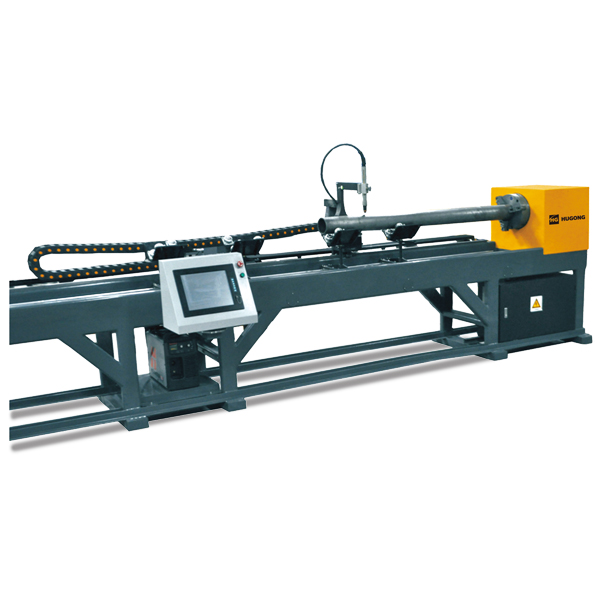
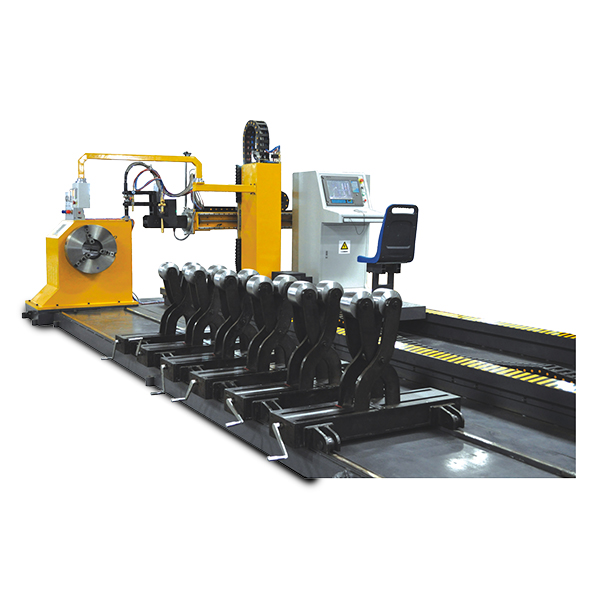
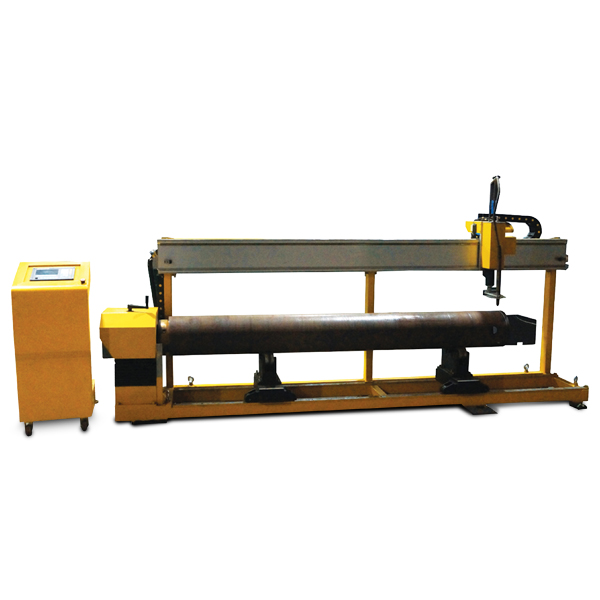
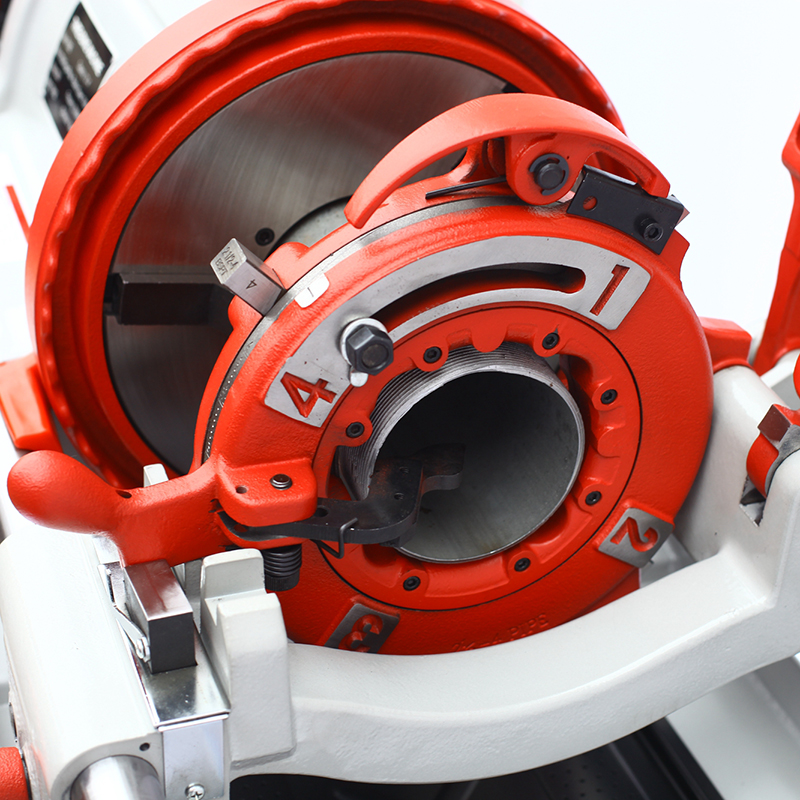
Pipe Cutting Machines
Source industrial-grade pipe cutting machines directly from vetted manufacturers and suppliers. Designed for equipment importers, machinery distributors, and brands seeking OEM production, our network delivers reliable laser, plasma, and saw-based cutting systems. Secure competitive wholesale pricing and strict quality control on high-performance machinery.
Procuring industrial pipe cutting machines is a high-stakes capital expenditure. Whether you are importing CNC cold saws for structural steel clients or high-wattage fiber laser tube cutters for precision automotive manufacturing, the core sourcing challenge remains the same: balancing upfront equipment costs with long-term reliability, cutting accuracy, and minimal downtime.
When buying heavy machinery from overseas manufacturers, specifications on a datasheet often look identical across suppliers. The actual difference in machine lifespan and precision is determined by structural engineering, component integration, and strict assembly tolerances on the factory floor.
Defining Core Machine Specifications
Specifying a pipe cutting machine requires aligning the technology with your end-user's material requirements. Beyond the maximum outer diameter (O.D.) and wall thickness, the feeding mechanisms and chuck designs dictate the machine's true throughput.
| Cutting Technology | Primary Application | Typical Wall Thickness | Speed & Precision |
|---|---|---|---|
| Fiber Laser Tube Cutter | High-volume, complex geometries (carbon/stainless) | Under 25mm | Very High / ±0.03mm |
| CNC Cold Saw | Heavy-duty straight/angle cuts on thick pipes | Up to 50mm | Medium / ±0.1mm |
| Band Saw (Semi/Auto) | Large structural pipes, bundles | Over 50mm | Low / ±0.5mm |
When negotiating specifications with a manufacturer, pay close attention to the pneumatic or hydraulic chucks. A common cost-cutting measure is utilizing substandard chucks that lose clamping force over time, resulting in pipe slippage and ruined cuts. For automated systems, ensure the servo motors and linear guide rails are sourced from reputable brands (e.g., Yaskawa, Hiwin) to guarantee repeatable positioning.
Manufacturing Vulnerabilities and Quality Control
The physical foundation of any pipe cutting machine is its bed. High-quality manufacturers weld the machine bed from heavy-duty steel plate and, crucially, subject it to high-temperature stress relief annealing. This prevents the frame from deforming under continuous operational vibration. Lower-tier factories often skip the annealing process to save time and energy costs, leading to machines that lose their calibration within the first year of use.
Critical Factory-Floor Inspection Points
- Verify bed welding and confirm stress-relief annealing records.
- Check dial indicator runout tests on the spindle and chucks for concentricity.
- Inspect the electrical cabinet for proper wire labeling, cooling, and CE/UL compliant components.
- Test the software integration (e.g., CypCut/FSCUT) with the specific laser source or servo drives.
- Confirm the alignment of the automatic loading/unloading systems under maximum weight capacity.
Because machinery defects are incredibly costly to rectify after export, thorough quality control and inspection prior to container loading is non-negotiable. Inspectors must run the machine through its paces using actual raw materials that match your specified parameters.
Need to verify a machinery supplier's production capabilities? Our engineering team can evaluate factory infrastructure and quality systems before you place a deposit.
Discuss your machinery sourcing needsSourcing Mechanics: Pricing, MOQs, and Logistics
The industrial machinery sector operates on different sourcing mechanics than consumer goods. Production is highly customized, and lead times reflect the complex assembly and testing required.
Customization and OEM Branding
Many distributors require specific paint schemes, custom enclosures, or localized control software interfaces to match their brand identity. Manufacturers are generally highly receptive to these requests. Utilizing structured OEM/ODM services ensures that your branding, safety labeling, and localized compliance plates are integrated smoothly during assembly, rather than applied as an afterthought.
Shipping Heavy Machinery
Transporting pipe cutting equipment requires specialized logistics. Large fiber laser systems or heavy-duty band saws often exceed standard container dimensions, necessitating Open Top or Flat Rack containers. Proper anti-rust packaging (vacuum sealing with desiccants) and heavy-duty wire rope lashing inside the container are vital to prevent transit damage.
Heavy machinery requires specialized freight handling. Let us manage the factory coordination, loading supervision, and customs clearance for your equipment.
Talk to our logistics teamBuyer FAQ
Successful procurement of pipe cutting machines comes down to looking past the specification sheet. The true value lies in verifying the structural integrity of the machine bed, the authenticity of the internal components, and the factory's commitment to precision assembly. By implementing strict engineering oversight throughout the build process, you ensure the machinery performs reliably on your clients' shop floors for years to come.
Get Sourcing Help for Pipe Cutting Machines
Tell us your requirements and our experts will connect you with verified manufacturers.