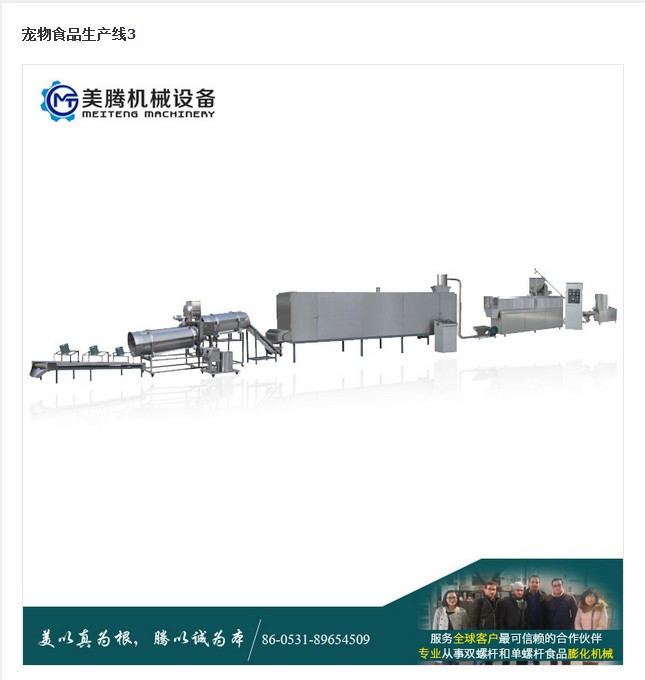
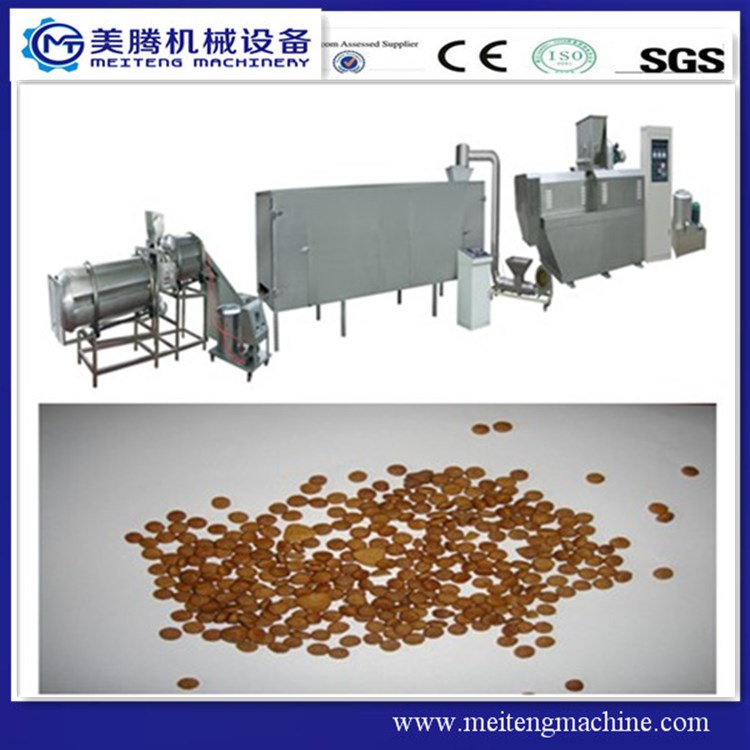
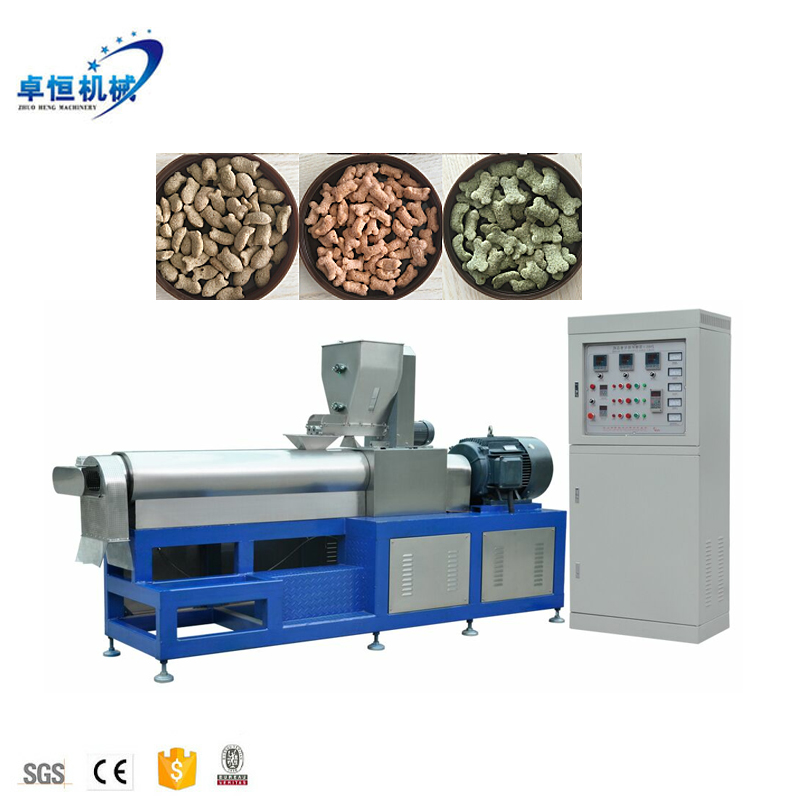
Pet Food Processing Machines
Source high-performance Pet Food Processing Machines from vetted manufacturers and suppliers. Designed for importers, distributors, and brands seeking reliable wholesale machinery or custom OEM production lines. Ensure consistent throughput, hygiene compliance, and optimal extrusion quality for commercial pet food manufacturing.
Sourcing commercial pet food processing equipment requires balancing high-throughput demands with strict food safety standards. From raw material mixing to extrusion, drying, and flavoring, the reliability of the line dictates the consistency, density, and nutritional integrity of the final kibble or treat. For buyers importing machinery from Asia, identifying manufacturers capable of delivering precision engineering and durable metallurgy is the core procurement challenge.
Core Extrusion Technology & Specifications
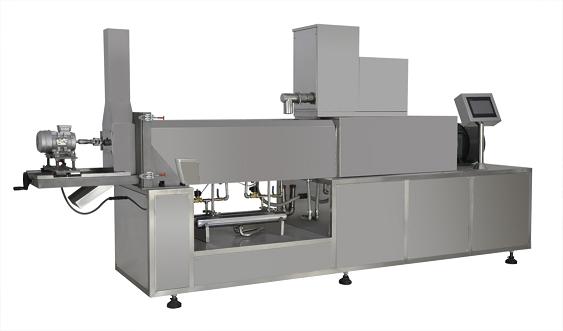
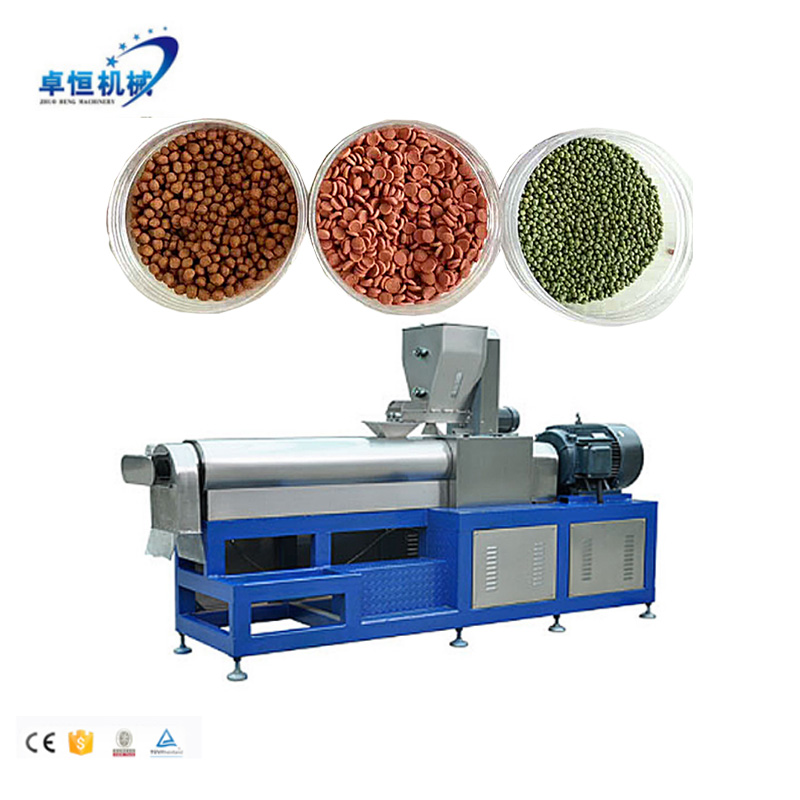
The heart of any pet food production line is the extruder. Specifying the correct machinery depends entirely on the recipes you intend to process—specifically the fat content, fresh meat inclusion rates, and desired kibble density.
When evaluating suppliers, you must define exact technical parameters:
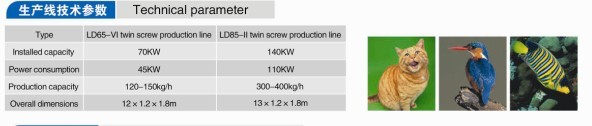
- Throughput Capacity: Measured in kg/h or tons/h. Ensure the supplier's rated capacity matches your operational reality, factoring in standard downtime for cleaning.
- Metallurgy: Food-contact surfaces must be SUS304 or SUS316 stainless steel. The extruder barrel and screws require high-wear alloys (such as 38CrMoAl with nitriding treatment) to withstand continuous friction.
- Pre-Conditioning: For premium pet foods, a dual-axis differential pre-conditioner is critical. It pre-cooks the starch and allows for higher fresh meat inclusion before the mixture enters the extruder barrel.
| Specification | Single-Screw Extruder | Twin-Screw Extruder |
|---|---|---|
| Material Flexibility | Standard dry grains | High fat, high fresh meat |
| Self-Cleaning | Poor (Requires manual teardown) | Excellent (Screws wipe each other) |
| Product Consistency | Moderate | High precision density control |
| Capital Cost | Lower | Significantly Higher |
Need help vetting extrusion machinery manufacturers? We identify factories with proven engineering capabilities for food-grade processing.
Get a free consultationManufacturing Quality & Factory Evaluation
The gap between a reliable industrial line and a maintenance-heavy liability often lies in the components and machining tolerances. A factory's ability to CNC machine their own extruder dies and barrels is a strong indicator of their overall engineering capability.
When sourcing these lines, conducting rigorous Factory Audits is essential to verify the manufacturer is not merely assembling outsourced, mismatched parts.
Critical Components to Verify
- PLC and Touchscreen Brands: Insist on globally supported brands (Siemens, Allen-Bradley, Omron) for easier local maintenance.
- Motor and Inverter Quality: Specify ABB, Siemens, or equivalent heavy-duty motors to prevent burnout during continuous operation.
- Gearbox Durability: The distribution gearbox must have an integrated cooling and lubrication system to handle high torque.
- Heating and Cooling Zones: Verify the precision of the barrel's temperature control systems to prevent nutrient degradation.
Customization and OEM Requirements
Brands developing unique kibble shapes, specialized diet formulations (like grain-free or cold-pressed), or integrated coating systems often require significant machinery customization. Partnering for OEM/ODM Services allows buyers to tailor the die designs, drying oven lengths, and vacuum coating drums to their exact product specifications.
Pricing, MOQs, and Lead Times
Industrial food processing machinery is capital-intensive and built to order. Standardized pricing is rare, as configurations change based on throughput and automation levels.
Logistics and Shipping: Complete pet food lines are bulky and often require multiple 40HQ containers. Oversized components like multi-layer drying ovens may require specialized flat rack containers. Coordinating Shipping & Freight early in the procurement process is vital to avoid unexpected logistical bottlenecks at the port.
Planning a new pet food production line? Let us handle the technical negotiations, quality control, and heavy freight logistics.
Talk to our teamFrequently Asked Questions
Procuring pet food processing machinery is an exercise in total cost of ownership. Saving capital on a budget extruder often results in inconsistent product quality, frequent downtime, and wasted raw materials. Success requires partnering with manufacturers who understand the delicate balance of thermal and mechanical energy required to produce premium pet nutrition.
Get Sourcing Help for Pet Food Processing Machines
Tell us your requirements and our experts will connect you with verified manufacturers.