Pallet Racks
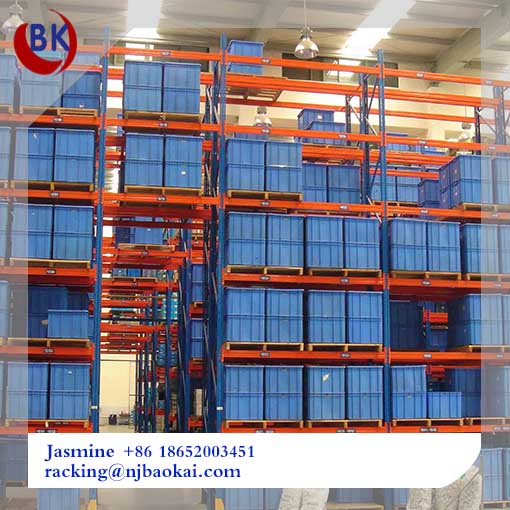
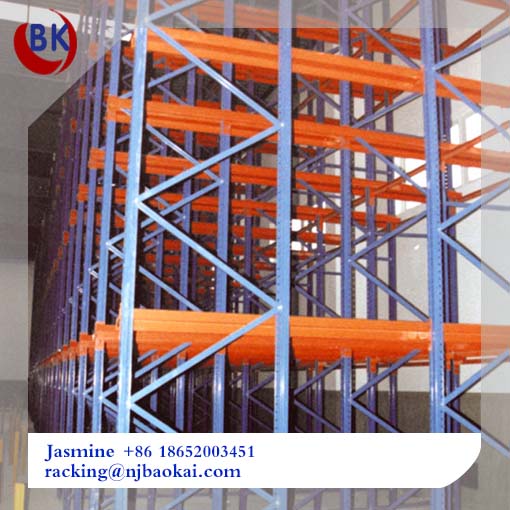
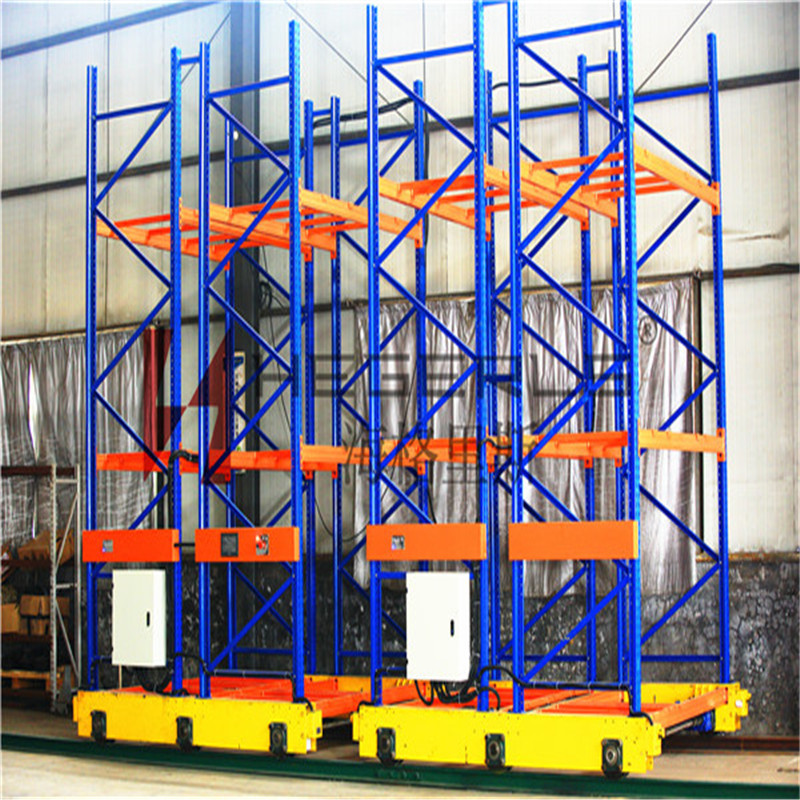
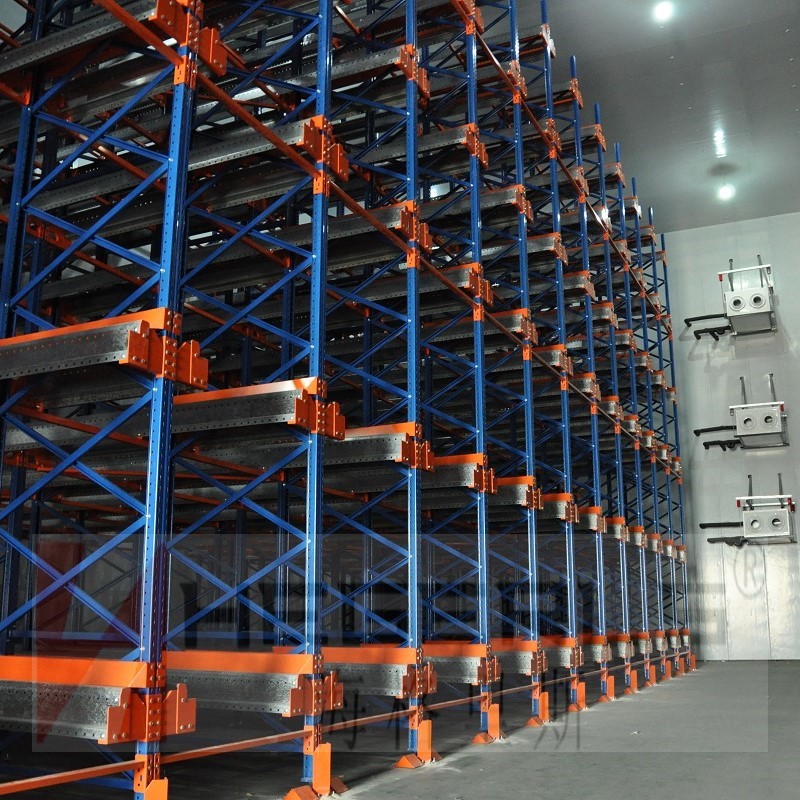
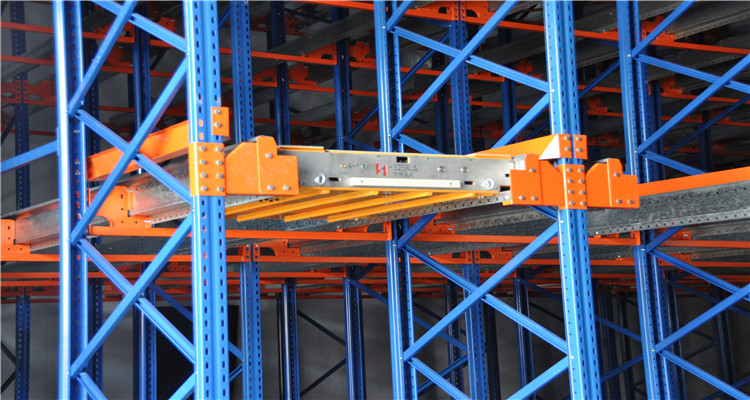
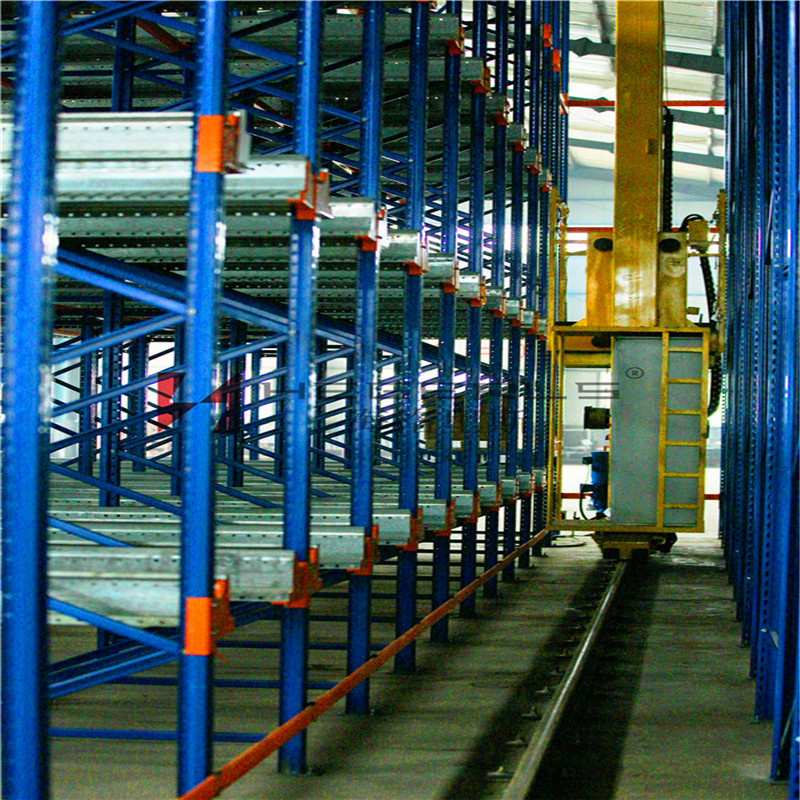
Source high-capacity pallet racks from vetted manufacturers and suppliers in China and Asia. Designed for warehouse importers, distributors, and procurement managers buying in bulk. We handle factory vetting, quality control, and logistics to ensure safe, compliant racking systems.
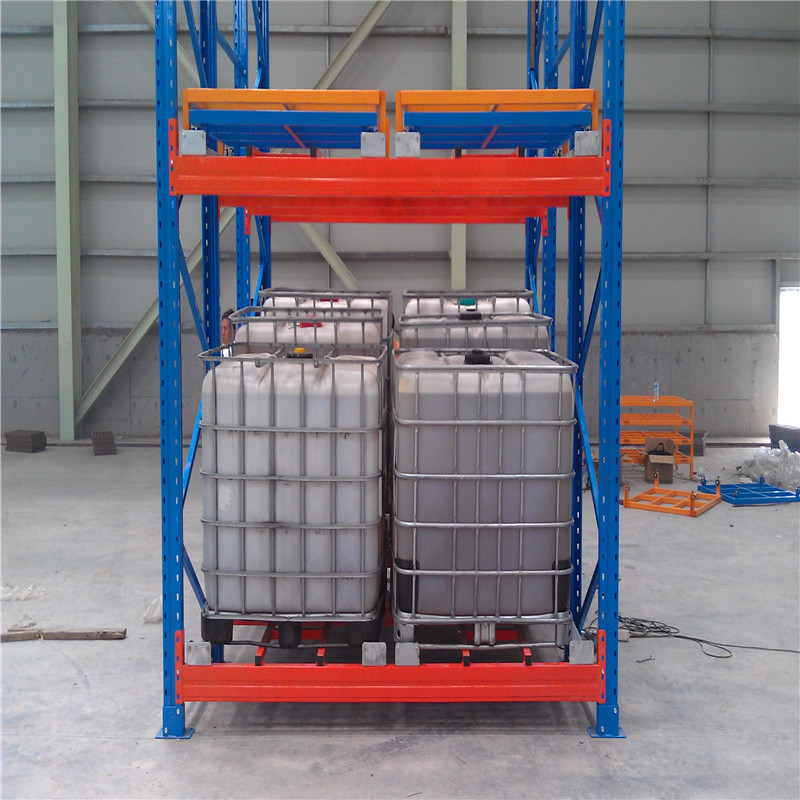
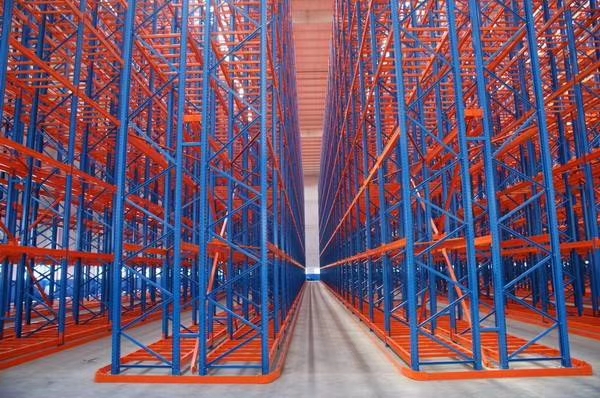
Sourcing pallet racking in volume is an exercise in structural engineering, materials economics, and logistics optimization. Because warehouse racks are safety-critical infrastructure, buyers cannot afford to compromise on steel quality, welding precision, or load-bearing certifications. Whether you are importing teardrop systems for the US market or Dexion-compatible racks for Europe and Australia, successful procurement requires strict technical oversight at the factory level.
Material Specifications and Manufacturing Tolerances
The integrity of a pallet rack system begins with the raw steel and the precision of the roll-forming process. Most Asian manufacturers utilize continuous roll-forming lines for uprights and beams, but the quality of the output varies significantly based on machinery maintenance and tooling precision.
Steel Grades and Thickness
Industrial racking typically relies on two primary carbon steel grades:
- Q235B: The standard for general-purpose warehousing. Equivalent to S235 or A36 steel.
- Q345B: High-strength, low-alloy steel used for heavy-duty applications, high-bay environments, or seismic zones. Equivalent to S355 or Grade 50.
Gauge thickness must be explicitly specified and verified. Uprights generally range from 1.5mm to 2.5mm, while beam profiles vary based on the required load per level (typically 1000kg to 4000kg).
| Rack Type | Manufacturing Process | Impact Resistance | Typical Application |
|---|---|---|---|
| Roll-Formed | Cold-rolled from steel coils | Moderate | Standard distribution centers |
| Structural | Hot-rolled channel steel | Very High | Freezers, heavy manufacturing |
The Powder Coating Process
Surface finishing is critical to prevent oxidation, especially in humid or cold-storage environments. Look for factories utilizing automated epoxy powder coating lines. The coating thickness should consistently measure between 60 to 80 microns. Poor pre-treatment (acid washing and phosphating) will lead to flaking and premature rusting, which is a common failure point in lower-tier factories.
Need to ensure your racking manufacturer meets structural safety and coating standards? We can verify factory capabilities before you place a deposit.
Talk to our teamQuality Control and Safety Compliance
Warehouse collapses are catastrophic. Relying solely on a supplier's self-reported load tables is a massive risk. Buyers must implement rigorous Quality Control & Inspection protocols before the goods are containerized.
Pre-Shipment Inspection Points for Pallet Racks
- Micrometer verification of steel thickness (measured post-coating minus 60-80 microns).
- Weld penetration on beam connectors and base plates (checking for porosity or slag).
- Pitch hole tolerance checks to ensure beams lock securely into uprights without binding.
- Adhesion testing for the powder-coated finish (cross-hatch test).
- Verification of locking pins and safety clips.
If you are sourcing for highly regulated markets, ensure the manufacturer can produce systems that comply with local standards (such as RMI in the US, FEM in Europe, or AS4084 in Australia). Running comprehensive Factory Audits prior to engagement is the most effective way to confirm a supplier has the engineering capability and ISO 9001 quality management systems required to meet these standards consistently.
Pricing, MOQs, and Logistics Reality
Pallet racks are heavy, bulky, and highly sensitive to raw material fluctuations.
Cost Drivers
The price of pallet racking is directly tied to the global spot price of hot-rolled steel coil. Because manufacturing value-add (roll forming, welding, coating) is relatively low compared to the raw material cost, quotes should fluctuate with steel indices. If a supplier's price is drastically lower than the market average, they are likely thinning the steel gauge or using inferior scrap-mixed steel.
Freight and Container Optimization
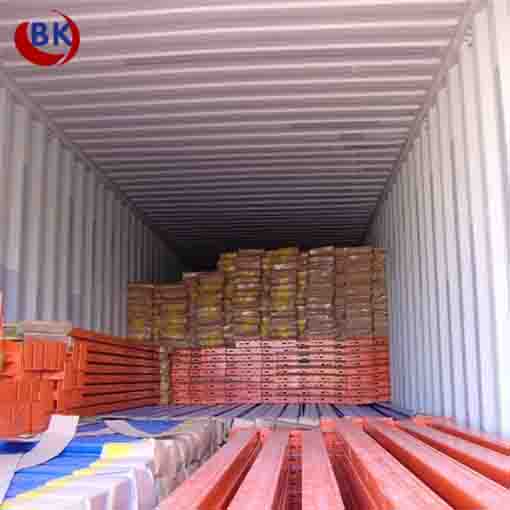
Shipping air is expensive. Uprights and beams must be meticulously bundled and nested to maximize container payload. A standard 20ft container can typically hold 15 to 18 tons of racking, depending on the profile dimensions. Poor packing not only inflates landed costs but also results in transit damage (bent uprights). Professional Shipping & Freight management is essential to coordinate optimal loading plans and secure competitive ocean rates for heavy cargo.
Struggling with volatile steel prices and high freight costs? Let us help you optimize your procurement and logistics strategy.
Get a free consultationFrequently Asked Questions
Sourcing pallet racks in bulk requires treating the procurement process as an engineering project rather than a simple commodity purchase. By strictly controlling steel specifications, verifying weld integrity, and optimizing container loads, buyers can secure highly durable warehouse infrastructure at competitive global prices.
Get Sourcing Help for Pallet Racks
Tell us your requirements and our experts will connect you with verified manufacturers.