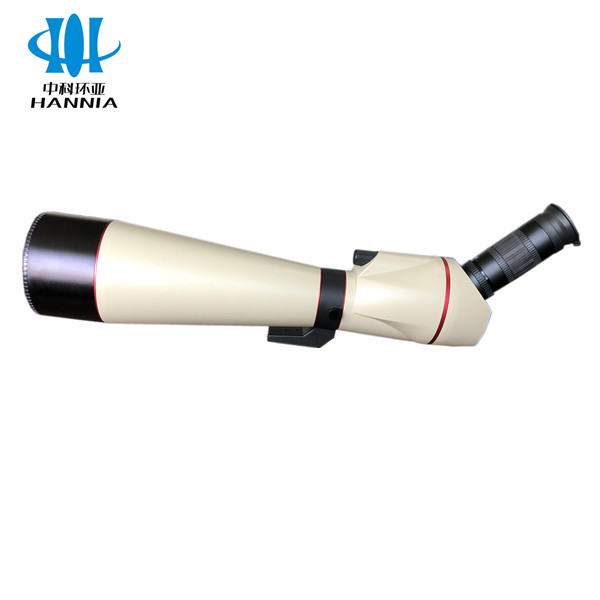
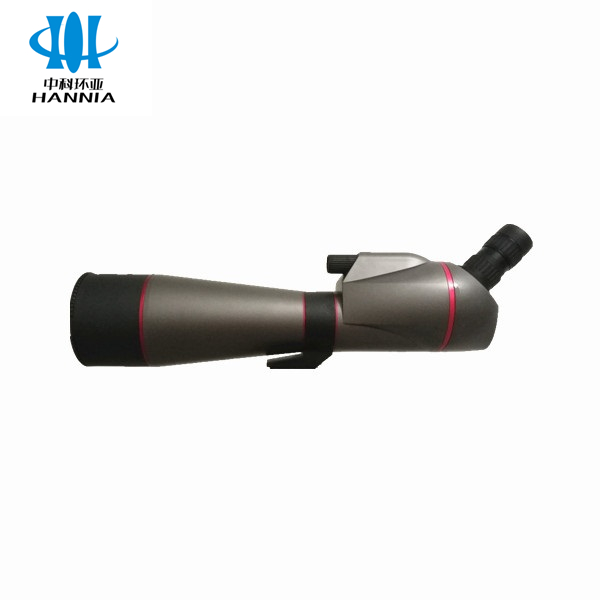
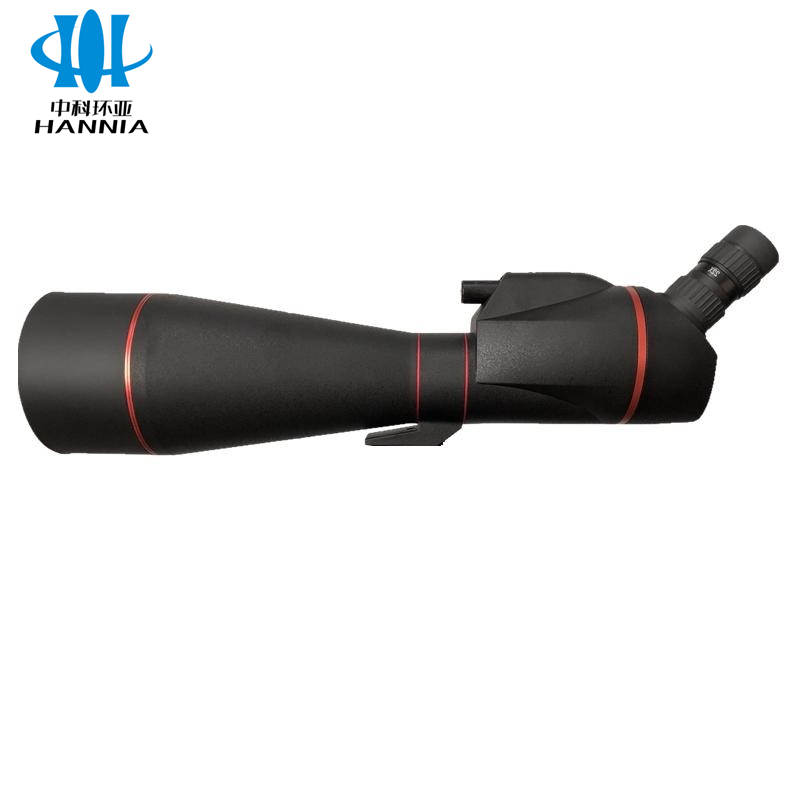
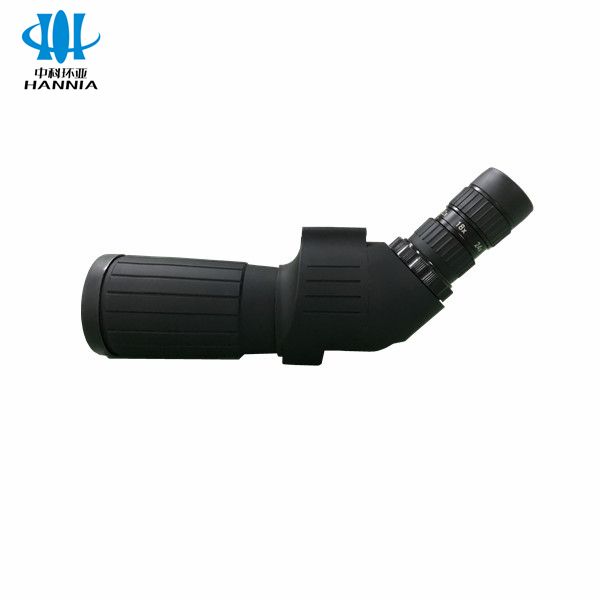
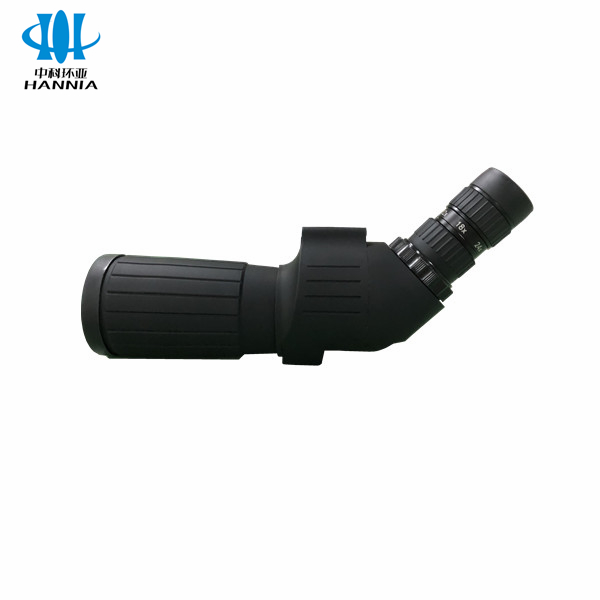
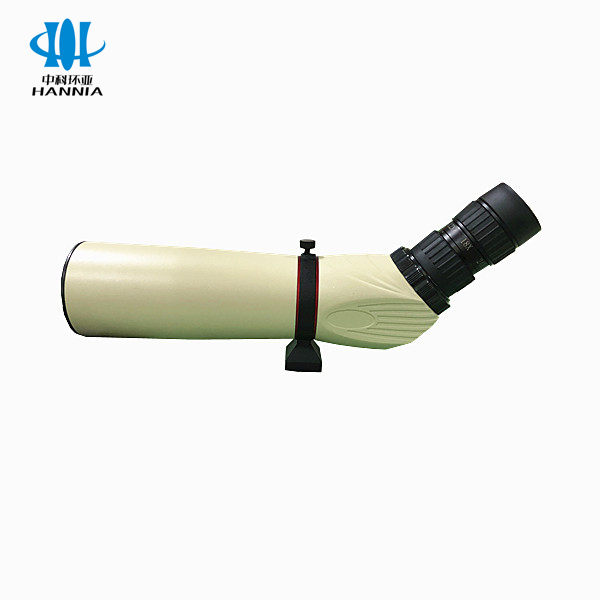
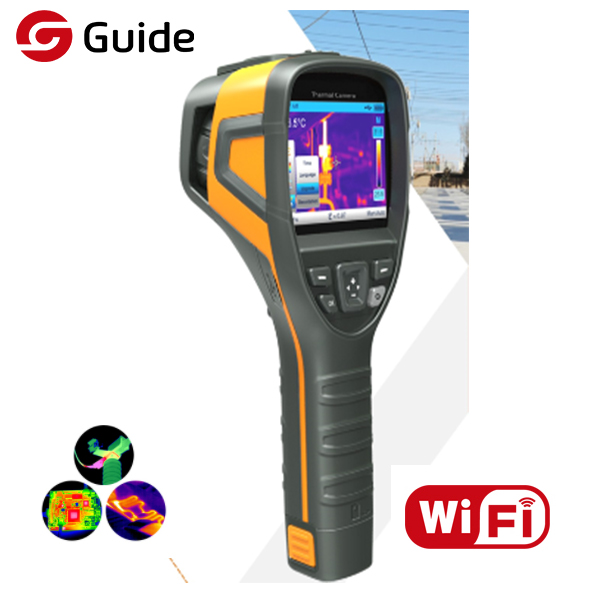
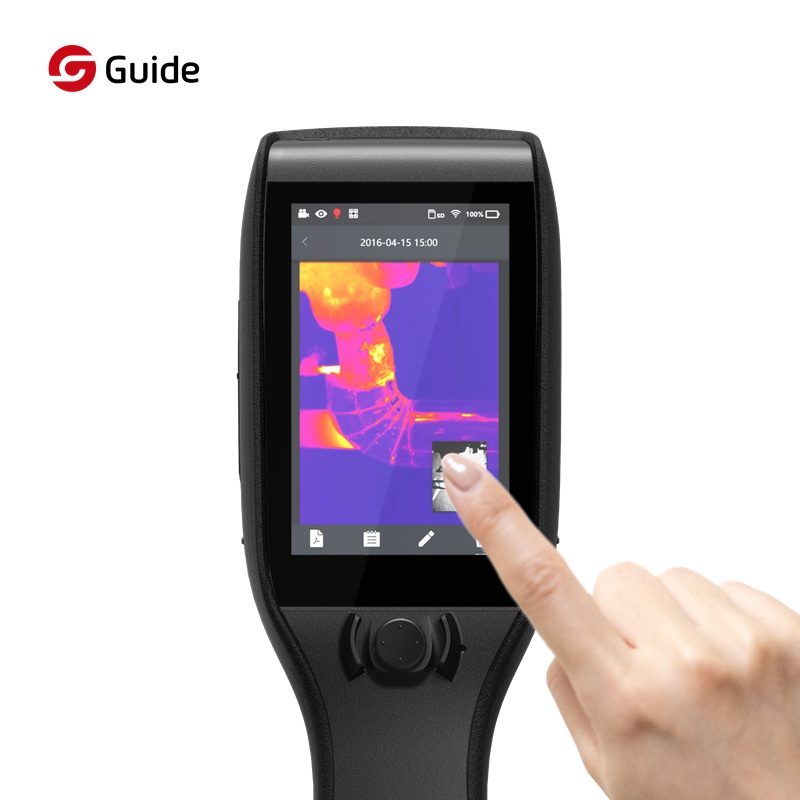
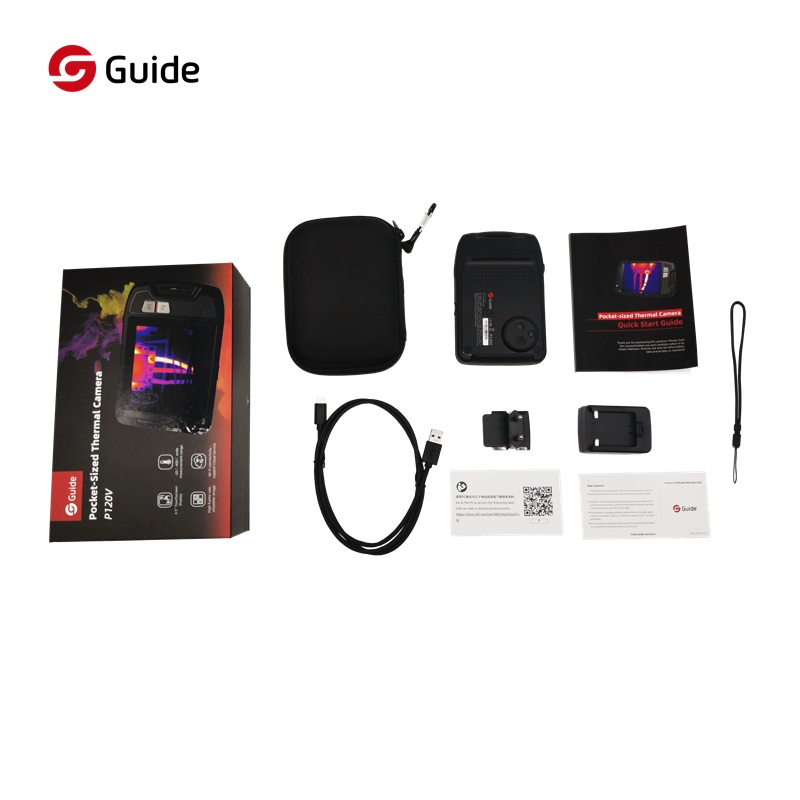
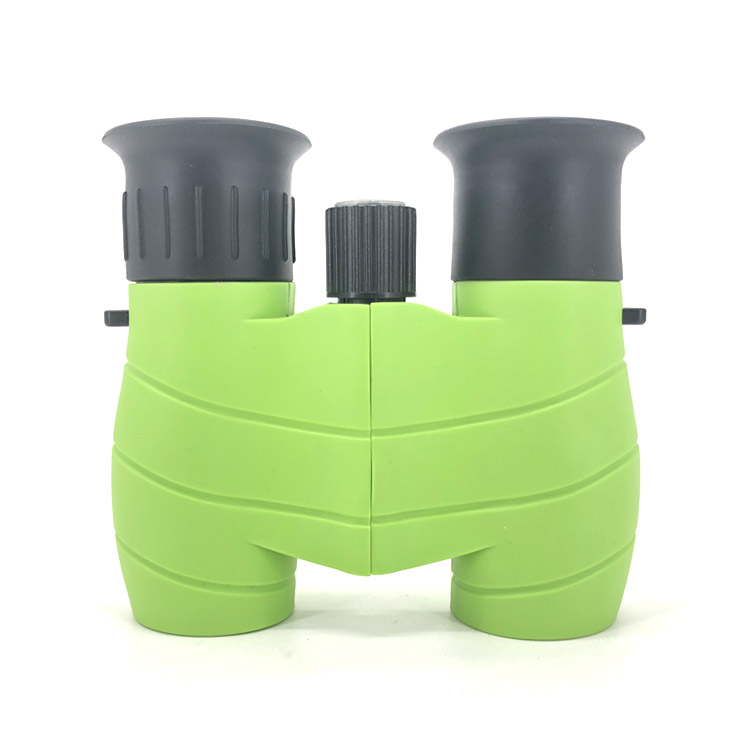
Other Optical Instruments
Source Other Optical Instruments from vetted manufacturers and suppliers across Asia. This catalog is built for importers, industrial distributors, and brands seeking reliable wholesale purchasing and custom OEM production. Explore our network for competitive pricing and strict quality standards on bulk orders.
Sourcing specialized optical equipment requires navigating a highly fragmented manufacturing base. When your procurement needs move beyond standard consumer optics into niche or custom optical instruments, the margin for error shrinks. Success depends on identifying factories with the right glass-working machinery, cleanroom assembly environments, and rigorous metrology capabilities to ensure consistent optical performance.
Key Specifications for Optical Instruments
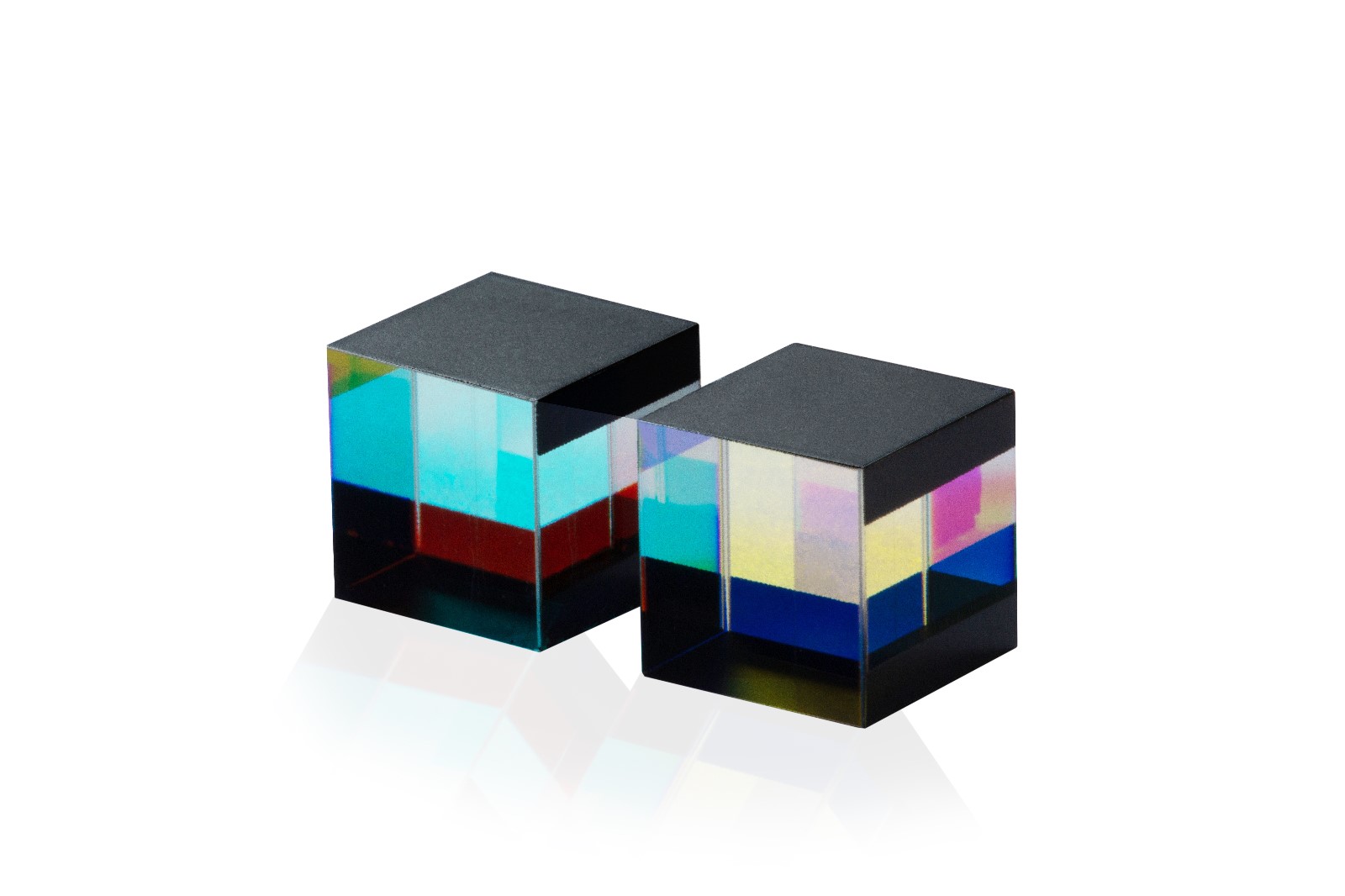
Whether you are sourcing custom interferometers, specialized spectrometers, or proprietary optical testing apparatuses, the core components—lenses, prisms, mirrors, and their housings—dictate the instrument's viability. You must clearly define these optical tolerances in your purchase agreements.
Glass Selection and Processing
Optical instruments rely on specific glass types (such as N-BK7 for general visible light or Fused Silica for UV/high-power applications). The refractive index and Abbe number must match your design specifications exactly. Substituting cheaper glass grades introduces chromatic aberration and degrades the instrument's resolving power.
Coating Technologies
Bare glass reflects roughly 4 percent of incident light per surface. In multi-element instruments, this compounds into severe light loss and internal ghosting. Specify the exact wavelength range for your Anti-Reflective (AR) or High-Reflective (HR) coatings. Ensure the factory utilizes advanced physical vapor deposition (PVD) or ion-beam sputtering (IBS) rather than outdated chemical coating methods, which degrade over time.
Need help verifying a factory's optical coating and cleanroom capabilities? Let's discuss your sourcing requirements.
Talk to our teamManufacturing and Assembly Standards
The difference between a functional prototype and a scalable, reliable optical instrument lies in the assembly environment. Optical components are highly sensitive to particulate contamination during the housing integration phase.
Factories producing high-grade optical instruments must operate ISO-certified cleanrooms (typically Class 5 or Class 7) for final assembly. If dust or moisture is sealed inside the optical path, the instrument will fail in the field. Before committing to a supplier, conducting thorough factory audits is critical to verify their cleanroom protocols, worker training, and environmental controls.
For brands developing custom equipment, leveraging OEM/ODM services requires careful attention to the mechanical housing. CNC-machined aluminum offers superior thermal stability for optical alignment compared to injection-molded plastics, which can warp under temperature fluctuations and throw the optics out of collimation.
Quality Control and Metrology
You cannot inspect optical instruments visually; you need empirical data. A robust quality control protocol must include specific metrology checks before shipment.
Essential Optical QC Checks
- Interferometry testing to verify surface accuracy and transmitted wavefront error.
- Spectrophotometer analysis to confirm coating performance across the specified wavelength spectrum.
- Collimation and optical alignment verification using autocollimators.
- Environmental stress screening (thermal cycling and humidity tests) to ensure seals hold and optics do not fog.
- Vibration testing to confirm mechanical housings retain optical alignment during transit.
Buying Mechanics: MOQs, Lead Times, and Pricing
Procuring specialized optical instruments involves significant lead times, primarily driven by the raw material supply chain and the precision machining required.
- Minimum Order Quantities (MOQs): For off-the-shelf or slightly modified optical instruments, MOQs typically range from 50 to 200 units. For fully custom OEM designs requiring new optical tooling or custom glass molding, expect MOQs starting at 500 units to offset the high initial setup costs.
- Lead Times: Standard production runs take 45 to 60 days. However, if your instrument requires custom glass blanks or specialized IBS coatings, lead times can easily extend to 90 or 120 days. Always factor this into your inventory planning.
- Pricing Drivers: The primary cost drivers are the surface quality tolerances (moving from a 60-40 scratch-dig to a 20-10 specification can double the component cost) and the complexity of the mechanical housing required to maintain alignment.
Struggling to negotiate favorable MOQs or verify technical specs with overseas optical manufacturers? Our sourcing experts can manage the process for you.
Get a free consultationSourcing specialized optical instruments is a rigorous technical exercise. Success requires moving beyond basic price negotiations and focusing heavily on a supplier's metrology equipment, cleanroom standards, and mechanical engineering capabilities. By establishing strict tolerances early and enforcing them with objective testing, you can secure reliable, high-performance optical equipment at scale.
Get Sourcing Help for Other Optical Instruments
Tell us your requirements and our experts will connect you with verified manufacturers.