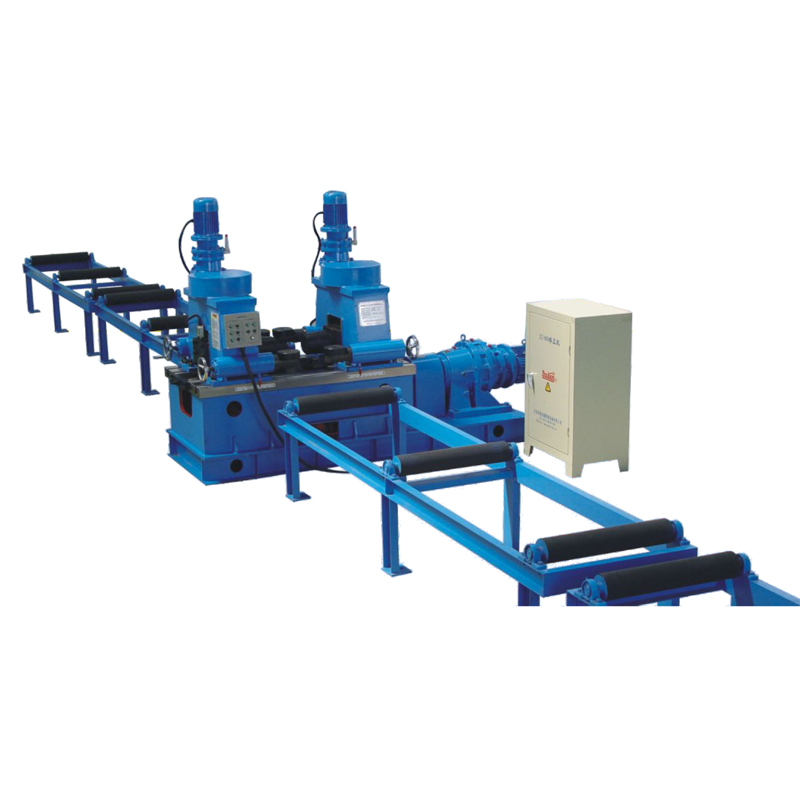
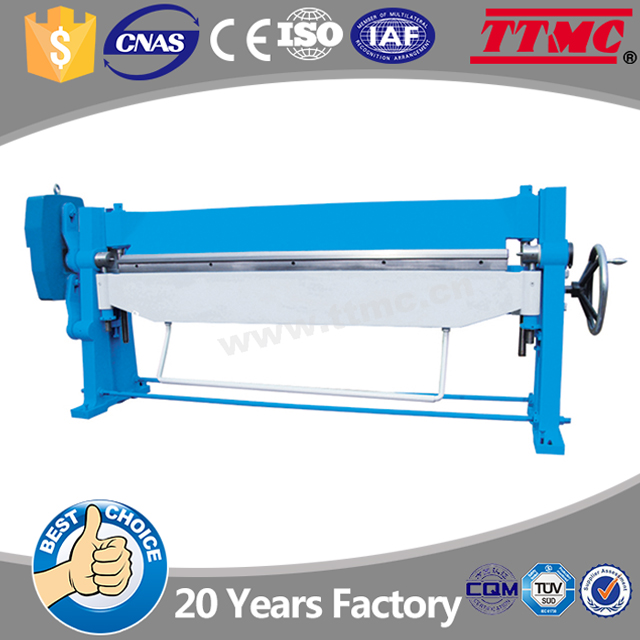
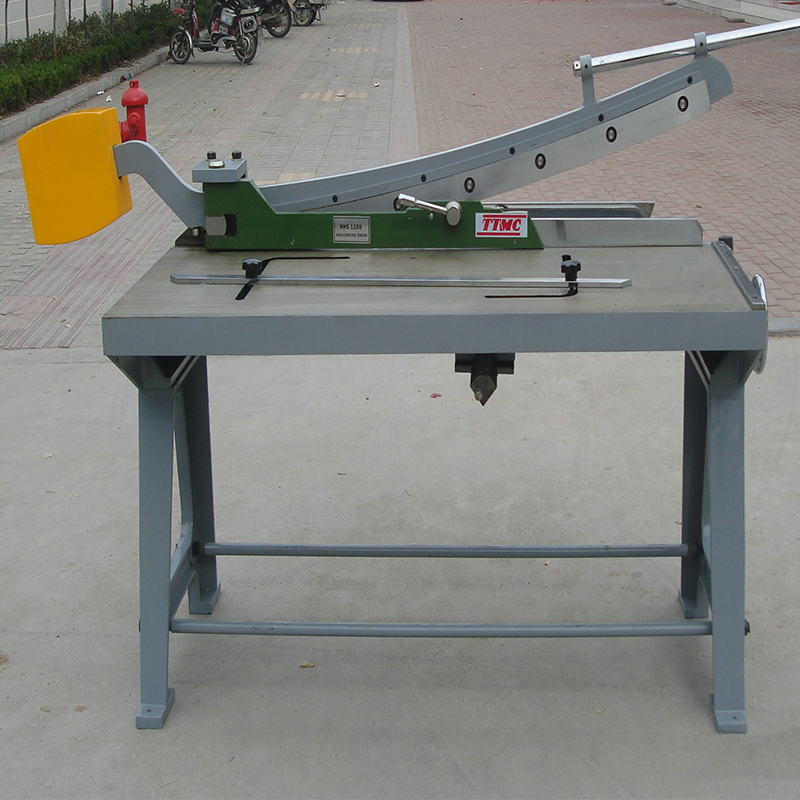
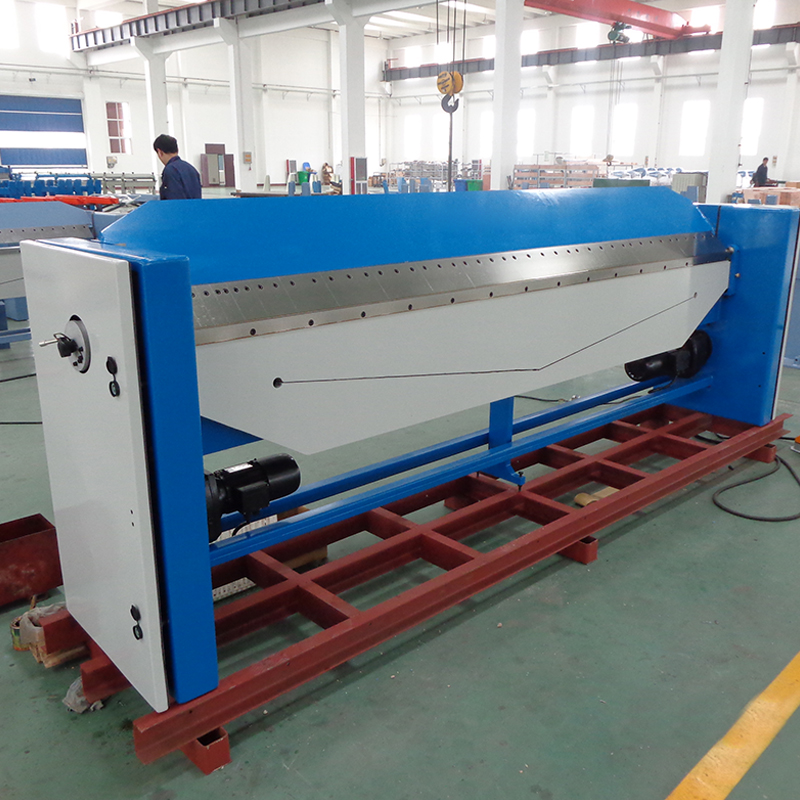
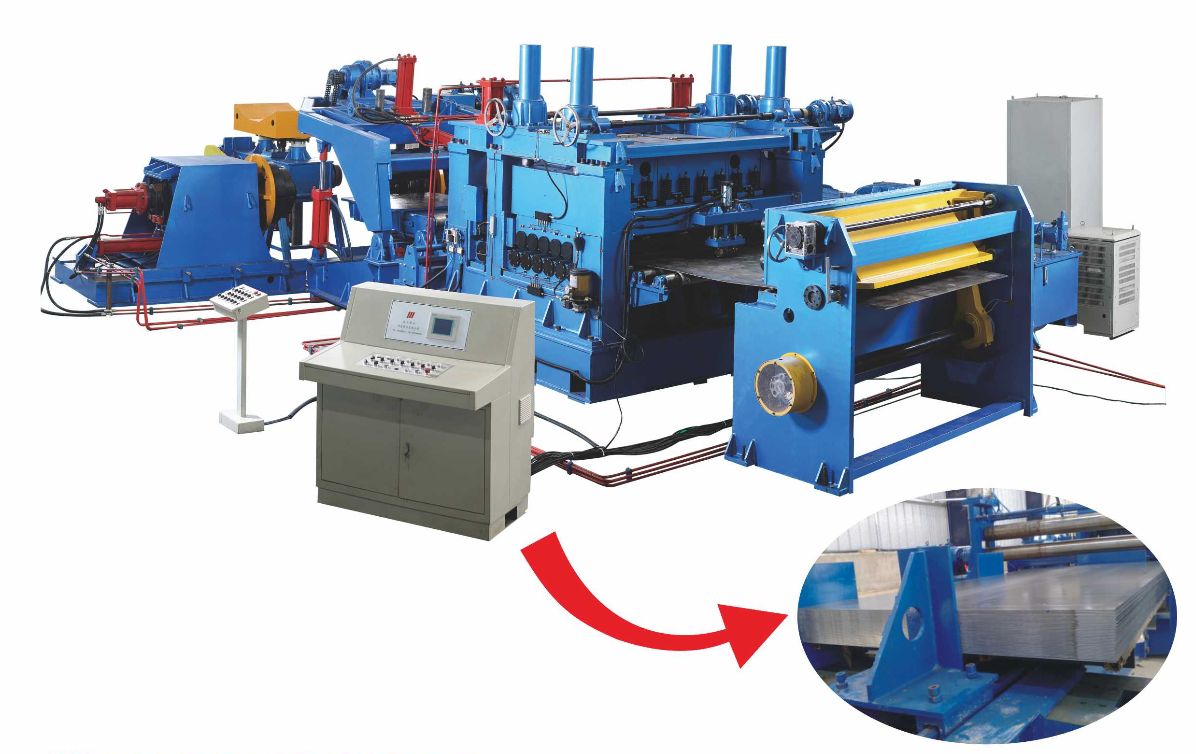
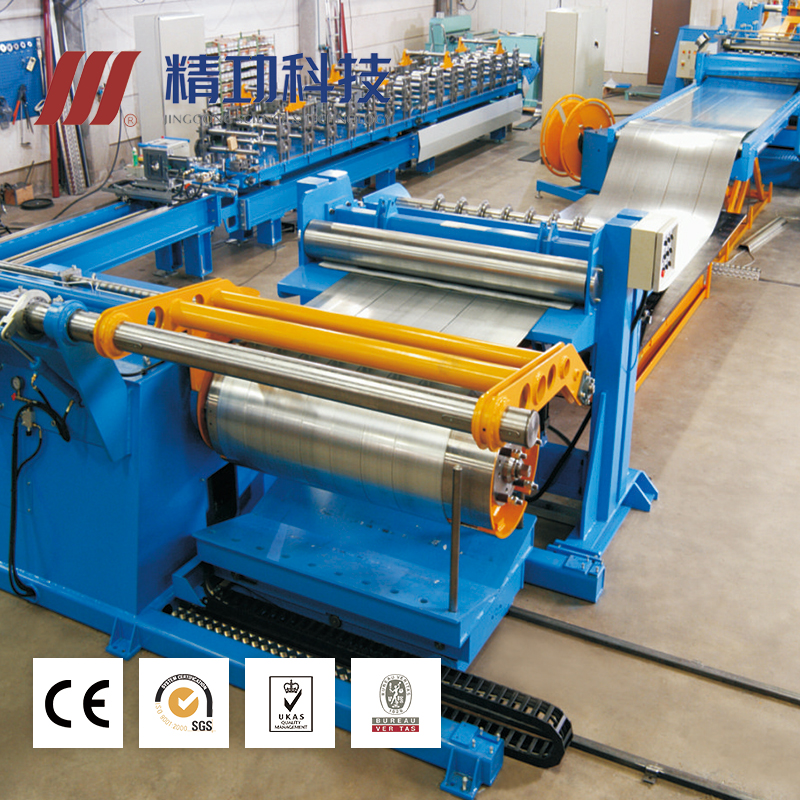
Other Metal Cutting Machine Tools
Source specialized and other metal cutting machine tools from vetted manufacturers and suppliers. This category serves importers, industrial distributors, and procurement managers looking for bulk purchasing, wholesale pricing, or custom OEM production. Find reliable factory partners for niche metalworking equipment.
Sourcing specialized metal cutting machine tools—such as broaching machines, gear hobbers, specialized slotters, or custom multi-axis centers—requires rigorous technical oversight. Because these machines fall outside standard turning and milling categories, they are often application-specific. The primary sourcing challenge is identifying manufacturers with the engineering depth to adapt machine envelopes, integrate specific CNC controllers, and guarantee rigid, vibration-free operation under heavy cutting loads.
Critical Specifications for Specialized Cutting Tools
When defining technical requirements for non-standard cutting machinery, buyers must look beyond basic dimensions and focus on the structural and kinematic elements that dictate cutting performance and tool life.
- Structural Rigidity: The foundation of any cutting tool is its bed. High-end manufacturers utilize Meehanite cast iron, which undergoes natural or artificial aging to relieve internal stresses. For highly customized dimensions, steel weldments may be used, though they require meticulous stress-relief annealing.
- Guideways: Specify whether the application requires linear guideways (for high-speed, low-friction movement) or box ways (for heavy, interrupted cuts requiring maximum vibration damping).
- Spindle and Drive Systems: Spindle runout should typically measure under 0.005mm. Direct-drive spindles offer higher speeds and lower vibration, while gear-driven spindles provide the torque necessary for heavy material removal.
- Control Systems: While many Chinese manufacturers offer domestic controllers (like GSK or Syntec) to reduce costs, industrial buyers often specify Fanuc, Siemens, or Mitsubishi for global serviceability and integration.
| Guideway Type | Friction & Speed | Load Capacity | Ideal Application |
|---|---|---|---|
| Linear Roller/Ball | Low friction, high speed | Moderate | High-speed light cutting, rapid positioning |
| Box Way (Turcite coated) | Higher friction, slower | Very High | Heavy roughing, hard metals, interrupted cuts |
Need help verifying a machine tool builder's engineering capabilities? Let's discuss your technical requirements.
Talk to our teamManufacturing Quality and Factory Vetting
The quality of a specialized machine tool is directly proportional to the equipment the factory uses to build it. A manufacturer cannot produce a machine with micron-level precision if they are machining their own cast beds on substandard boring mills.
Conducting comprehensive factory audits is non-negotiable for heavy machinery. You must verify the factory's in-house machining centers, their coordinate measuring machine (CMM) capabilities, and their assembly environment (e.g., temperature-controlled rooms for spindle assembly).
Factory Acceptance Testing (FAT) Checklist
Before any machine leaves the factory floor, a strict FAT protocol must be executed. Relying solely on the factory's internal QA is a high-risk strategy.
Pre-Shipment Inspection Protocol
- Laser interferometer testing for linear positioning and repeatability accuracy.
- Ball bar testing to verify circular interpolation and axis synchronization.
- Dynamic spindle runout and vibration analysis at maximum RPM.
- Hard cutting tests on buyer-specified material to check for chatter and surface finish.
- Electrical cabinet inspection for CE/UL compliance and proper wire labeling.
Implementing professional quality control & inspection during the FAT phase ensures that any geometric misalignments or software integration issues are corrected before the machine is packed.
MOQs, Lead Times, and Pricing Dynamics
Unlike consumer goods, specialized metal cutting machine tools are capital equipment. The sourcing mechanics reflect this complexity.
Cost Drivers
Pricing for specialized machinery is highly variable. The largest cost drivers are the CNC controller brand, the origin of critical components (e.g., Japanese NSK bearings, THK guideways, German ballscrews), and the physical size of the cast iron bed. Requesting custom work envelopes or specialized tooling turrets will increase both cost and lead time. If you are a distributor looking to build a proprietary line of specialized machines, leveraging OEM/ODM services allows you to standardize these premium components under your own brand.
Planning a complex machinery purchase? We manage the end-to-end sourcing, FAT, and logistics.
Get a free consultationLogistics and Shipping Challenges
Transporting heavy, irregularly shaped machine tools requires specialized logistics. Depending on the machine's footprint, standard closed containers may not suffice. Open-top containers or flat racks are frequently required, which significantly impacts freight costs. Furthermore, the machine must be properly coated in anti-rust protectants, vacuum-sealed in heavy-duty foil, and securely lashed to custom steel or heavy timber skids to prevent alignment shifts during ocean transit. Coordinating this with a reliable shipping & freight partner is essential to ensure the machine arrives in working order.
Frequently Asked Questions
Sourcing specialized metal cutting machine tools is a high-stakes procurement exercise where factory engineering capability matters far more than baseline pricing. Success depends on rigorous technical specifications, aggressive on-site testing, and meticulous shipping preparation.
Get Sourcing Help for Other Metal Cutting Machine Tools
Tell us your requirements and our experts will connect you with verified manufacturers.