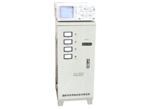
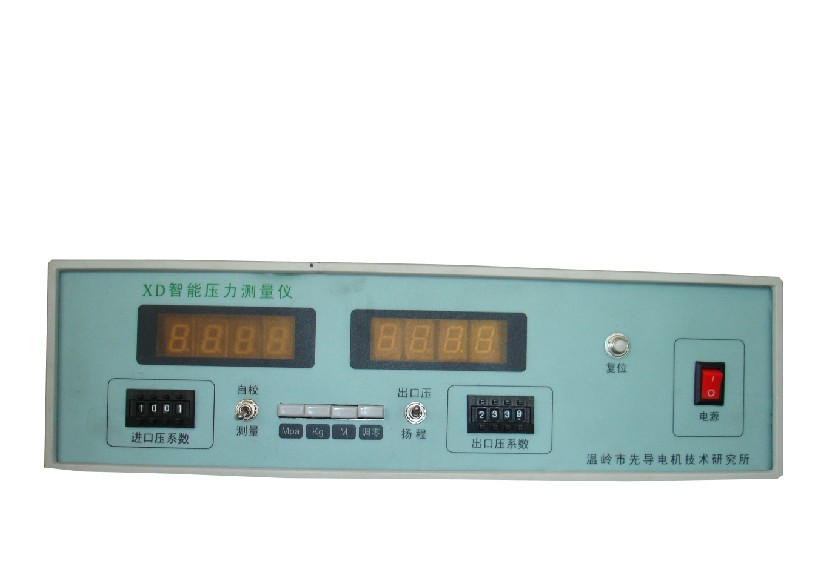
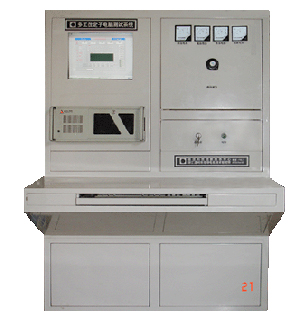
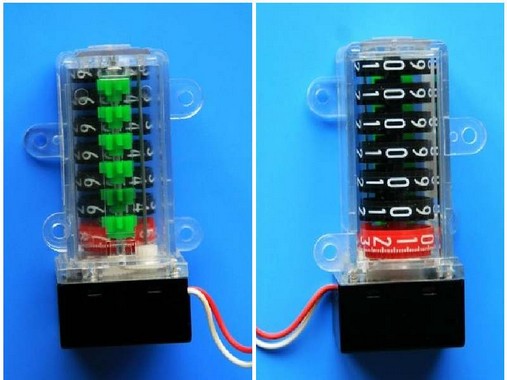
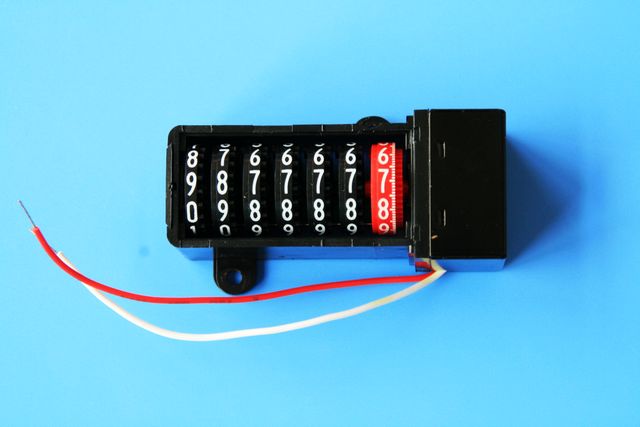
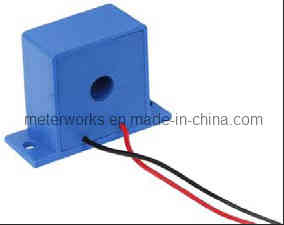
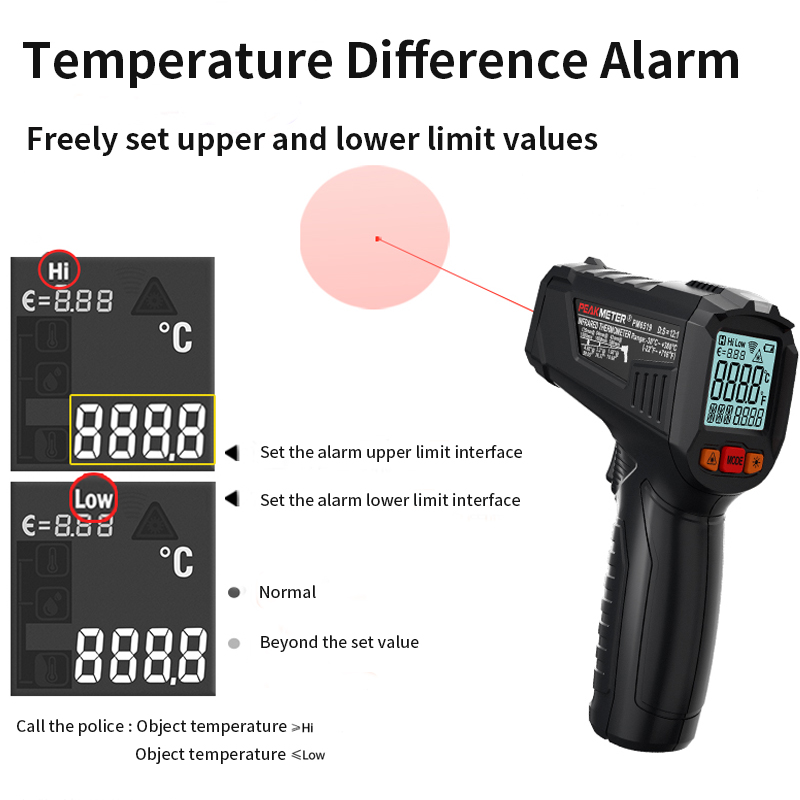
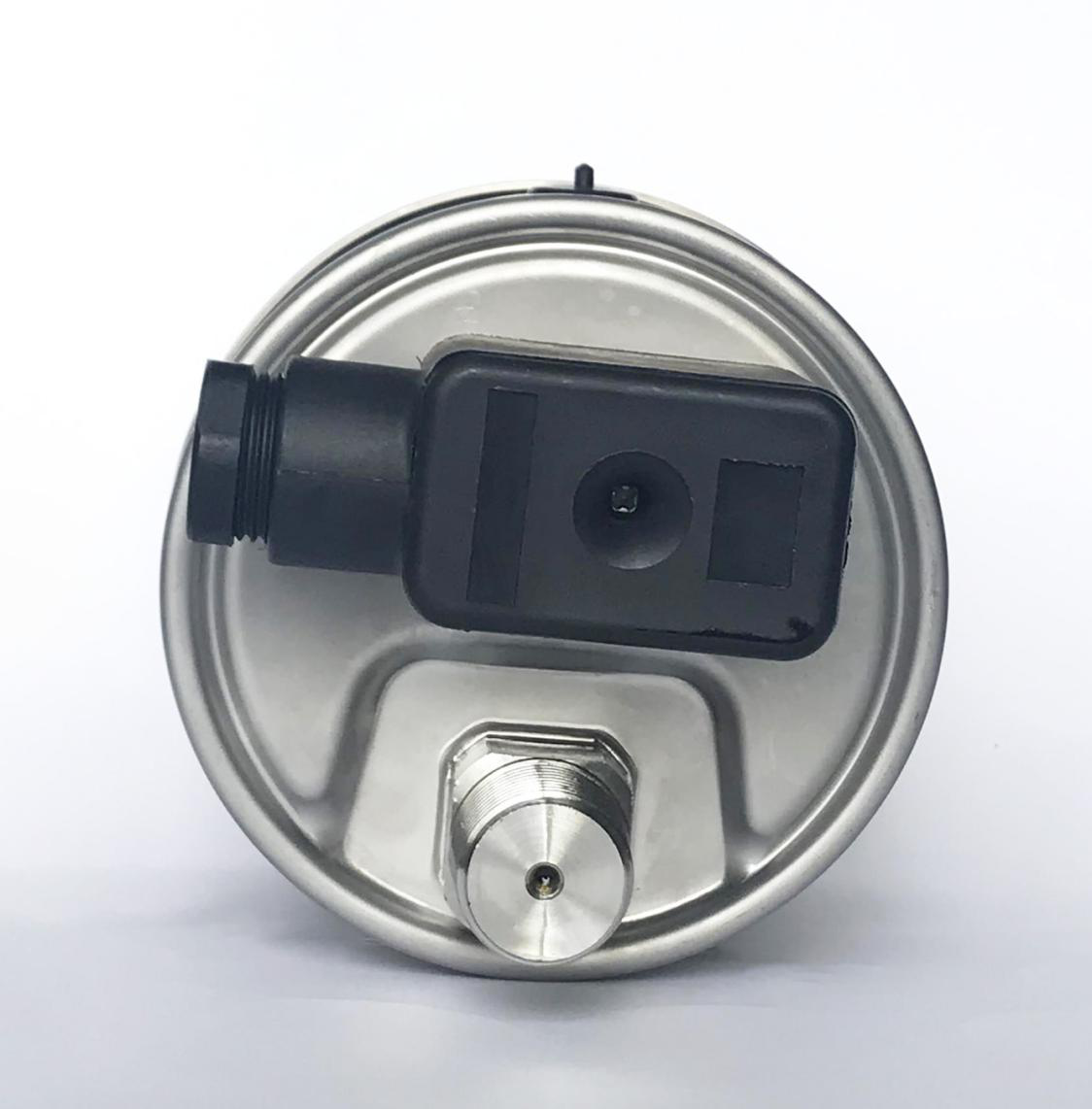
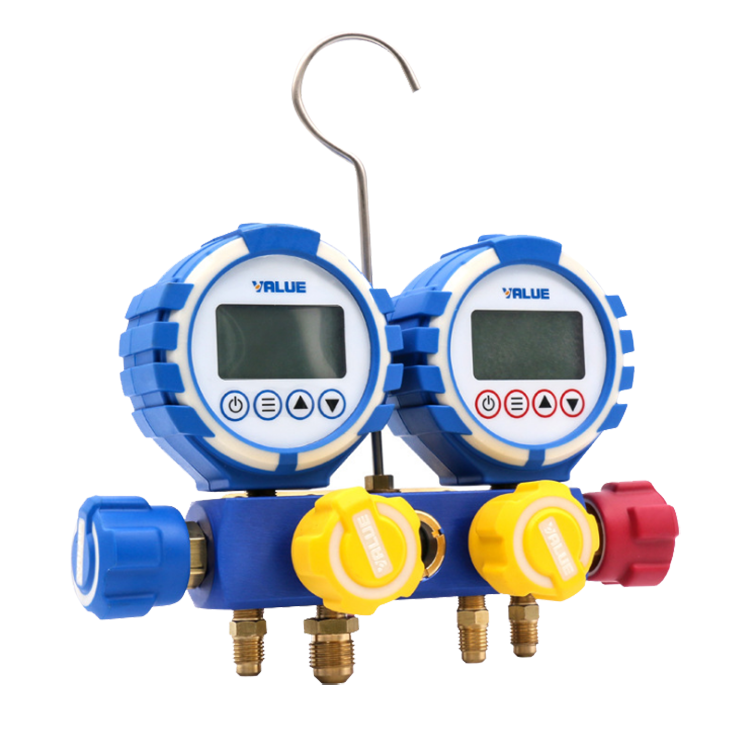
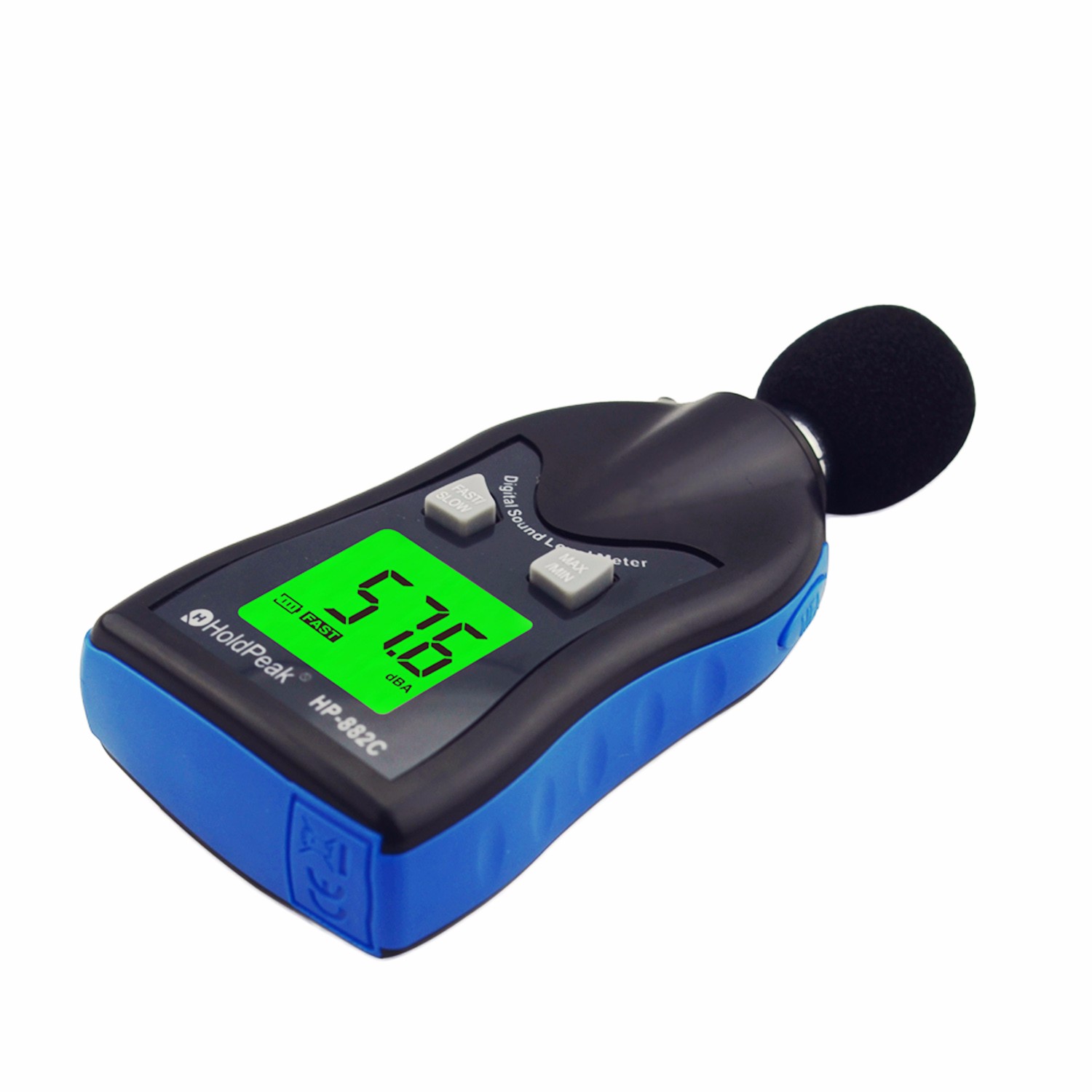
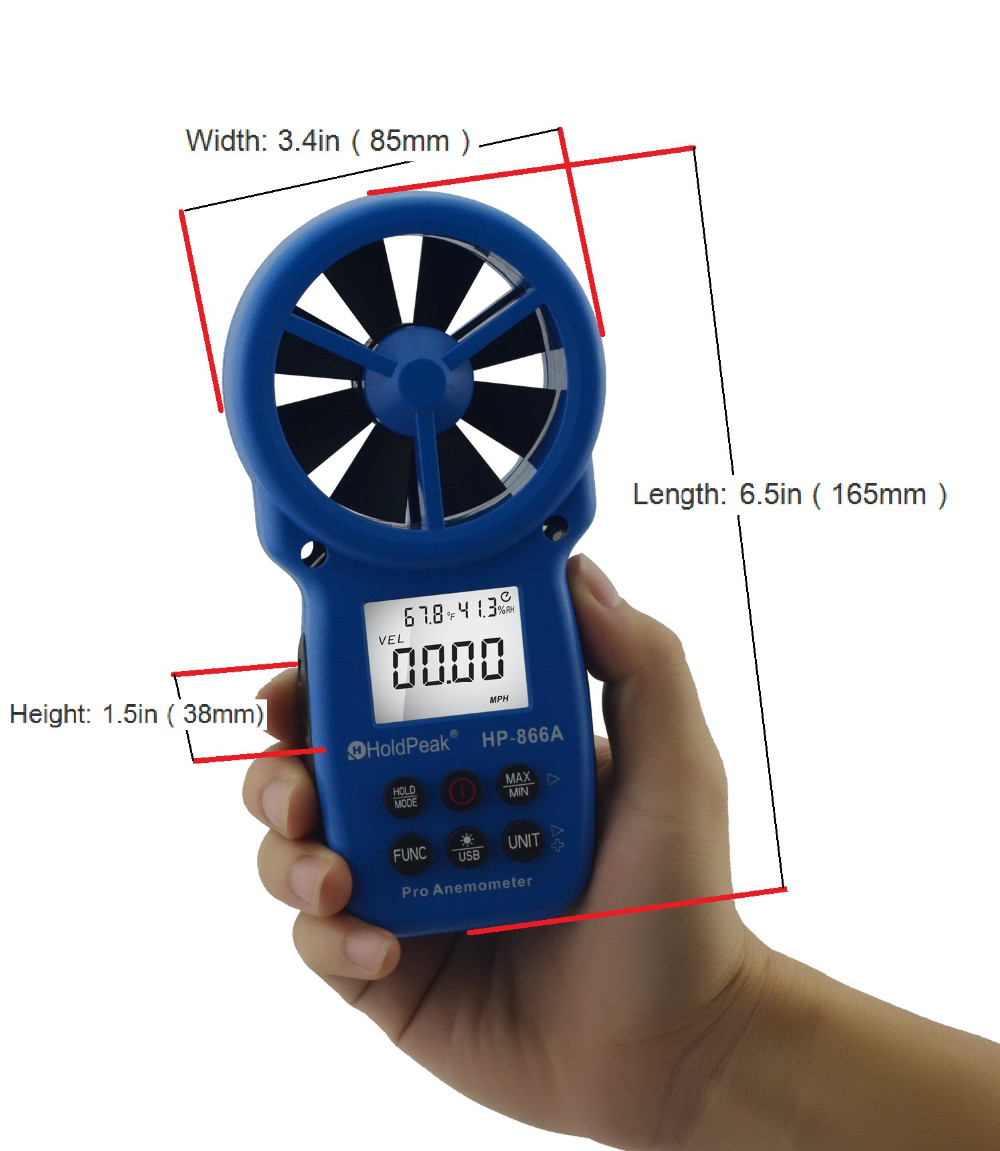
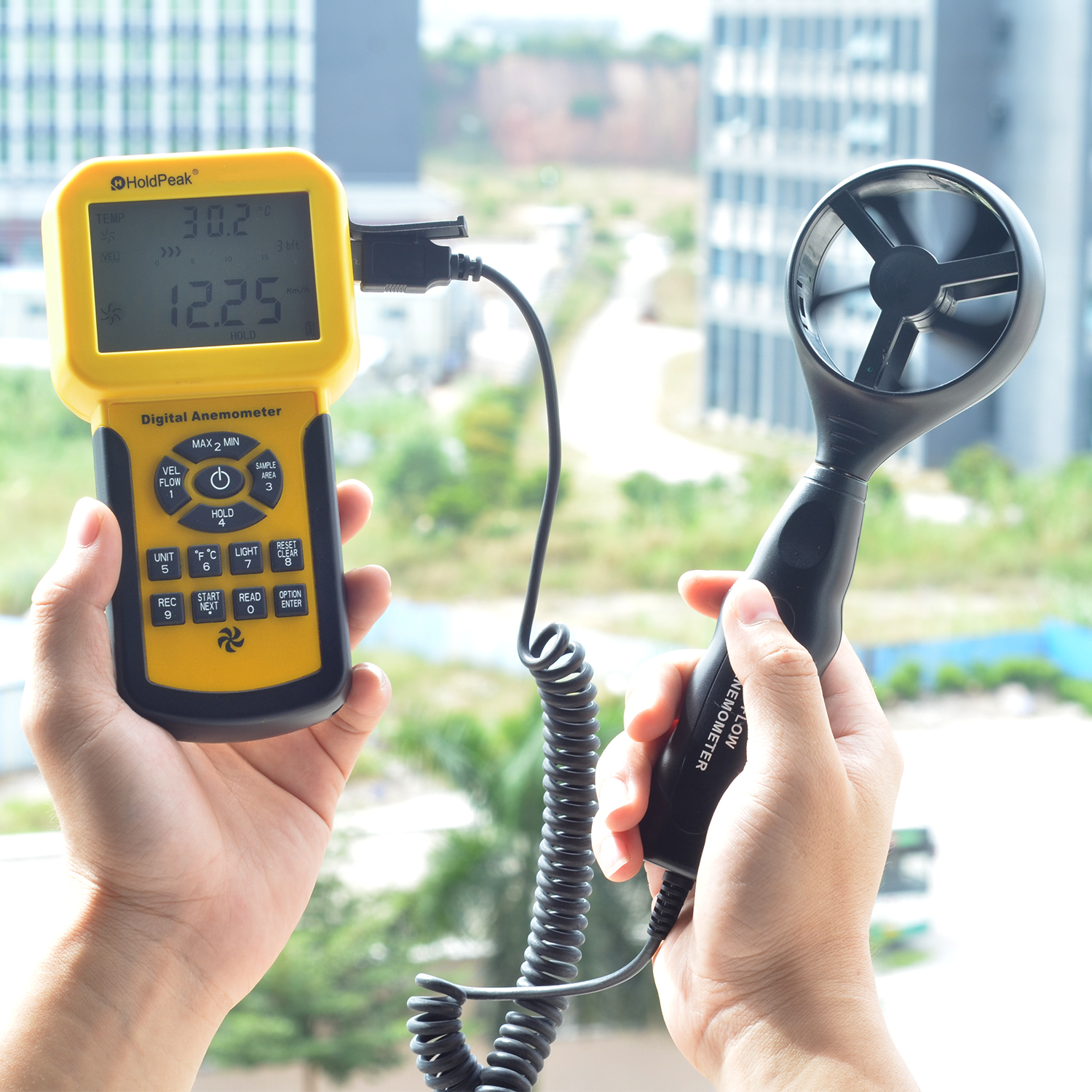
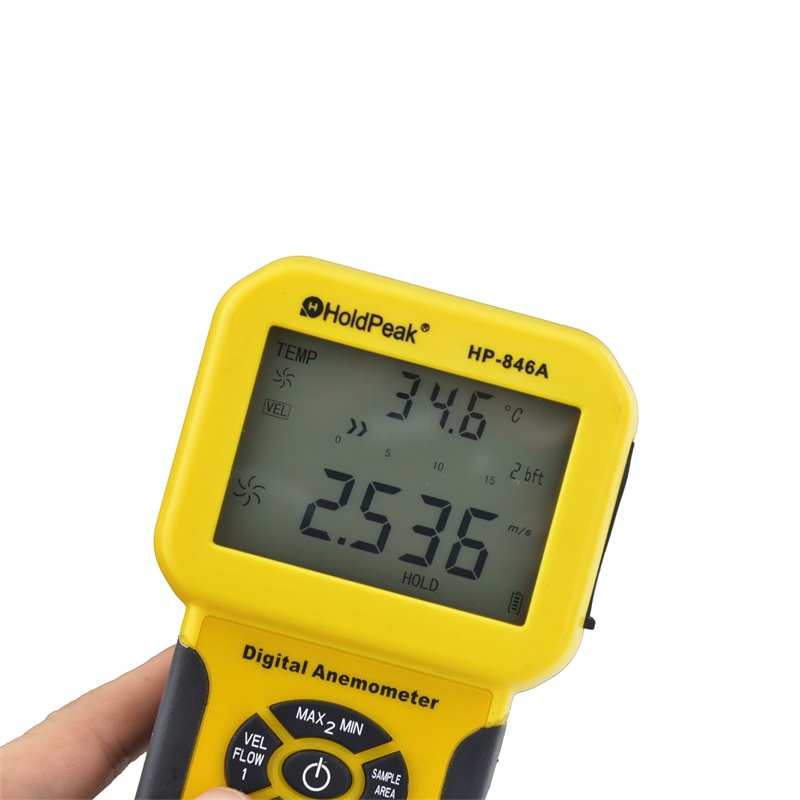
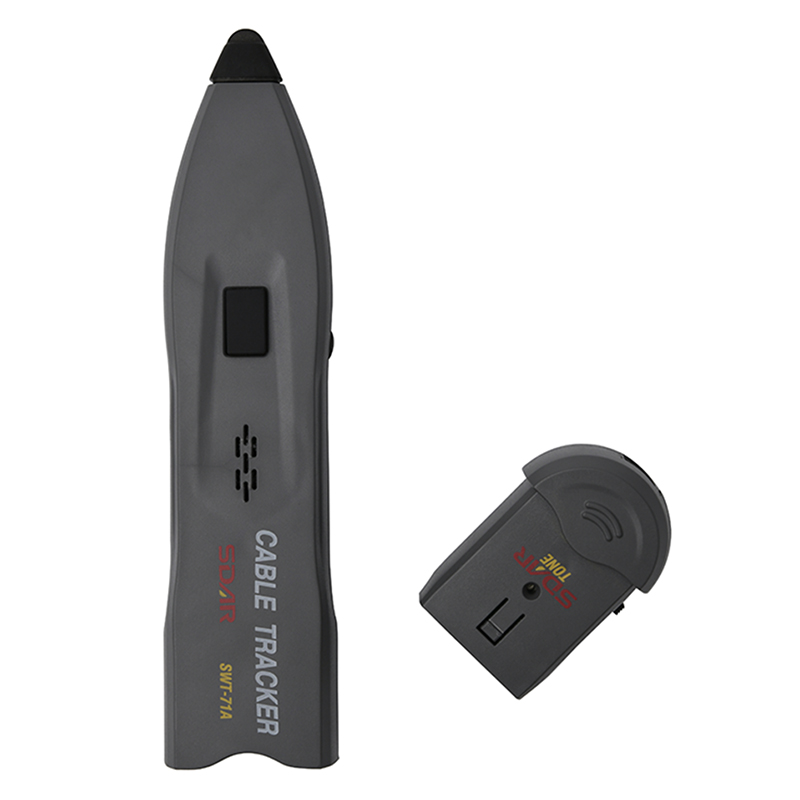
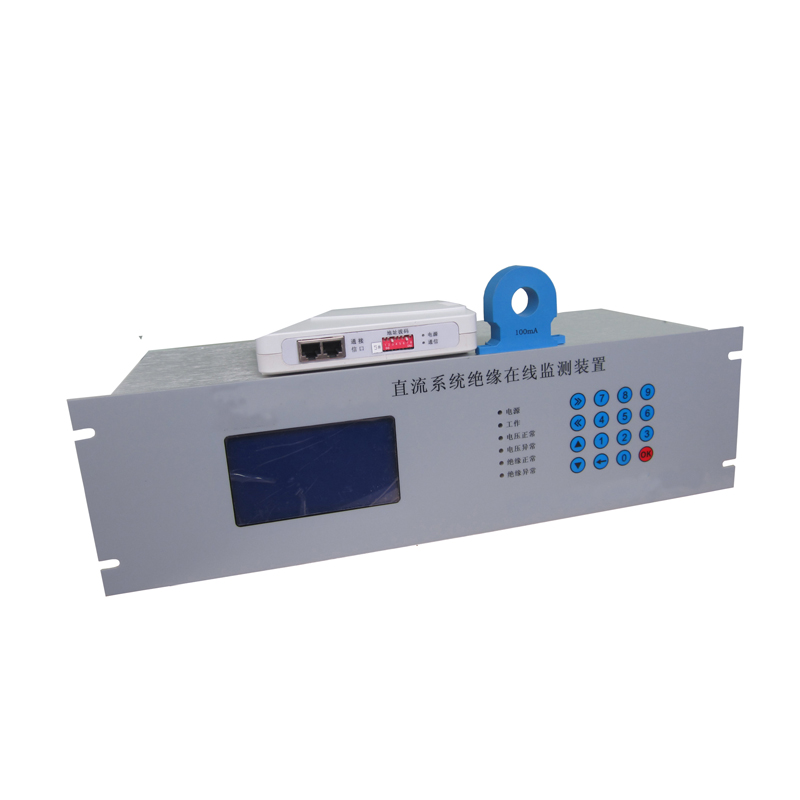
Other Electrical Instruments
Source specialized and custom electrical instruments directly from vetted manufacturers and factories in Asia. Designed for B2B importers, industrial distributors, and brands seeking OEM/ODM production of niche testing, measurement, and monitoring equipment at reliable wholesale volumes.
When sourcing specialized electrical testing and measurement equipment outside standard high-volume categories, the primary challenge shifts from simple assembly to precision engineering and component reliability. Whether you are developing custom monitoring devices for industrial automation, specialized diagnostic tools, or proprietary sensor arrays, the manufacturer must demonstrate rigorous control over component sourcing, PCB assembly, and final calibration.
Finding a factory capable of producing generic consumer electronics is straightforward; finding one with the engineering depth to handle low-noise analog circuits, industrial communication protocols, and strict accuracy tolerances requires a much deeper vetting process.
Defining Specifications for Niche Instruments
Because "other electrical instruments" covers a vast array of specialized devices, buyers must tightly control the technical specification sheet. Ambiguity in your RFQ will result in factories substituting commercial-grade components where industrial-grade resilience is required.
Key parameters to define include:
- Accuracy Class and Resolution: Specify the maximum allowable error percentage over the full scale.
- Operating Environment: Industrial instruments often require operating temperature ranges of -20 to 85 degrees Celsius and specific IP ratings (e.g., IP65 or IP67) for dust and moisture resistance.
- Communication Interfaces: Specify required outputs, such as 4-20mA analog, RS-485, Modbus RTU, or HART protocols, ensuring the factory has experience implementing these without signal degradation.
- Power Supply Tolerance: Define acceptable voltage fluctuations and required surge protection levels.
| Specification Area | Commercial Grade | Industrial / Specialized Grade |
|---|---|---|
| Component Tolerance | 1 to 5 percent | 0.1 to 1 percent |
| Operating Temp | 0 to 40 degrees C | -20 to 85 degrees C |
| EMC Protection | Basic shielding | Galvanic isolation, heavy shielding |
| Calibration | Batch sampling | 100 percent individual unit calibration |
Need help identifying factories with proven high-precision manufacturing capabilities?
Talk to our teamManufacturing and Calibration Tolerances
The physical assembly of specialized electrical instruments—injection-molded housings and surface-mount technology (SMT) PCB production—is relatively standardized. The true differentiator between a capable manufacturer and a high-risk supplier is their approach to sensor integration and calibration.
A reliable facility will have dedicated, environmentally controlled areas for calibration. If a factory relies entirely on third-party labs for basic functional calibration, they lack the internal quality loops necessary to catch systemic manufacturing defects early. Conducting comprehensive Factory Audits is essential to verify that the supplier actually owns the calibration equipment they claim to have.
Critical Factory Verification Points
- In-house calibration rigs traceable to international standards (e.g., ISO/IEC 17025).
- Anti-static (ESD) protocols enforced throughout the assembly line.
- Automated Optical Inspection (AOI) for all PCB assemblies.
- Dedicated burn-in chambers for environmental stress screening.
Quality Control and Compliance Standards
Specialized instruments often face stringent regulatory and safety requirements, particularly if they are used in industrial, medical, or high-voltage environments.
Catching defects requires rigorous Quality Control & Inspection protocols. Standard AQL (Acceptable Quality Limit) inspections are often insufficient for precision instruments. Instead, buyers should mandate 100 percent functional testing and extended burn-in periods.
Common testing protocols include:
- Aging and Burn-In: Running the instruments at elevated temperatures for 48 to 72 hours to identify early component failures (infant mortality).
- Electromagnetic Compatibility (EMC): Testing for both emissions and immunity to ensure the instrument does not interfere with, or suffer interference from, other industrial equipment.
- Dielectric Withstand (Hi-Pot) Testing: Ensuring the insulation can handle high voltage spikes without breaking down.
If your instruments require specific market certifications (such as CE, FCC, RoHS, or UL), it is highly recommended to manage Compliance & Testing through accredited third-party laboratories rather than relying solely on the factory's internal certificates, which may be outdated or apply to different product variations.
Typical MOQs, Lead Times, and Sourcing Economics
Because specialized electrical instruments serve niche markets, factories are generally more flexible with Minimum Order Quantities (MOQs) compared to consumer electronics. However, customized elements—such as proprietary firmware, unique sensor arrays, or custom-tooled enclosures—will increase upfront Non-Recurring Engineering (NRE) costs.
When engaging a factory for custom instrumentation, ensure that ownership of the firmware, PCB schematics, and tooling is clearly defined in your manufacturing agreement. Engaging an experienced partner for OEM/ODM Services can help structure these agreements to protect your intellectual property while ensuring smooth production scaling.
Ensure your custom instrumentation meets strict accuracy and compliance standards before leaving the factory.
Get a free consultationFrequently Asked Questions
Sourcing specialized electrical instruments requires moving beyond standard procurement practices and deeply evaluating a manufacturer's engineering and quality assurance capabilities. A precision instrument is only as reliable as the testing rig used to validate it on the factory floor. Partnering with experienced sourcing professionals ensures your technical requirements are met without compromise.
Get Sourcing Help for Other Electrical Instruments
Tell us your requirements and our experts will connect you with verified manufacturers.