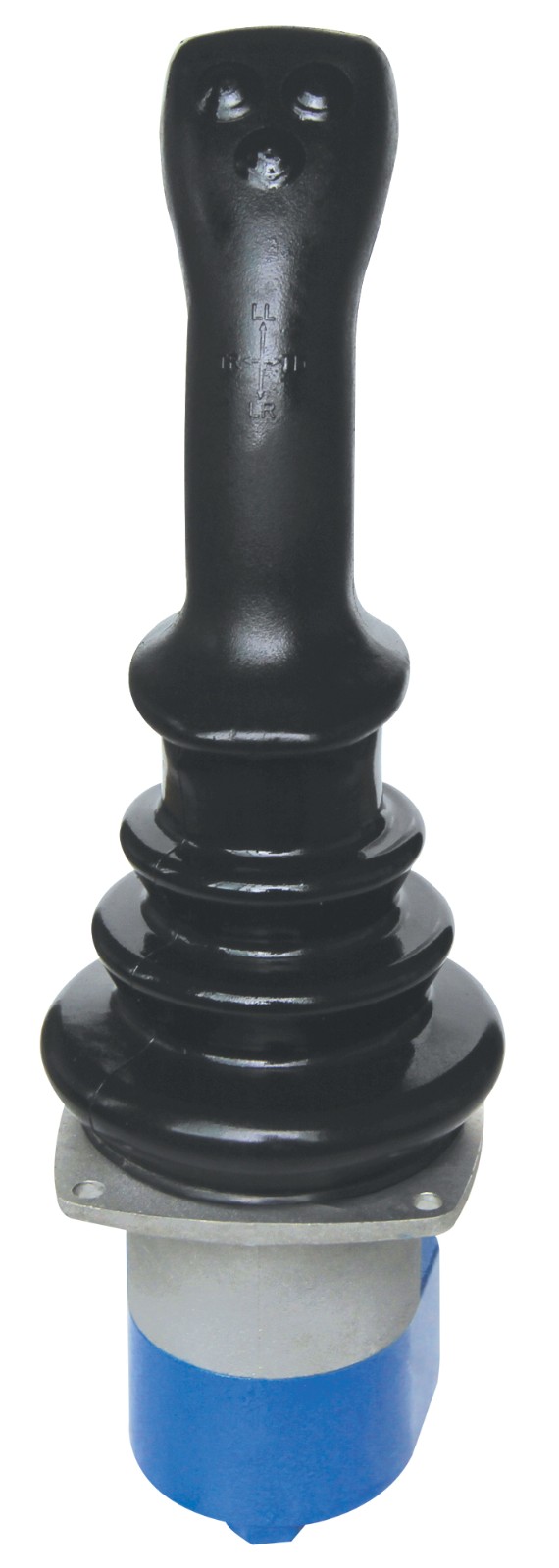
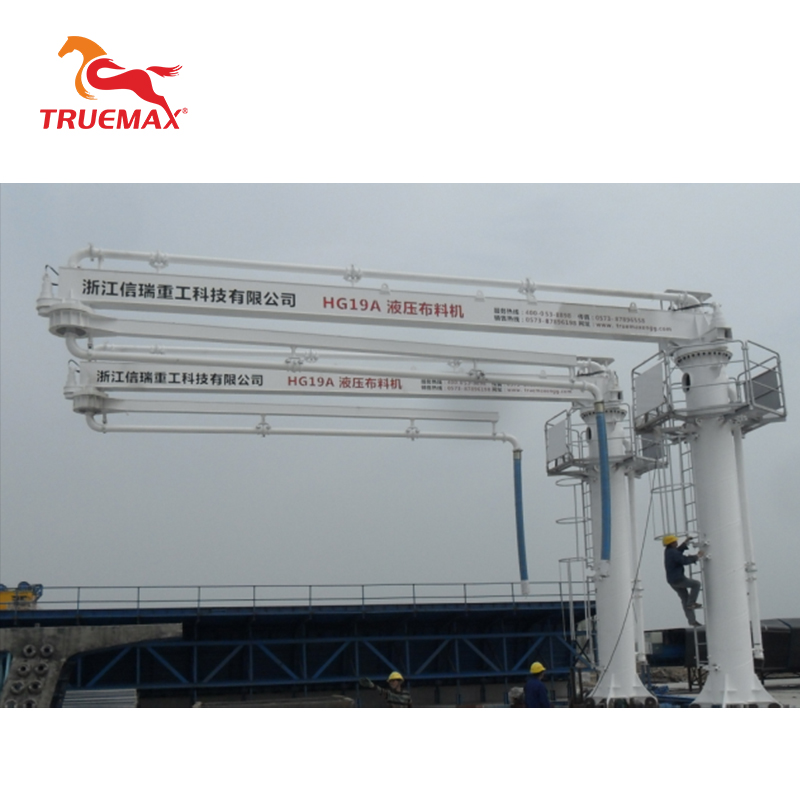
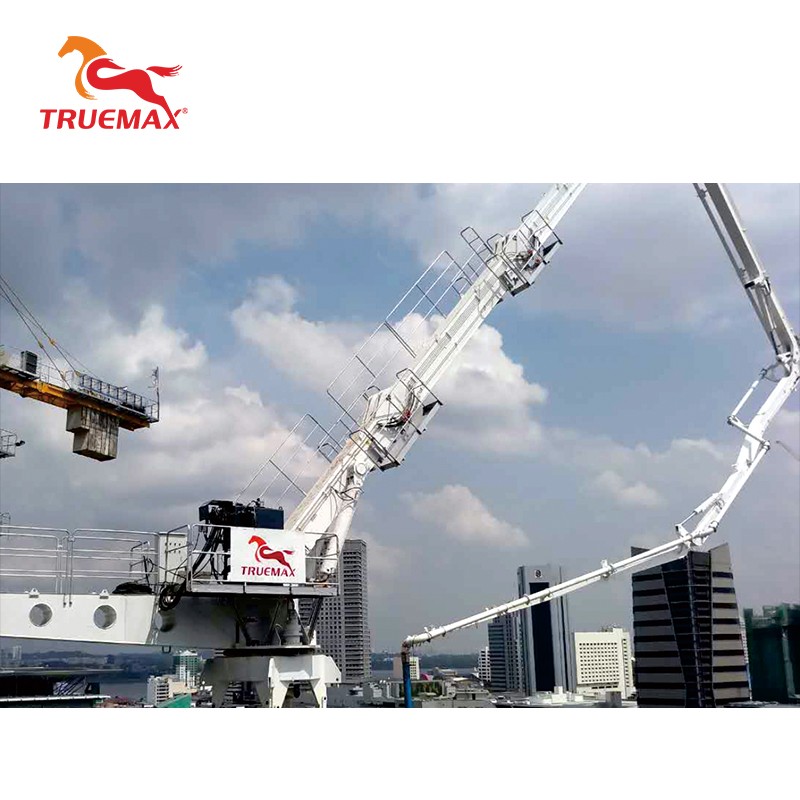
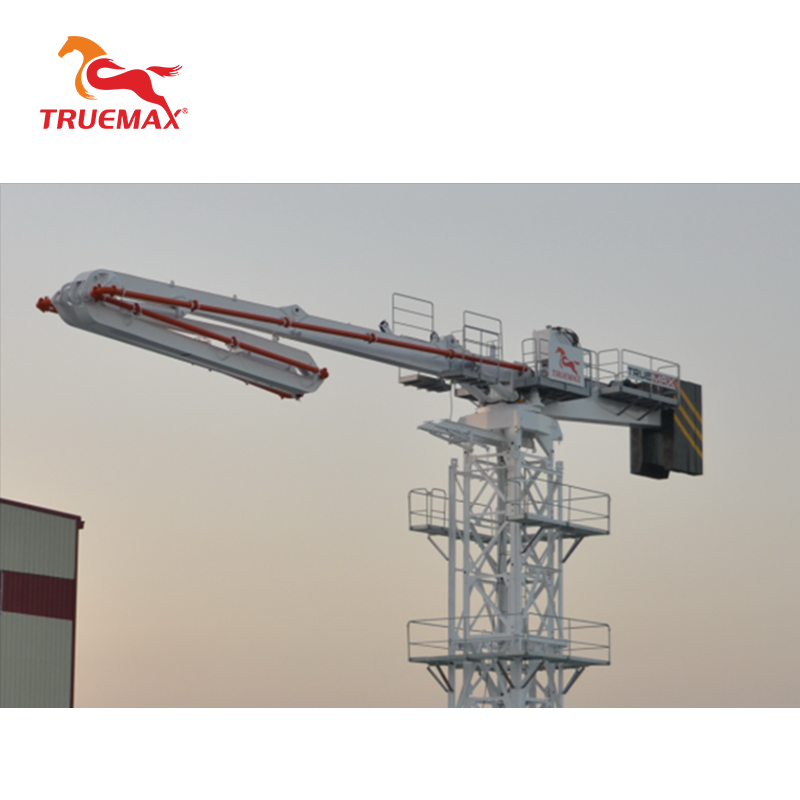
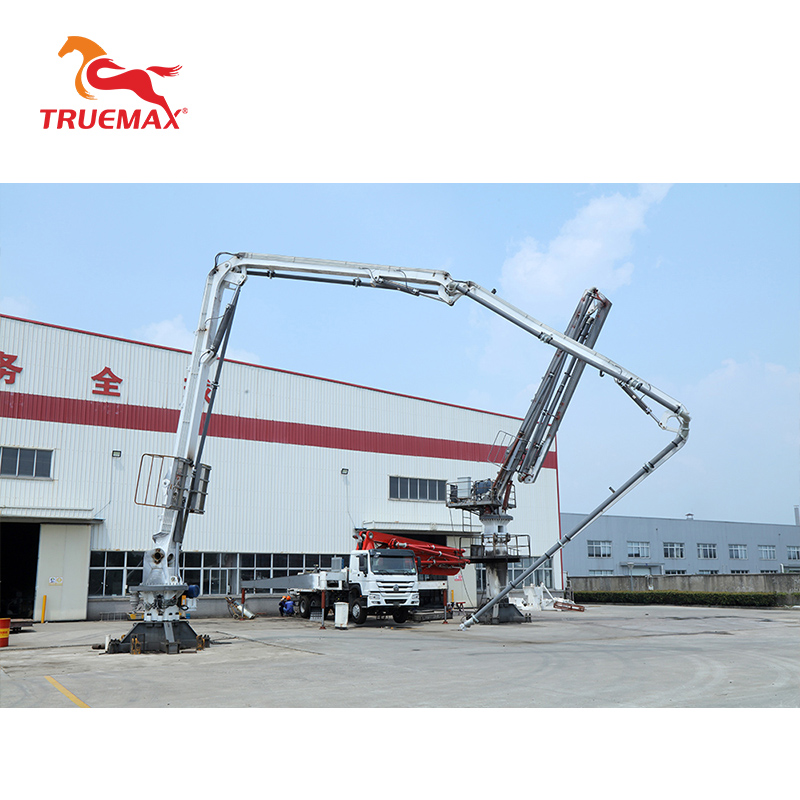
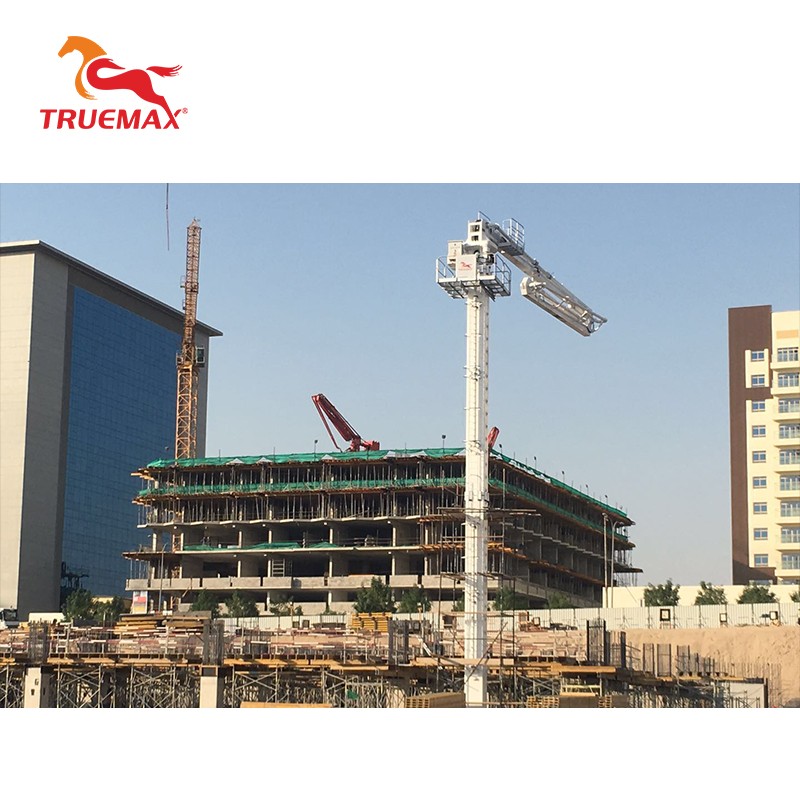
Other Concrete Machinery
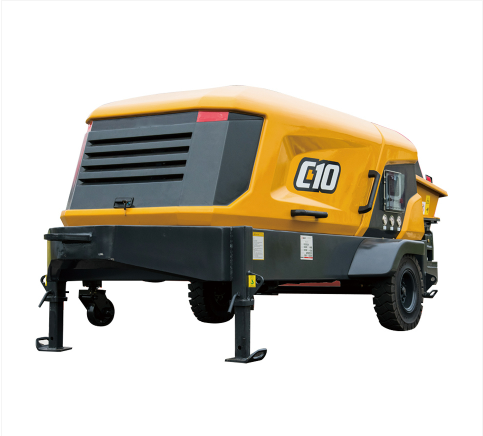
Source specialized and auxiliary Other Concrete Machinery from vetted suppliers and manufacturers. Designed for construction equipment importers, wholesalers, distributors, and brands seeking OEM production, our network provides direct access to high-performance surface prep, finishing, and placing equipment built for heavy-duty commercial use.
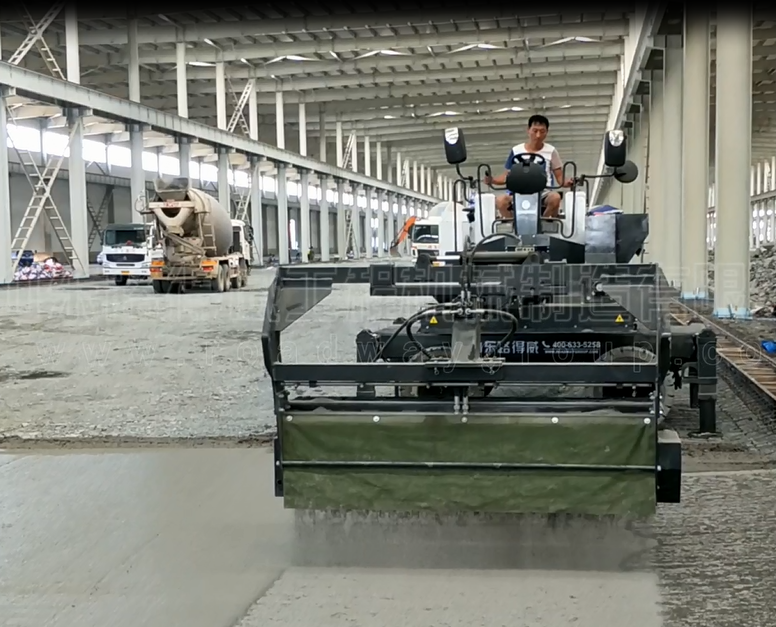
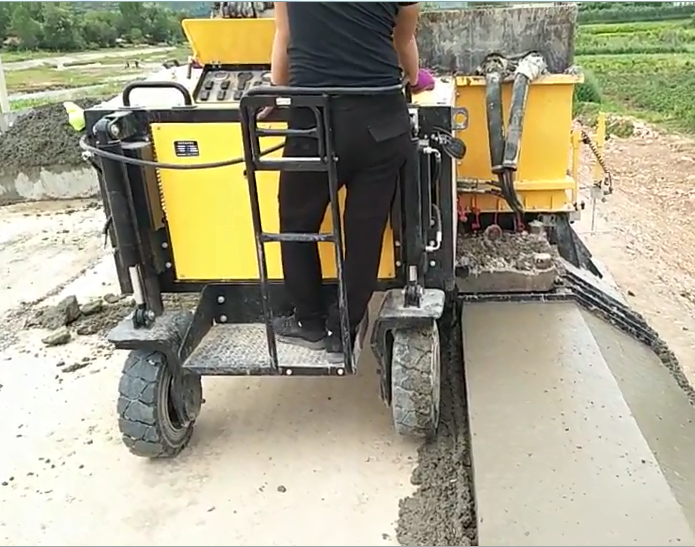
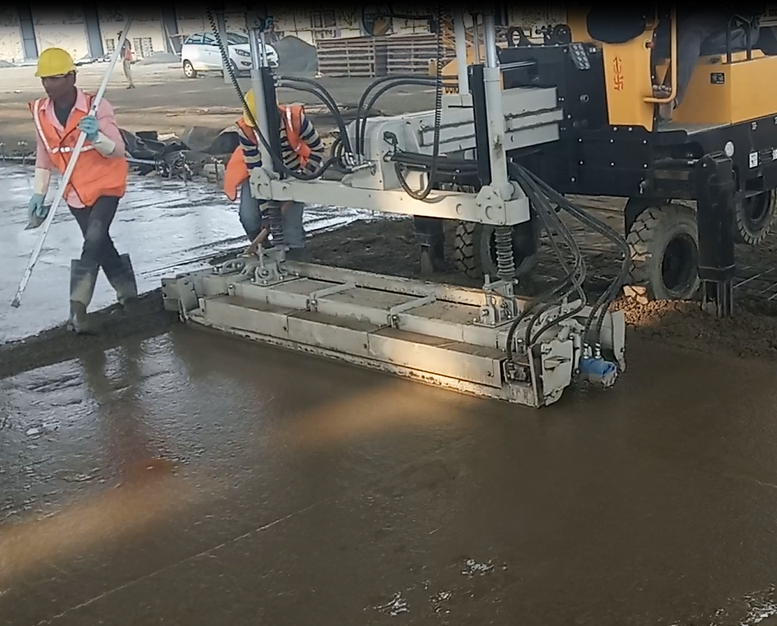
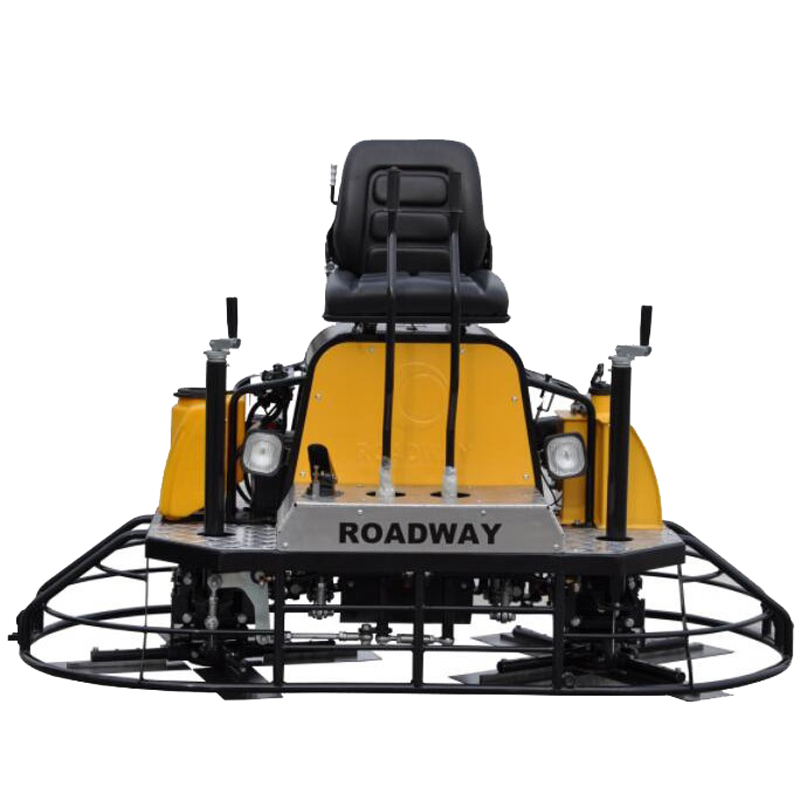
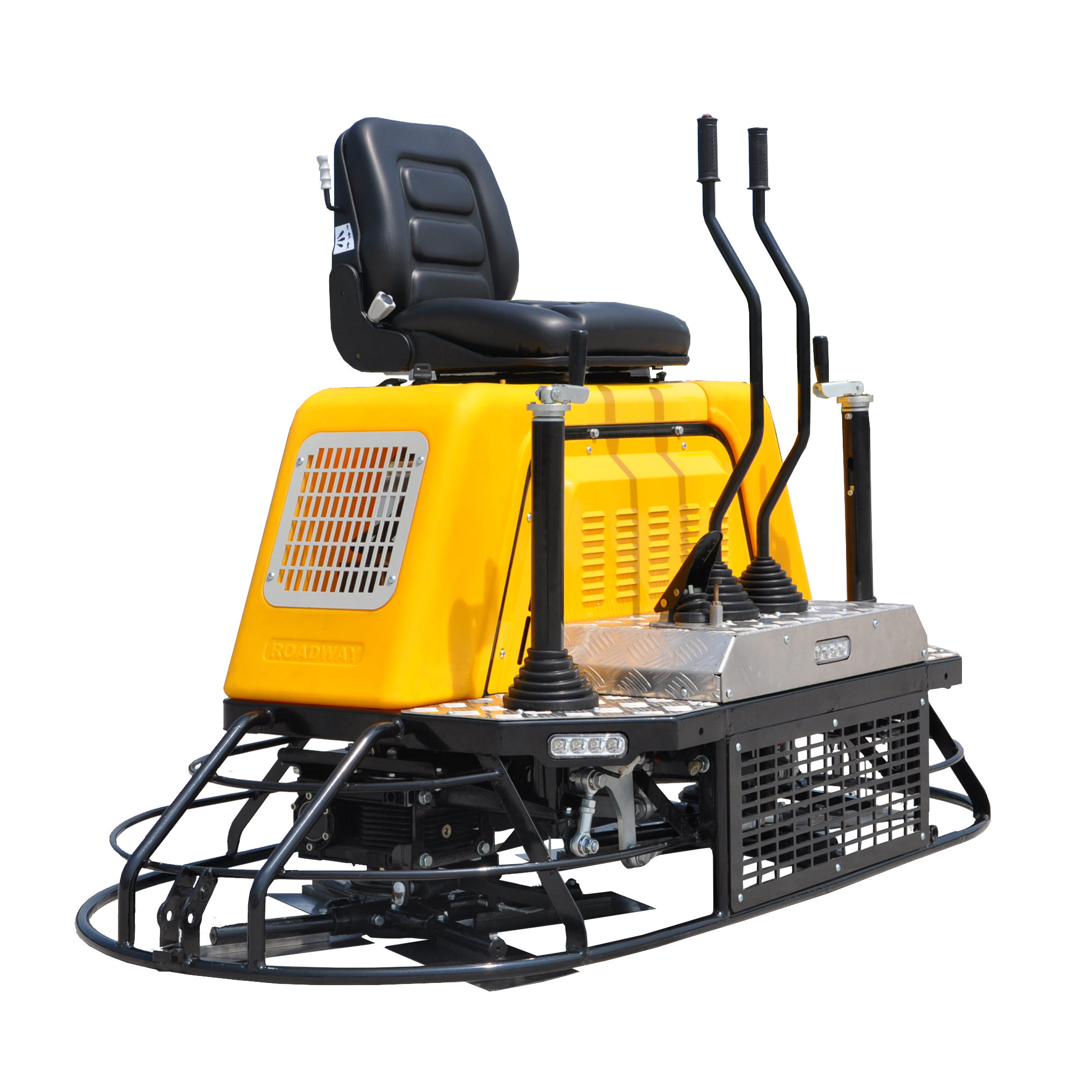
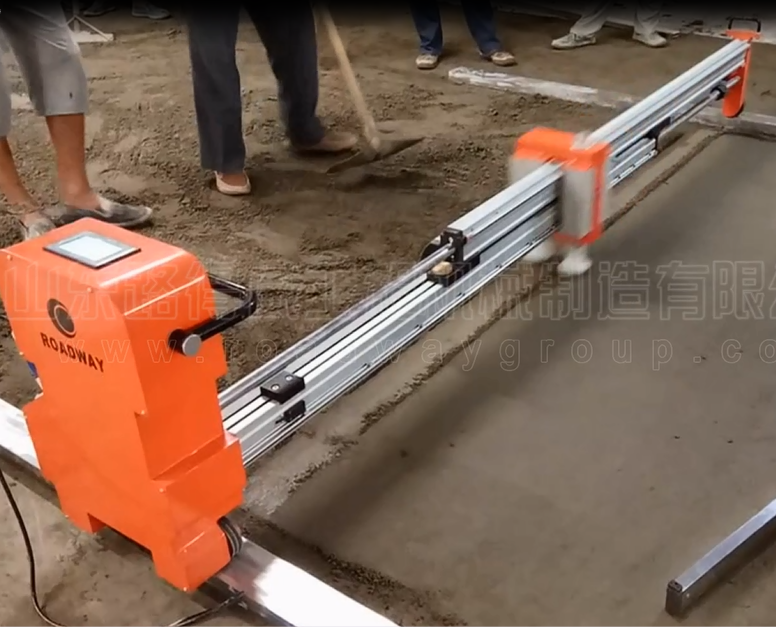
Auxiliary and finishing concrete machinery—encompassing equipment like power trowels, vibratory screeds, scarifiers, and specialized shotcrete machines—forms the critical backbone of surface preparation and structural finishing. For volume buyers, the primary sourcing challenge is distinguishing true manufacturers with in-house machining capabilities from basic assembly workshops that simply bolt together low-grade, off-the-shelf components. Securing reliable equipment requires a deep understanding of drive systems, gearbox integrity, and wear-part metallurgy.
Critical Component Specifications
When sourcing specialized concrete machinery, the difference between a unit that lasts for years and one that fails on the first job site lies in the core components. You must specify exact requirements for the engine/motor, gearbox, and wear parts on your purchase orders.
| Component | Standard Commercial Grade | Heavy-Duty / Industrial Grade |
|---|---|---|
| Drive Systems (Gas/Diesel) | Generic clones, unverified emissions | EPA / Euro V compliant, brand-name engines (e.g., Honda, Kohler) |
| Electric Motors | Aluminum-wound stators, IP44 rating | 100% Copper-wound stators, IP54 or IP55 dust/water protection |
| Gearboxes | Cast aluminum housing, standard seals | Precision-machined cast iron or heavy-duty aluminum, double lip seals |
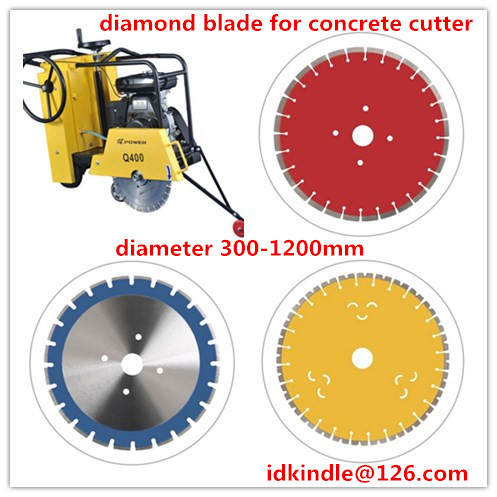
| Wear Parts (Blades/Cutters) | Standard carbon steel | High-carbon steel or Tungsten carbide inserts |
Gearbox and Bearing Integrity
Concrete dust is highly abrasive and acts as a grinding compound if it breaches the equipment's internal mechanics. Ensure your supplier uses double-lip seals and high-quality, sealed bearings (such as NSK or SKF equivalents). For power trowels and screeds, the worm gear mechanism must be precision-machined; excessive tolerances here lead to rapid overheating and mechanical failure under load.
Struggling to verify the component quality of overseas machinery suppliers? We can help vet factories and audit their supply chains.
Talk to our teamManufacturing Tolerances and Quality Control
Many factories in major industrial hubs (like Shandong and Zhejiang) can produce visually identical machines, but their internal quality control processes dictate the actual performance. A robust quality control and inspection protocol is non-negotiable before these heavy machines are loaded into a container.
Pre-Shipment Inspection Checklist for Concrete Machinery
- Verify engine/motor serial numbers and emissions certification plates.
- Perform run-out tests on rotating shafts to ensure tolerances are under 0.05mm.
- Test emergency stop switches and dead-man clutches under full operational vibration.
- Inspect weld penetration on structural frames and handle assemblies.
- Check gearbox oil levels and inspect for micro-leaks around seals.
For brands looking to establish their own line of equipment, working with a factory that offers comprehensive OEM/ODM services is crucial. This allows you to specify custom paint codes (powder coating is highly recommended over standard spray paint for concrete environments), reinforced handle structures, and specific engine pairings.
Purchasing Dynamics: MOQs, Lead Times, and Pricing
Procurement managers must balance unit costs with freight efficiency. Because these machines vary wildly in size—from handheld concrete vibrators to ride-on power trowels—MOQs and production times scale accordingly.
Pricing is heavily dictated by the engine choice and the raw material costs of steel and aluminum. Upgrading from a generic engine to an EPA-certified name-brand engine can increase the unit cost by 30 to 50 percent, but it is often a mandatory requirement for import compliance in North American and European markets. Conducting thorough factory audits ensures your chosen supplier actually has the financial stability and production capacity to secure these premium components at scale.
Need to negotiate better terms or consolidate shipments from multiple machinery manufacturers? Let our sourcing experts manage the process.
Get a free consultationFrequently Asked Questions
Sourcing concrete machinery is an exercise in risk management. The upfront unit cost is only a fraction of the total cost of ownership; a machine that breaks down on a job site costs your end-users exponentially more in lost labor and delayed pours. By enforcing strict component specifications and rigorous pre-shipment testing, you can build a resilient, highly profitable equipment supply chain.
Get Sourcing Help for Other Concrete Machinery
Tell us your requirements and our experts will connect you with verified manufacturers.