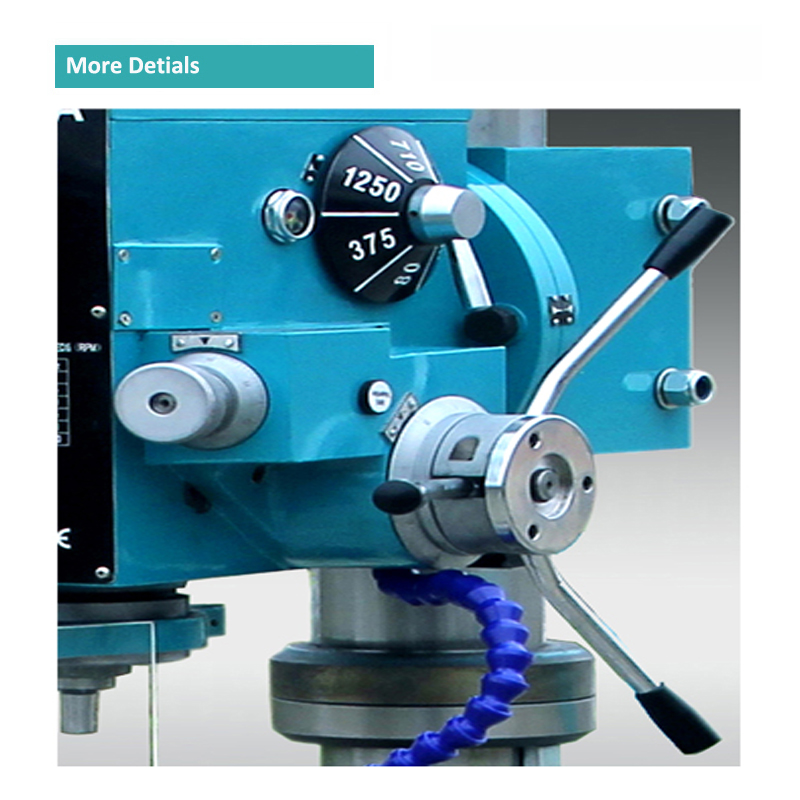
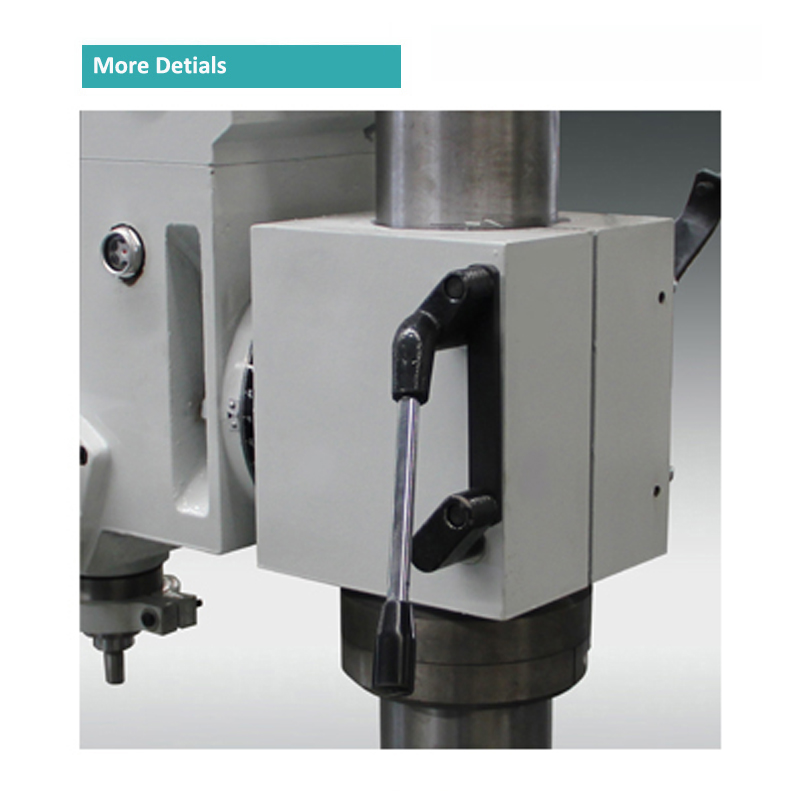
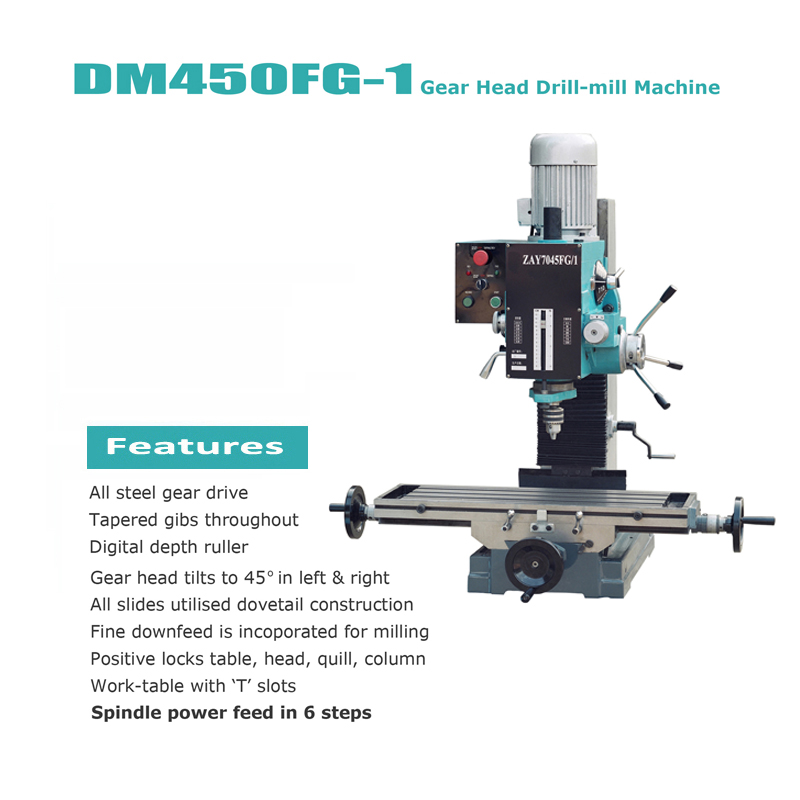
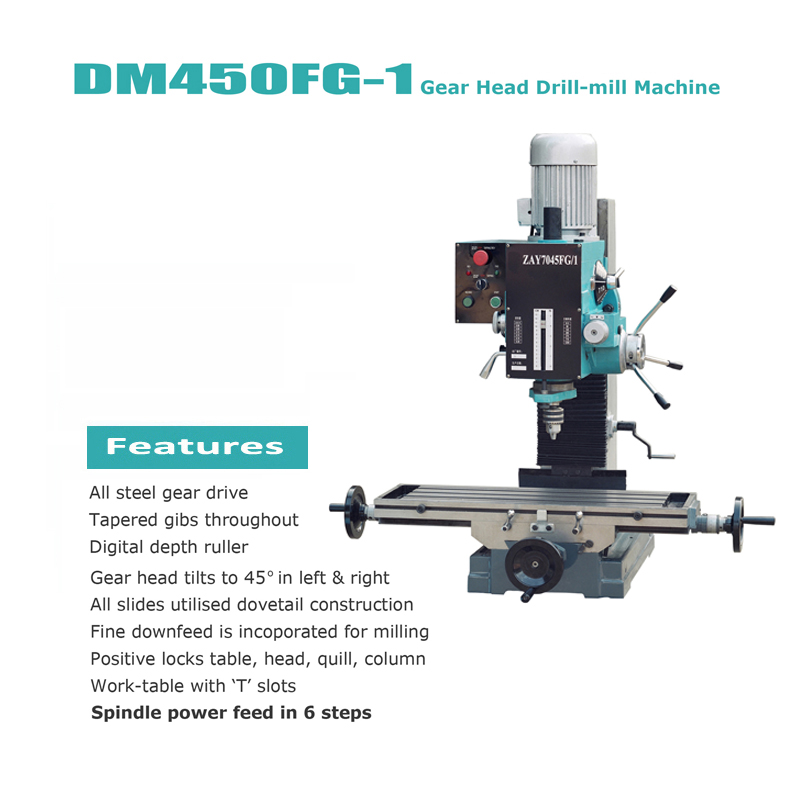
Miling machines
Source industrial milling machines from vetted manufacturers and suppliers across Asia. Designed for importers, machinery wholesalers, distributors, and brands requiring OEM production. Secure competitive wholesale pricing, reliable supply chains, and strict quality control on high-precision metal cutting machine tools for your inventory.
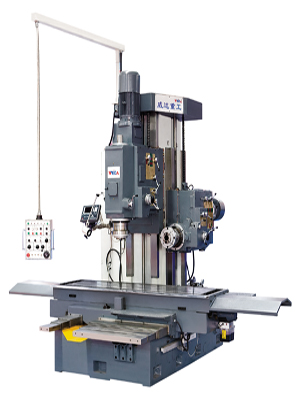
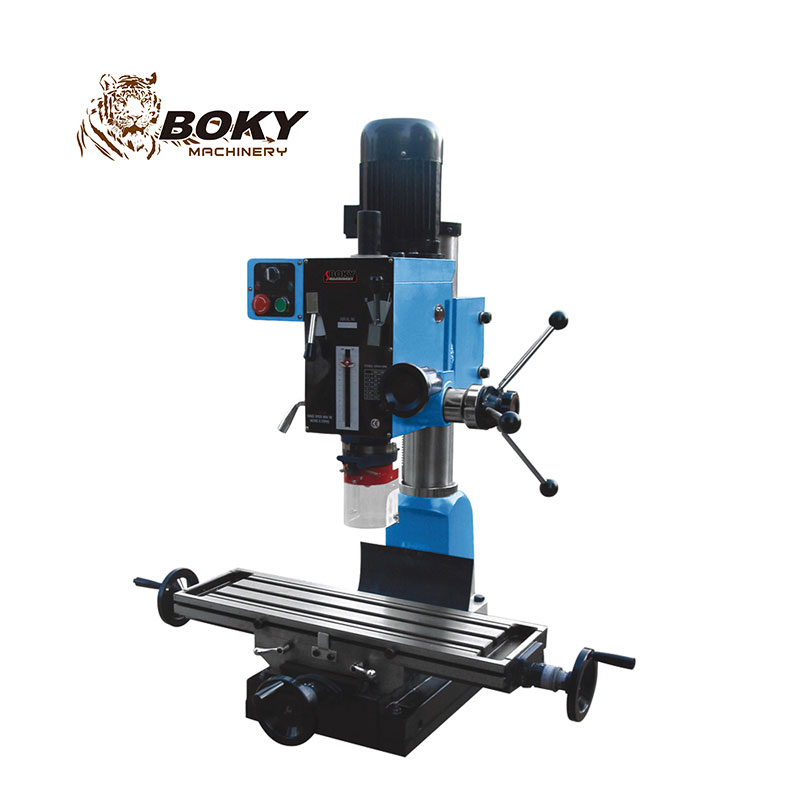
Sourcing milling machines in volume requires navigating complex technical specifications, rigid quality control standards, and heavy-freight logistics. Whether you are stocking standard manual knee mills for wholesale distribution or commissioning custom multi-axis CNC machining centers under your own brand, securing reliable manufacturing partners is the foundation of a profitable equipment supply chain.
The primary challenge isn't finding a factory that can assemble a machine; it is verifying that the supplier uses properly aged castings, sources authentic precision components, and maintains the stringent assembly tolerances required for industrial metal cutting.
Critical Specifications for Bulk Buyers
When negotiating with manufacturers, vague specifications lead to inconsistent production quality. You must strictly define the core components and performance metrics for your orders.
Essential Specification Parameters
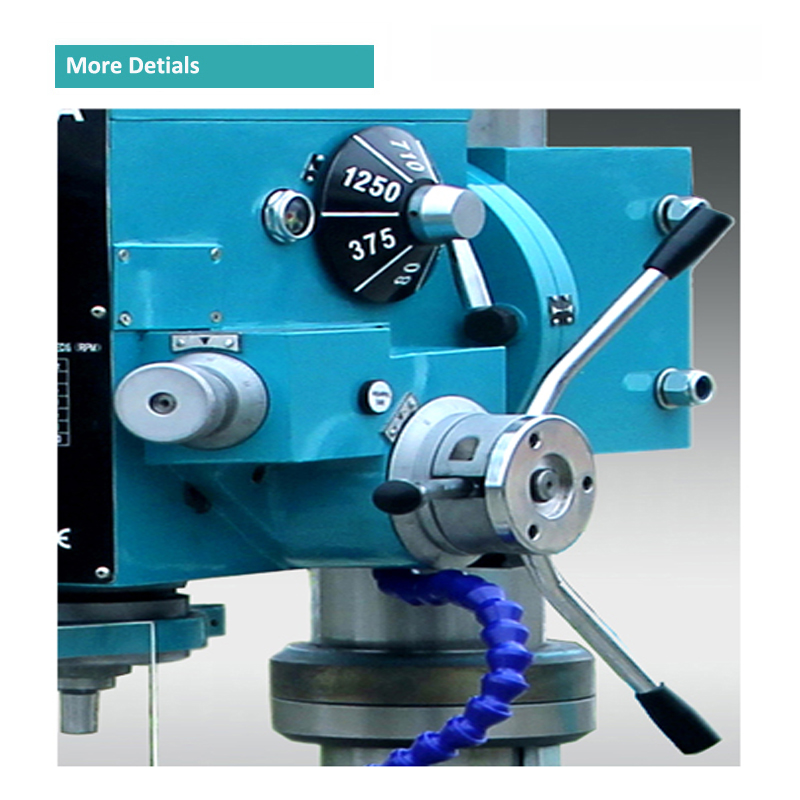
- Spindle type, taper (e.g., BT40, CAT40), and maximum RPM
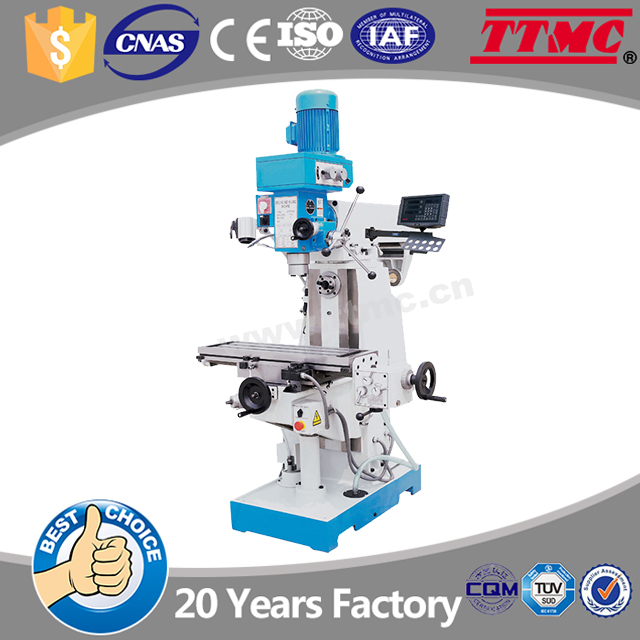
- Guideway design (Linear guideways for speed, Box ways for heavy cutting rigidity)
- Axis travel distances (X, Y, Z) and maximum table load capacity
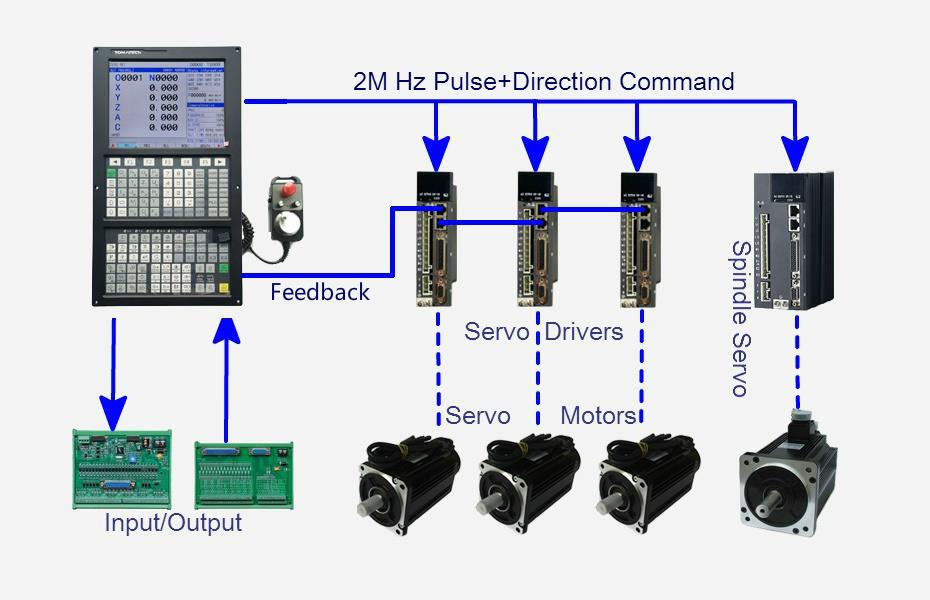
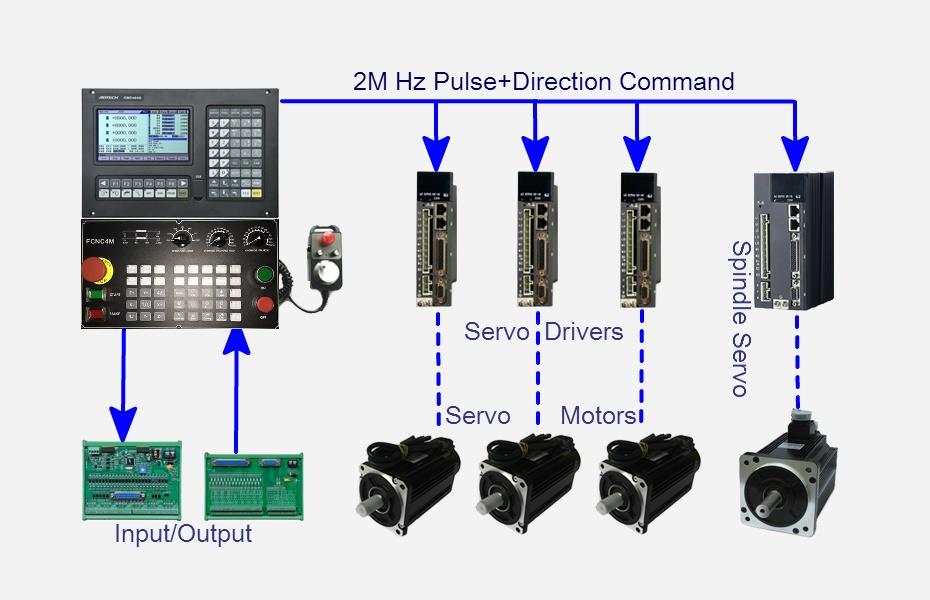
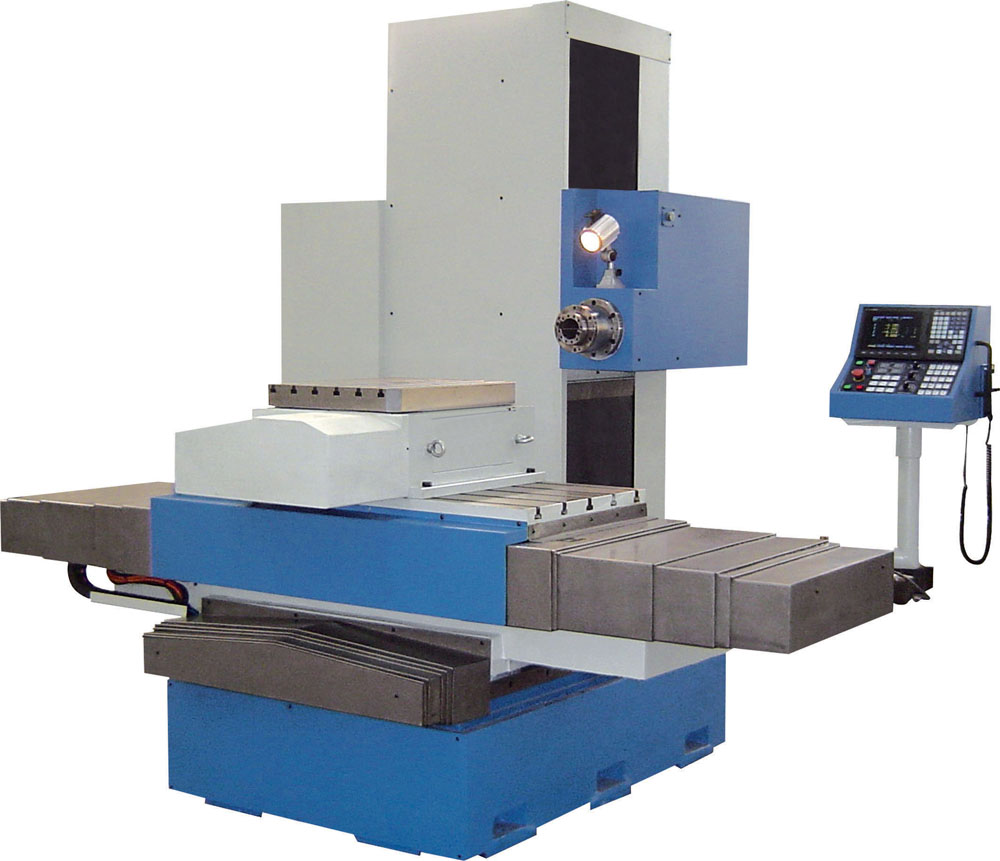
- CNC Controller brand and version (e.g., FANUC, Siemens, Mitsubishi, or regional alternatives like Syntec)
- Motor power (kW) and torque curves for spindle and servo motors
- Coolant system pressure and chip management configuration
Procuring heavy machinery requires rigorous supplier vetting. Let us help you identify and qualify manufacturers capable of meeting your exact technical tolerances.
Talk to our teamWhere Quality is Won or Lost on the Factory Floor
The longevity and precision of a milling machine depend heavily on the manufacturer's internal processes. A poorly manufactured frame will suffer from thermal distortion and vibration, rendering high-end CNC controllers useless.
1. Casting Quality and Aging
The machine bed and column must be made from high-grade cast iron (typically Meehanite). More importantly, the castings must be properly aged to release internal stresses. Premium manufacturers use natural aging (leaving castings outdoors for months) combined with thermal stress relief. Lower-cost suppliers often rush this process, resulting in machines that warp over time. Conducting thorough factory audits is essential to verify a supplier's casting and aging procedures.
2. Guideway Preparation
For box-way machines, the precision of the hand-scraping process dictates the machine's accuracy and oil retention. This is a highly skilled, labor-intensive process. If a factory lacks experienced technicians, the geometric accuracy of the machine will degrade rapidly under heavy loads.
3. Spindle Runout and Laser Calibration
Before a machine leaves the factory floor, it must undergo rigorous testing. Spindle runout should be measured dynamically, and all axes must be calibrated using laser interferometers and ball-bar testing to ensure positioning accuracy and repeatability. Implementing strict quality control and inspection protocols ensures these tests are performed and documented before you authorize final payment.
| Component | Standard / Value Tier | Industrial / Premium Tier |
|---|---|---|
| Castings | Vibration stress relief only | Thermal stress relief + natural aging |
| Guideways | Standard linear rails | Heavy-duty roller linear or hand-scraped box ways |
| Controllers | Domestic/Regional brands (Syntec, GSK) | International standards (FANUC, Siemens) |
| Spindle RPM | 8,000 RPM (Belt driven) | 12,000 to 24,000 RPM (Direct drive or motorized) |
Sourcing Realities: Pricing, MOQs, and Logistics
Unlike consumer goods, milling machines are capital-intensive items with distinct procurement dynamics.
Pricing Drivers
Prices fluctuate based on the cost of raw cast iron, the origin of the CNC controller, and the precision class of the ball screws and linear guides. Upgrading from a regional controller to a current-generation FANUC system can increase the unit cost by thousands of dollars.
Logistics and Shipping
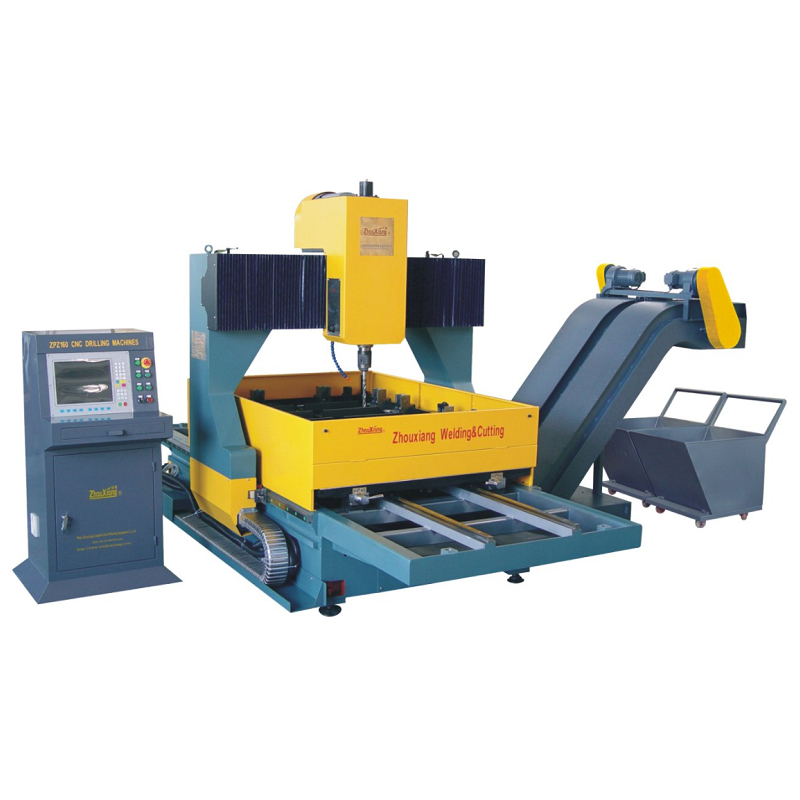
Moving heavy machine tools internationally is complex. Machines must be heavily coated in rust preventatives, vacuum-sealed, and securely lashed inside containers. Oversized gantry milling machines often require open-top containers or flat racks, significantly increasing freight costs. Coordinating shipping and freight with forwarders experienced in heavy machinery is critical to avoid transit damage and port delays.
Buyer FAQ
Ready to optimize your machinery supply chain? Contact us to discuss pricing, factory vetting, and end-to-end logistics for your next bulk order.
Get a free consultationSuccessful procurement of milling machines requires looking past the spec sheet and validating the factory's engineering culture. By enforcing strict pre-shipment calibrations and managing the complex logistics of heavy freight, you protect your capital investment and ensure your end-users receive reliable, high-precision equipment.
Get Sourcing Help for Miling machines
Tell us your requirements and our experts will connect you with verified manufacturers.