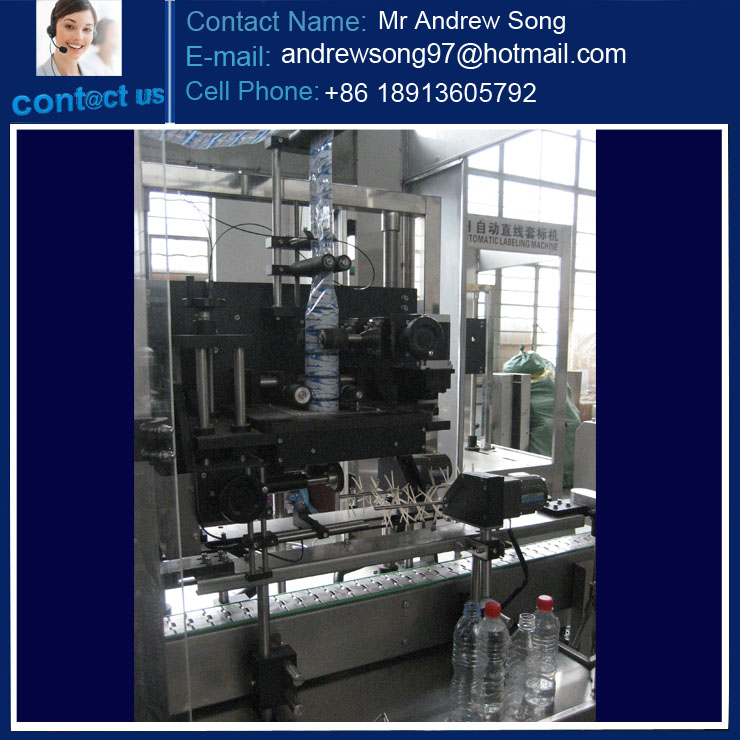
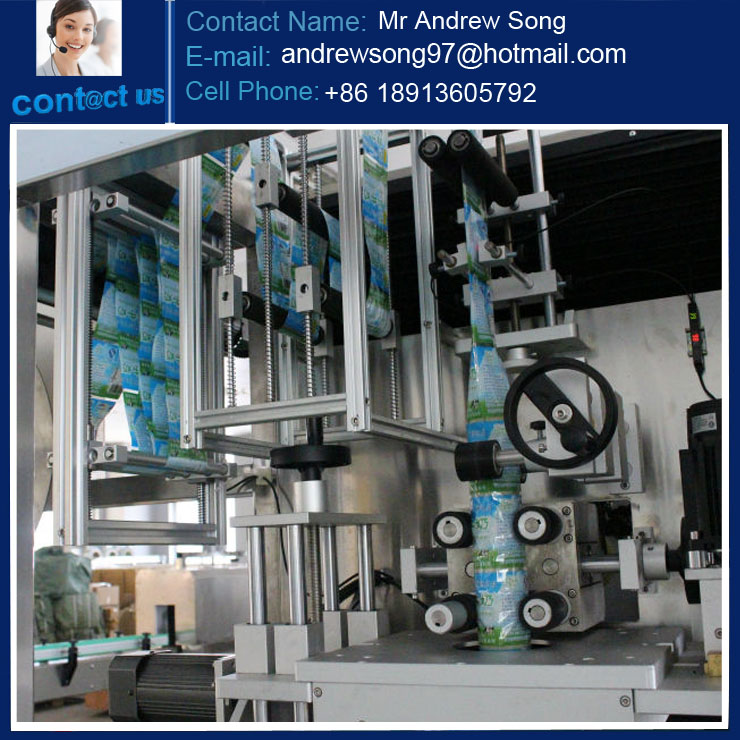
Labeling Machines
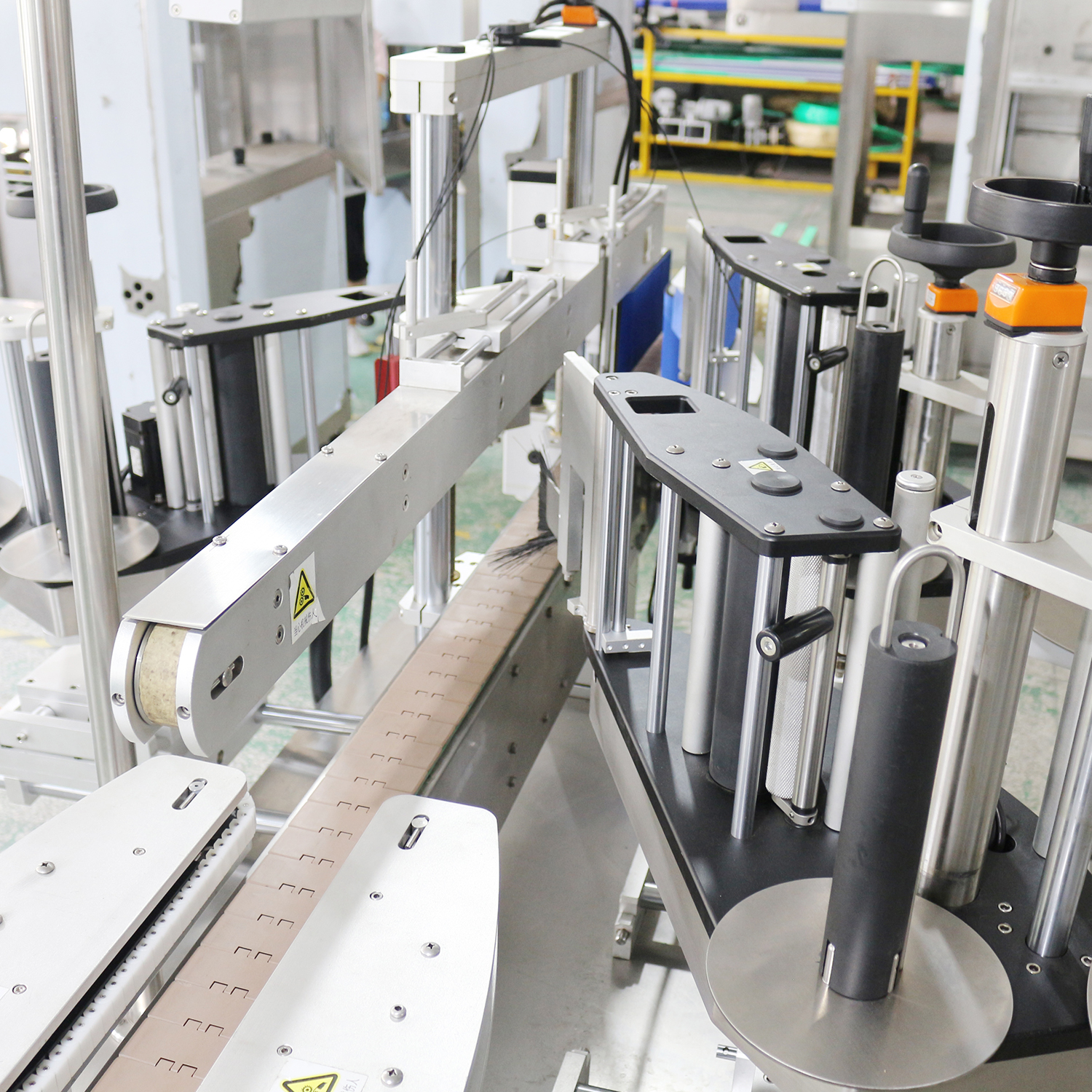
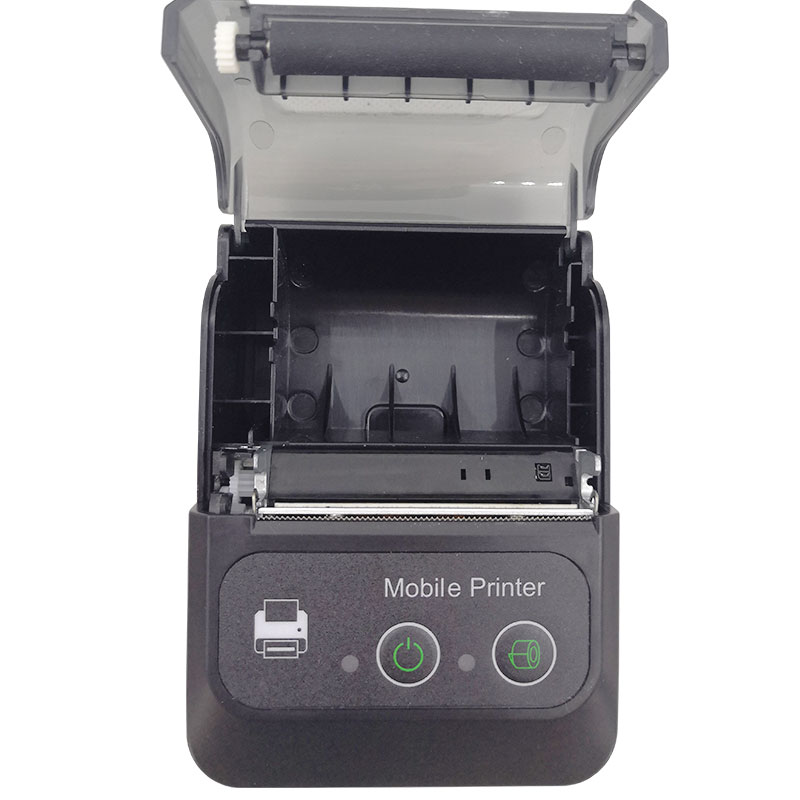
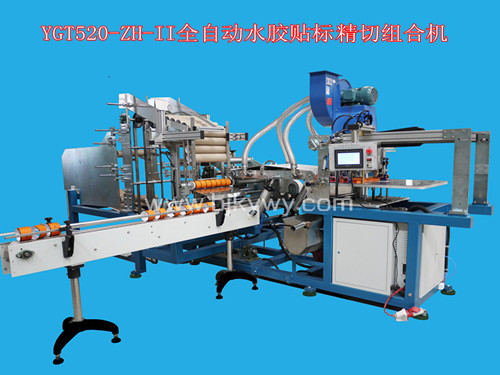
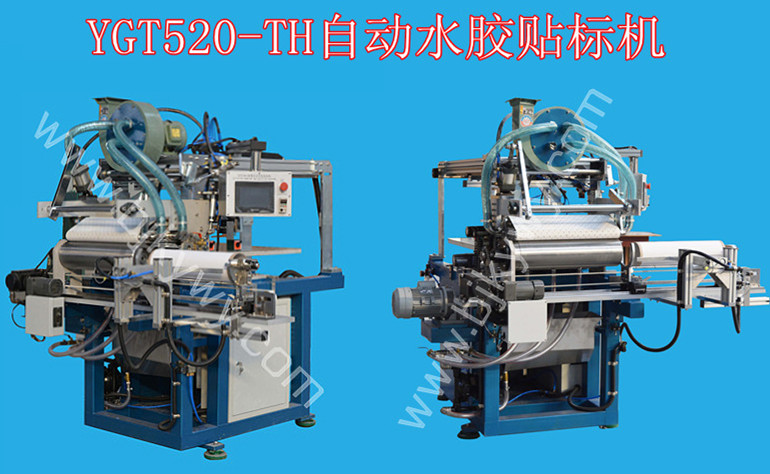
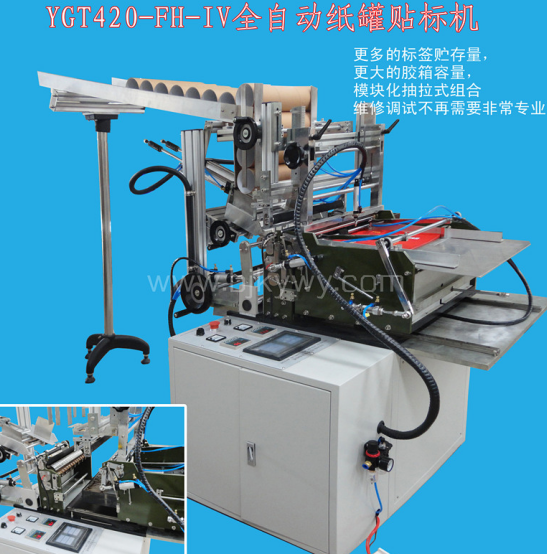
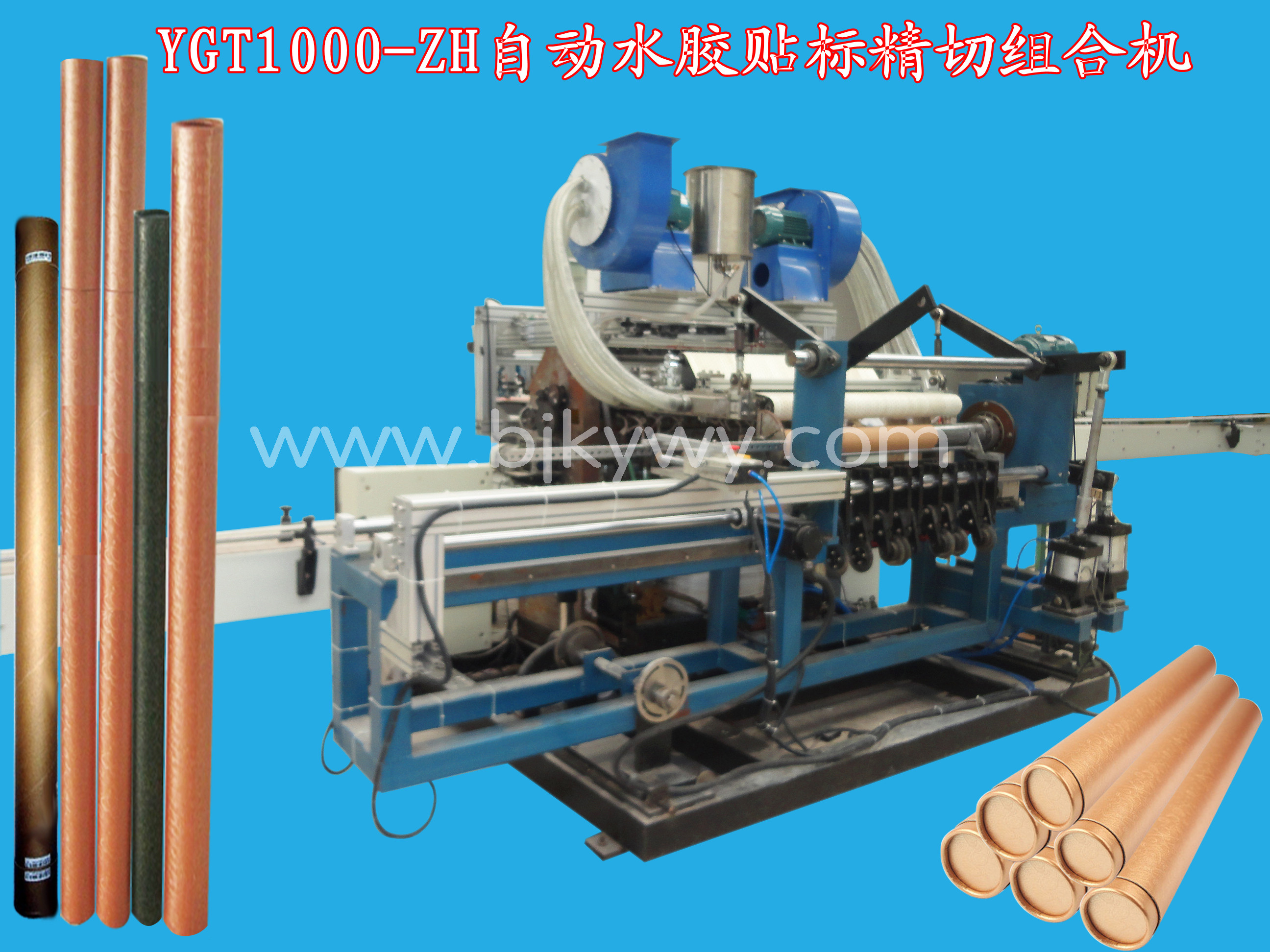
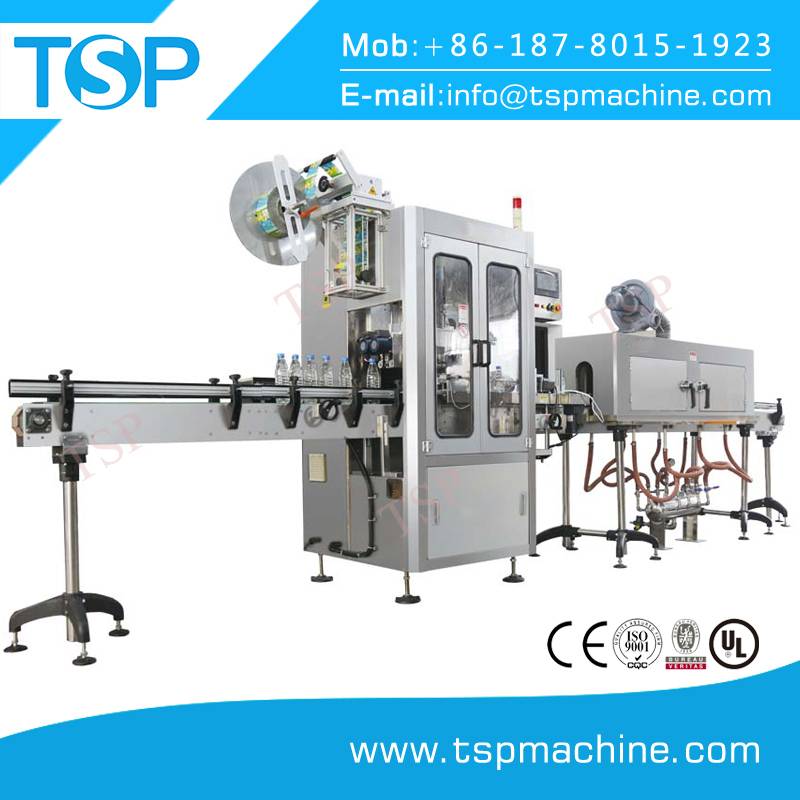
Source industrial labeling machines from vetted manufacturers and suppliers in China and across Asia. Designed for equipment importers, packaging wholesalers, and brands requiring reliable OEM production, our network delivers precision machinery built for high-volume manufacturing environments.
Sourcing industrial labeling machines requires more than just matching a budget to a spec sheet. The core challenge is ensuring the equipment integrates seamlessly with existing conveyor systems while maintaining strict placement accuracy at high production speeds. When buying direct from Asian manufacturers, verifying component authenticity and long-term reliability is critical to avoiding packaging line bottlenecks.
Defining Critical Machine Specifications
An imprecise spec sheet leads to integration failures. Manufacturers need exact parameters to configure the label applicator, conveyor speed, and sensor types before manufacturing begins.
Essential Buyer Specifications
- Container geometry: Specify round, flat, oval, or multi-sided, including exact dimensions and tolerances.
- Label material and format: Pressure-sensitive (self-adhesive), shrink sleeve, hot melt, or cold glue.
- Throughput requirements: Target speed in parts per minute (PPM), factoring in a 20 percent buffer for peak production.
- Sensor compatibility: Standard photoelectric sensors fail on transparent labels; specify ultrasonic sensors if using clear-on-clear applications.
- Control systems: Specify preferred PLC and HMI brands (e.g., Siemens, Mitsubishi, Delta) for easier local maintenance.
Ensure your technical specifications translate accurately to overseas manufacturers and avoid costly integration issues.
Get a free consultationManufacturing Quality and Component Sourcing
The difference between a machine that lasts a decade and one that vibrates itself out of alignment in months lies in the factory's machining tolerances and component sourcing. High-end suppliers use CNC-machined SUS304 or SUS316 stainless steel for the chassis, whereas lower-tier factories might use thinner gauge metals that flex under operational stress.
Drive systems are another major differentiator. The choice between stepper and servo motors dictates both speed and placement precision.
| Drive Type | Speed Range | Placement Accuracy | Best Application |
|---|---|---|---|
| Stepper Motor | Low to Medium (Under 100 PPM) | Plus/minus 1.0mm | Semi-auto or standard inline labeling |
| Servo Motor | High (150 to 500+ PPM) | Plus/minus 0.5mm | High-speed rotary or pharmaceutical lines |
When evaluating a manufacturer, it is essential to conduct thorough factory audits to verify their in-house machining capabilities and assembly processes. Relying solely on catalog photos often masks poor wiring practices or the use of counterfeit PLCs.
Factory Acceptance Testing (FAT)
Never authorize final payment or shipment without a rigorous FAT. This should involve running your exact containers and labels through the machine at the factory. Professional quality control and inspection teams can execute this on-site, recording continuous run-time data to verify claimed PPM and error rates.
MOQs, Lead Times, and Pricing Dynamics
Labeling machines are capital equipment, so Minimum Order Quantities (MOQs) are almost always a single unit. However, lead times and pricing vary heavily based on the level of customization required for your specific packaging line.
Pricing is heavily influenced by the control components and the complexity of the applicator head. If you are integrating this into a larger custom production line, OEM/ODM services can help you design a machine footprint that fits exact spatial constraints. Additionally, because these machines require careful handling and moisture protection during transit, coordinating specialized shipping and freight with proper ISPM-15 wooden crating is non-negotiable to prevent transit damage.
Streamline your equipment sourcing, from factory vetting to final delivery and installation.
Talk to our teamFrequently Asked Questions
Procuring industrial labeling equipment is an exercise in risk management. Success depends on locking down precise technical specifications, verifying component authenticity, and executing a flawless Factory Acceptance Test before the machine ever leaves the facility. Having experienced partners manage the factory relationship ensures your equipment arrives ready to run, not ready for troubleshooting.
Get Sourcing Help for Labeling Machines
Tell us your requirements and our experts will connect you with verified manufacturers.