Insulation Materials and Elements
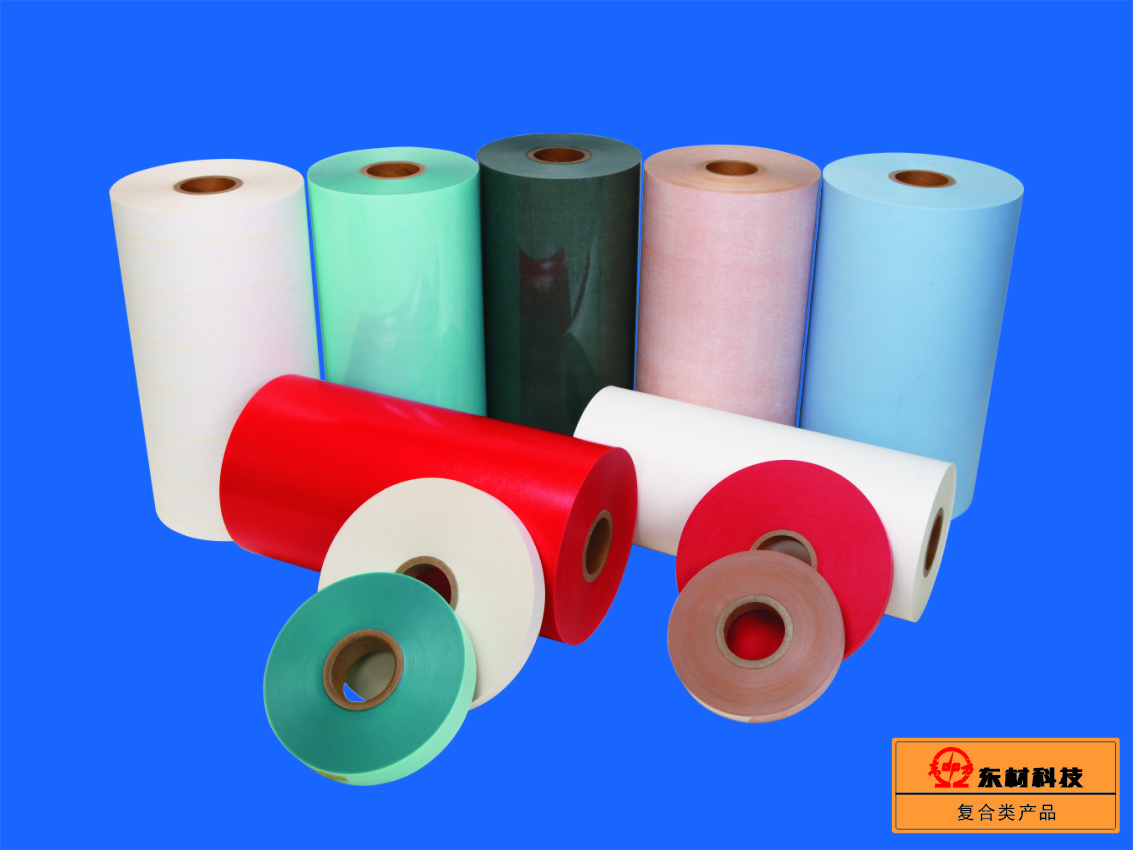
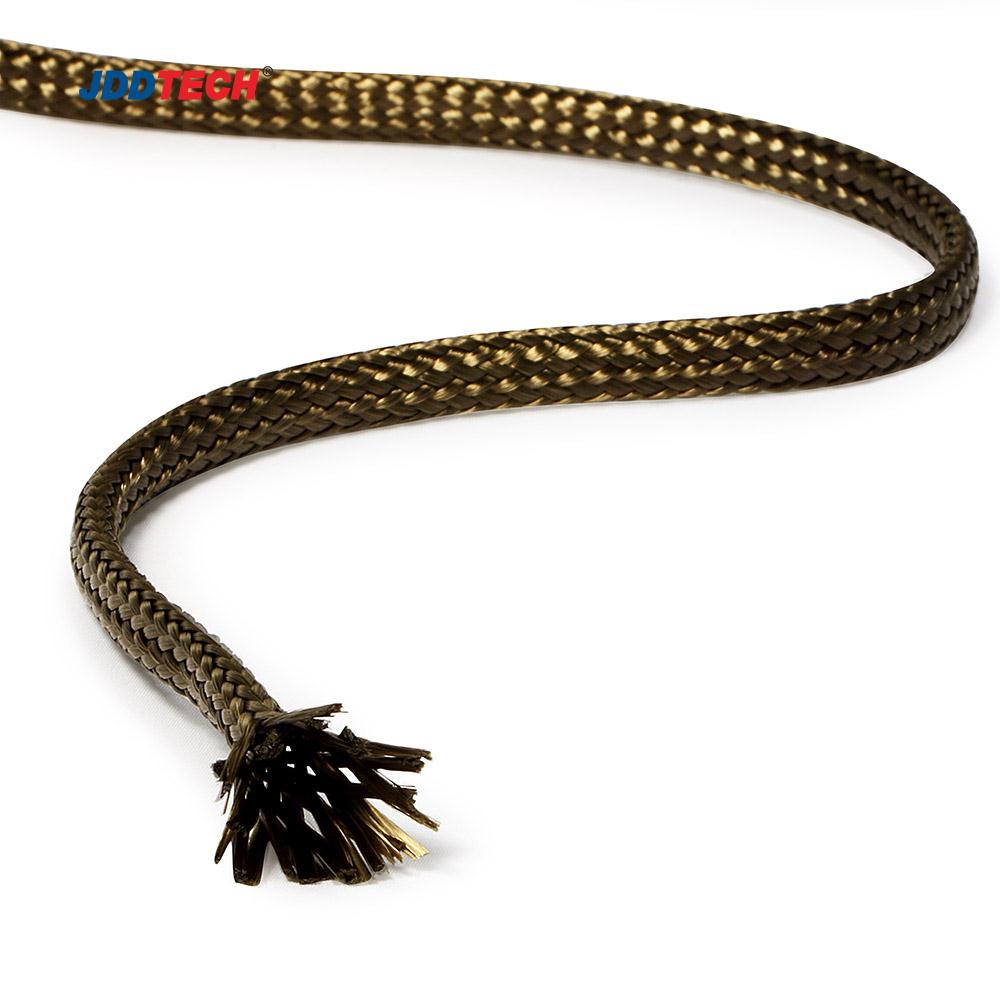
Source high-quality Insulation Materials and Elements from vetted manufacturers and wholesale suppliers. Designed for importers, distributors, and electronics brands, our network supports bulk procurement, OEM/ODM production, and custom fabrication to meet stringent thermal and dielectric specifications.
Electrical and thermal insulation components form the critical safety and performance boundary in any electronic assembly. Sourcing these materials in bulk—whether thermal interface pads, polyimide films, mica insulators, or ceramic substrates—requires strict adherence to dielectric properties, thermal resistance standards, and dimensional tolerances. When a single breakdown in insulation can lead to catastrophic failure in the end product, evaluating supplier capability goes far beyond negotiating price.
Critical Specifications for Insulation Materials
When approaching a manufacturer, requesting "insulation pads" or "thermal tape" will not yield reliable results. Factories need exact parameters to match the compound or substrate to your application.
You must define the following metrics clearly on your purchase orders and RFQs:
- Dielectric Strength: Specified in kV/mm, determining the maximum voltage the material can withstand before breakdown.
- Thermal Conductivity: Measured in W/m·K. Crucial for thermal interface materials (TIMs) where heat dissipation is just as important as electrical isolation.
- Flammability Rating: Typically requiring UL 94 V-0 or V-1 compliance, especially for consumer electronics and automotive applications.
- Volume Resistivity: Expressed in Ohm-cm, dictating the material's resistance to leakage current.
- Operating Temperature Range: Continuous and peak temperature thresholds, essential for materials like standard PET versus high-temp polyimide (Kapton).
| Material Type | Dielectric Strength | Thermal Conductivity | Primary Use Case |
|---|---|---|---|
| Polyimide Film | Very High (up to 250 kV/mm) | Low | Flex circuits, high-temp masking |
| Silicone Elastomers | Moderate | High (1 to 8 W/m·K) | Thermal interface, gap filling |
| Alumina Ceramic | High | Very High (20 to 30 W/m·K) | Power electronics, RF components |
| Mica | High | Moderate | High-voltage transistors, heaters |
Manufacturing Defect Risks and Quality Control
The quality of insulation elements is won or lost during compounding, calendering, and die-cutting. For example, when sourcing silicone thermal pads, improper mixing or curing can lead to microscopic air voids. Because air is a poor conductor of heat, these voids drastically reduce the material's thermal conductivity, leading to localized hot spots in the final device.
Similarly, die-cut polyimide or PET insulators must maintain strict dimensional tolerances. A burr or micro-tear on the edge of a die-cut insulator can act as a stress concentrator, leading to premature mechanical failure or electrical arcing during thermal cycling.
Implementing robust Quality Control & Inspection protocols is essential. Relying solely on the factory's internal QA is risky when dealing with safety-critical components.
Key Pre-Shipment Inspection Points
- Verify thickness uniformity across the roll or batch using micrometers (tolerances usually under 0.05mm).
- Inspect die-cut edges for burrs, tearing, or incomplete cuts.
- Test adhesive backing (if applicable) for peel strength and shelf-life expiration.
- Conduct sample dielectric breakdown testing to confirm batch consistency.
- Verify UL, RoHS, and REACH certification marks and documentation.
Need to ensure your insulation materials meet strict UL and dielectric standards? Let us manage supplier vetting and quality control for your next production run.
Talk to our teamTooling, MOQs, and Pricing Dynamics
Pricing for insulation materials is heavily dependent on the raw material index (especially for silicone and specialized ceramics) and the level of customization required.
Standard Rolls vs. Custom Die-Cuts
If you are purchasing standard rolls of polyimide tape or uncut sheets of thermal silicone, factories typically require MOQs based on master roll sizes (often 500 to 1,000 square meters). Lead times for standard materials are generally short, ranging from 10 to 15 days.
However, if you require OEM/ODM Services for custom die-cut shapes to fit specific PCB layouts or heat sinks, the dynamic changes.
- Tooling Costs: You will need to pay for custom steel-rule dies or rotary tooling. Steel-rule dies are inexpensive (often under a few hundred dollars) but have shorter lifespans. Rotary dies are more expensive but necessary for high-speed, high-volume precision cutting.
- MOQs for Die-Cuts: Factories usually set MOQs at 10,000 to 50,000 pieces per shape, depending on the size of the component, to justify the setup time on the stamping press.
- Yield Loss: Pricing for custom shapes includes the cost of the "skeleton" (the waste material left after cutting). Complex shapes with poor nesting efficiency will increase your per-unit cost.
Looking to optimize tooling costs and negotiate better terms for custom die-cut insulators? Our sourcing experts can help you structure the right agreements.
Get a free consultationCompliance and Material Traceability
For electronic components, regulatory compliance is non-negotiable. Insulation materials must routinely pass RoHS and REACH directives to be imported into the EU or North America. Furthermore, if your end product requires UL certification, using non-UL recognized insulation materials will trigger an immediate failure during product evaluation.
Always demand the factory's UL file number for the specific material grade they are supplying, and verify it directly in the UL database. If you are modifying the material (e.g., adding a custom adhesive backing), ensure that the combination of materials maintains the required fire retardant properties. Engaging third-party Compliance & Testing services is a smart way to verify these claims before mass production begins.
Sourcing insulation materials requires a precise balance of material science and supply chain management. By clearly defining your dielectric and thermal requirements, mandating strict dimensional tolerances, and verifying compliance documentation, you can secure reliable components that protect both your product's performance and your brand's reputation.
Get Sourcing Help for Insulation Materials and Elements
Tell us your requirements and our experts will connect you with verified manufacturers.