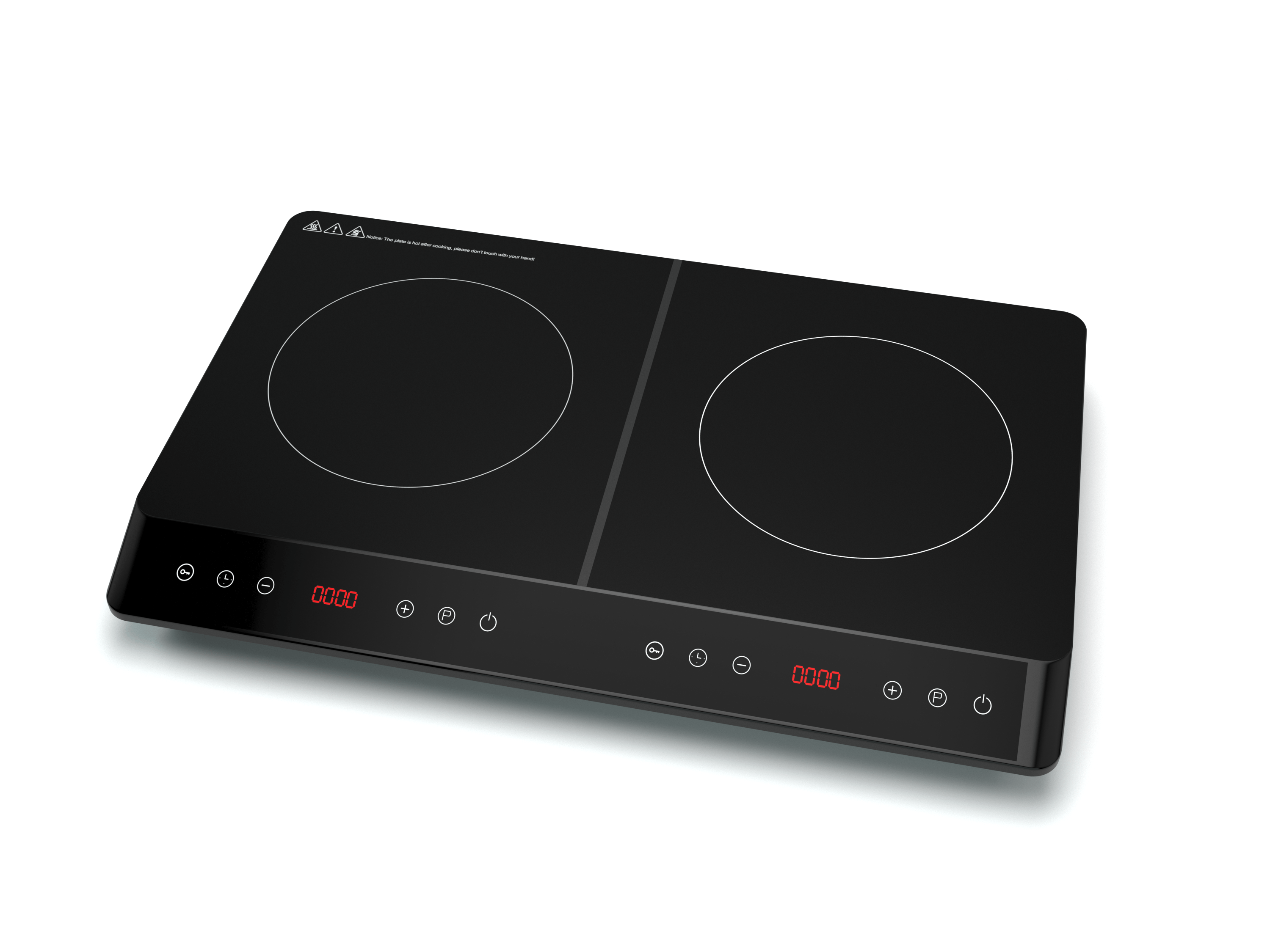
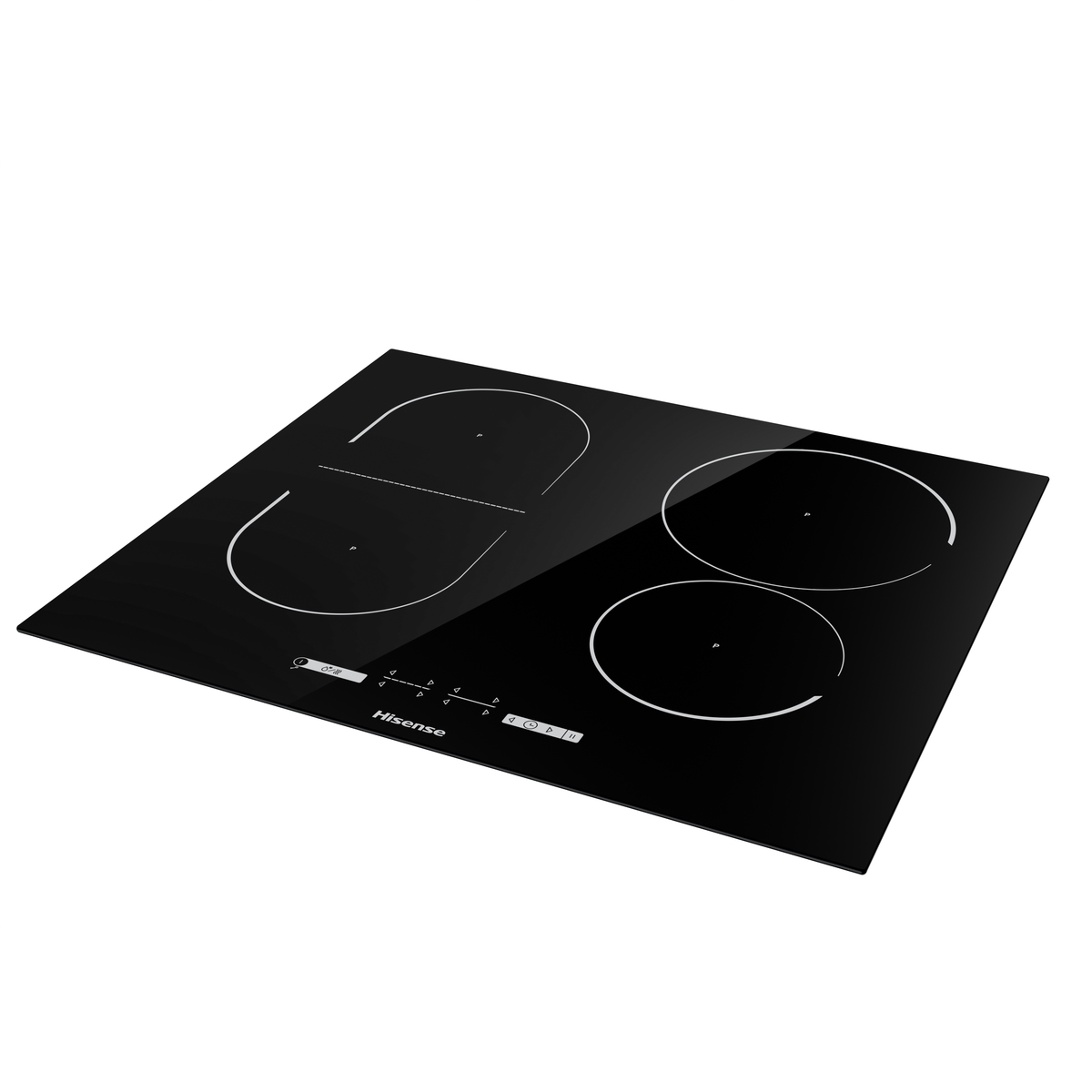
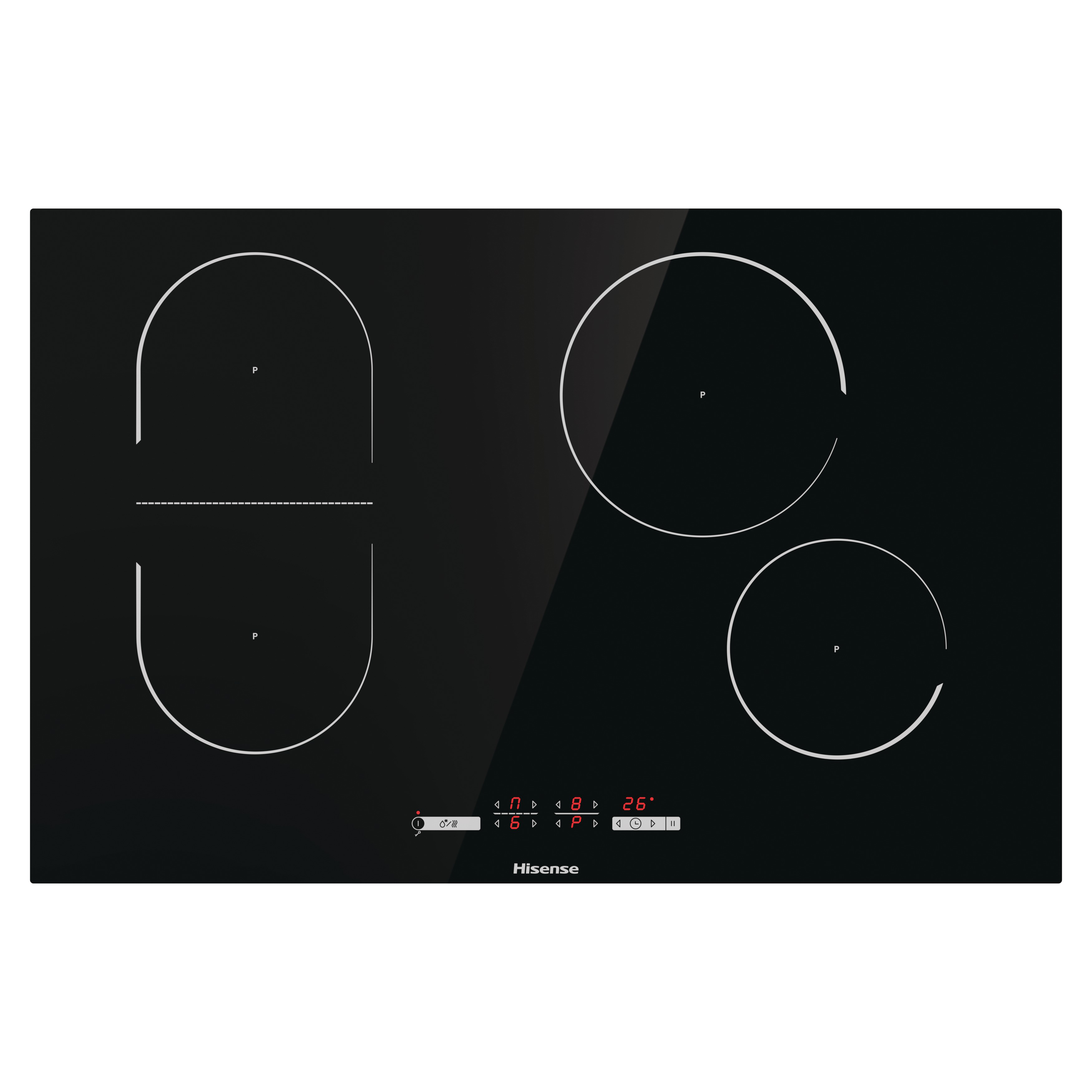
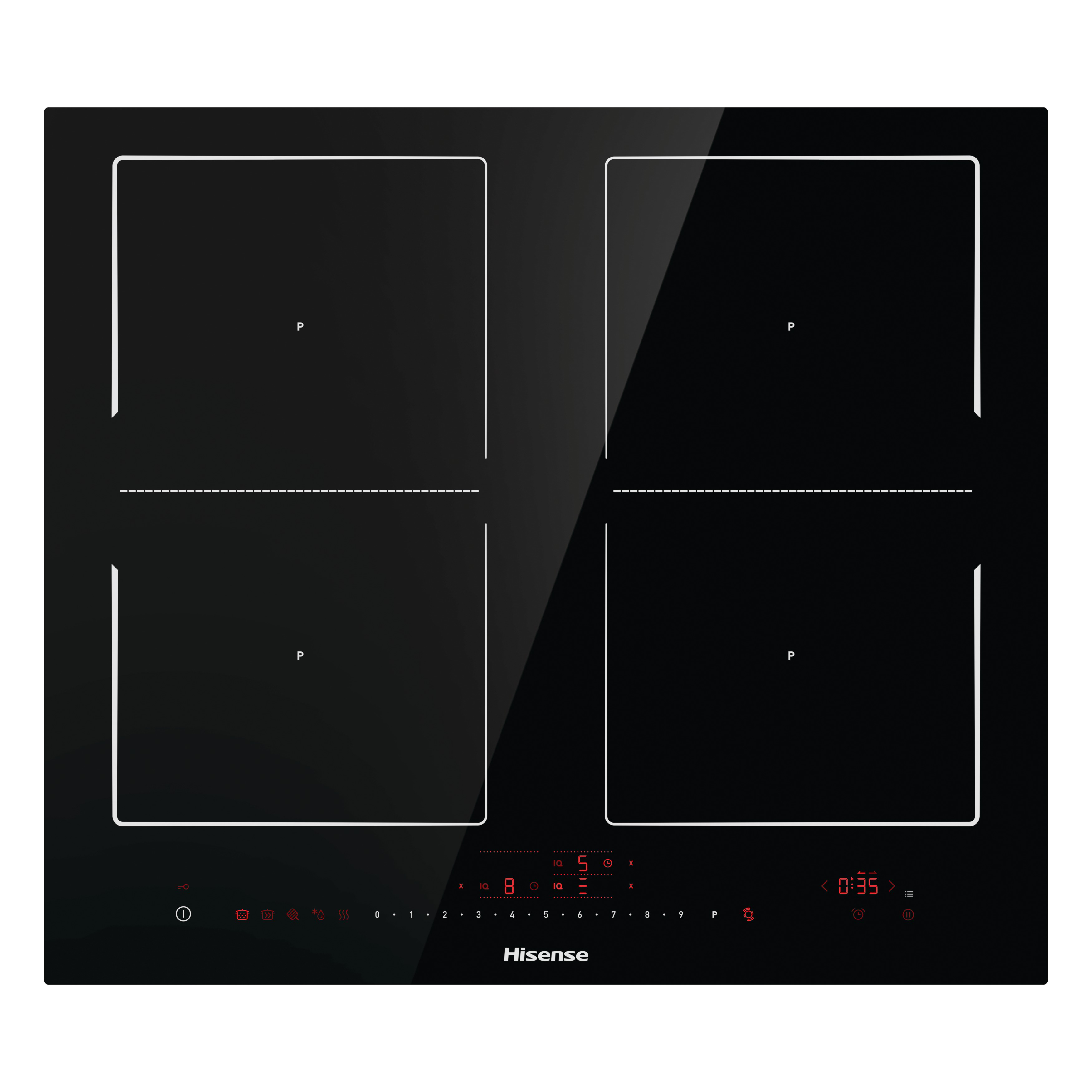
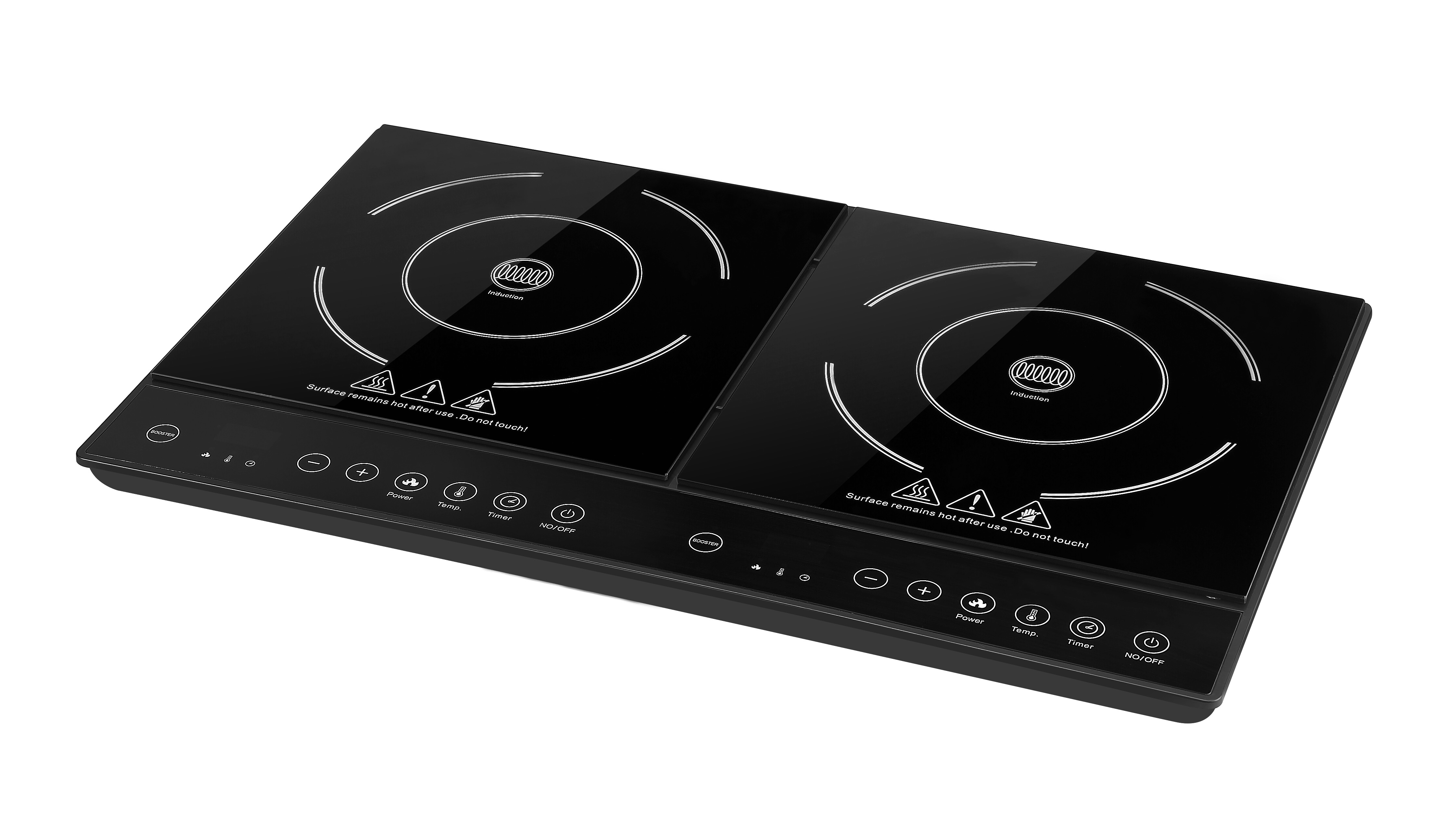
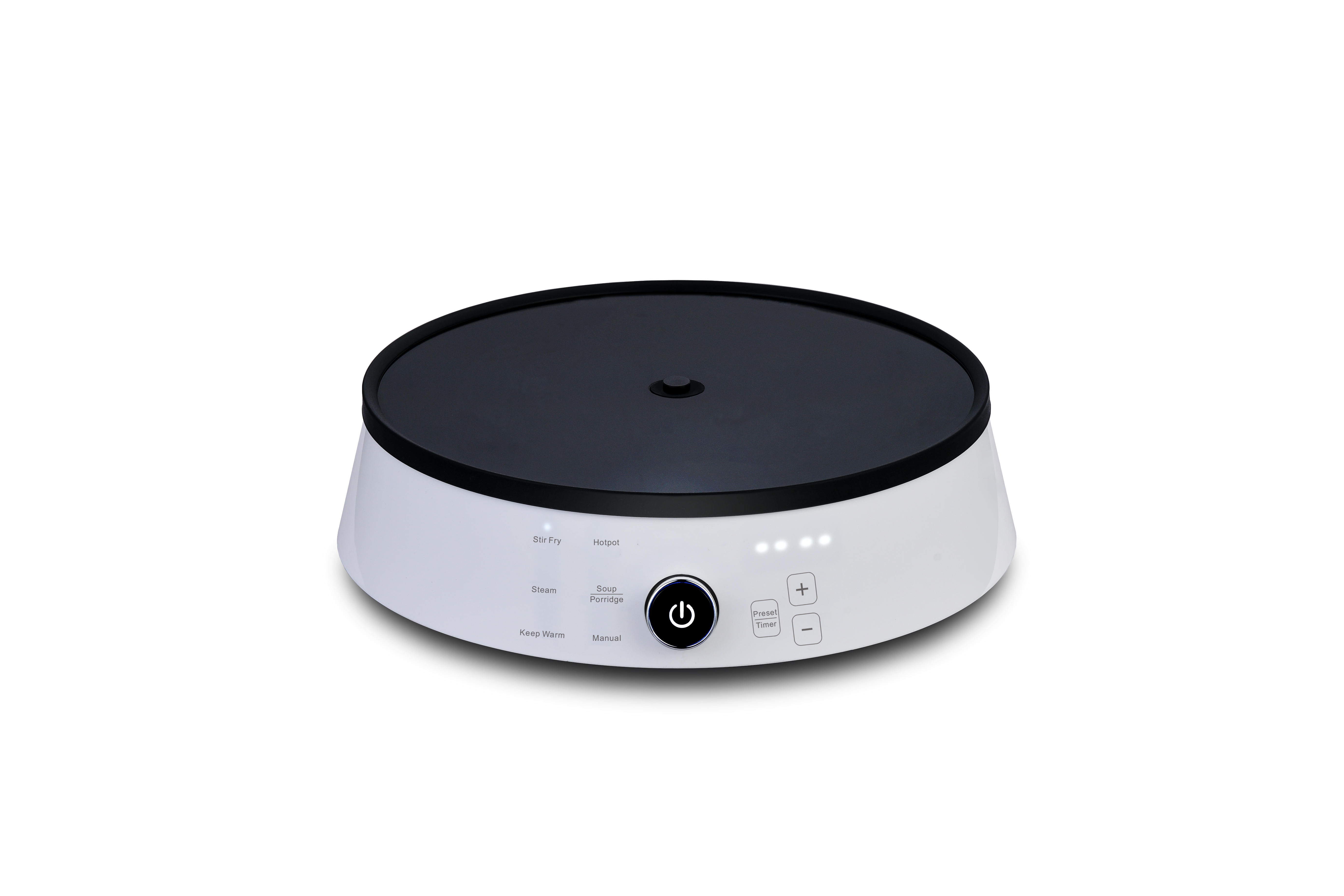
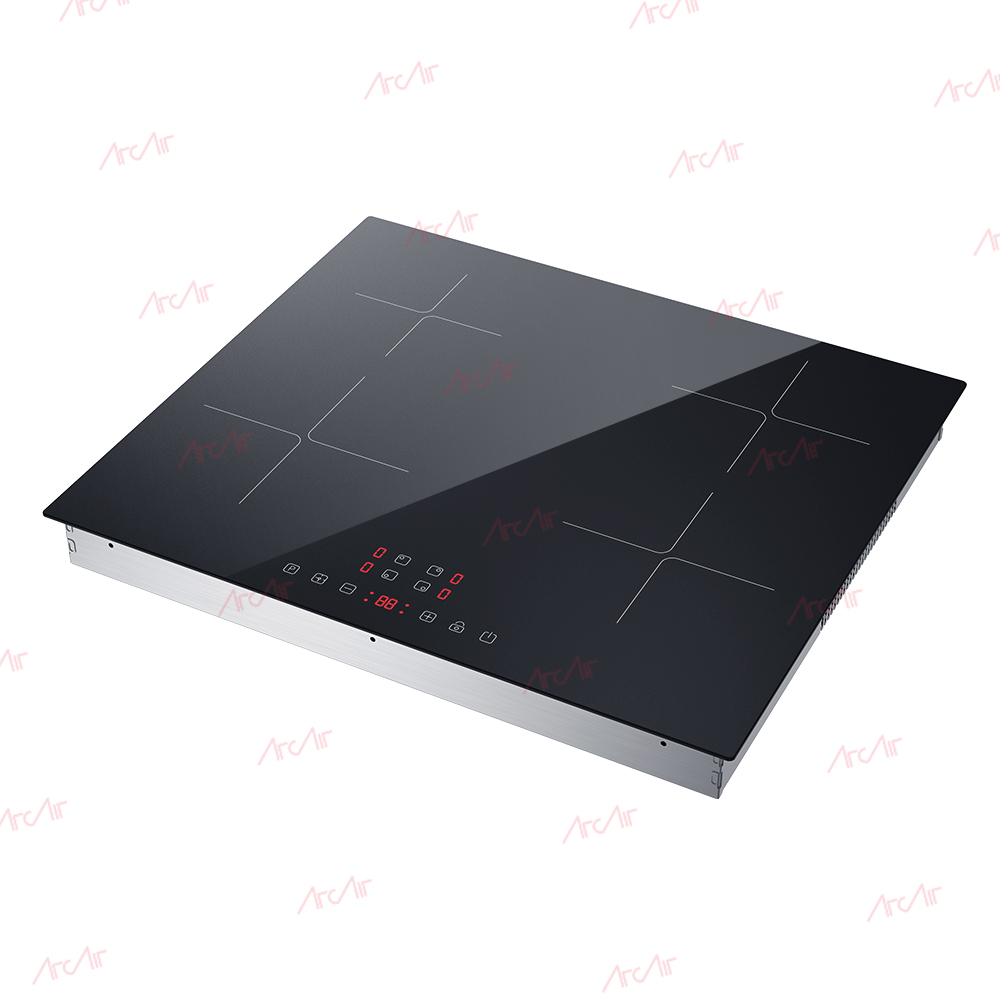
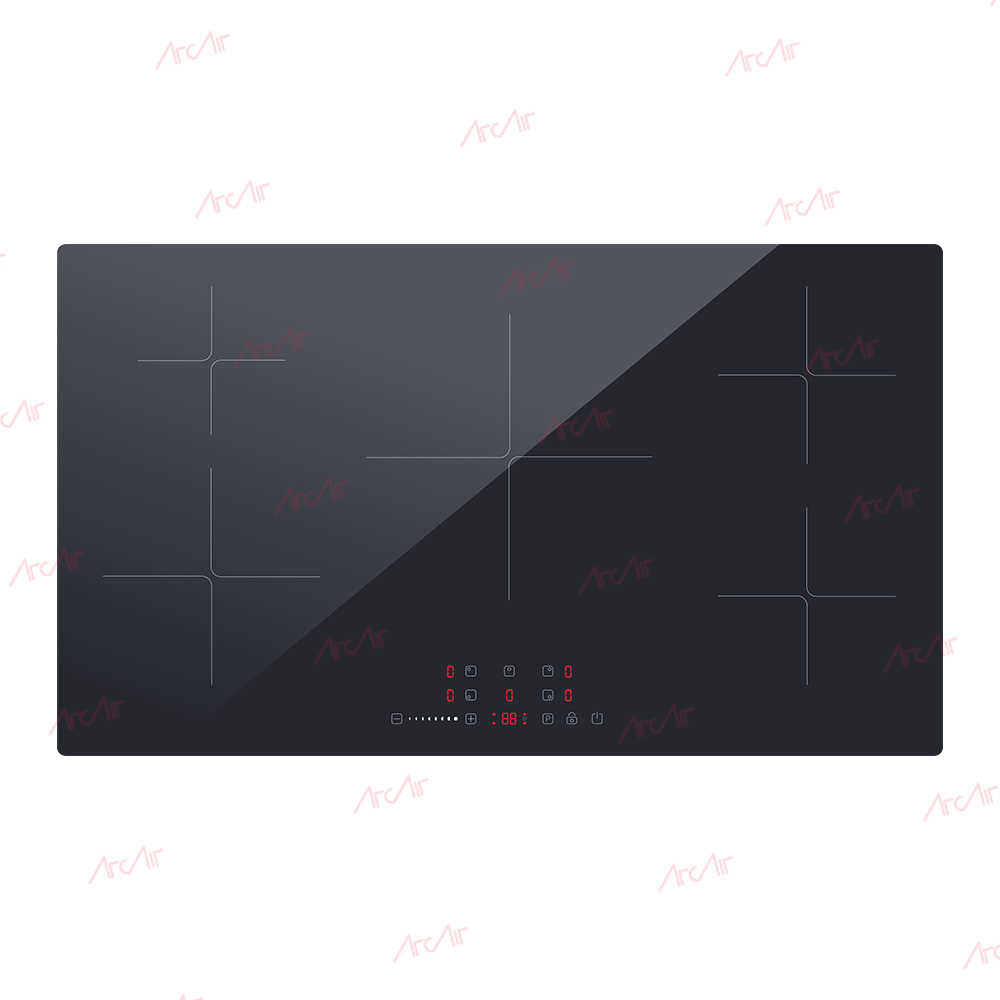
Induction Cookers
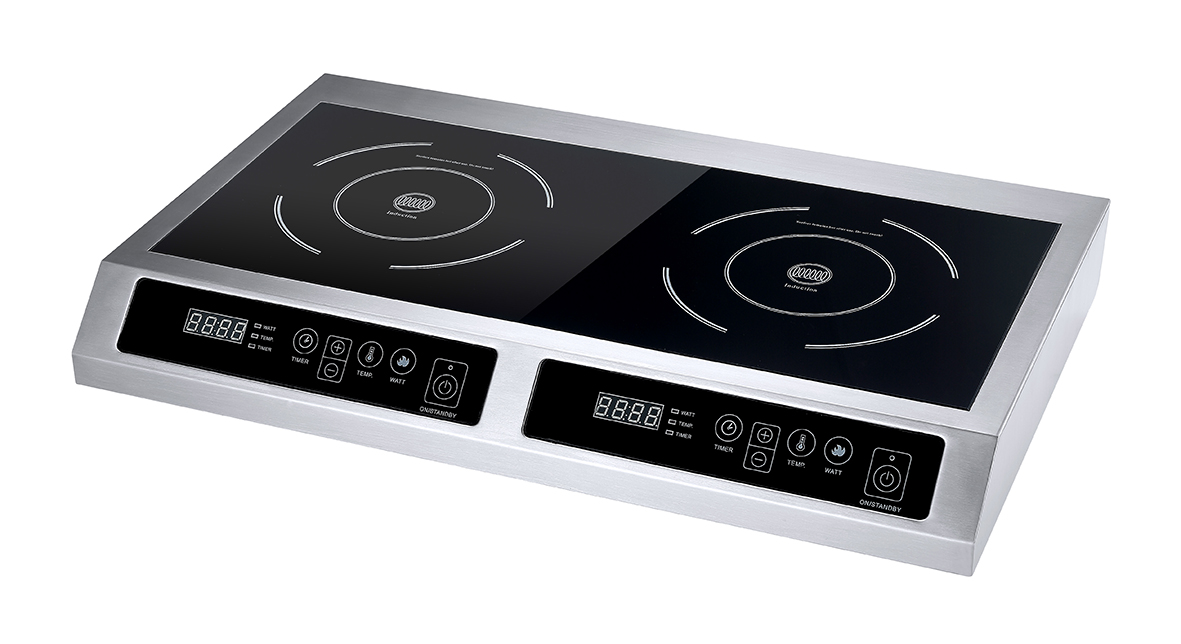
Source commercial and residential induction cookers from vetted manufacturers and wholesale suppliers. Built for importers, distributors, and appliance brands seeking reliable OEM and private-label production. Secure competitive pricing and compliant quality at scale.
Sourcing induction cookers requires navigating a highly fragmented manufacturing base, concentrated heavily in Guangdong and Zhejiang provinces, where the difference between a high-return liability and a durable appliance lies entirely hidden beneath the glass panel. For bulk buyers and appliance brands, success depends on strictly specifying internal components and enforcing rigorous thermal management standards before production begins.
Critical Component Specifications
When negotiating with a factory, accepting an "off-the-shelf" specification sheet often leads to substituted, lower-grade components. The core of an induction cooker's performance and longevity relies on three main elements: the Insulated-Gate Bipolar Transistor (IGBT), the heating coil, and the microcrystalline panel.
| Component | Standard / Budget Build | Premium / Commercial Build |
|---|---|---|
| IGBT (Power Transistor) | Domestic generic (higher failure rate under load) | Infineon or Siemens (stable thermal performance) |
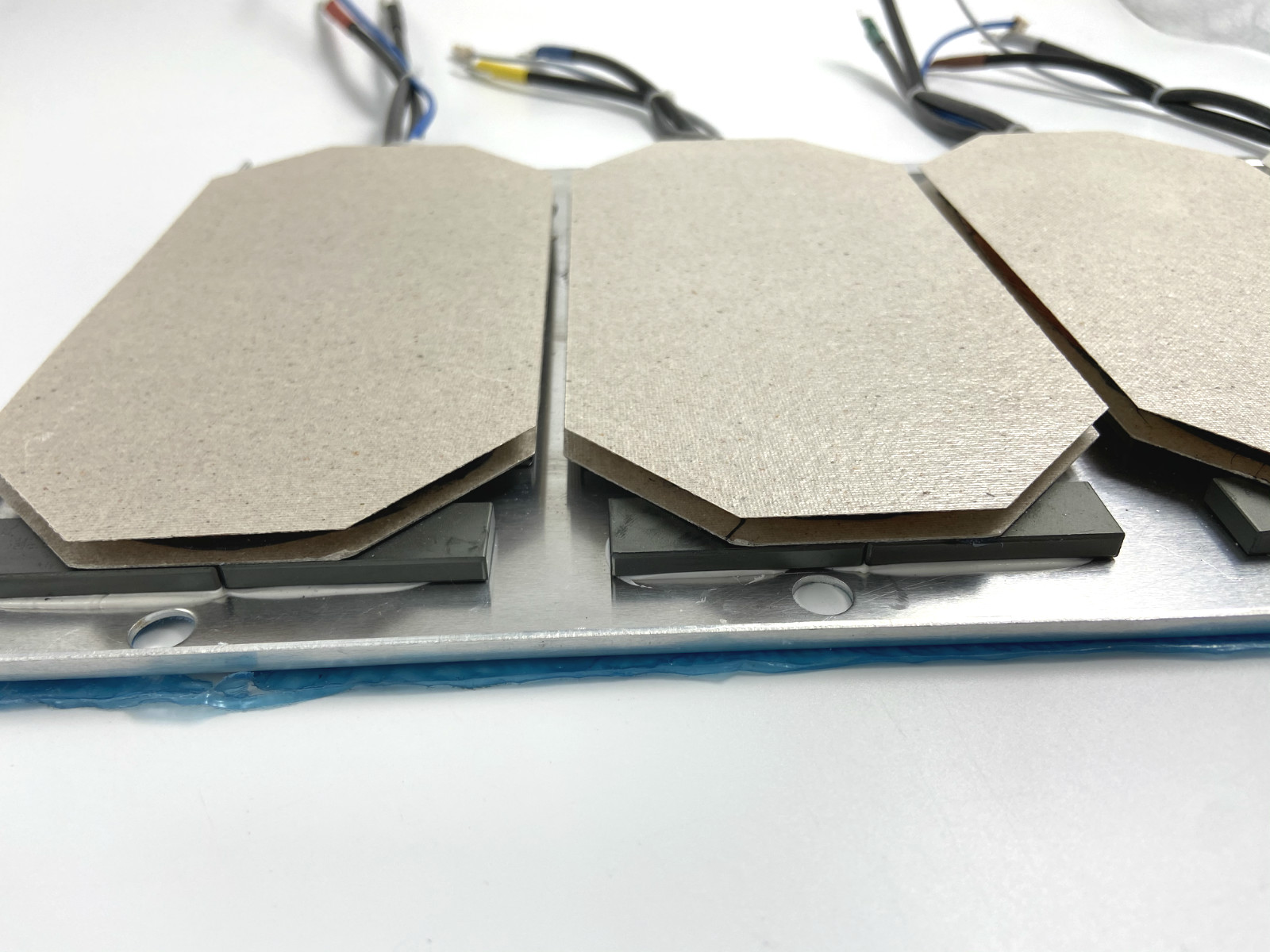
| Heating Coil | Copper-clad aluminum (CCA) or sparse copper | 100% tightly wound pure copper |
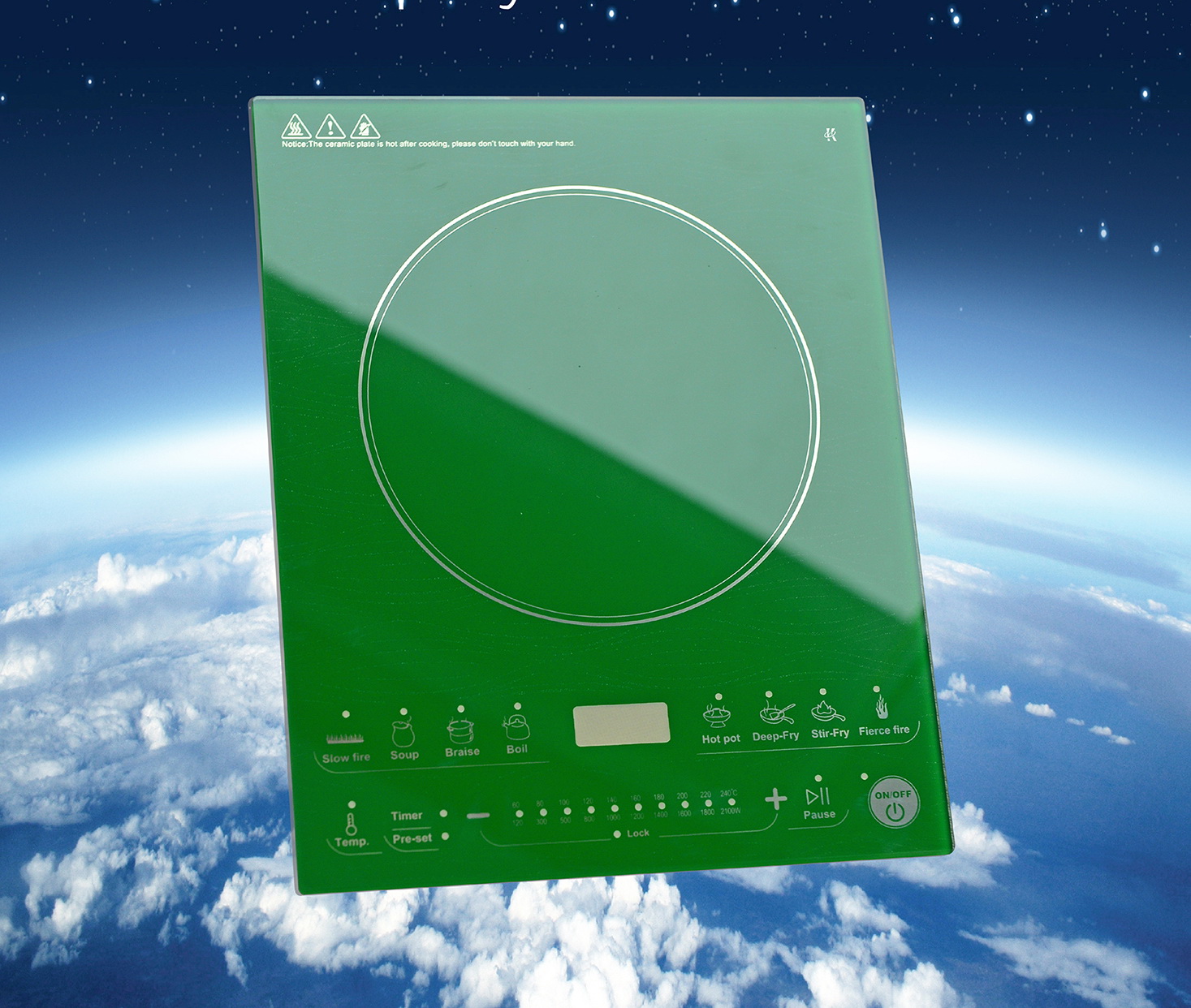
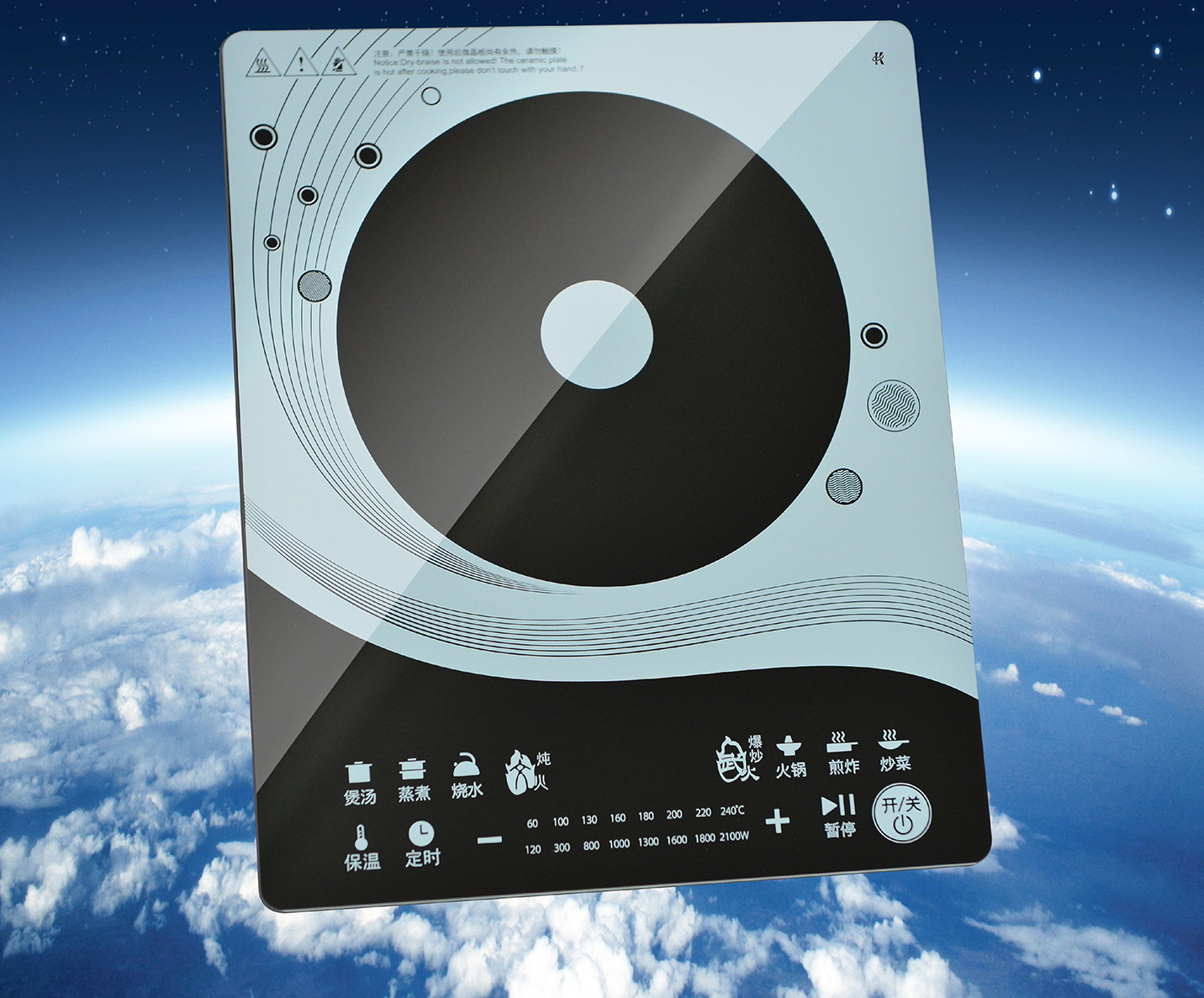
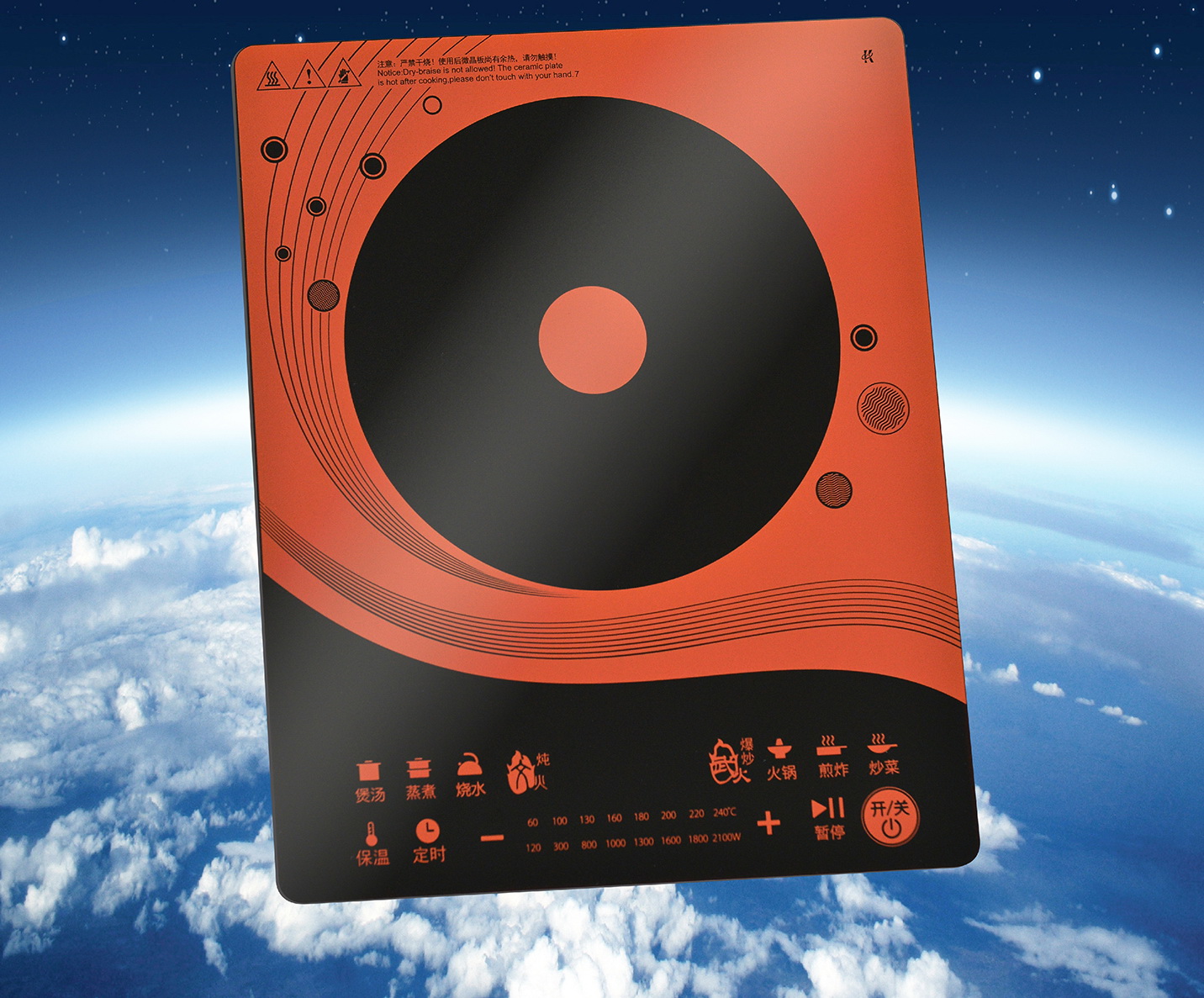
| Surface Glass | A-Grade Black Crystal (standard durability) | Schott Ceran or NEG (superior thermal shock resistance) |
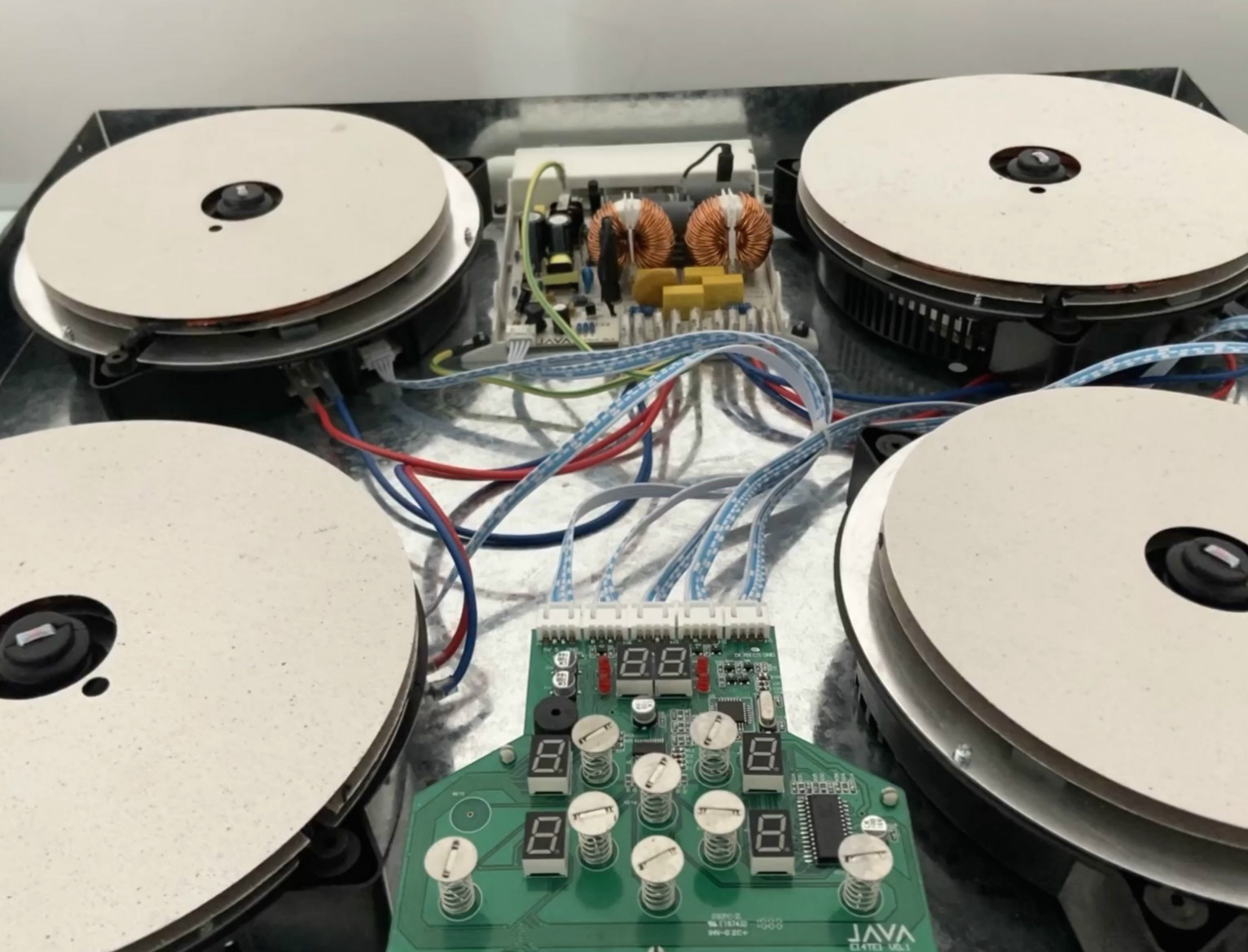
| Cooling System | Single standard DC fan | Dual-fan or brushless DC with optimized venting |
If you are developing a custom product line, leveraging professional OEM/ODM services ensures your specific Bill of Materials (BOM) is locked in and protected from unauthorized factory-level substitutions.
Need help locking in a reliable Bill of Materials for your appliance line? Let's discuss your specifications.
Talk to our teamThermal Management and Assembly Quality
The leading cause of premature induction cooker failure is poor thermal management. The IGBT generates significant heat; if the internal heat sink is undersized or the fan airflow is obstructed by poor internal layout, the unit will throttle power or fail entirely.
When evaluating a manufacturer's assembly line, pay close attention to the Printed Circuit Board Assembly (PCBA).
Key Factory-Floor Quality Checks
- PCBA Coating: Ensure boards are conformal-coated to protect against moisture and kitchen grease.
- Thermal Paste Application: Verify consistent, automated application of thermal paste between the IGBT and the aluminum heat sink.
- Solder Quality: Inspect for cold solder joints on high-current pathways, which can cause arcing or localized melting.
- Aging Tests: Confirm the factory conducts 100% burn-in testing at full power for a minimum of 30 to 60 minutes.
Thorough factory audits are essential to verify that a supplier actually possesses the testing equipment—such as EMC testing rooms and automated aging racks—claimed on their profile.
Compliance and Market Certification
Induction cookers are high-wattage electrical appliances that emit electromagnetic fields, making them subject to strict regulatory scrutiny. Importing non-compliant units can result in customs seizures or severe liability.
Electromagnetic Compatibility (EMC)
Many budget induction cookers fail EMC testing because factories omit necessary filtering capacitors to save cents on the dollar. Always mandate that EMC compliance is a condition of the Letter of Credit or final payment.
Depending on your target market, you will need specific certifications:
- North America: UL/ETL for electrical safety, and FCC Part 18 for electromagnetic interference.
- Europe: CE (LVD and EMC directives), RoHS, and REACH.
- Global: CB Scheme certification provides a baseline that can be adapted to local standards.
Navigating these requirements is complex, but integrating compliance testing early in the pre-production phase prevents costly redesigns later.
MOQs, Lead Times, and Pricing Dynamics
Pricing for induction cookers fluctuates based on copper and semiconductor costs. Minimum Order Quantities (MOQs) and lead times depend heavily on the level of customization.
Volume buyers can often negotiate better pricing by standardizing the internal chassis across multiple SKUs, only changing the external housing or glass graphics.
Ready to optimize your appliance supply chain and negotiate better terms? Connect with our sourcing experts.
Get a free consultationFrequently Asked Questions
Securing a reliable supply of induction cookers is not about finding the lowest listed price; it is about finding a manufacturing partner capable of consistent thermal engineering and strict component control. By locking in your BOM and enforcing rigorous quality checks on the assembly line, you protect your brand from the hidden costs of high return rates.
Get Sourcing Help for Induction Cookers
Tell us your requirements and our experts will connect you with verified manufacturers.