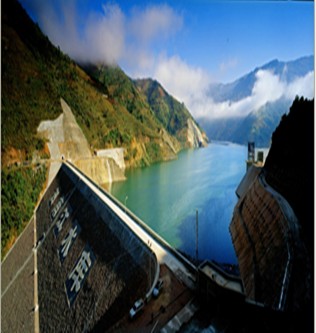
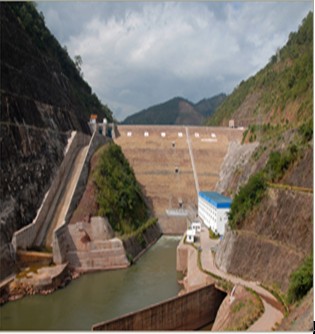
Hydropower
Source commercial-grade hydropower equipment from vetted suppliers and manufacturers. Designed for energy distributors, engineering procurement firms, and wholesale importers, our network provides reliable micro and mini hydro turbines, generators, and control systems for bulk and OEM purchasing.
Sourcing hydropower equipment—from micro-hydro residential units to mini-hydro commercial installations—requires exacting alignment between site conditions and turbine specifications. A slight mismatch in head or flow calculations, or subpar runner machining on the factory floor, drastically reduces generation efficiency and equipment lifespan. Procuring these systems in volume demands strict oversight of manufacturing tolerances, material selection, and electrical standards.
Aligning Turbine Architecture with Site Dynamics
The fundamental challenge in sourcing hydropower equipment is that there is no universal solution. Turbines must be matched precisely to the hydraulic energy available at the installation site. Procuring the wrong turbine type for a specific head (vertical drop) and flow rate will result in cavitation, excessive wear, and poor power output.
| Turbine Type | Ideal Head | Ideal Flow | Primary Application |
|---|---|---|---|
| Pelton (Impulse) | High (over 50m) | Low | Mountain streams / high drop |
| Francis (Reaction) | Medium (10m - 50m) | Medium | Run-of-river / versatile |
| Kaplan (Reaction) | Low (under 10m) | High | Large rivers / low dams |
When purchasing in bulk or developing a private-label line, it is critical to specify the exact operating ranges your target market requires.
Avoid costly specification mismatches by having our engineering sourcing team verify factory capabilities and technical alignment.
Discuss your projectManufacturing Tolerances and Quality Markers
The difference between a turbine that operates flawlessly for twenty years and one that fails in two lies entirely in factory-level execution. You must look beyond the spec sheet and evaluate the manufacturer's production methods.
Runner Machining and Balancing
The runner (the rotating part of the turbine) is the heart of the system. In lower-cost units, runners are often sand-cast, which leaves surface imperfections that cause turbulence and reduce efficiency. Premium runners are CNC-machined from solid blocks of stainless steel (such as 304 or 316L) or precision investment-cast. Regardless of the manufacturing method, dynamic balancing of the runner is non-negotiable to prevent severe vibration that destroys bearings.
Generator Winding and Insulation
For the synchronous or asynchronous generators coupled to the turbines, copper purity in the stator windings directly impacts thermal performance. A common cost-cutting measure in unverified factories is using copper-clad aluminum (CCA) instead of pure copper, which leads to overheating under continuous load.
Critical Factory Inspection Points
- Verify dynamic balancing reports for all turbine runners before assembly.
- Confirm stator winding material (100% pure copper) and insulation class (Class F or H).
- Check bearing specifications (specify premium brands like SKF, NSK, or FAG).
- Ensure the governor/control panel uses recognized PLC and inverter components.
- Inspect the thickness and anti-corrosion coating of the turbine housing/penstock connections.
Thorough Factory Audits are essential to ensure the supplier actually possesses the CNC machinery and electrical testing rigs required to meet these standards, rather than simply outsourcing production to substandard workshops.
Lead Times, MOQs, and Production Realities
The hydropower supply chain operates on distinct timelines depending on the scale of the equipment.
If you are utilizing OEM/ODM Services to customize control systems for specific grid requirements (e.g., specific voltage/frequency combinations or specialized grid-tie inverters), expect lead times to extend by 15 to 30 days for engineering and prototyping.
Pricing is heavily driven by the material of the runner (cast iron vs. CNC stainless steel) and the sophistication of the electronic load controller (ELC) or governor. Because these units are heavy and sensitive to moisture, robust crating and careful logistics planning are required to prevent transit damage.
Need reliable hydropower manufacturing partners? Let us handle the vetting, negotiation, and quality control.
Talk to our teamFrequently Asked Questions
Sourcing hydropower equipment in volume is an exercise in risk management. Success requires bridging the gap between complex hydraulic engineering and practical factory-floor execution. Partnering with a specialized sourcing team ensures your specifications translate into reliable, high-efficiency generation equipment.
Get Sourcing Help for Hydropower
Tell us your requirements and our experts will connect you with verified manufacturers.