Hydraulic Cylinders
Source industrial-grade hydraulic cylinders from vetted suppliers and manufacturers across Asia. Designed for equipment manufacturers, heavy machinery distributors, and importers buying in bulk, our network supports high-volume wholesale orders and custom OEM production to exact pressure and stroke specifications.
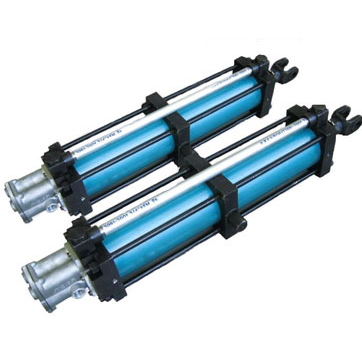
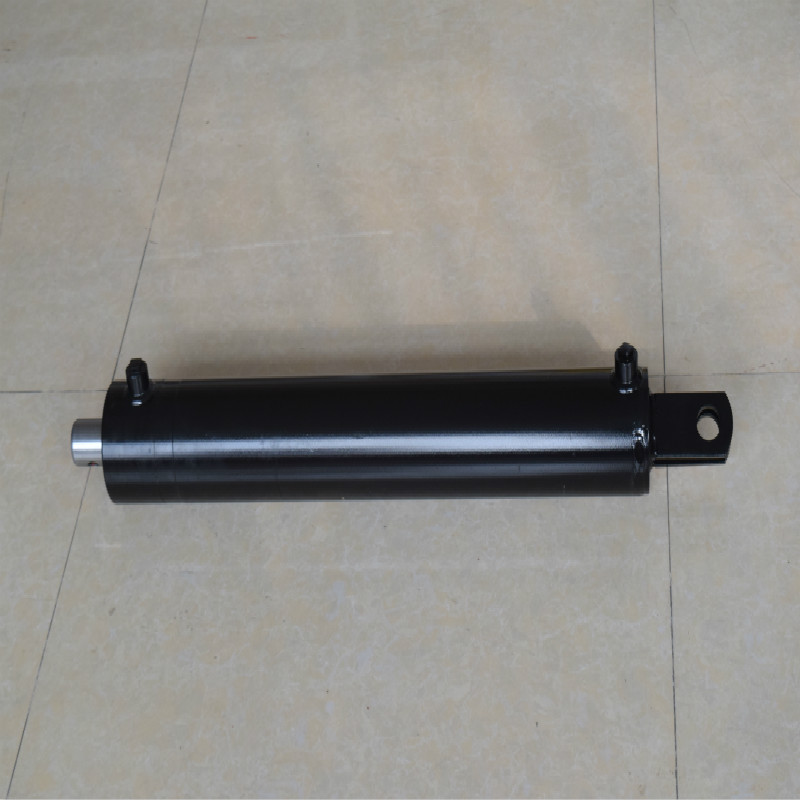
Sourcing hydraulic cylinders at scale requires balancing unit cost with zero-failure reliability. Whether you are procuring tie-rod cylinders for agricultural attachments or heavy-duty welded cylinders for construction equipment, the margin for error in machining tolerances and seal integrity is practically non-existent. A single compromised seal or micro-abrasion on a piston rod can lead to catastrophic fluid leaks and equipment downtime.
To successfully import hydraulic cylinders, buyers must strictly define their technical requirements and rigorously vet the machining and testing capabilities of their chosen factory.
Defining Your Cylinder Specifications
When engaging with a factory for bulk production, generic requests will result in generic, often sub-standard products. Manufacturers need precise engineering data to calculate material costs and production feasibility.
Critical Specifications for Factory Quotations
- Bore and Rod Diameter: Determines the push/pull force capacity.
- Stroke Length and Closed/Retracted Length: Must account for dead space and piston thickness.
- Operating and Yield Pressure: Specify continuous working pressure (e.g., 3000 PSI) and required burst testing limits.
- Mounting Configurations: Clevis, trunnion, flange, or cross-tube mounts, including pin hole tolerances.
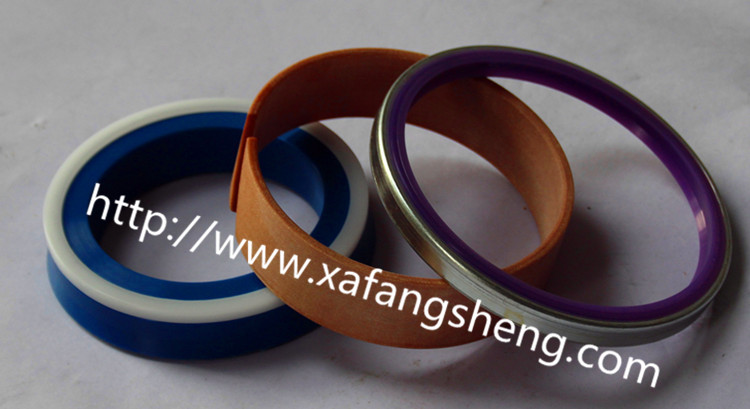
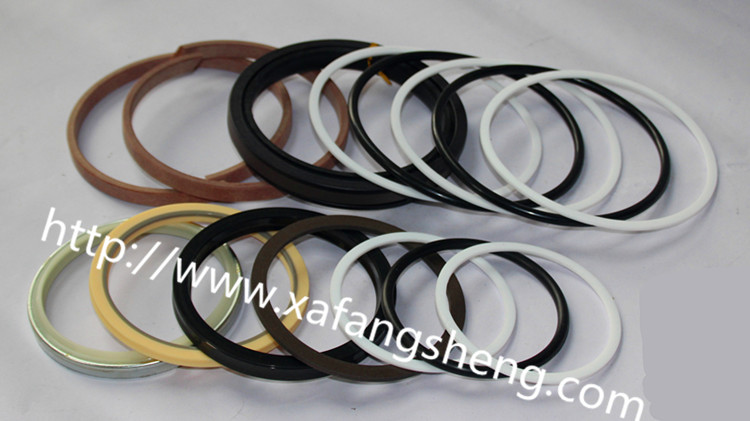
- Seal Kits: Specify material (e.g., Nitrile, Polyurethane, or Viton for high-temperature applications) and preferred brands (e.g., NOK, Hallite, or premium domestic equivalents).
Manufacturing Tolerances and Quality Control
The durability of a hydraulic cylinder is won or lost in the surface finishing and assembly environment. Even top-tier seal kits will fail prematurely if the cylinder tube and rod are not machined to exact specifications.
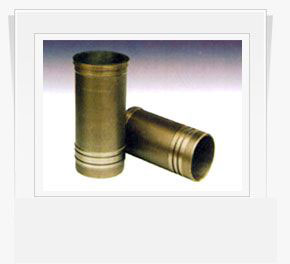
Tube Honing
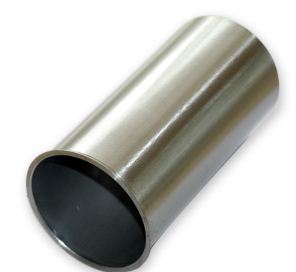
The internal cylinder barrel must be honed to a specific surface roughness (Ra value, typically under 0.4 micrometers) to ensure seals glide smoothly without tearing.
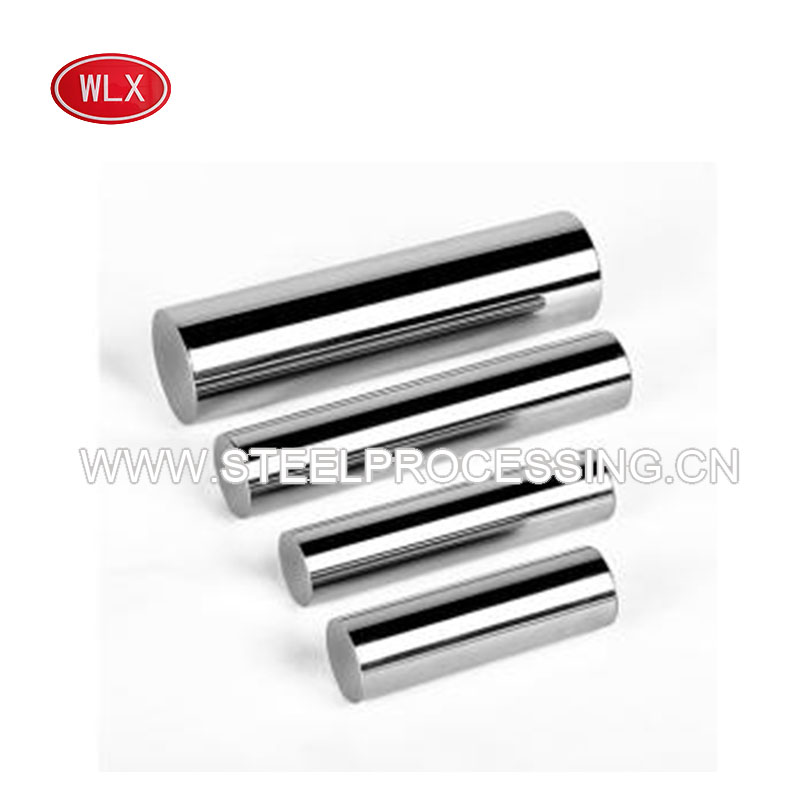
Rod Chroming and Hardening
Piston rods require induction hardening and hard chrome plating. The plating thickness and uniformity are critical for corrosion resistance, usually verified via salt spray testing.
Clean Assembly
Assembly must occur in a dust-free environment. Contaminants introduced during seal installation will score the barrel over time.
Pressure Testing
Every unit should undergo hydrostatic testing at 1.5 times the rated working pressure to verify weld integrity and seal performance before painting.
Relying on a factory's internal testing is risky without oversight. Implementing strict Quality Control & Inspection protocols, including third-party pre-shipment pressure tests, is essential to prevent defective batches from leaving the facility.
Ensure your hydraulic cylinders meet exact pressure and tolerance ratings before they leave the factory floor.
Talk to our teamSourcing Regions and Supplier Verification
China is the dominant global hub for hydraulic components, with distinct manufacturing clusters. Wuxi and Changzhou in Jiangsu province are heavily concentrated with hydraulic and pneumatic manufacturers, offering deep supply chains for raw tubes, chrome rods, and seals. Shandong province also hosts numerous factories specializing in heavy-duty and agricultural cylinders.
However, the barrier to entry for assembling cylinders is relatively low, meaning many "manufacturers" are merely assembly workshops buying pre-machined tubes and rods. To ensure consistent quality across high-volume orders, conducting comprehensive Factory Audits is non-negotiable. You must verify that the supplier possesses in-house CNC machining, deep-hole boring machines, and automated welding stations, rather than just a paint booth and a test rig.
Typical MOQs, Pricing, and Lead Times
Hydraulic cylinders are heavy, material-intensive products. Pricing is highly sensitive to the cost of steel and the origin of the seal kits.
If you are a brand or equipment manufacturer requiring custom dimensions, integrated valving, or specific paint matching, engaging a partner for OEM/ODM Services ensures your proprietary designs are protected and executed accurately. Tooling costs for custom mounts or forgings are generally reasonable, but require clear upfront agreements on intellectual property and mold ownership.
Need accurate pricing, verified MOQs, and reliable lead times for your custom cylinder designs?
Get a free consultationBuyer FAQ
The true cost of a hydraulic cylinder is never just the FOB price; it is the cost of replacement, fluid cleanup, and brand damage when a unit fails in the field. Sourcing successfully means looking past the lowest quote to validate the engineering and machining reality on the factory floor. We can help you navigate that process from initial vetting to final delivery.
Get Sourcing Help for Hydraulic Cylinders
Tell us your requirements and our experts will connect you with verified manufacturers.