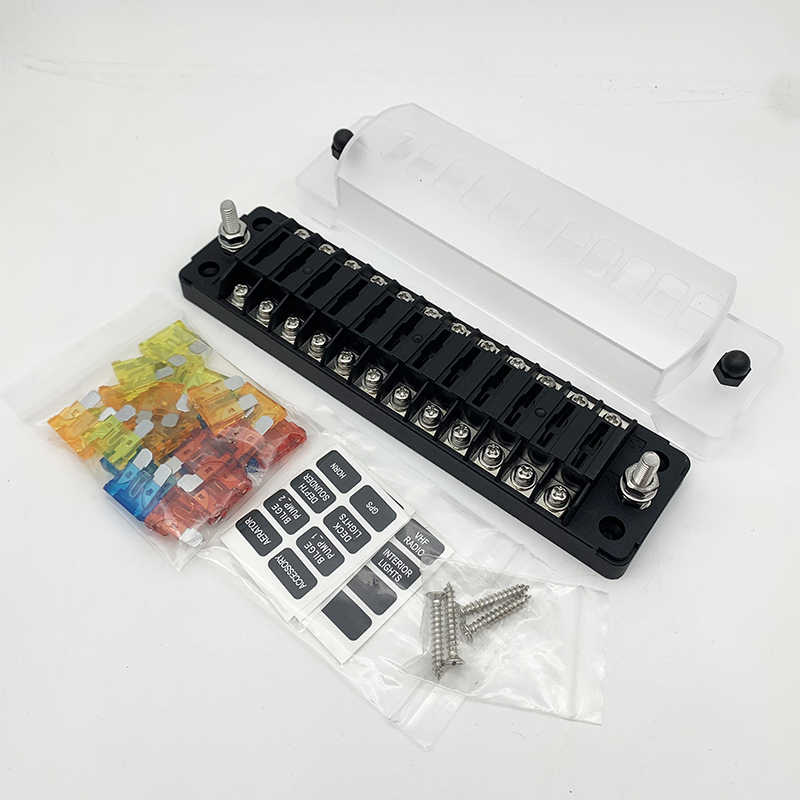
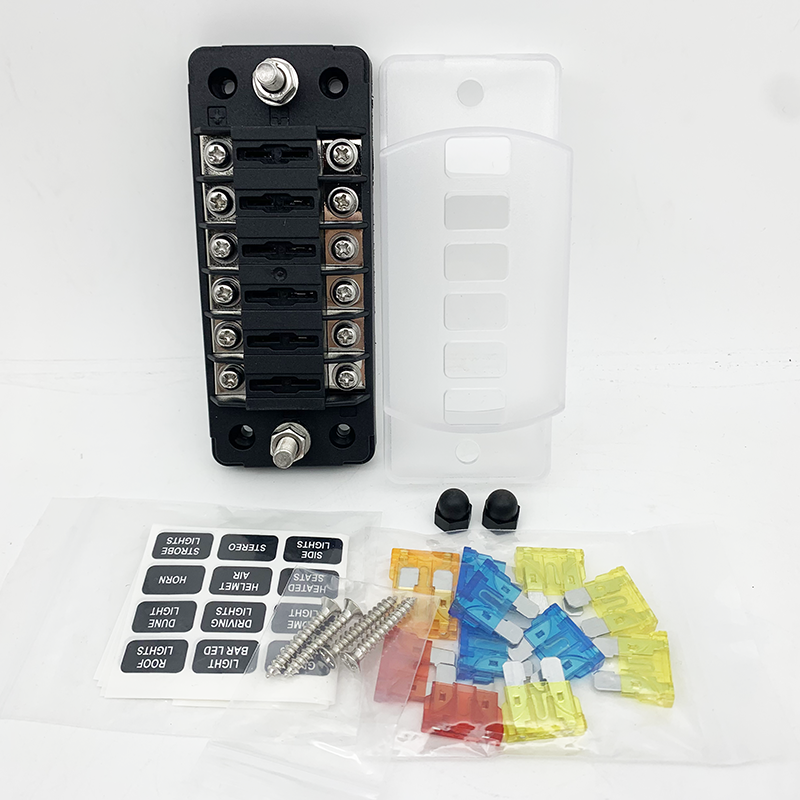
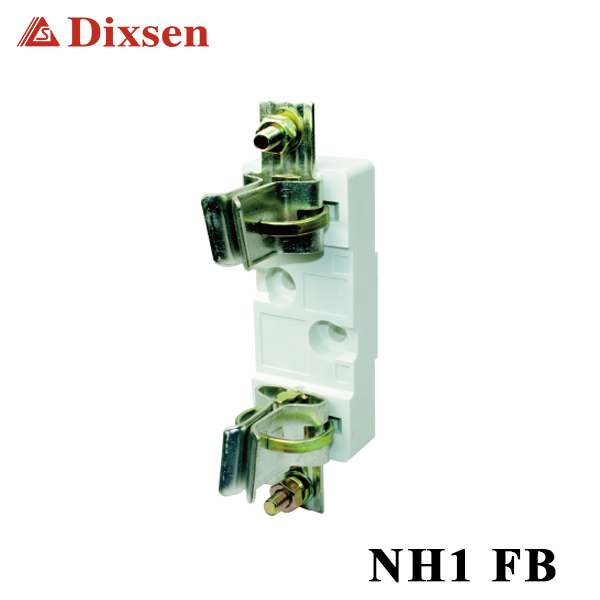
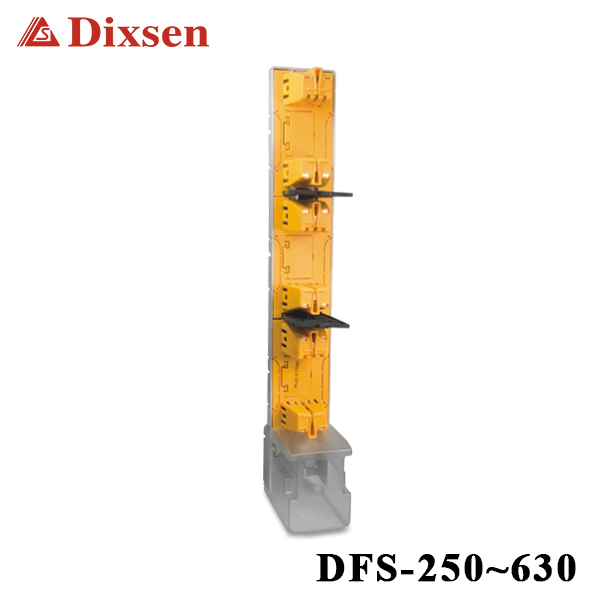
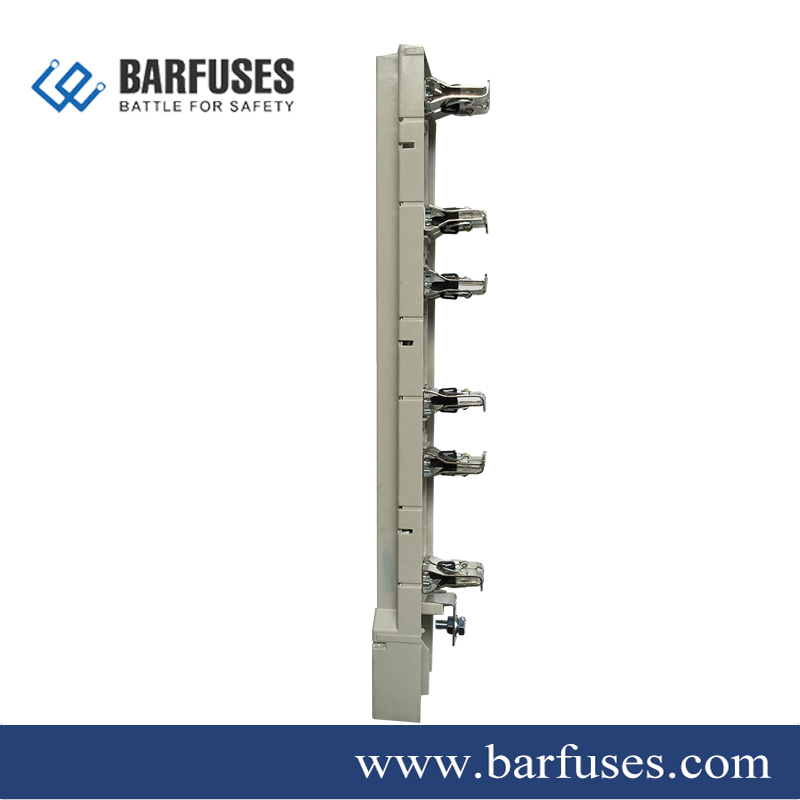
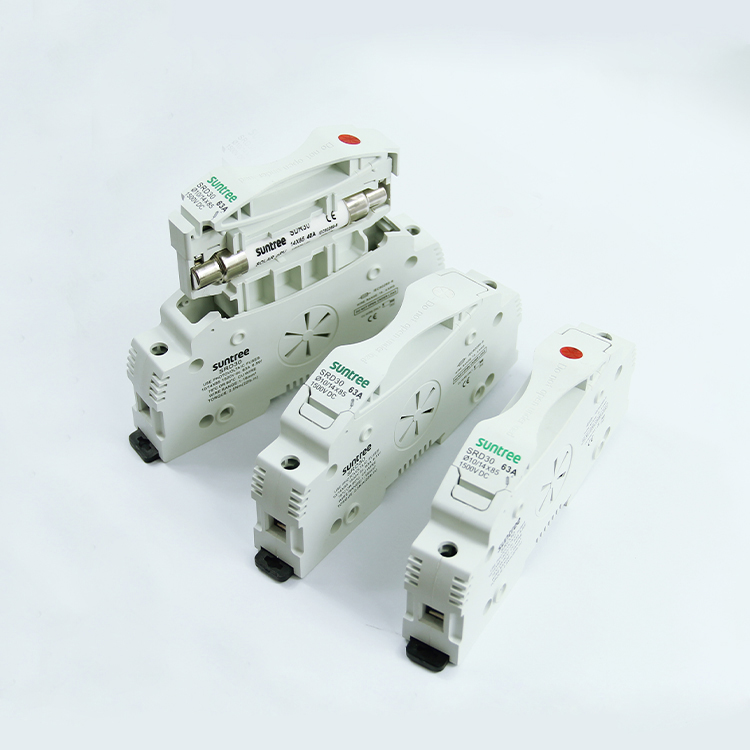
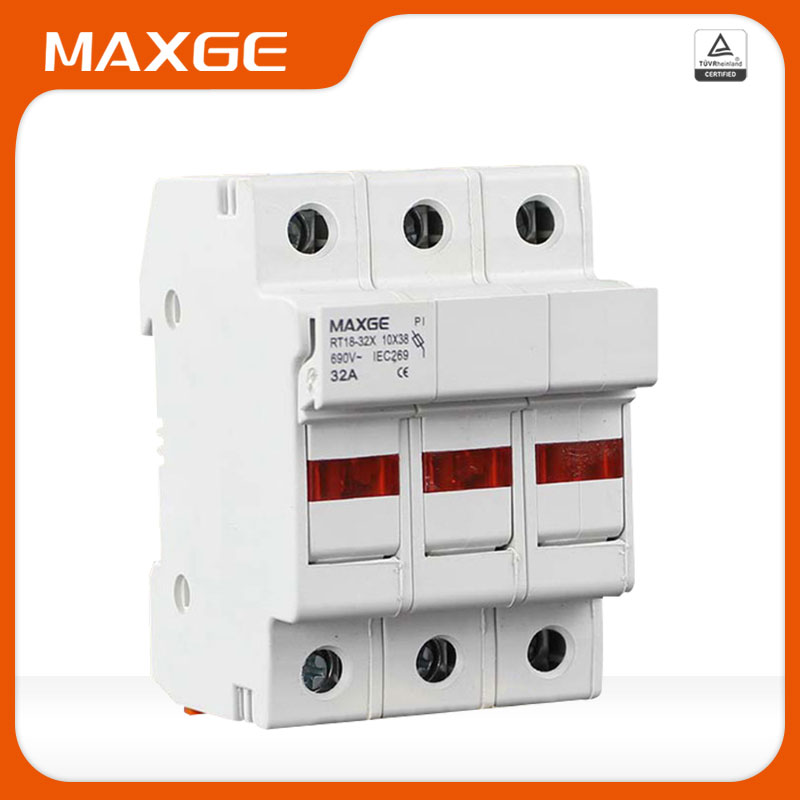
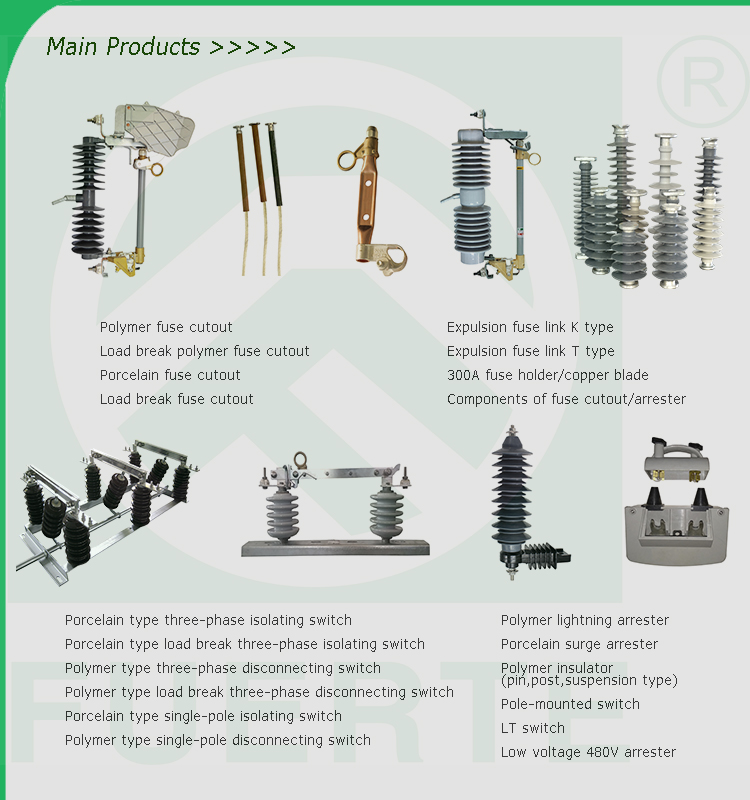
Fuse Components
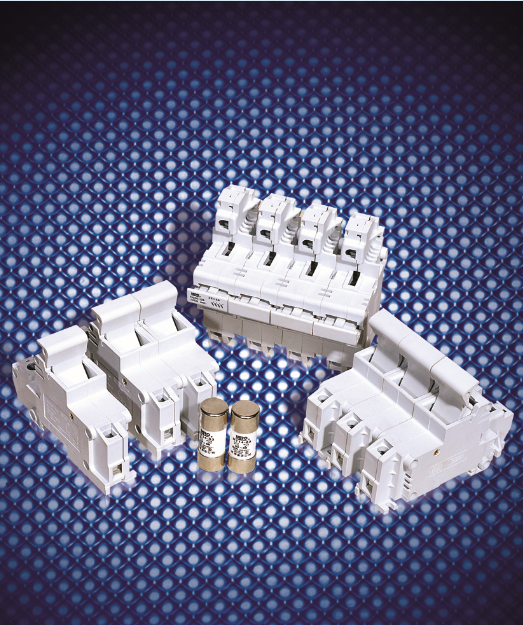
Source high-quality fuse components from vetted suppliers and manufacturers in China. Designed for importers, electrical distributors, and OEM brands buying in bulk, our network delivers precision-engineered fuse bases, clips, and elements built to meet strict UL and IEC standards for reliable low-voltage protection.
Procuring low-voltage fuse components at scale—whether you are sourcing fuse bases, carriers, contact clips, or melt elements—requires strict attention to material purity and manufacturing precision. Because these components serve as critical electrical fail-safes, even minor deviations in metal stamping tolerances or plating thickness can lead to increased contact resistance, excessive temperature rise, and ultimate failure of the circuit protection system.
For volume buyers, the challenge lies in identifying manufacturers who maintain consistent metallurgical quality and automated assembly standards across production runs of hundreds of thousands of units.
Specifying Materials for Fuse Components
The performance of a fuse assembly is entirely dependent on the raw materials used for its conductive and insulating parts. When negotiating with suppliers, vague specifications will result in cost-cutting on metals and plating, directly impacting the component's current-carrying capacity and thermal stability.
| Component Part | Standard Commercial Material | High-Performance / Industrial Material |
|---|---|---|
| Contact Clips & Terminals | Brass (Tin-plated) | Phosphor Bronze or Beryllium Copper (Silver-plated) |
| Insulating Bodies / Bases | Phenolic Resin / Glass | Steatite Ceramic / High-Grade Melamine |
| Melt Elements | Zinc or Standard Copper | High-Purity Silver (99.9%) |
| Arc Extinguishing Medium | Standard Silica Sand | High-Purity, Chemically Treated Quartz Sand |
Contacts and Plating
For fuse clips and bases, the base metal determines the spring force and fatigue resistance over time, while the plating dictates conductivity and corrosion resistance. Phosphor bronze is heavily preferred for clips because it retains its clamping force after repeated fuse insertions. Always specify the exact plating thickness required (e.g., 3 to 5 microns of silver plating).
Struggling to verify material specs with overseas suppliers? Let our engineers help you vet factories and secure reliable component sourcing.
Talk to our teamManufacturing Tolerances and Quality Control
The primary failure point in outsourced fuse components is inconsistent contact resistance. This is usually caused by degraded stamping dies at the factory, which lead to loose dimensional tolerances on the fuse clips. When a clip does not grip the fuse link tightly, micro-arcing and heat generation occur.
To prevent this, sophisticated buyers rely on strict quality control and inspection protocols before shipment.
Critical Factory QC Checks for Fuse Components
- Dimensional Tolerance: Verify stamping accuracy using optical comparators to ensure clips meet exact drawing specs.
- Plating Thickness: Request X-Ray Fluorescence (XRF) testing reports to confirm silver or tin plating depth.
- Contact Resistance Testing: Measure voltage drop across the clip and fuse link using a micro-ohmmeter.
- Temperature Rise Test: Ensure the component does not exceed the maximum allowable temperature under rated continuous current.
- Salt Spray Testing: Verify the corrosion resistance of the plating, critical for components destined for harsh environments.
If you are developing proprietary fuse holders or custom form factors, utilizing specialized OEM/ODM services is highly recommended. A capable factory will have in-house tooling capabilities to maintain the precision of the stamping dies over high-volume runs.
Sourcing Hubs, MOQs, and Pricing Realities
The undisputed manufacturing hub for low-voltage electrical components in China is the Zhejiang province, specifically the city of Yueqing (often referred to as the "Electrical Capital of China"). While you will find hundreds of trading companies offering these parts, going direct to the tier-one component manufacturers requires navigating high Minimum Order Quantities (MOQs).
Because components like end caps, melt elements, and clips are produced via high-speed automated stamping and machining, factories require substantial volume to justify machine setup times.
Pricing is heavily indexed to the global commodities market, particularly the spot prices of copper and silver. Suppliers will typically quote prices valid for only 7 to 15 days. If you are ordering in massive volumes, it is standard practice to negotiate a pricing formula tied to the London Metal Exchange (LME) copper or silver price at the time of order confirmation.
Need to negotiate better terms or consolidate shipments from multiple electrical component suppliers? We manage the entire supply chain for volume buyers.
Get a free consultationBuyer FAQ
When sourcing fuse components in bulk, the initial unit price is only a fraction of your total cost of ownership. A supplier saving you fractions of a cent on plating thickness can cost you exponentially more in product recalls or thermal failures in the field. Success in this category requires rigorous supplier vetting, airtight material specifications, and unyielding quality control at the factory level.
Get Sourcing Help for Fuse Components
Tell us your requirements and our experts will connect you with verified manufacturers.