Frequency Meters
Source high-accuracy frequency meters directly from vetted manufacturers and wholesale suppliers. Designed for importers, distributors, and brands seeking reliable OEM production, our network delivers industrial-grade electrical instruments built to exact specifications with strict quality control.
Sourcing industrial frequency meters requires balancing component reliability with cost-efficiency. Whether you are procuring analog panel meters for legacy switchgear or digital DIN-rail units for modern automation systems, the core challenge remains consistent: ensuring long-term measurement stability and batch-to-batch calibration accuracy. Sourcing directly from Asian manufacturers offers significant margin advantages, provided you can verify their component supply chain and assembly standards.
Core Specifications for Bulk Procurement
When negotiating with manufacturers, defining precise technical specifications is critical to avoid receiving substandard units. The bill of materials (BOM) heavily dictates both the lifespan and the accuracy of the instrument.
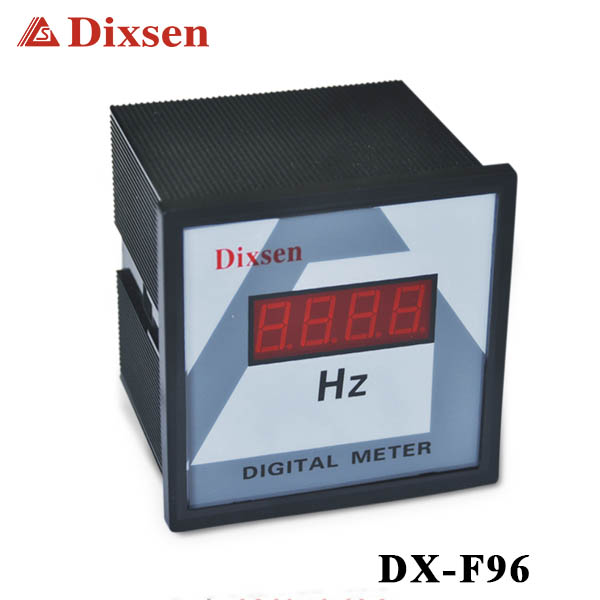
- Measuring Range & Input Voltage: Standard industrial applications typically require a narrow band (e.g., 45-55Hz or 45-65Hz) for mains monitoring, while wideband meters (e.g., 10-99.9Hz) are used for variable frequency drives (VFDs). The input voltage rating (commonly 110V, 220V, or 380V AC) must match the target market's grid or the specific equipment requirements.
- Accuracy Class: Analog meters generally fall into Class 1.5 or Class 2.5, which is sufficient for basic visual monitoring. Digital meters should achieve Class 0.5 or better.
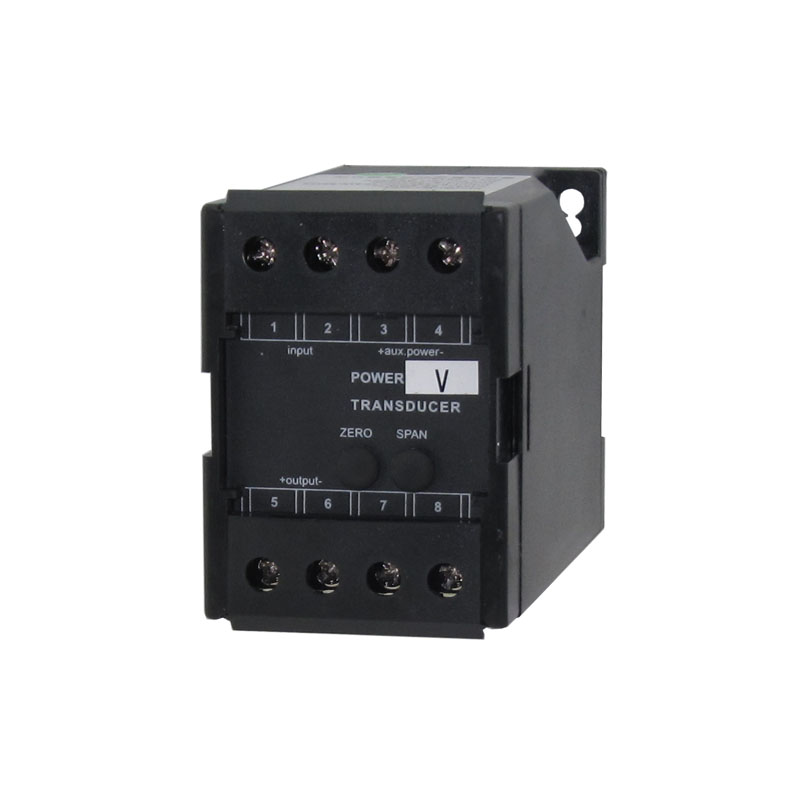
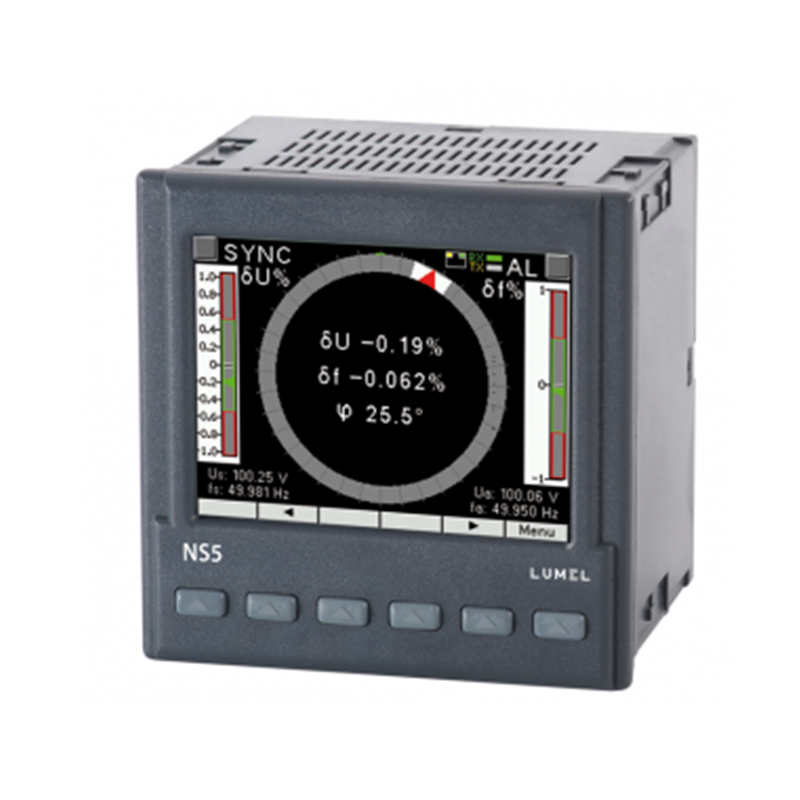
- Communication Protocols: Modern digital meters often require integration into SCADA or BMS systems. Specify if you need RS485 interfaces supporting Modbus RTU.
| Specification | Analog (Pointer) Meters | Digital (LED/LCD) Meters |
|---|---|---|
| Primary Mechanism | Moving coil or moving iron | MCU with quartz crystal oscillator |
| Typical Accuracy | Class 1.5 to 2.5 | Class 0.5 or better |
| Vibration Tolerance | Moderate (susceptible to physical shock) | High (solid-state components) |
| Data Integration | None | Optional (RS485, Pulse output) |
Manufacturing Quality & Supplier Verification
The reliability of a frequency meter is won or lost on the factory floor. For digital units, the quality of the Microcontroller Unit (MCU) and the sampling circuitry determines how well the meter handles harmonic distortion. For analog units, the precision of the hairspring and the magnetic core dictates the pointer's stability and responsiveness.
Relying solely on a supplier's spec sheet is risky. Conducting thorough factory audits allows you to verify their incoming material inspections and testing capabilities.
Critical Factory Verification Points
- Verify the presence of automated calibration rigs (e.g., programmable AC power sources).
- Check the aging testing process (burn-in testing) to identify early component failures.
- Inspect the soldering quality on PCBs (automated SMT lines vs. manual soldering).
- Confirm the traceability of key components like MCUs and quartz crystals.
Need to verify a manufacturer's production capabilities? We conduct on-site audits to ensure your frequency meters are built to international standards.
Talk to our teamOEM/ODM Customization
Many importers and electrical brands require customized meters to fit specific panel cutouts or to match existing product lines. Most capable manufacturers offer comprehensive OEM/ODM services, allowing you to customize faceplates, scale designs, housing materials (e.g., flame-retardant ABS or polycarbonate), and digital display colors.
When developing a custom unit, clearly define the IP rating requirements for the front panel (e.g., IP54 or IP65) if the meters will be used in harsh industrial environments.
Pricing Drivers, MOQs, and Lead Times
Pricing for frequency meters varies significantly based on the technology, accuracy class, and communication features.
- Pricing: Basic analog panel meters are highly commoditized, often costing under a few dollars per unit in bulk. Digital meters with basic LED displays are moderately priced, while advanced digital meters featuring RS485 communication, multi-parameter monitoring (V, A, Hz), and high-visibility LCDs command higher premiums.
- Minimum Order Quantities (MOQs): For standard off-the-shelf models with basic private labeling (e.g., logo printing), MOQs typically range from 200 to 500 units. For fully custom OEM designs requiring new molds or custom PCB layouts, expect MOQs of 1,000 to 3,000 units.
- Lead Times: Standard production runs generally take 25 to 35 days. Custom configurations or initial OEM runs may require 45 to 60 days to account for prototyping and approval phases.
Managing pricing negotiations and production schedules across multiple suppliers can be complex. Let us streamline your procurement process and secure the best terms for your bulk orders.
Get a free consultationQuality Control & Pre-Shipment Inspection
Even with a reliable manufacturer, implementing a strict quality control protocol is non-negotiable. Pre-shipment inspections should include functional testing across the entire frequency range, visual inspections for assembly defects (e.g., misaligned pointers, scratched displays), and high-voltage dielectric withstand testing (hipot testing) to ensure safety compliance.
Procuring frequency meters at scale demands a rigorous approach to supplier selection and quality assurance. By focusing on component traceability, automated calibration, and strict pre-shipment testing, you can secure reliable instrumentation that protects your brand's reputation in the market.
Get Sourcing Help for Frequency Meters
Tell us your requirements and our experts will connect you with verified manufacturers.