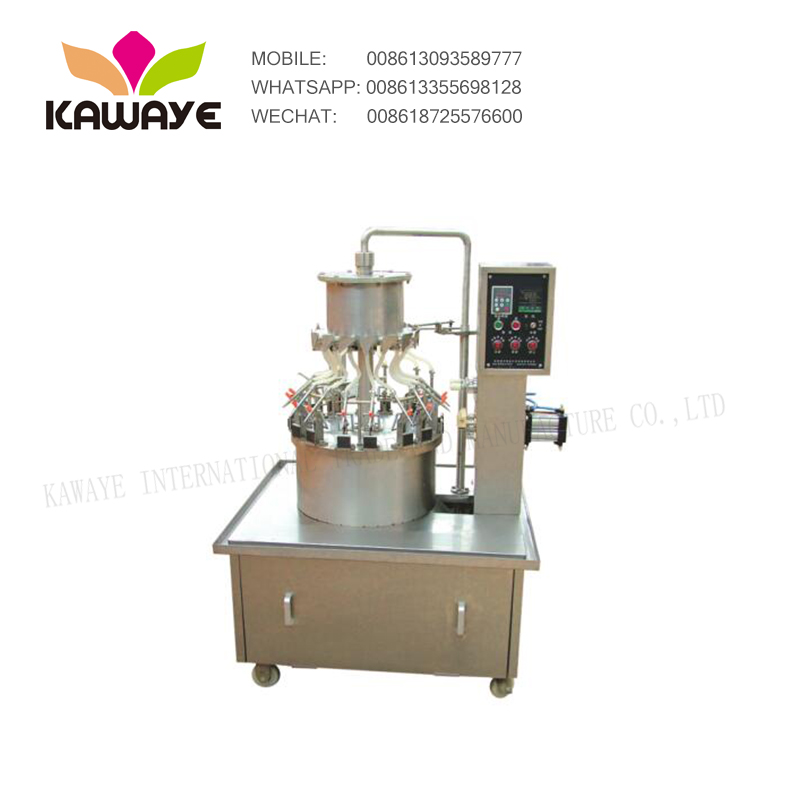
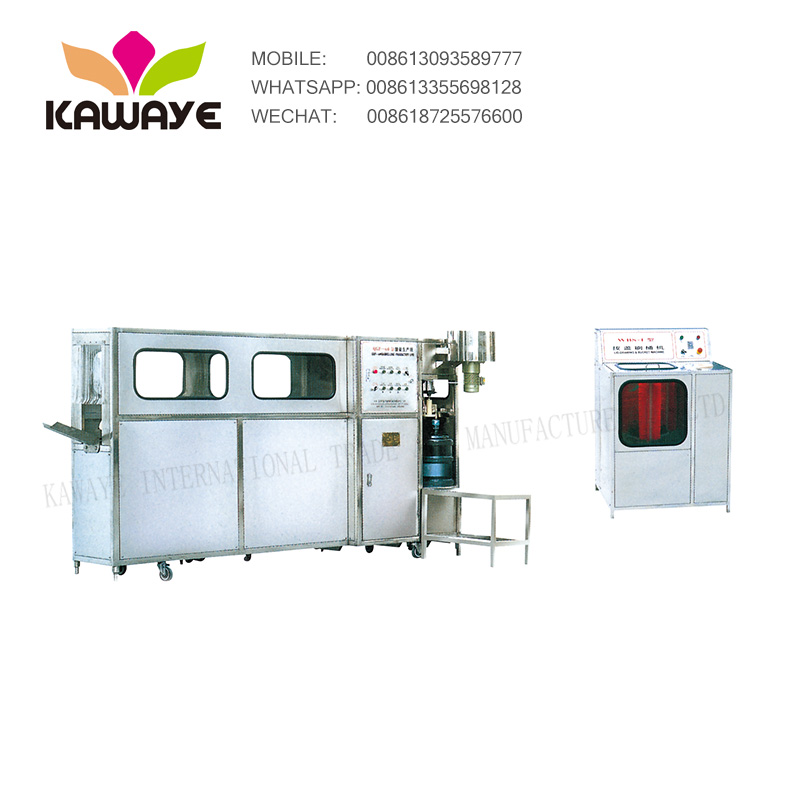
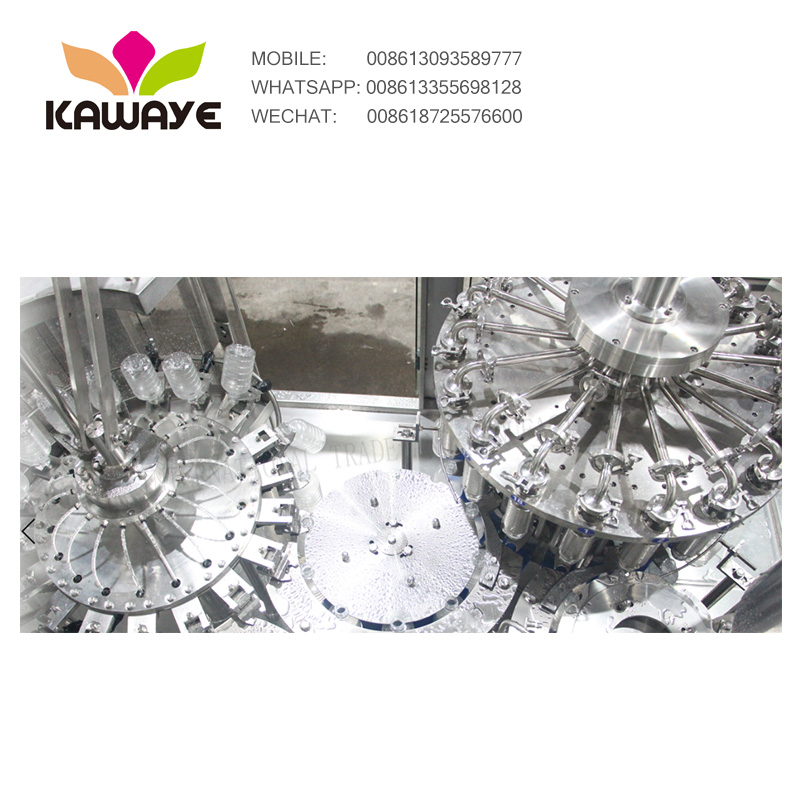
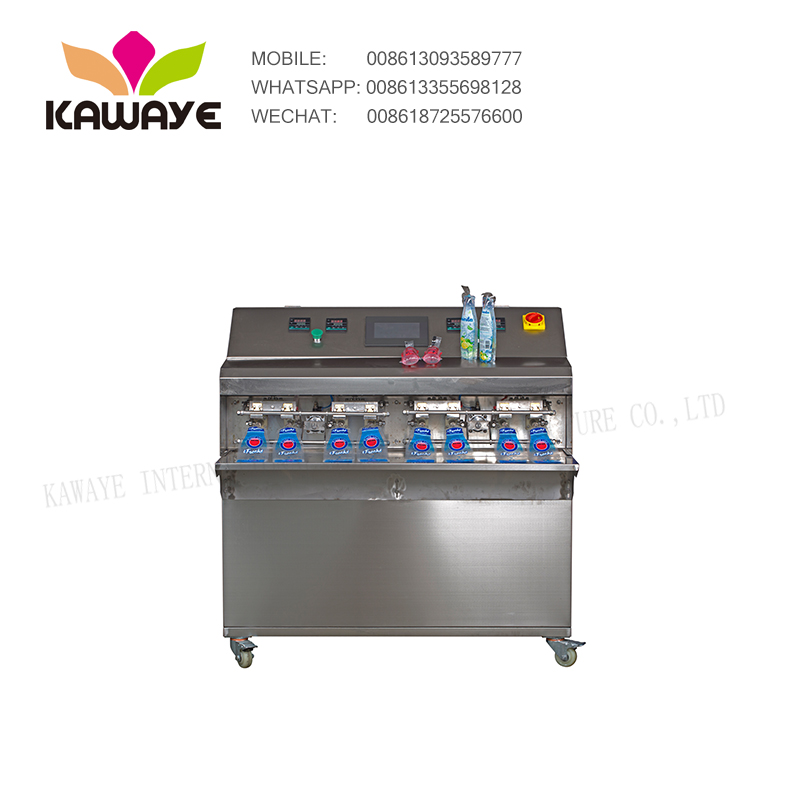
Filling Machines
Source industrial filling machines directly from vetted manufacturers and suppliers. Designed for importers, packaging distributors, and brands requiring reliable OEM and ODM production, our network delivers precision equipment for high-volume packaging. Secure competitive wholesale pricing, custom engineering, and strict quality assurance.
Sourcing industrial filling machinery requires balancing upfront capital expenditure with long-term reliability, precision, and throughput. Whether you are outfitting a new production line or upgrading existing packaging infrastructure, the equipment you import must hit strict accuracy tolerances while minimizing downtime and product waste. Navigating the manufacturer landscape in Asia means distinguishing between true engineering facilities and basic assembly workshops.
Critical Specifications for Filling Machinery
Specifying a filling machine is rarely off-the-shelf. The exact configuration depends entirely on the flow characteristics of the product, the container geometry, and the required output speed. When communicating with manufacturers, precision in your technical requirements prevents costly rework.
| Fill Mechanism | Ideal Application | Accuracy Driver |
|---|---|---|
| Servo-Driven Piston | High-viscosity liquids and pastes | Stroke length & servo feedback |
| Gravity / Time-Flow | Free-flowing, non-viscous liquids | Flow rate & valve timing |
| Auger Filler | Dry powders and granules | Rotation count & tooling pitch |
| Net Weight / Load Cell | High-value or variable-density products | Load cell calibration |
Material Compatibility and Contact Parts
Standard machinery typically utilizes SUS304 stainless steel for contact parts. However, if you are filling corrosive chemicals, high-salinity foods, or pharmaceuticals, you must specify SUS316L stainless steel, PTFE (Teflon) seals, and food-grade or pharmaceutical-grade sanitary fittings. Ensure the manufacturer understands Clean-in-Place (CIP) or Wash-in-Place (WIP) requirements if rapid changeovers between product batches are necessary.
Need help verifying a manufacturer's engineering capabilities? Let us audit their technical track record before you place a deposit.
Talk to our teamQuality Control and Factory Acceptance
The most common failure points in imported filling machinery are not the structural frames, but the pneumatic components, PLC logic, and sensor integrations. Many low-cost suppliers cut corners by using unbranded or counterfeit internal components, leading to erratic fill volumes and frequent breakdowns.
To ensure reliability, specify internationally recognized brands for critical components (e.g., Siemens or Allen-Bradley for PLCs, Festo or SMC for pneumatics, Schneider for electricals). This not only ensures baseline quality but guarantees you can source replacement parts locally without relying on the original Chinese factory for every minor repair.
Factory Acceptance Test (FAT) Requirements
- Continuous run test of at least 4 hours without fault codes.
- Fill volume accuracy verification across 100 consecutive cycles.
- Seal and gasket integrity check under maximum operating pressure.
- HMI language verification and parameter save/load functionality.
- Safety interlock and emergency stop responsiveness.
Conducting a rigorous FAT is non-negotiable for capital equipment. If you cannot be on-site, utilizing professional Quality Control & Inspection services to execute the FAT on your behalf is highly recommended. Furthermore, comprehensive Factory Audits prior to contracting will weed out suppliers who lack the in-house CNC machining and engineering staff required to build reliable machines.
Customization and OEM Integration
Most buyers require some level of customization to integrate the filling machine into an existing line, such as matching conveyor heights, syncing with upstream unscramblers, or adapting the filling nozzles to prevent foaming in specific bottle necks.
When engaging in custom builds, clearly define the communication protocol (e.g., Modbus, Profinet) required for the new machine to talk to your existing line. If you are developing proprietary packaging formats, leveraging structured OEM/ODM Services ensures your intellectual property is protected while the factory engineers the bespoke tooling required for your containers.
Pricing, MOQs, and Lead Times
Because filling machines are capital equipment, the Minimum Order Quantity (MOQ) is almost universally 1 unit. However, pricing and lead times vary significantly based on the level of automation and the number of filling heads.
Pricing is driven by the number of filling nozzles (which dictates throughput), the sophistication of the PLC/HMI, and the origin of the pneumatic and electrical components. A 4-head semi-automatic pneumatic filler will be a fraction of the cost of a 12-head fully automatic servo-driven rotary filler. Always calculate the Total Cost of Ownership (TCO), factoring in expected downtime and maintenance, rather than just the FOB price.
Ensure your equipment meets local compliance standards and integrates seamlessly into your production line. We can manage the sourcing and technical negotiation.
Get a free consultationFrequently Asked Questions
Sourcing filling machines requires looking past the polished exterior to scrutinize the engineering tolerances, component sourcing, and software logic. By partnering with vetted manufacturers and enforcing strict pre-shipment testing, you can secure high-performance packaging infrastructure that delivers a rapid return on investment.
Get Sourcing Help for Filling Machines
Tell us your requirements and our experts will connect you with verified manufacturers.