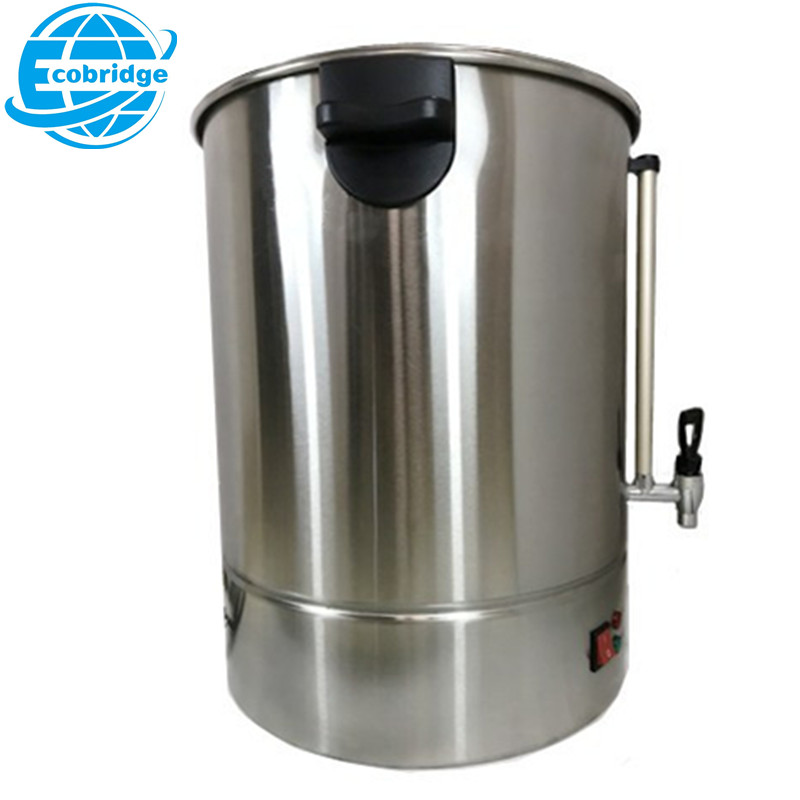
Fermenting Equipment
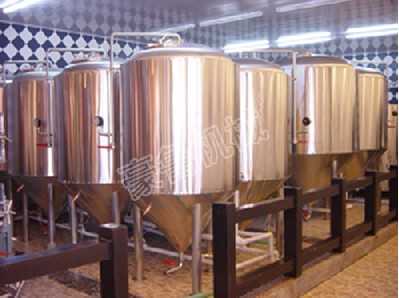
Source industrial-grade Fermenting Equipment from vetted manufacturers and suppliers across Asia. Designed for importers, beverage distributors, and commercial brands seeking bulk procurement or custom OEM production, our network delivers reliable, high-capacity fermentation systems built to exacting sanitary and structural standards.
Sourcing commercial fermenting equipment requires balancing stringent sanitary requirements with thermal efficiency and pressure safety. For industrial beverage and wine processing, the primary procurement challenge lies in verifying that a manufacturer's fabrication standards match their stated specifications—particularly regarding material purity, weld integrity, and cooling jacket performance.
Core Specifications & Material Standards
The foundation of any commercial fermenter is the quality of its stainless steel and the design of its thermal control systems. Buyers must specify exact material grades and thicknesses, as these dictate both the lifespan of the equipment and its resistance to corrosive cleaning agents (CIP).
| Specification | Standard Commercial (SUS304) | High-Acid / Premium (SUS316L) |
|---|---|---|
| Corrosion Resistance | Adequate for standard brewing/fermenting | Superior resistance to high chlorides and acids |
| Typical Application | Beer, standard wine, kombucha | Cider, high-acid wines, specialized spirits |
| Cost Premium | Baseline | Add 15% to 25% to base material cost |
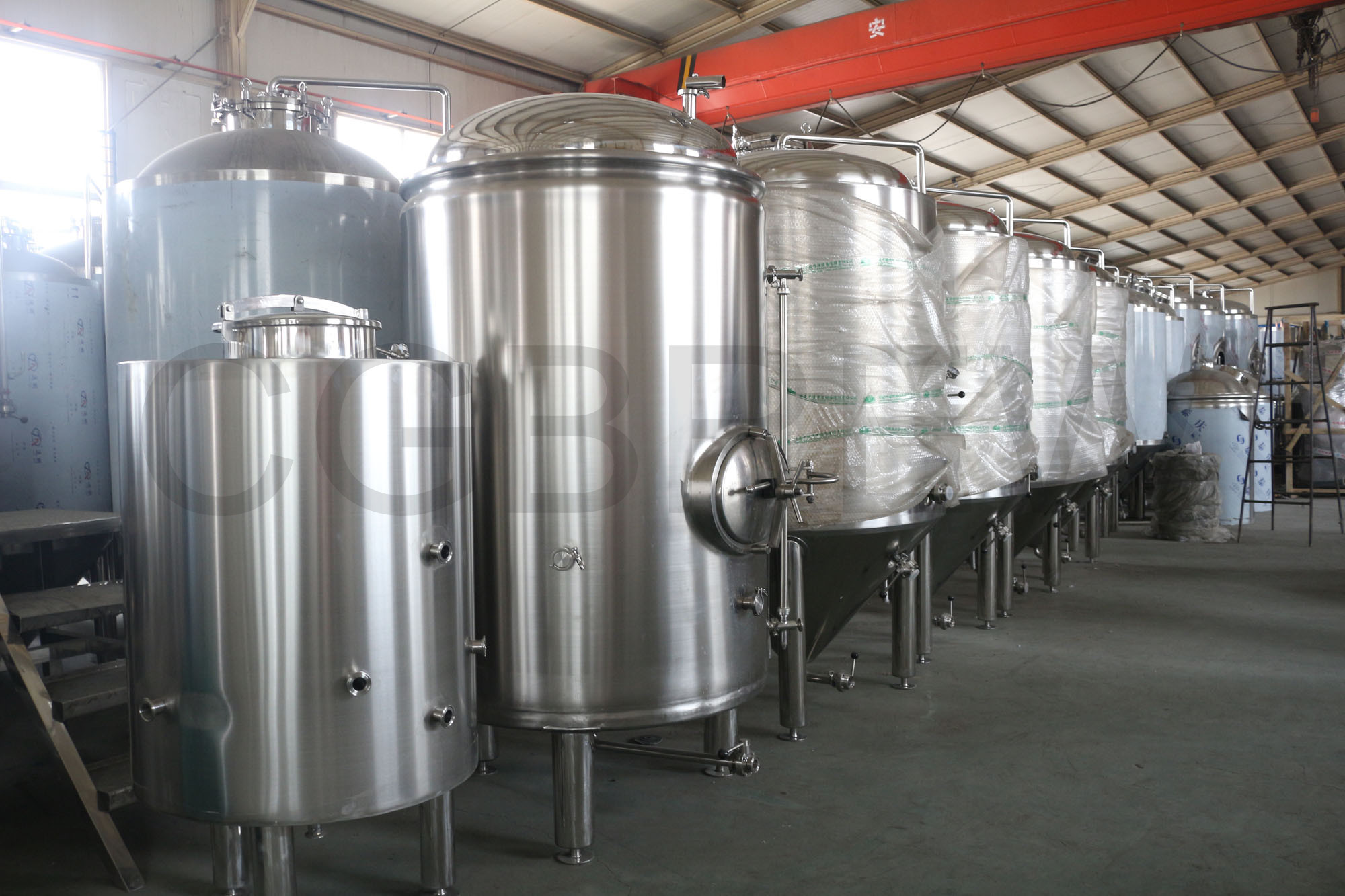
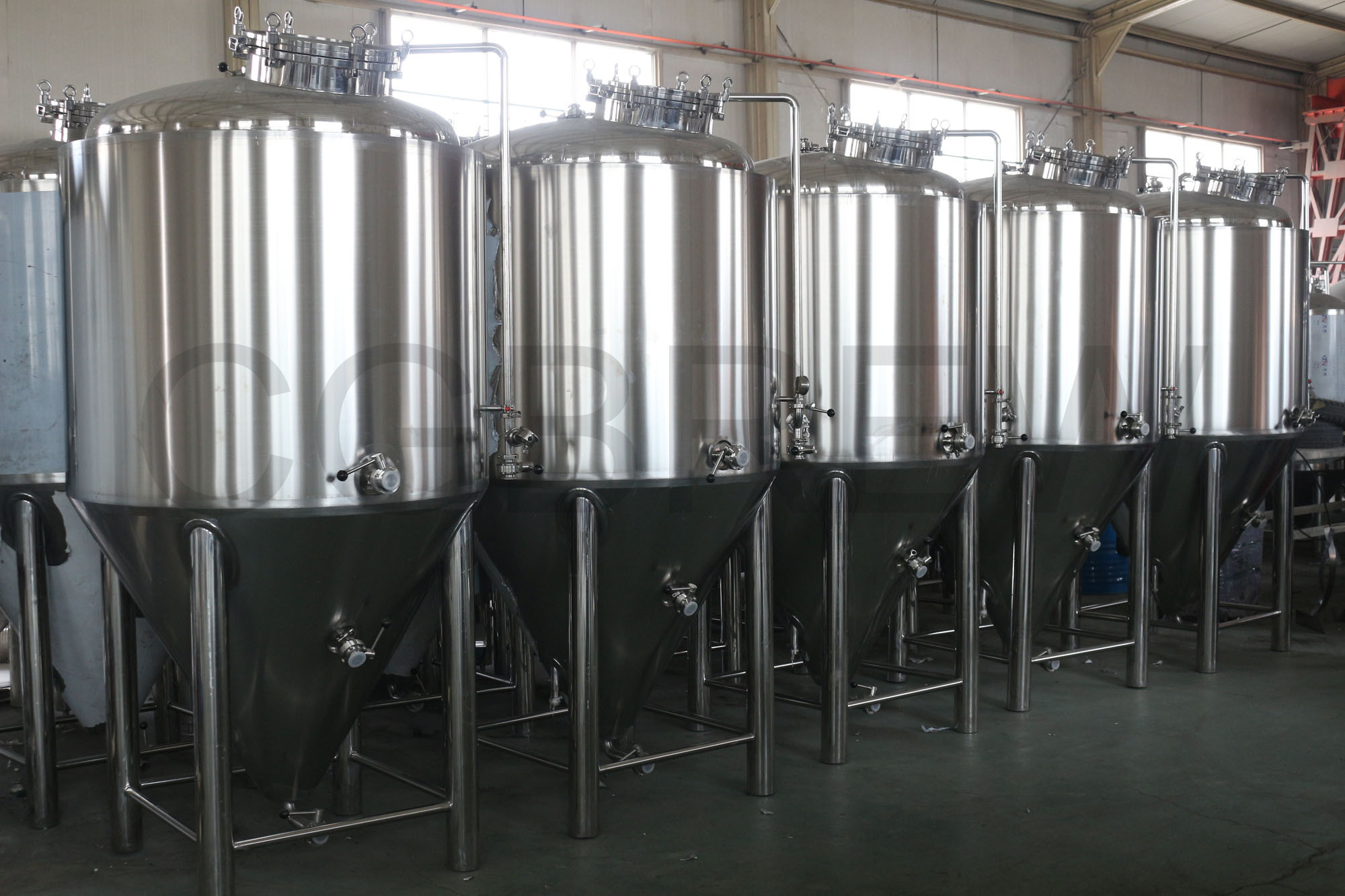
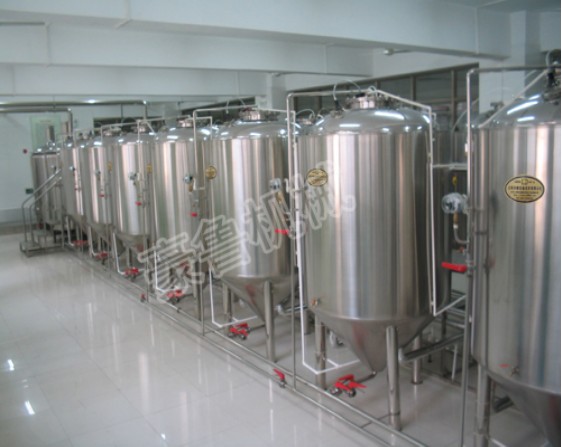
Beyond the steel grade, you must define the cooling jacket architecture. Dimple plate jackets are the industry standard for glycol cooling, offering excellent surface area and structural rigidity. Ensure your specifications clearly delineate the working pressure (typically 1.5 to 2.0 bar) versus the design pressure (often 3.0 bar), as this impacts the required steel gauge and the vessel's safety rating.
Need help verifying a factory's fabrication capabilities and pressure vessel certifications before placing a volume order?
Talk to our teamFabrication Quality: Welding and Polishing
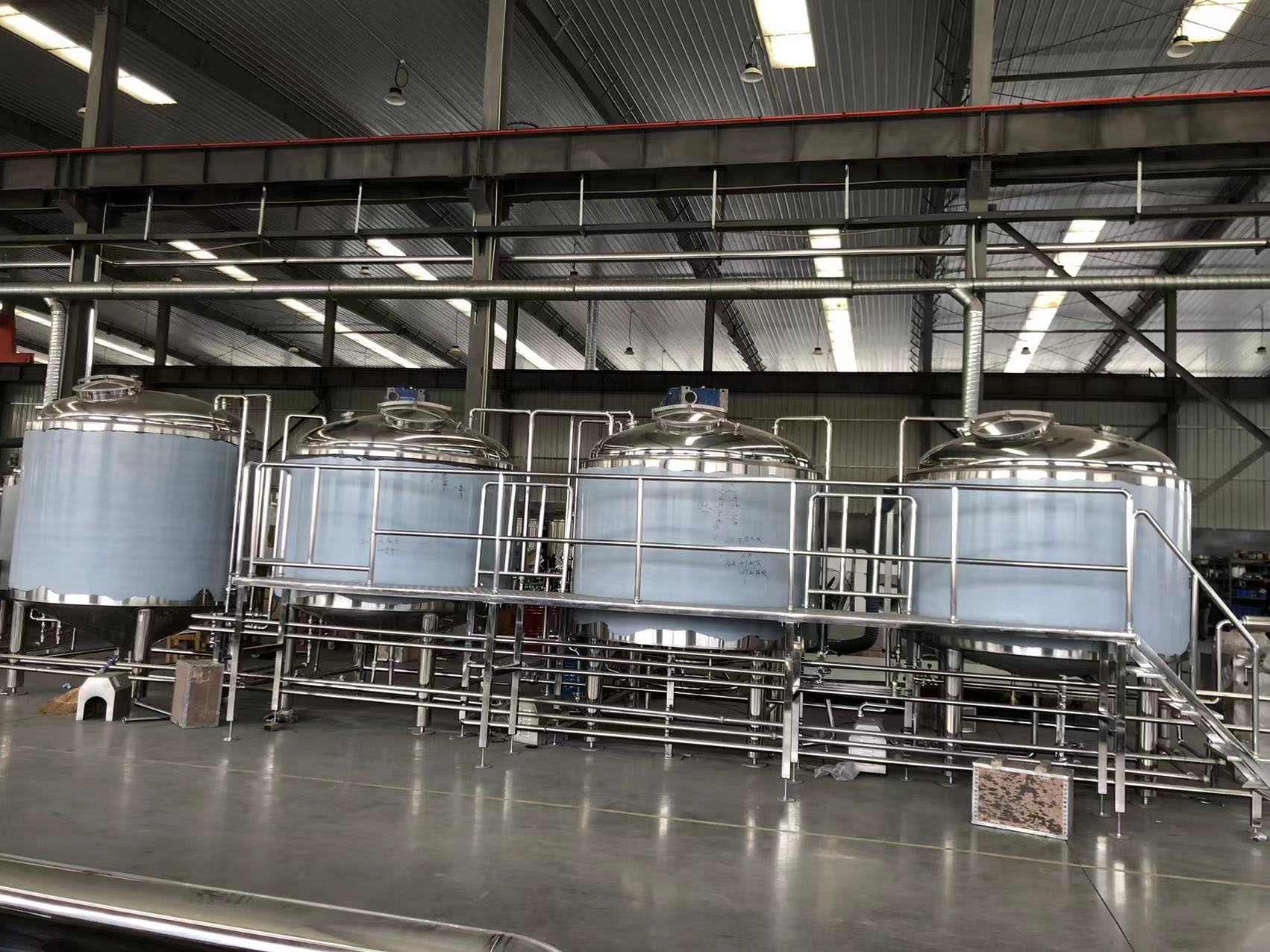
The difference between a reliable fermenter and a contamination risk is won or lost on the factory floor during welding and polishing. Microscopic pitting or incomplete welds harbor bacteria, ruining entire batches of product.
When evaluating a supplier's production floor—often verified through rigorous Factory Audits—pay close attention to the following fabrication steps:
TIG Welding
All sanitary joints must be 100% TIG welded using a pure argon gas shield to prevent oxidation and sugaring on the back side of the weld.
Sanitary Polishing
The internal surface roughness (Ra) must be under 0.4 micrometers. This is typically achieved through mechanical polishing followed by electropolishing for premium units.
Passivation
After fabrication, the entire vessel must undergo acid washing (passivation) to strip free iron from the surface and restore the protective chromium oxide layer.
Customization and Component Sourcing
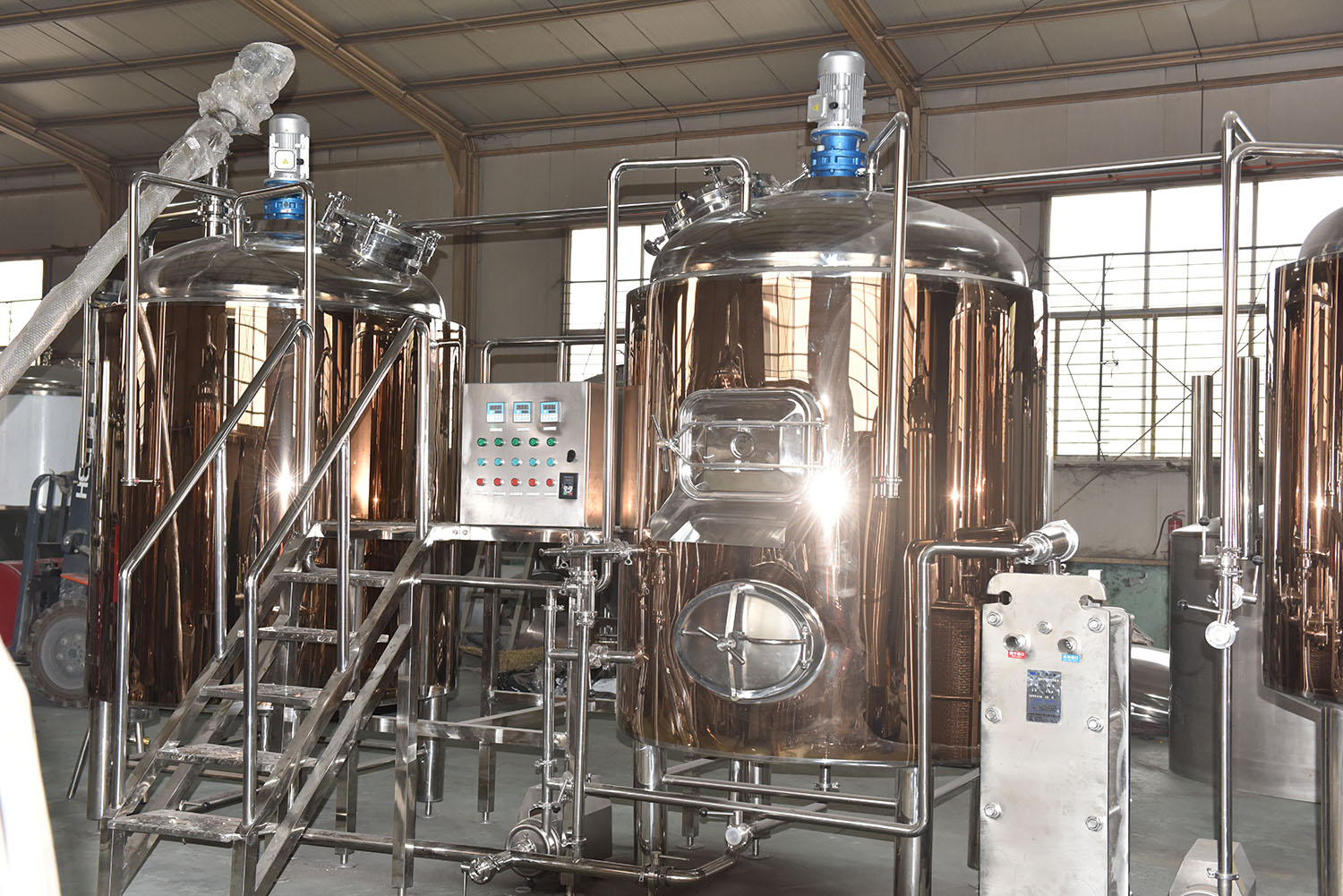
If you are developing proprietary systems or require specific port configurations, OEM/ODM Services allow you to dictate the exact placement of manways, racking arms, dry-hopping ports, and carbonation stones.
However, the reliability of a custom fermenter also depends heavily on its third-party components. Valves, pressure relief devices (PRVs), and sensors (PT100 temperature probes) can be sourced locally in China to save costs, or imported from premium European brands (like Alfa Laval) and integrated at the factory. Specify your component requirements clearly in the Bill of Materials (BOM).
Quality Control & Testing Protocols
Never accept shipment of pressurized liquid vessels without comprehensive testing at the factory. Implementing strict Quality Control & Inspection protocols prevents catastrophic failures and costly rework.
Pre-Shipment Inspection Requirements
- Hydrostatic pressure testing of the inner shell (held for 24 to 48 hours).
- Glycol jacket pressure testing at 1.5 times the maximum working pressure.
- Dye penetrant testing on critical structural welds to detect micro-cracks.
- Surface roughness (Ra) verification using a calibrated profilometer.
- Riboflavin (vitamin B2) wash test to ensure CIP spray ball coverage.
Pricing, MOQs, and Lead Times
Procurement costs for fermenting equipment are highly dependent on global stainless steel indices, vessel capacity, and the origin of the sanitary fittings.
Shipping these units requires careful logistical planning. Large fermenters often require open-top containers, flat racks, or specialized cradles inside standard HQ containers to prevent transit damage to protruding ports and cooling pipes.
Managing complex machinery logistics, QA testing, and international freight? Let our sourcing engineers streamline your supply chain.
Get a free consultationFrequently Asked Questions
Procuring fermenting equipment at scale is an exercise in risk management. By rigidly defining material grades, enforcing strict sanitary welding standards, and executing comprehensive hydrostatic testing before shipment, buyers can secure world-class industrial machinery at highly competitive global price points.
Get Sourcing Help for Fermenting Equipment
Tell us your requirements and our experts will connect you with verified manufacturers.