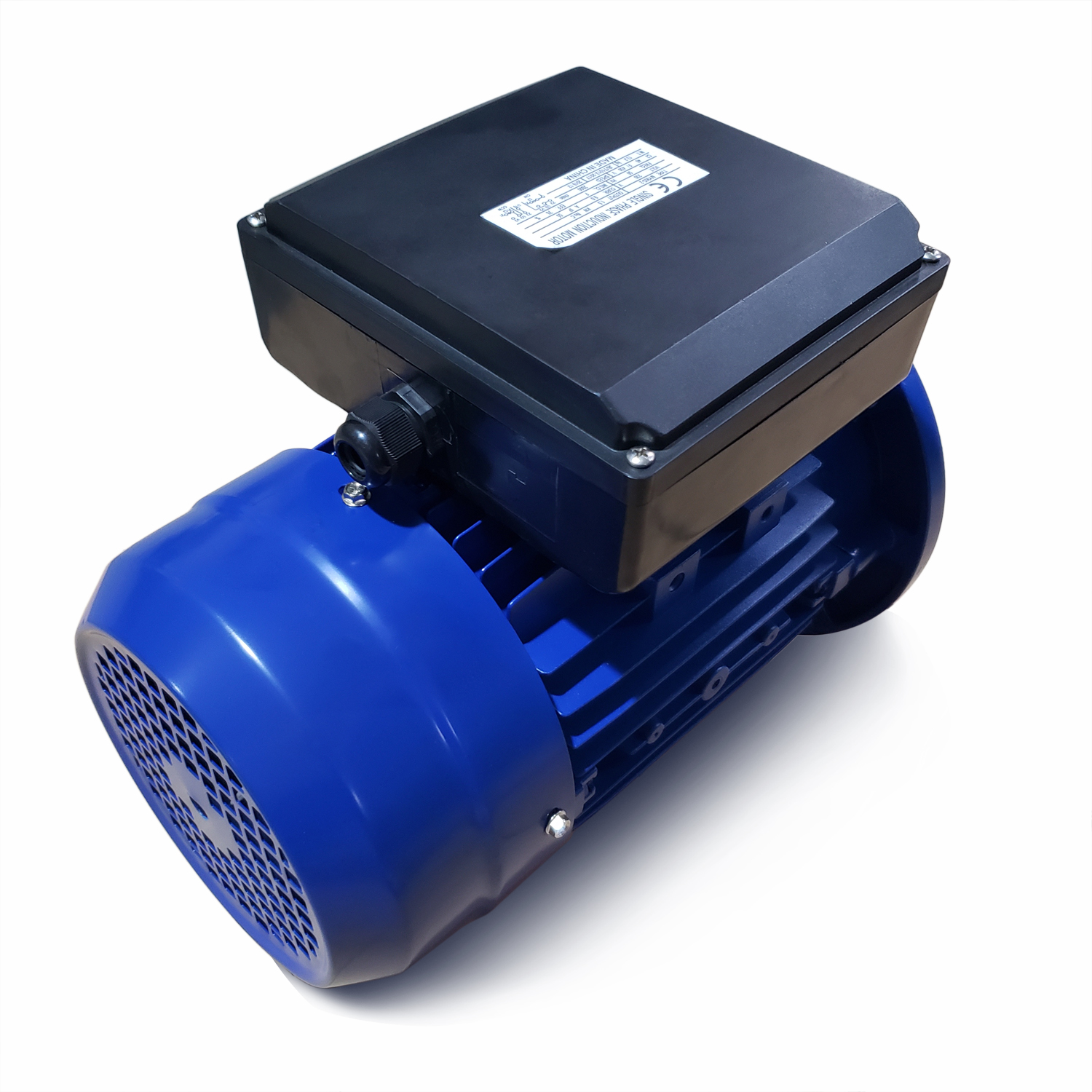
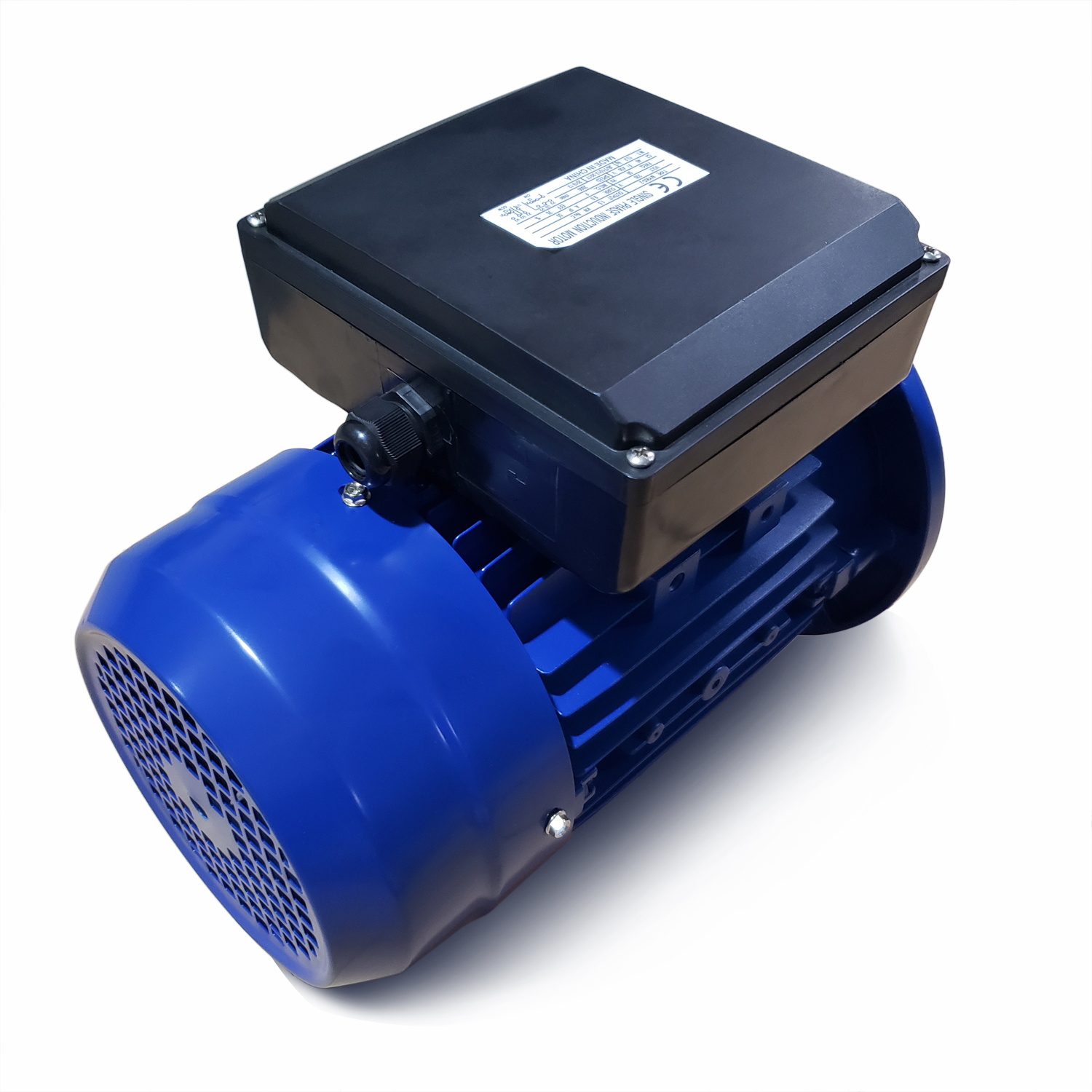
Electric Motor
Source industrial-grade Electric Motors from vetted manufacturers and suppliers in Asia. Built for importers, wholesale distributors, and OEM brands requiring bulk production, our network delivers reliable performance and compliance for diverse industrial applications. Partner with us for secure, scalable procurement.
Sourcing electric motors at scale requires balancing power density, thermal management, and strict efficiency standards. Whether you are integrating motors into industrial machinery, HVAC systems, or consumer appliances, the right manufacturing partner dictates long-term reliability and market compliance.
Defining Your Motor Specifications
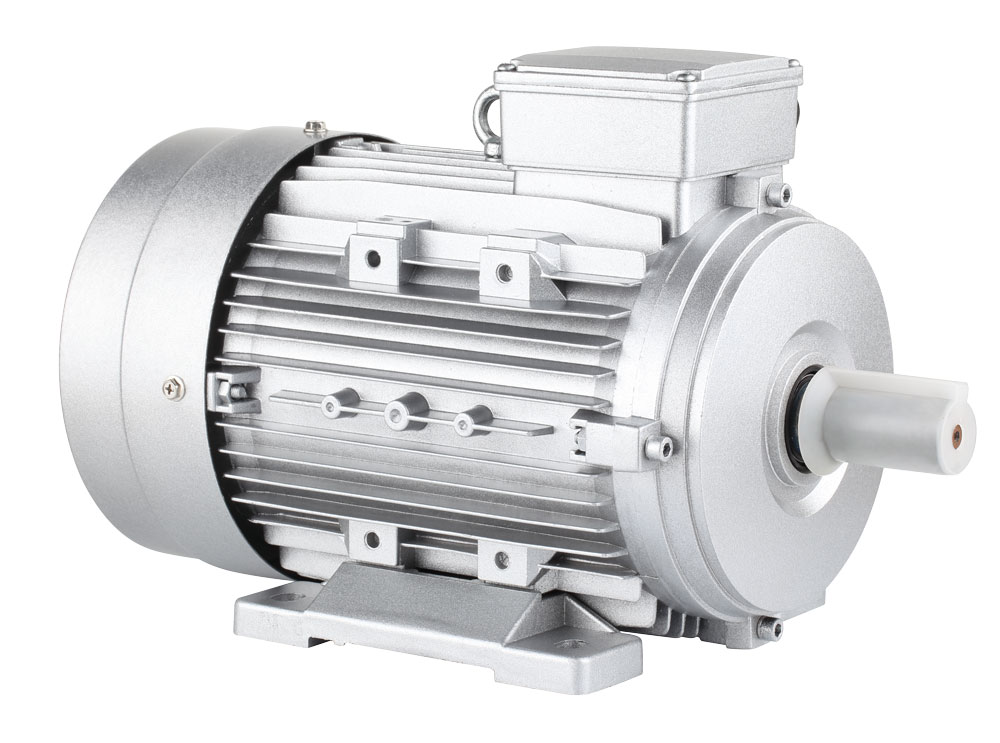
When procuring electric motors in bulk, generic specifications lead to catastrophic application failures. Factories need precise technical requirements to engineer the correct stator windings, select appropriate lamination steel, and determine the optimal housing.
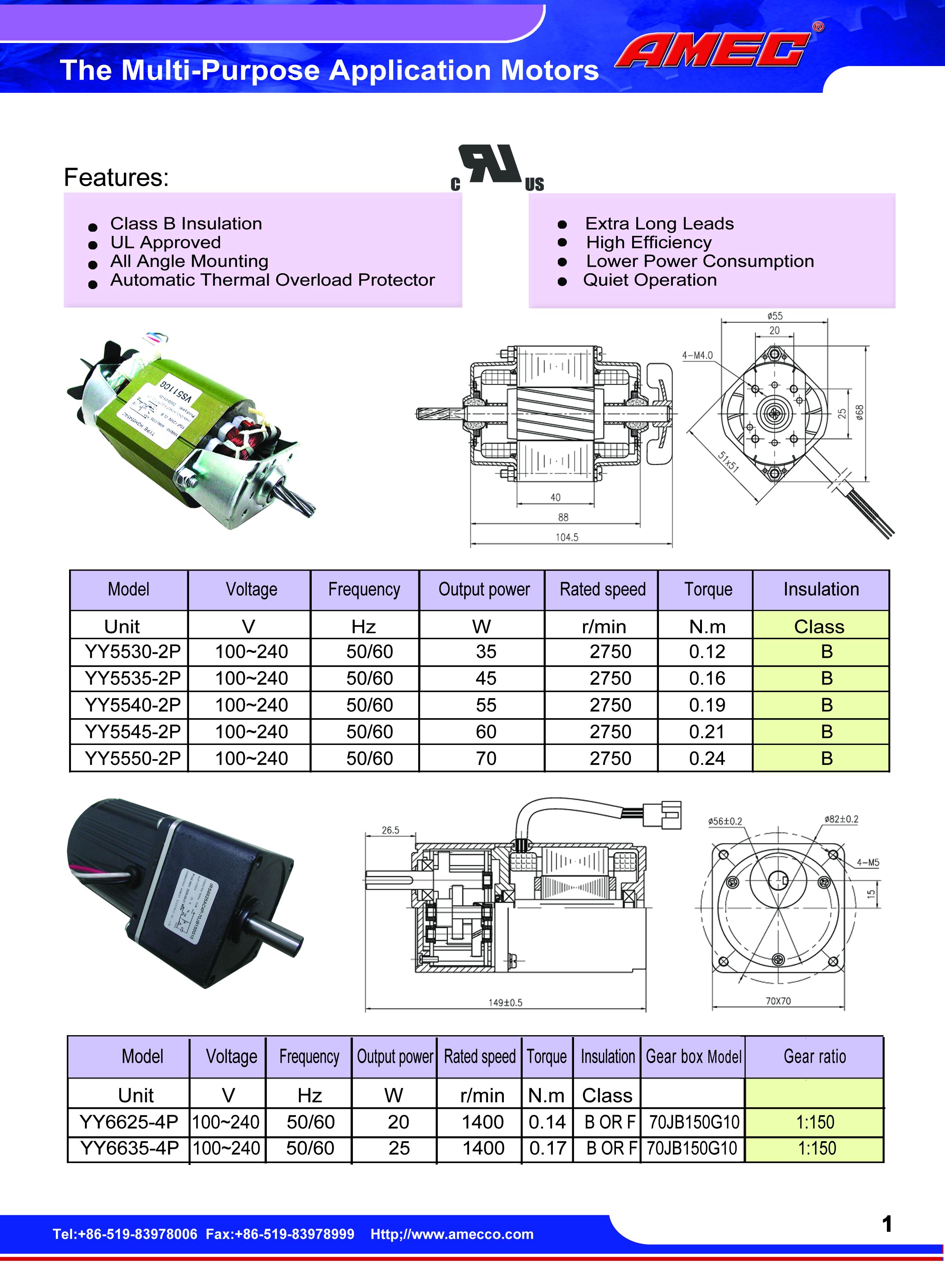
Key parameters to define upfront include:
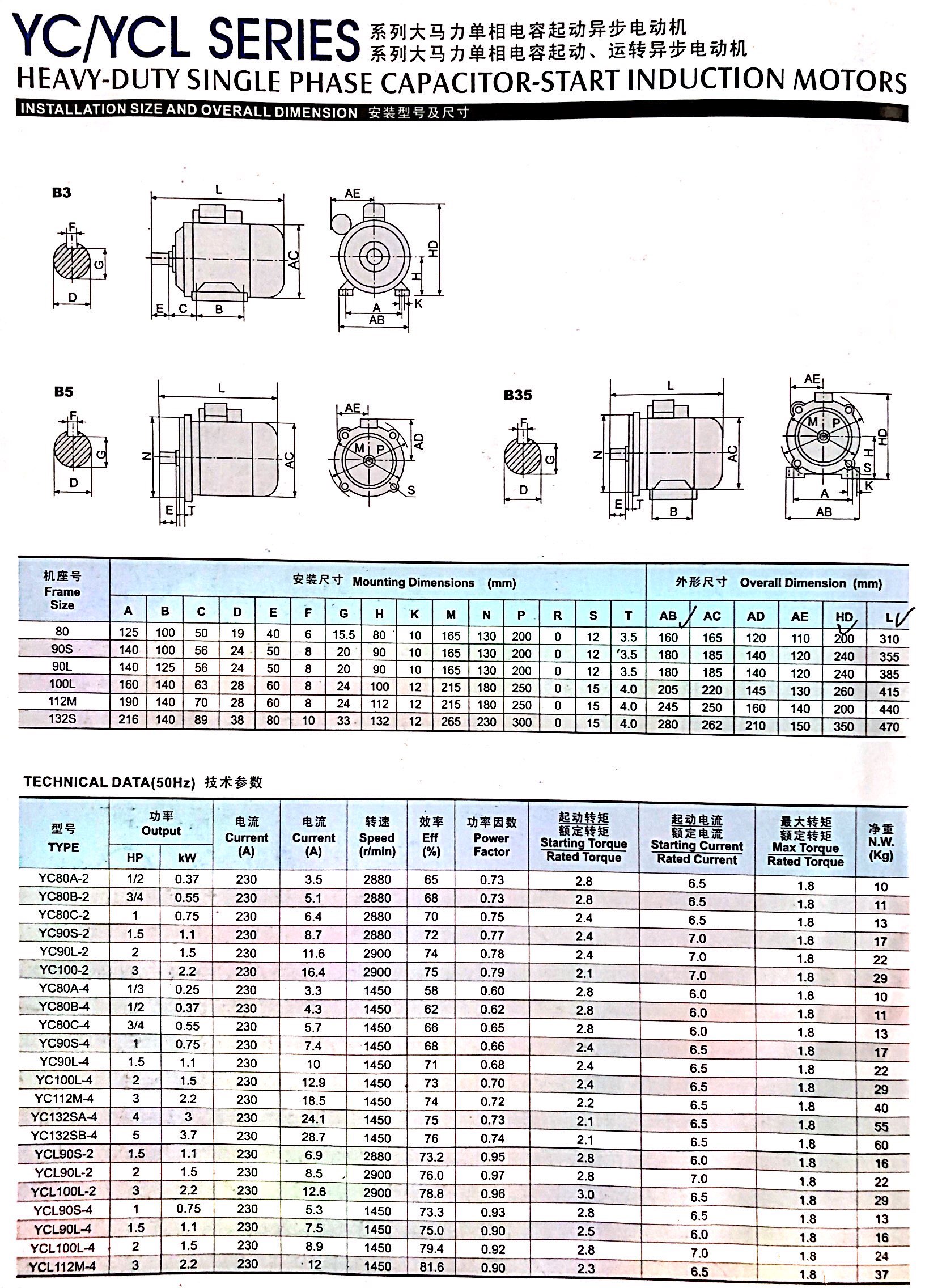
- Operating Voltage & Frequency: Single-phase versus three-phase, and regional frequency requirements (50Hz vs. 60Hz).
- Duty Cycle: Specify continuous (S1) through intermittent (S2-S9) duty cycles. A motor rated for S3 will overheat if deployed in an S1 application.
- Insulation Class: Class F (155°C limit) is standard for industrial applications, while Class H (180°C limit) is necessary for high-ambient or heavy-load environments.
- Ingress Protection (IP): IP55 is typical for general industrial use, but IP66 or higher is required for washdown environments.
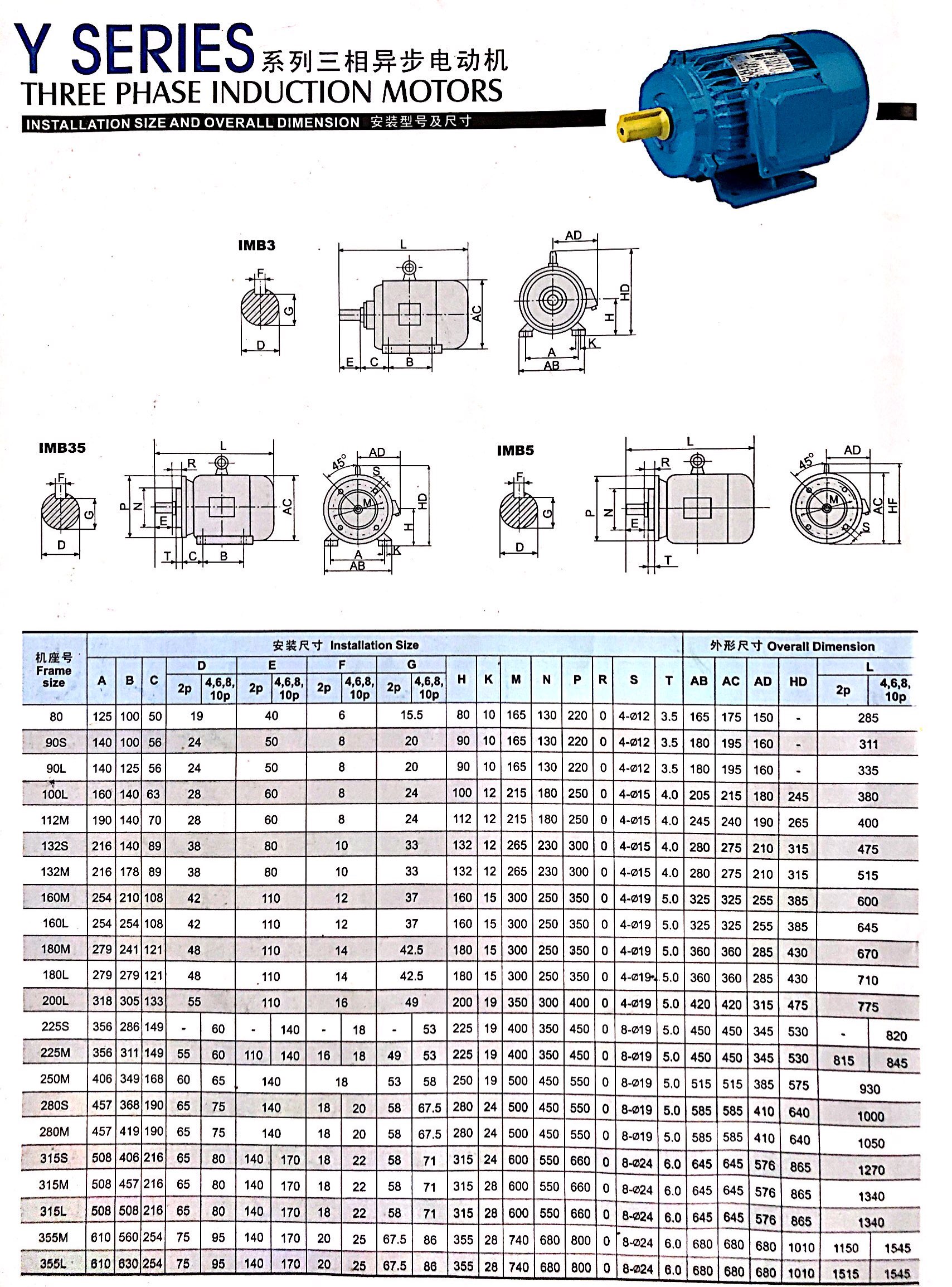
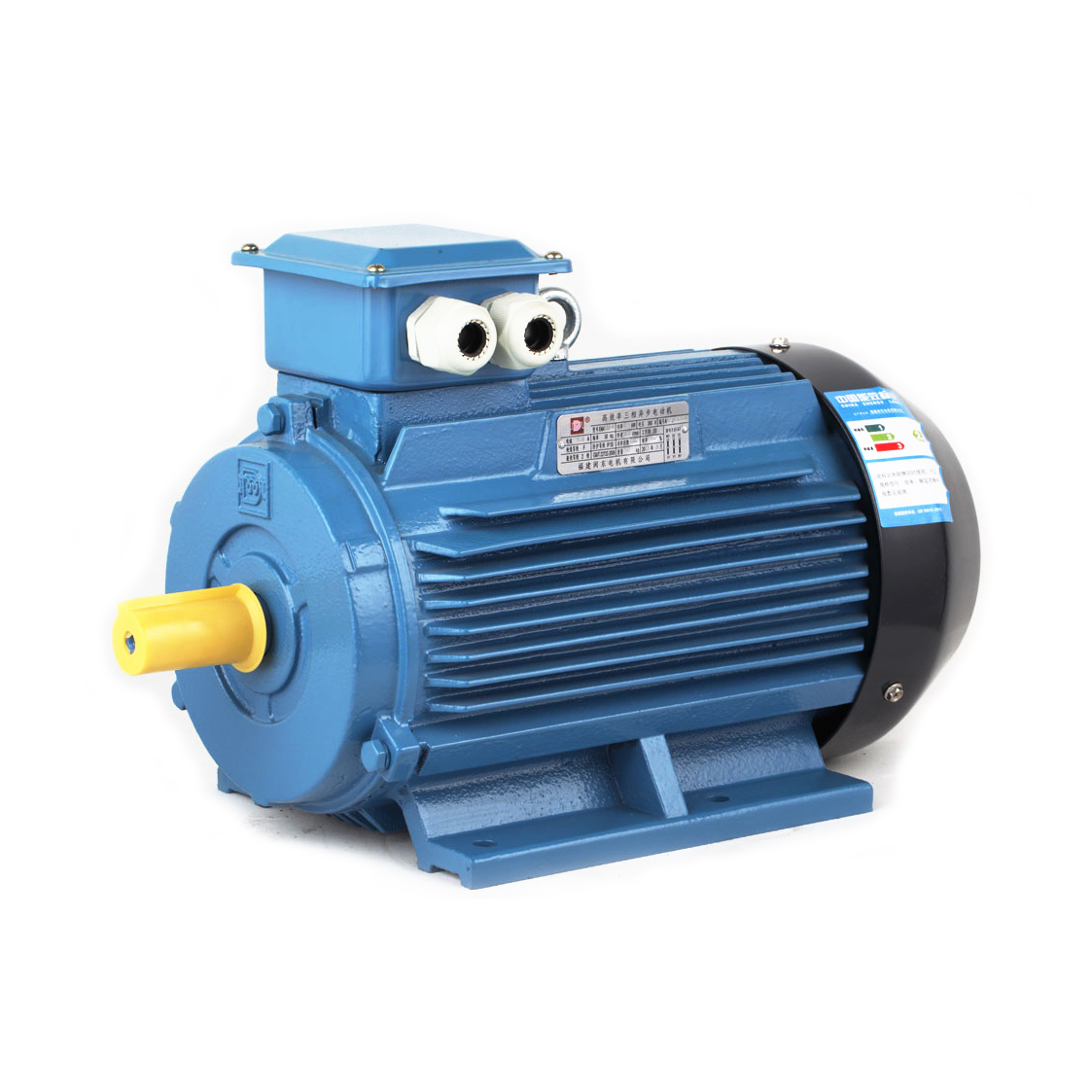
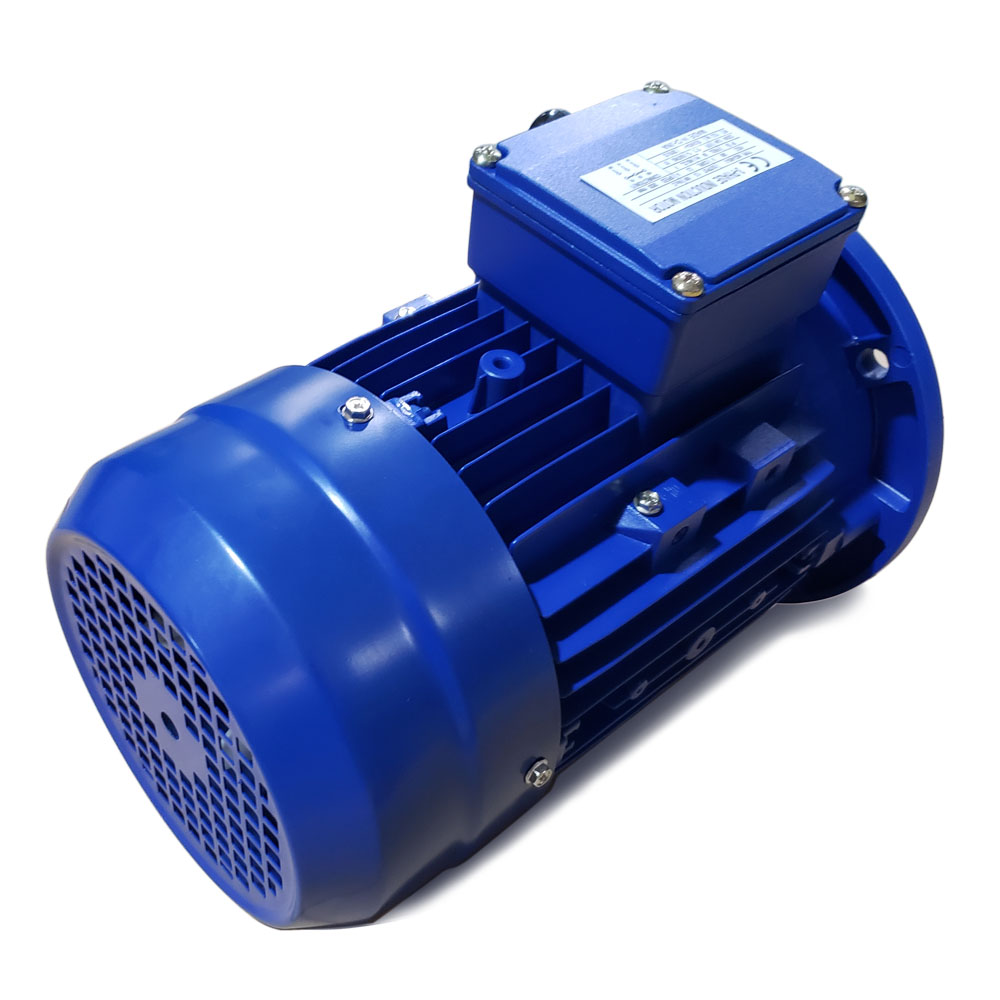
If your application requires custom shaft dimensions, specialized mounting flanges, or specific terminal box orientations, leveraging OEM/ODM Services ensures the factory modifies their standard tooling to match your exact integration needs.
Need help matching your technical requirements to capable motor manufacturers? Let our sourcing engineers evaluate your specifications.
Talk to our teamManufacturing Quality: Where Performance is Won or Lost
The difference between a motor that lasts ten years and one that burns out in ten months often comes down to invisible manufacturing details. Evaluating a supplier requires looking past the spec sheet and into their production methods.
Critical Factory Evaluation Points
- Winding Automation: Automated winding machines ensure consistent copper fill factors and reduce the risk of crossed wires that cause short circuits.
- Copper Purity: Verify the use of 100% pure copper windings. Some low-cost suppliers substitute copper-clad aluminum (CCA), which severely degrades efficiency and thermal capacity.
- Rotor Balancing: Dynamic balancing of the rotor is essential to minimize vibration, which otherwise destroys bearings prematurely.
- Lamination Steel Grade: Higher-grade cold-rolled silicon steel reduces core losses and improves overall motor efficiency.
- Varnish Impregnation: Vacuum Pressure Impregnation (VPI) is vastly superior to simple dip-and-bake methods for securing windings and improving heat transfer.
Before committing to a high-volume order, conducting rigorous Factory Audits is essential to verify that the supplier actually possesses the automated winding, balancing, and testing equipment they claim to have.
Efficiency Standards and Compliance
Global regulations are increasingly mandating higher motor efficiencies to reduce energy consumption. Sourcing motors that fail to meet regional minimum energy performance standards (MEPS) can result in customs seizures or unsellable inventory.
| Efficiency Class | Global Standard | Typical Application | Cost Impact |
|---|---|---|---|
| IE2 (High) | Phased out in many regions | Legacy replacement parts | Baseline |
| IE3 (Premium) | Current minimum for US/EU | Standard industrial machinery | Moderate premium |
| IE4 (Super Premium) | Emerging standard | High-duty cycle, energy-sensitive | Significant premium |
To ensure compliance, implement strict Quality Control & Inspection protocols. Pre-shipment inspections should include dielectric withstand (Hipot) testing, surge testing, and no-load power measurements to confirm the motors meet the specified efficiency class before they leave the factory.
Pricing Drivers, MOQs, and Lead Times
Electric motor pricing is highly volatile and directly tied to global commodity markets, specifically copper, silicon steel, and—in the case of permanent magnet motors—rare earth metals like neodymium.
When negotiating pricing, be wary of quotes that fall significantly below the market average. A price that seems too good to be true usually indicates compromised materials, such as undersized bearings, lower-grade lamination steel, or CCA windings.
Protect your supply chain from quality fade. Contact our team to source high-efficiency motors from vetted, reliable manufacturers.
Get a free consultationBuyer FAQ
Sourcing electric motors requires uncompromising attention to material quality and manufacturing precision. By clearly defining your specifications and validating supplier capabilities through rigorous auditing and testing, you can secure reliable, compliant motors that power your products without unexpected failures.
Get Sourcing Help for Electric Motor
Tell us your requirements and our experts will connect you with verified manufacturers.