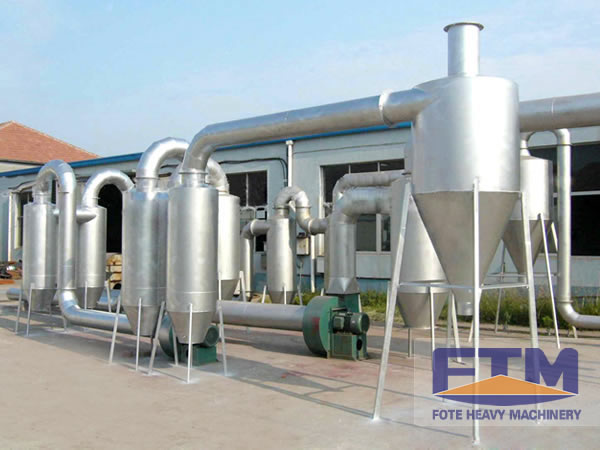
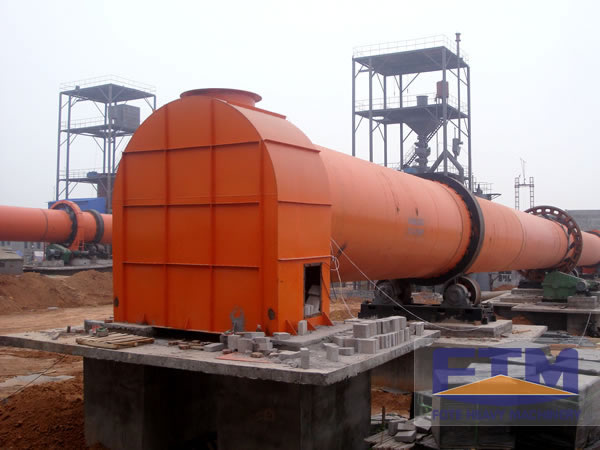
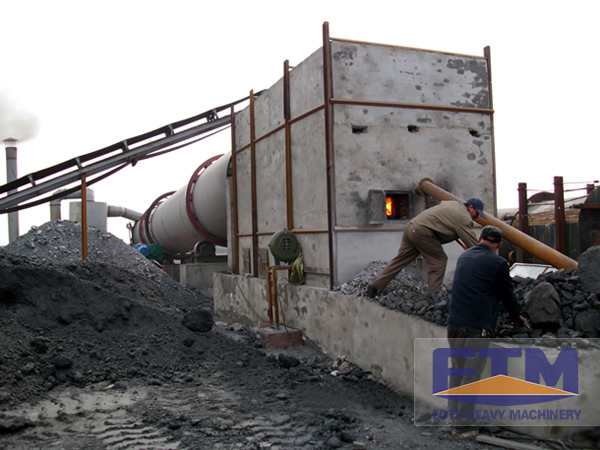
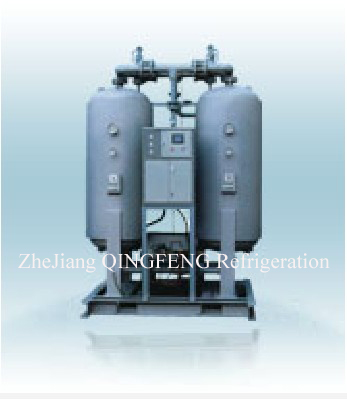
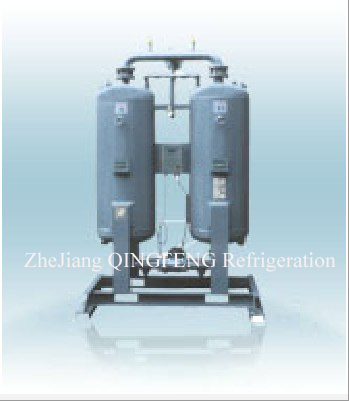
Drying Equipment
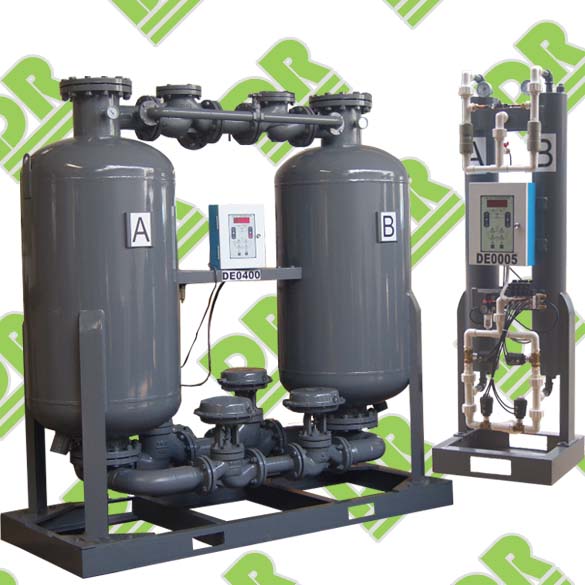
Source industrial Drying Equipment from vetted manufacturers and suppliers in China. Designed for importers, distributors, procurement managers, and brands requiring OEM or custom production, this page connects you with high-capacity drying machinery built to precise chemical, pharmaceutical, and food-grade specifications.
Sourcing industrial drying equipment requires aligning complex thermodynamics with strict material handling requirements. Whether you are procuring machinery for chemical processing, food manufacturing, or pharmaceutical lines, the core challenge lies in translating your material's initial moisture content, thermal sensitivity, and target output into a precise, production-ready machine design. Off-the-shelf solutions rarely apply in high-volume processing; successful procurement demands rigorous supplier vetting and exact engineering specifications.
Defining Critical Equipment Specifications
When engaging with manufacturers, vague requirements lead to underperforming machinery and ruined product batches. Factories need precise data to calculate the required evaporation area, thermal efficiency, and airflow dynamics.
Essential Specifications for Manufacturer RFQs
- Initial and target moisture content (percentage by weight)
- Evaporation capacity required (kg/h of water or specific solvent)
- Material properties (bulk density, viscosity, heat sensitivity, corrosiveness)
- Preferred heating medium (steam, thermal oil, electricity, natural gas)
- Available factory footprint and ceiling height constraints
The material of construction (MOC) is a major cost and compliance driver. Contact parts must be specified separately from non-contact parts (frames and enclosures).
| Material Grade | Typical Application | Cost Impact |
|---|---|---|
| Carbon Steel (Q235) | Non-contact frames, basic mineral drying | Baseline cost |
| Stainless Steel 304 | General chemical, non-corrosive food processing | Moderate premium |
| Stainless Steel 316L | Pharmaceuticals (GMP), corrosive chemicals | High premium |
| Titanium / Hastelloy | Highly acidic or chloride-heavy environments | Very high premium |
Manufacturing Hubs and Factory Capabilities
The undisputed capital of drying equipment manufacturing in China is Changzhou, located in Jiangsu province. Over 70 percent of China's drying equipment output originates here, offering a dense supply chain of specialized fabricators, welding experts, and thermal engineers.
However, the barrier to entry for setting up a basic fabrication shop in Changzhou is relatively low. Distinguishing between a top-tier engineering firm and a basic metal workshop requires rigorous Factory Audits. You must verify their in-house pressure vessel certifications (if applicable), their ability to engineer custom thermodynamics, and the quality of their sanitary welding (e.g., ensuring Ra surface finishes meet GMP standards without dead corners).
Need to verify a manufacturer's engineering capabilities? Let's discuss your technical requirements and supplier vetting strategy.
Talk to our teamQuality Control and Factory Acceptance Testing (FAT)
Drying equipment cannot be easily modified once shipped. Catching defects on the factory floor is critical. Relying solely on the manufacturer's internal testing is a significant risk for high-value capital expenditures.
Component Verification
Checking that agreed-upon international brands (e.g., Siemens PLCs, ABB motors, Schneider electrics) are actually installed, rather than local equivalents.
Welding and Surface Polish Inspection
Verifying sanitary welds, checking for pinholes, and measuring surface roughness (Ra) on all material contact areas.
Factory Acceptance Testing (FAT)
Running the equipment dry (and ideally with a dummy load) to test thermal ramp-up times, airflow distribution, and control system responsiveness before crating.
Implementing independent Quality Control & Inspection during the assembly and FAT phases ensures that the equipment meets your exact process parameters before it leaves the facility.
Buying Mechanics: Pricing, Lead Times, and Logistics
Industrial drying systems are capital-intensive, highly customized projects. Standard minimum order quantities (MOQs) are universally set at one unit or one complete processing line.
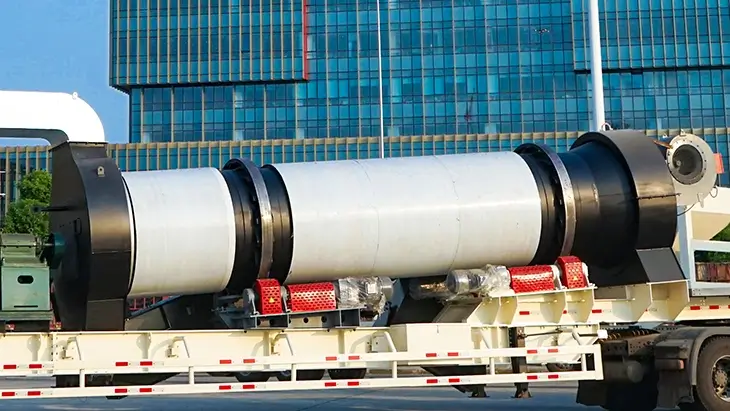
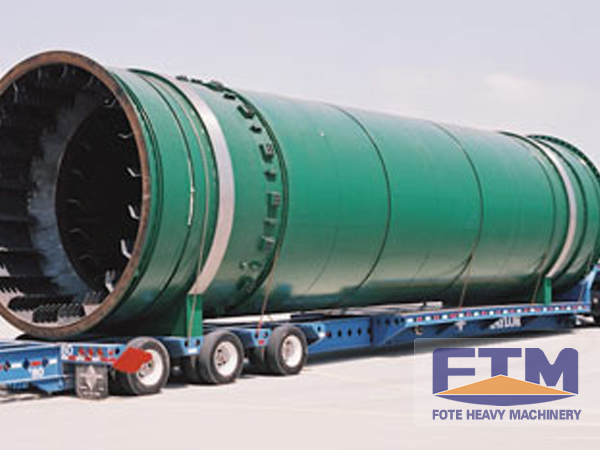
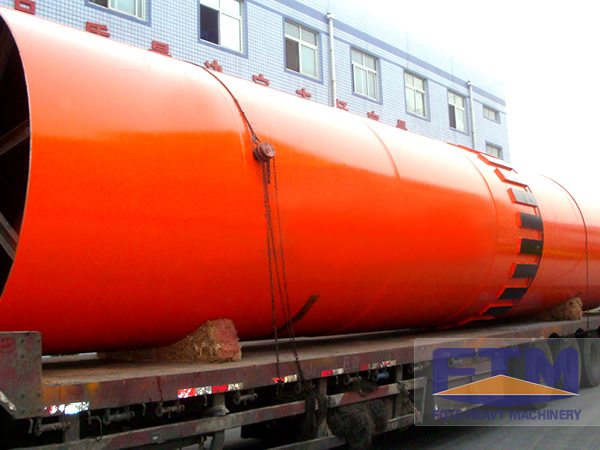
Pricing is heavily tied to the global commodities market for stainless steel and the complexity of the control systems. Furthermore, buyers must factor in the complexities of Shipping & Freight. Large drying chambers often exceed standard container dimensions, requiring Out of Gauge (OOG) shipping on flat racks or in open-top containers, which significantly impacts landed costs.
Managing heavy machinery logistics and cross-border payments can be complex. We can help streamline your procurement and shipping operations.
Get a free consultationBuyer FAQ
Procuring industrial drying equipment is an exercise in risk management and exact engineering. Success depends not just on finding a supplier with a good price, but on rigorous specification management, comprehensive in-process quality control, and flawless logistics execution. Ensure your technical requirements are bulletproof before a single piece of steel is cut.
Get Sourcing Help for Drying Equipment
Tell us your requirements and our experts will connect you with verified manufacturers.