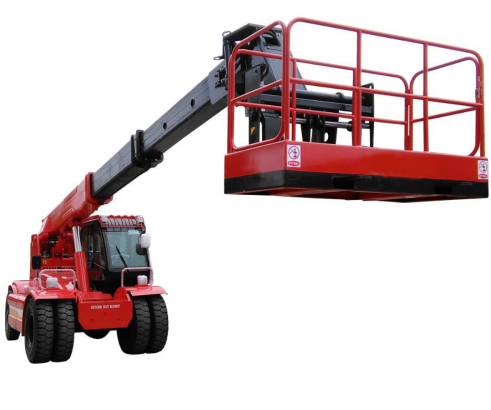
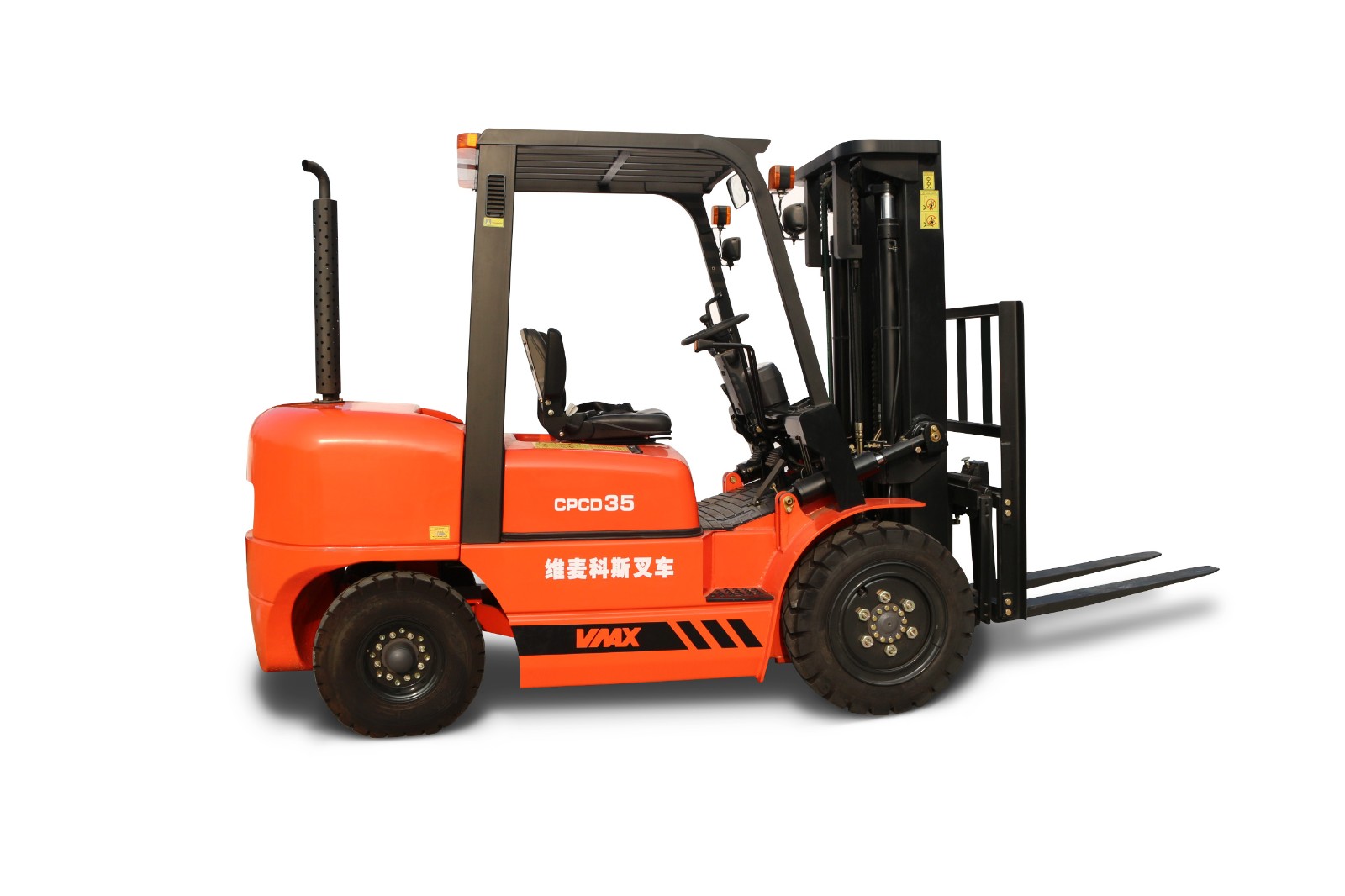
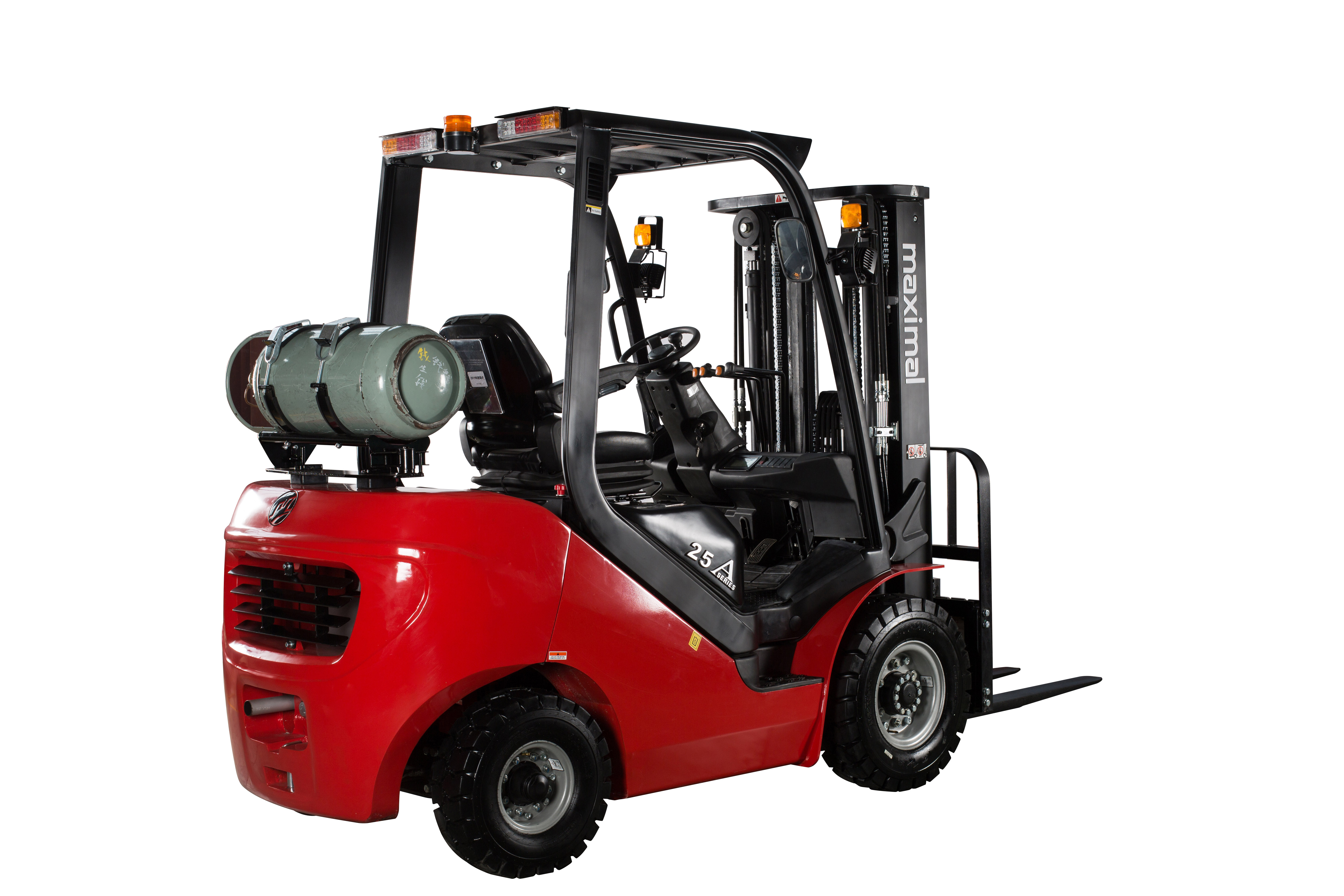
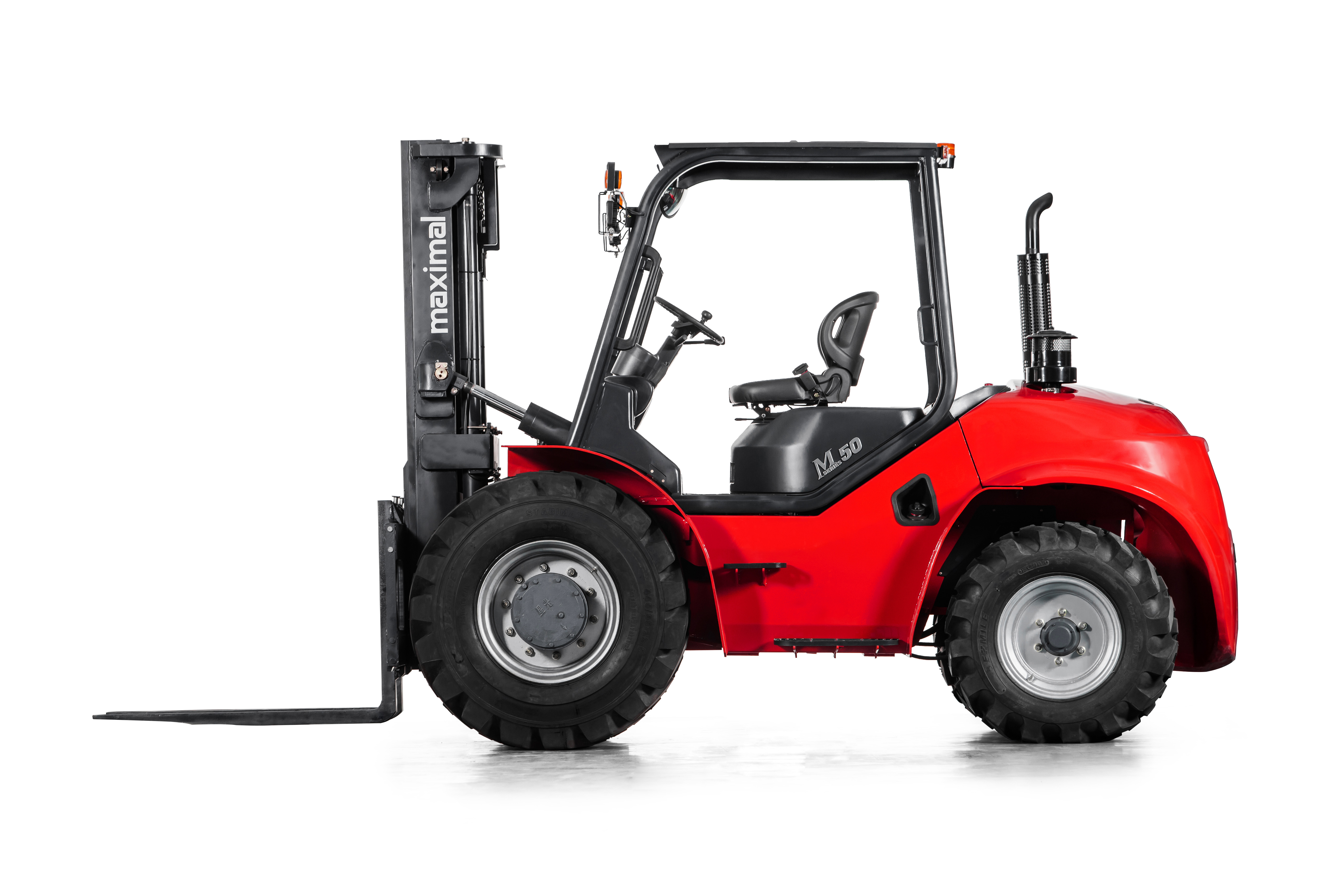
Diesel fork lift Trucks
Source heavy-duty diesel forklift trucks from vetted suppliers and manufacturers in China. Built for importers, equipment distributors, and industrial wholesalers needing reliable bulk purchasing, OEM customization, and direct factory pricing. Secure durable material handling solutions for demanding environments.
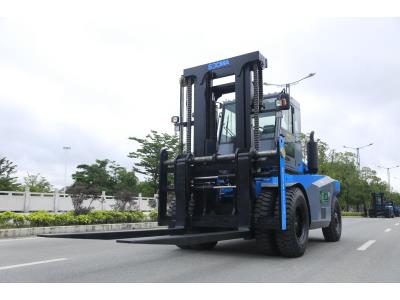
Diesel forklifts remain the backbone of outdoor material handling, lumber yards, and heavy construction sites due to their high torque and continuous operational capacity. Sourcing these industrial vehicles directly from overseas manufacturers requires strict attention to engine provenance, hydraulic reliability, and regional emission compliance. A misstep in specifying mast tolerances, hydraulic seals, or engine tiers can lead to catastrophic downtime for end-users and costly warranty claims for distributors.
Engine Selection and Powertrain Specifications
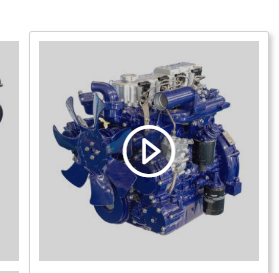
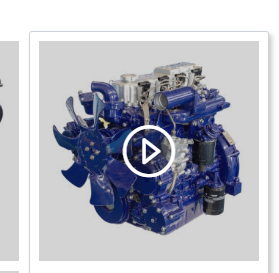
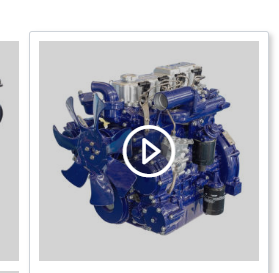
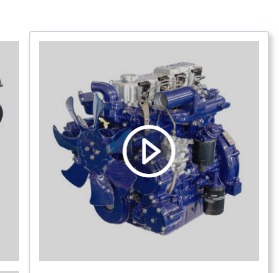
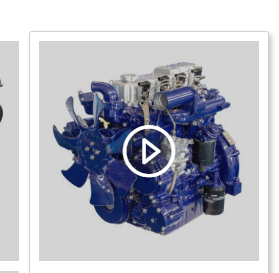
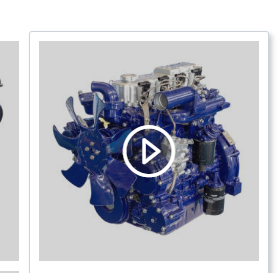
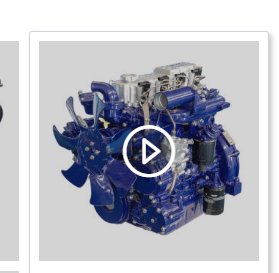
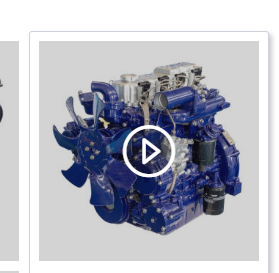
The engine is the most critical cost and performance driver in a diesel forklift. Buyers typically have the choice between domestic Chinese engines (such as Xinchai or Quanchai) and imported or joint-venture engines (such as Isuzu, Yanmar, or Cummins). Your selection must align with both your target price point and your destination market's regulatory requirements.
| Engine Type | Domestic (e.g., Xinchai) | Imported/JV (e.g., Isuzu) |
|---|---|---|
| Target Market | Unregulated or less strict emission zones | Strict emission zones (North America, EU) |
| Cost Impact | Baseline pricing | Adds 20 to 40 percent to unit cost |
| Maintenance | Parts readily available via factory | Global service network availability |
| Vibration & Noise | Higher baseline vibration | Smoother operation, lower decibel output |
For markets requiring EPA Tier 4 Final or Euro Stage V compliance, you must verify that the manufacturer holds valid, verifiable certificates for the specific engine model integrated into the chassis. Relying on outdated or mismatched documentation will result in customs seizures. Partnering with a firm that handles rigorous Compliance & Testing ensures your shipments clear customs without regulatory friction.
Manufacturing Quality and Mast Construction
A forklift's structural integrity relies heavily on the mast and counterweight assembly. High-quality manufacturers use specialized C-channel and J-channel steel imported from Germany or sourced from top-tier domestic mills to prevent mast deflection under maximum load.
When evaluating a production line, attention should be paid to the welding processes and the hydraulic systems. Submerged arc welding should be standard on critical stress points. Furthermore, hydraulic cylinders, pumps, and directional valves dictate the smoothness of the lift. Premium manufacturers often use NOK (Japan) seals to prevent hydraulic leaks over time.
Critical Factory Inspection Points
- Verify the use of robotic welding on the chassis and mast for consistent weld penetration.
- Inspect the hydraulic testing stations to ensure cylinders are pressure-tested beyond rated capacities.
- Check the counterweight casting process for uniformity to ensure accurate center-of-gravity calculations.
- Confirm the brand and origin of transmission components (e.g., Okamura or high-grade domestic equivalents).
- Review the factory's paint process; shot blasting followed by electrophoretic primer and powder coating prevents early corrosion.
Need to verify a heavy machinery manufacturer before placing a multi-unit order? Let our engineers handle the technical vetting.
Talk to our teamLogistics and Shipping Complexities
Transporting heavy industrial vehicles requires specialized logistics planning. Diesel forklifts, especially those with capacities exceeding 3.5 tons or equipped with triplex high-visibility masts, often exceed the height limits of standard shipping containers.
Manufacturers typically handle this by either removing the mast and wheels to fit the unit into a 40HQ container, or by shipping the unit fully assembled via RoRo (Roll-on/Roll-off) vessels or flat rack containers. Removing the mast reduces freight costs but shifts the reassembly burden to your domestic facility. Coordinating these variables requires precise Shipping & Freight management to balance freight costs against local labor costs for reassembly.
Hydraulic Fluid and Shipping
Ensure the manufacturer drains hydraulic fluids and fuel to the exact levels required by the ocean freight carrier's hazardous materials guidelines to avoid port delays.
Pricing, MOQs, and Lead Times
Procuring industrial vehicles operates on different economies of scale compared to standard consumer goods. While minimum order quantities are low, lead times are dictated by engine availability and custom mast configurations.
Pricing is highly volatile based on global steel indices and the specific powertrain requested. A standard 3-ton diesel forklift with a domestic engine and a standard 2-stage mast represents the baseline cost. Upgrading to a triplex mast, side-shifter attachments, solid tires, and an imported Tier 4 engine can nearly double the unit's FOB price.
Ready to optimize your equipment procurement and secure reliable factory pricing?
Get a free consultationFrequently Asked Questions
Sourcing diesel forklifts requires balancing upfront capital costs against the total cost of ownership dictated by reliability and maintenance. By rigorously specifying engine tiers, demanding strict hydraulic testing, and managing the logistical complexities of heavy freight, buyers can secure robust equipment that performs reliably in the field.
Get Sourcing Help for Diesel fork lift Trucks
Tell us your requirements and our experts will connect you with verified manufacturers.