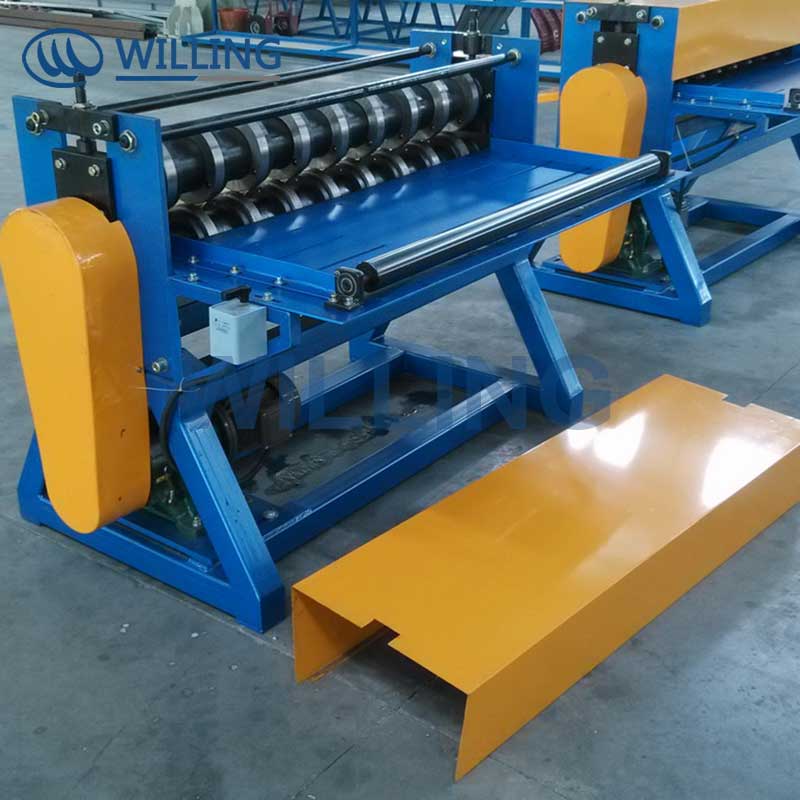
Cut-to-Length Lines
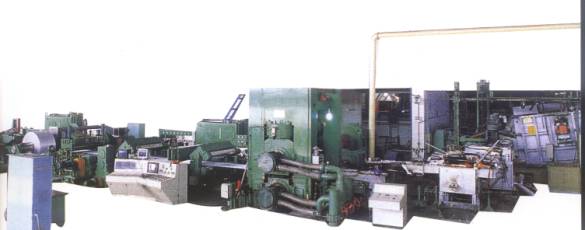
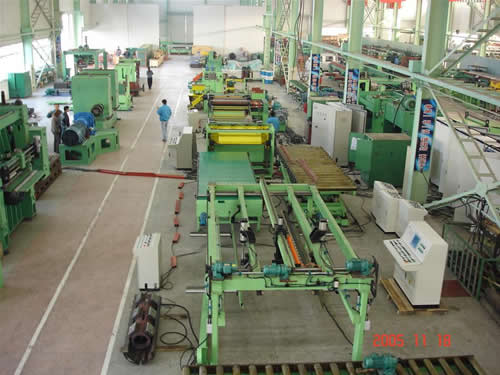
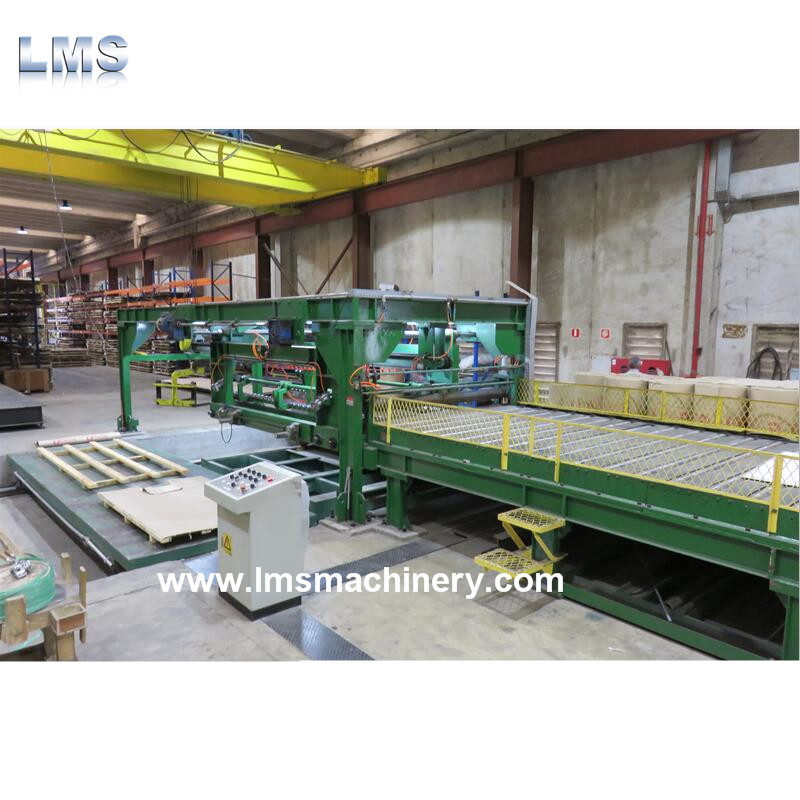
Source industrial Cut-to-Length Lines from vetted suppliers and manufacturers across Asia. Designed for heavy machinery importers, wholesalers, and metal fabrication facilities, our network delivers reliable, high-capacity coil processing equipment engineered to your exact specifications.
Sourcing a cut-to-length (CTL) line is a significant capital investment that demands exact alignment between the machinery's capabilities and your facility's coil processing requirements. The primary sourcing challenge is identifying a manufacturer capable of engineering a line that maintains strict length tolerances, achieves optimal sheet flatness, and ensures high uptime under continuous operation.
Defining Critical Specifications
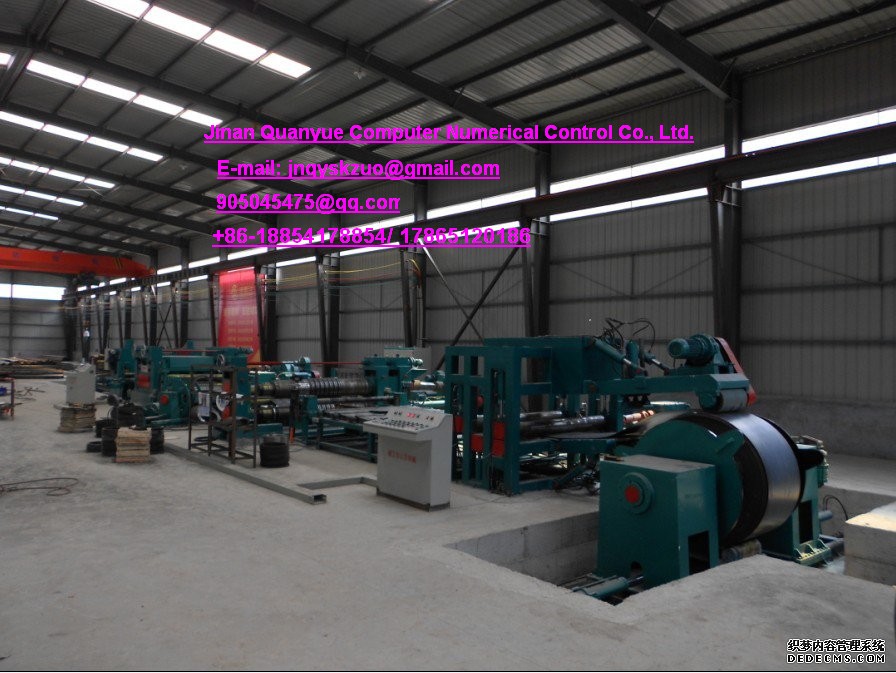
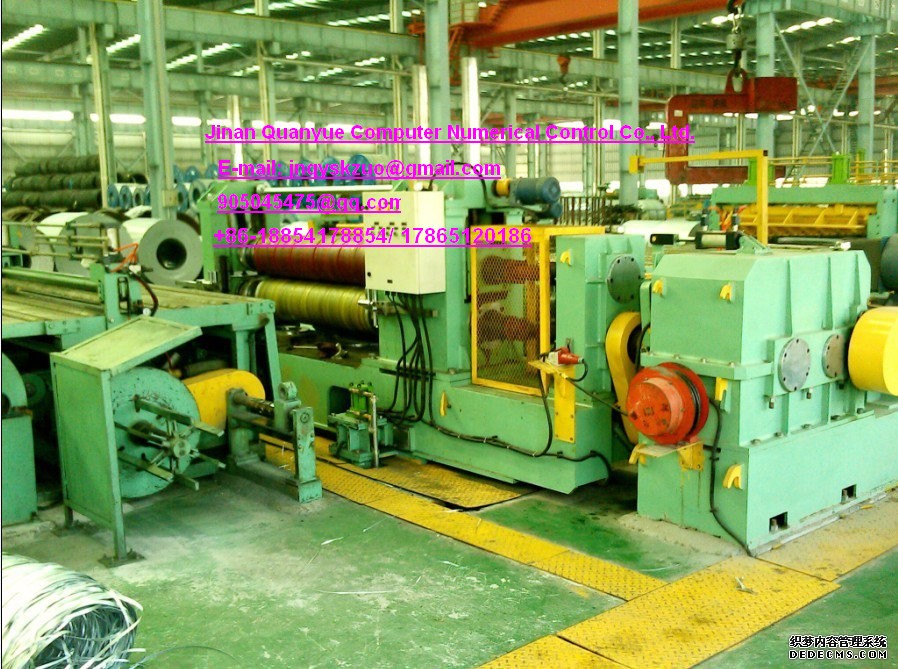
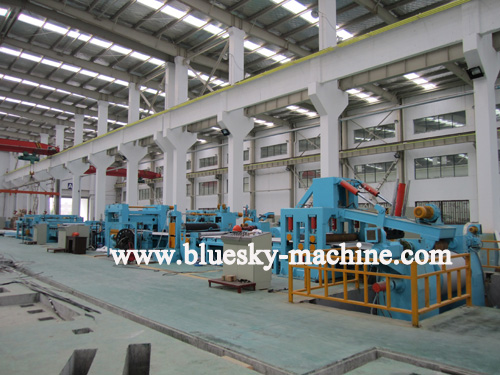
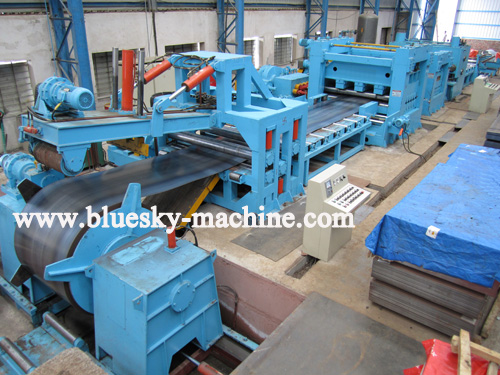
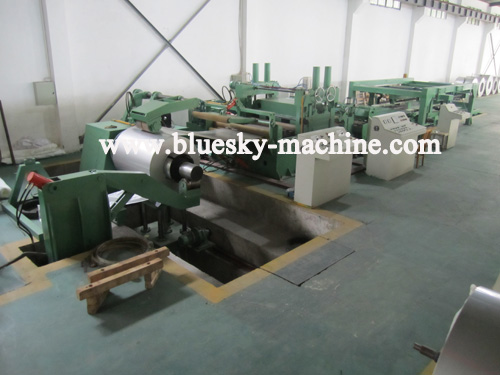
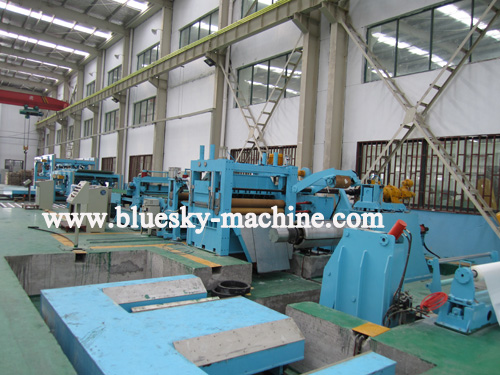
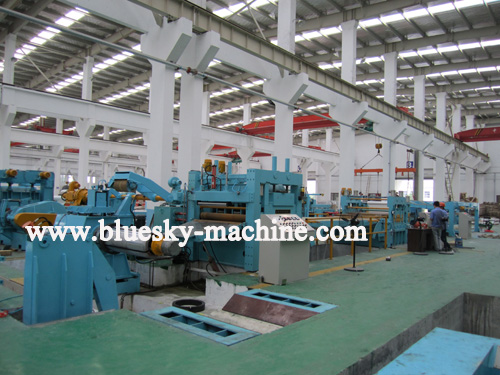
Evaluating a CTL line requires moving past baseline capacities to scrutinize the engineering of individual stations. From the decoiler to the auto-stacker, every module must be calibrated to handle the yield strength and thickness of your target materials.
Need help matching machinery specs to your coil processing requirements? Our engineers can help evaluate manufacturer capabilities.
Talk to our teamComponent Breakdown and Manufacturing Quality
The reliability of imported metal processing machinery hinges on the supplier's in-house machining tolerances and their choice of critical components. A poorly machined leveler roll or an undersized hydraulic station will result in camber defects, edge wave, or equipment failure.
Key Components to Verify During Supplier Evaluation
- Leveler Roll Material: Ensure rolls are forged from 42CrMo or GCr15, subjected to deep hardening and precision grinding.
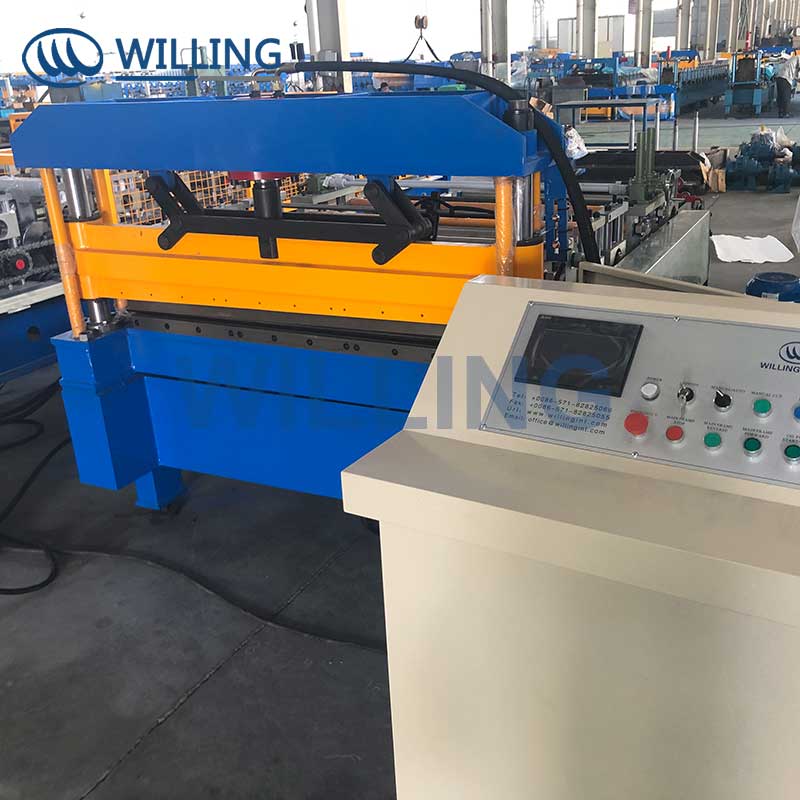
- Shear Mechanism: Verify whether the application requires a pneumatic stop-to-cut shear (budget-friendly, lower speed) or a servo-driven flying/rotary shear (high speed, continuous feed).
- Control Systems: Look for internationally supported PLCs and servo drives (e.g., Siemens, Yaskawa, or Mitsubishi) to ensure local maintenance availability.
- Hydraulic Stations: Confirm the use of reliable hydraulic valves (e.g., Rexroth or Yuken) to prevent pressure drops during heavy-gauge shearing.
Assessing these details requires more than reviewing a spec sheet. Conducting rigorous Factory Audits is essential to verify the manufacturer's CNC machining centers, assembly protocols, and overall engineering capacity before a deposit is paid.
Factory Acceptance Testing (FAT)
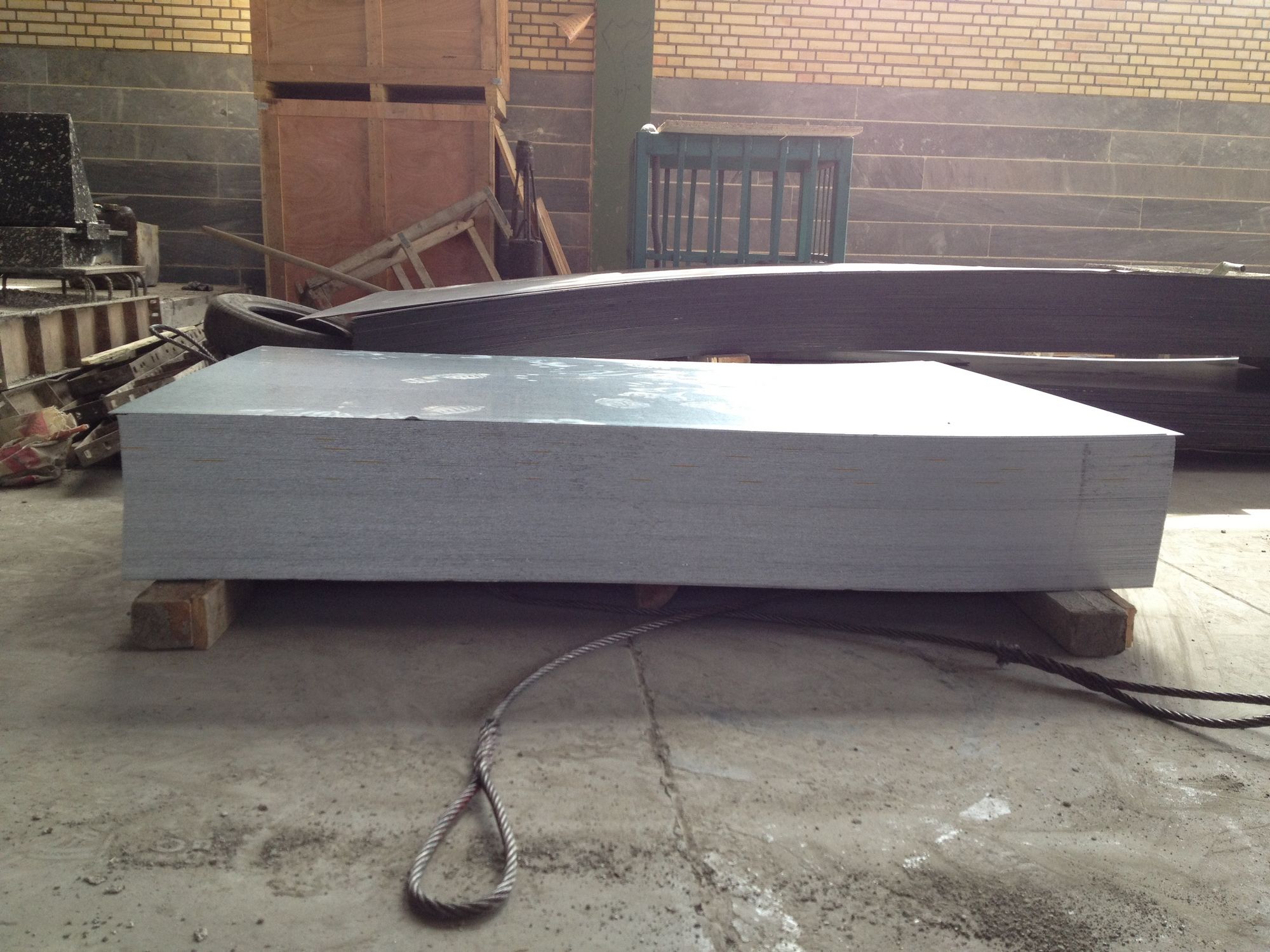
Never ship a cut-to-length line without a comprehensive Factory Acceptance Test. This involves running your specific coil material through the line at the manufacturer's facility to verify flatness (measured in I-units or mm per meter) and cut accuracy. Implementing strict Quality Control & Inspection protocols during the FAT ensures any PLC software bugs or mechanical misalignments are resolved before the machinery is dismantled for export.
Pricing, Lead Times, and Logistics Realities
Procuring heavy metallurgical machinery involves extended timelines and complex logistics. Minimum Order Quantities (MOQs) are universally set at one complete line, but lead times and pricing vary significantly based on scale and automation.
| Line Type | Typical Lead Time | Price Drivers |
|---|---|---|
| Light Gauge (under 3mm) | 60 - 90 Days | Leveler precision, stacking automation |
| Medium Gauge (3mm - 8mm) | 90 - 120 Days | Servo feeder capacity, shear blade material |
| Heavy Gauge (over 8mm) | 120 - 180 Days | Hydraulic power, structural frame rigidity |
Prices fluctuate based on the degree of automation (e.g., auto-slitting integration, automated packing) and raw material costs for the heavy steel frame.
Planning a capital equipment purchase? Let us handle the supplier vetting, negotiation, and FAT oversight.
Get a free consultationBecause these lines consist of multiple oversized modules, shipping requires specialized handling. Most standard lines require multiple 40HQ containers, while heavy-gauge lines often necessitate Flat Rack or Open Top containers. Coordinating Shipping & Freight for out-of-gauge cargo requires precise load planning to prevent transit damage and manage freight costs effectively.
Successfully sourcing a cut-to-length line relies heavily on airtight technical specifications and rigorous pre-shipment testing. By validating engineering capabilities and overseeing the FAT, buyers can secure high-performance coil processing equipment that delivers decades of reliable service.
Get Sourcing Help for Cut-to-Length Lines
Tell us your requirements and our experts will connect you with verified manufacturers.