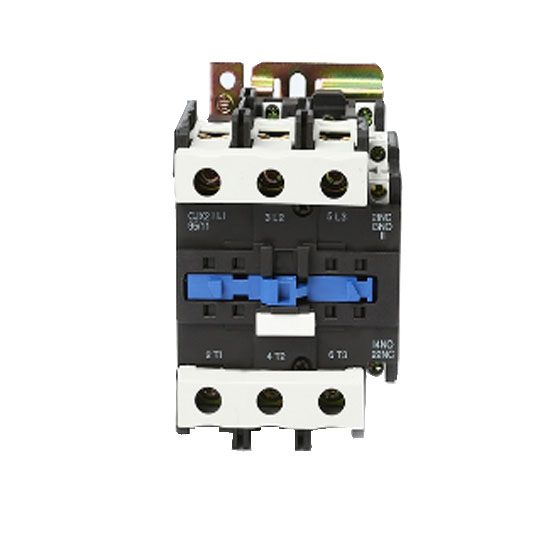
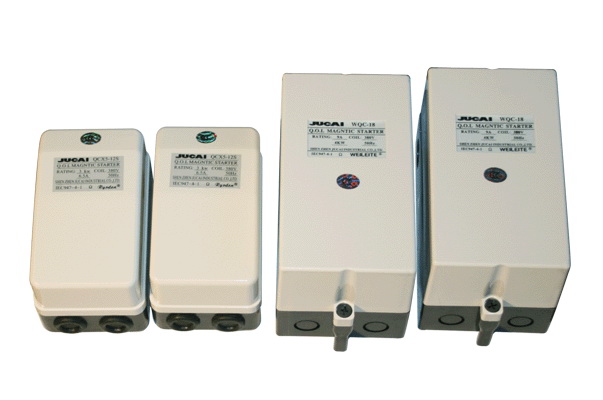
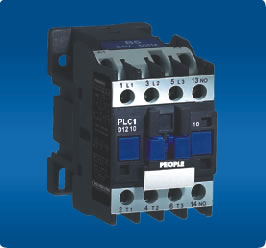
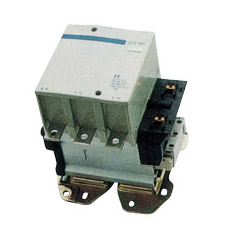
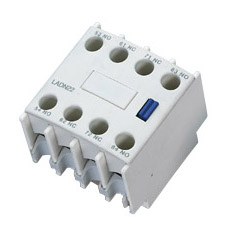
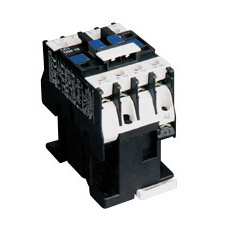
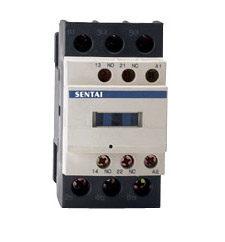
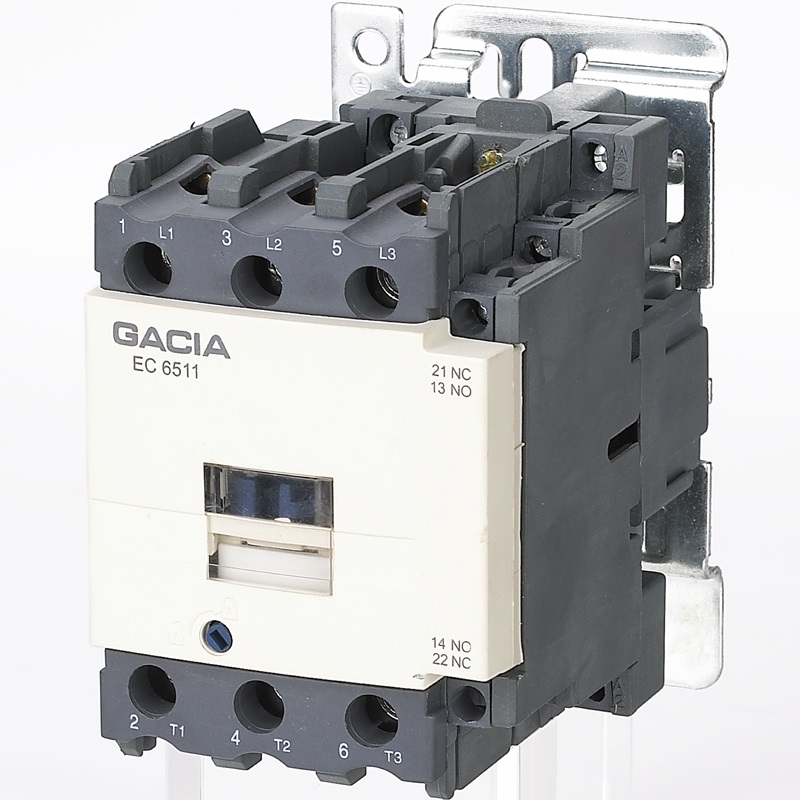
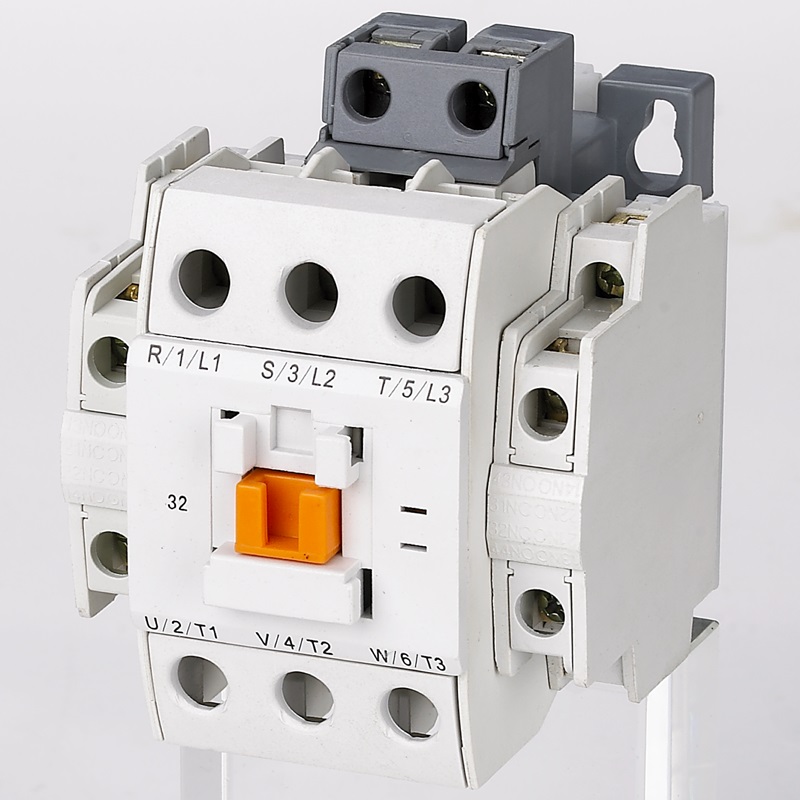
Contactors
Source high-quality contactors from vetted Chinese manufacturers and suppliers. Designed for importers, electrical distributors, and brands seeking reliable OEM/private-label production, our network provides bulk pricing on industrial-grade low-voltage contactors engineered for rigorous electrical applications and global compliance.
Sourcing industrial contactors in bulk requires navigating a dense landscape of electrical specifications, strict safety certifications, and hidden material quality tiers. The core challenge when importing low-voltage products isn't merely finding a factory; it is finding a manufacturing partner that consistently maintains the critical tolerances in contact alloys, coil windings, and arc chutes required to prevent catastrophic failure under heavy load.
When you buy contactors at scale, the difference between a component that lasts for millions of cycles and one that welds shut after a few months usually comes down to fractions of a millimeter of silver alloy.
Core Specifications and Material Quality
The reliability of a contactor hinges on its materials. While two contactors might look identical on a spec sheet, their performance in the field is dictated by the factory's approach to the internal components.
The Contact Points: Where Quality is Won or Lost
The most expensive and critical components in any contactor are the stationary and movable contact points. High-quality manufacturers use robust silver alloys, typically Silver Tin Oxide (AgSnO2) or Silver Cadmium Oxide (AgCdO), to withstand the intense heat and arcing of making and breaking electrical circuits.
Cost-cutting factories frequently reduce the thickness of the silver pad or use lower-grade alloys with higher copper content. This drastically reduces the electrical life of the contactor and increases the risk of the contacts welding shut during a motor stall or inrush current event.
Hidden Cost Reductions
Always specify the exact silver alloy composition and the physical dimensions of the contact pad in your purchase agreement. Some suppliers will substitute a thinner silver layer for your production run after providing a high-quality sample.
Coils and Magnetic Systems
The electromagnetic coil must be wound with high-purity copper wire. Inferior coils often use copper-clad aluminum (CCA) or feature uneven winding tension, which leads to excessive heat generation, coil chatter, and eventual burnout. The magnetic iron core must also be precision-machined to ensure a flush seal when energized, minimizing hum and power consumption.
Need a supplier that meets strict electrical tolerances? Let us match you with a vetted manufacturer capable of consistent quality at scale.
Talk to our teamUtilization Categories and Application Matching
Importers must ensure their suppliers understand the specific utilization categories defined by IEC standards. A contactor rated for 32A in one category will fail rapidly if applied to another.
| Utilization Category | Typical Application | Sourcing Implication |
|---|---|---|
| AC-1 | Non-inductive or slightly inductive loads (e.g., resistive heating) | Requires less robust arc suppression; generally lower cost per amp. |
| AC-3 | Squirrel-cage motors: starting, switching off motors during running | Requires heavy-duty silver alloy contacts to handle high starting currents (up to 6x full load). |
| AC-4 | Squirrel-cage motors: starting, plugging, inching | Most severe duty. Requires premium contact materials and oversized arc chutes. |
Quality Control and Compliance
Electrical components face intense regulatory scrutiny. You cannot import contactors into major markets without verifiable safety certifications. Relying on a supplier's self-provided certificates is a common pitfall.
Essential Factory Verification Checks
- Verify the validity of UL 508, CE (EN 60947-4-1), or CCC certificates directly with the issuing body.
- Check the factory's incoming material inspection process, specifically their method for testing silver alloy purity.
- Ensure the assembly line includes automated end-of-line testing for dielectric strength and coil pick-up/drop-out voltages.
- Confirm the presence of an in-house laboratory capable of performing mechanical and electrical endurance testing.
To mitigate risks, professional buyers rely on strict Quality Control & Inspection protocols before shipment. This includes pulling random samples from the production line to test electrical life and verify the internal material composition. Additionally, if you are entering heavily regulated markets, engaging in independent Compliance & Testing is critical to ensure the product meets local safety standards.
Production Realities: MOQs, Pricing, and Lead Times
Contactor pricing is highly sensitive to the global commodity prices of copper, silver, and industrial plastics (like flame-retardant nylon 66).
If you are developing a proprietary line of industrial controls, leveraging OEM/ODM Services allows you to customize the housing design, terminal configurations, and branding. However, custom tooling will increase upfront costs and extend initial lead times.
Navigating fluctuating material costs and strict MOQs? We help buyers negotiate favorable terms and secure reliable production schedules.
Get a free consultationBuyer FAQ
Sourcing industrial contactors is an exercise in risk management. Success requires looking past the outer plastic housing and rigorously verifying the metallurgical integrity of the internal components. By auditing your suppliers and enforcing strict material tolerances, you ensure your electrical products deliver the safety and longevity your end-users demand.
Get Sourcing Help for Contactors
Tell us your requirements and our experts will connect you with verified manufacturers.