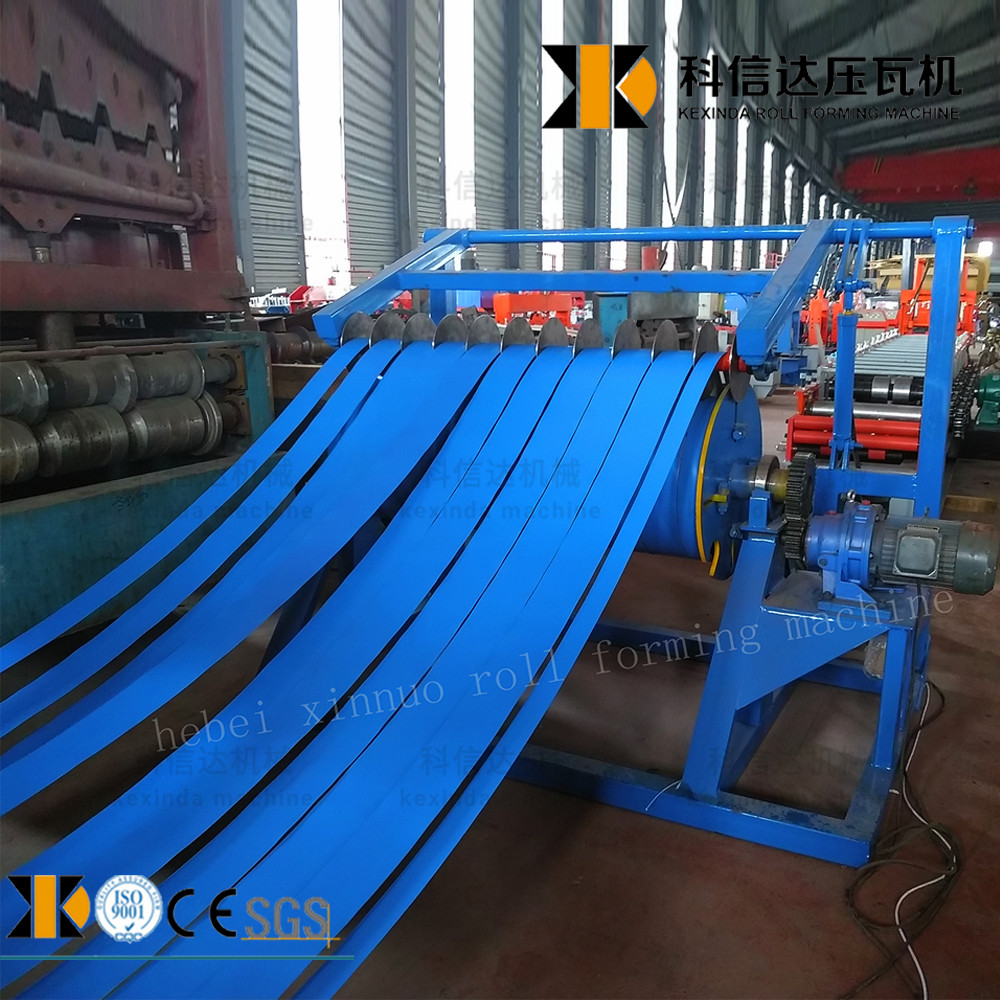
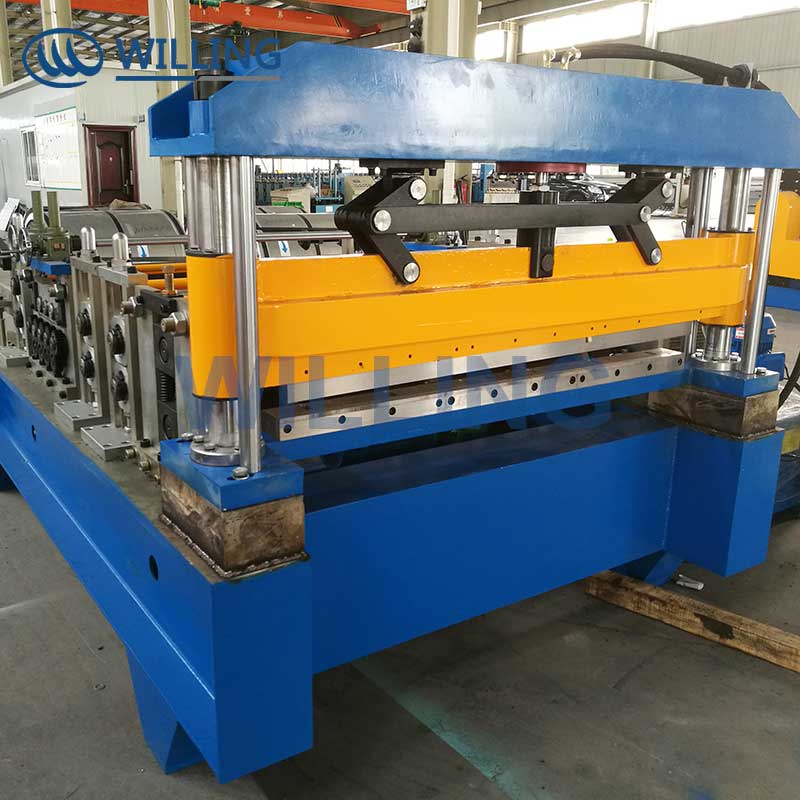
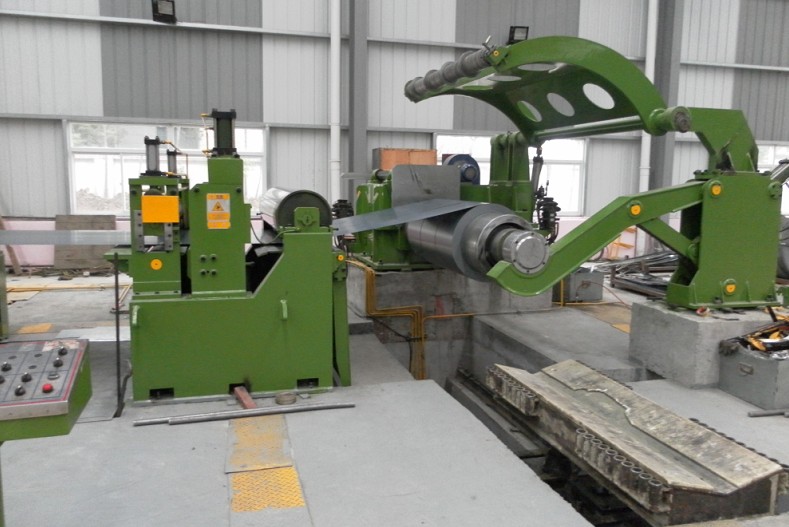
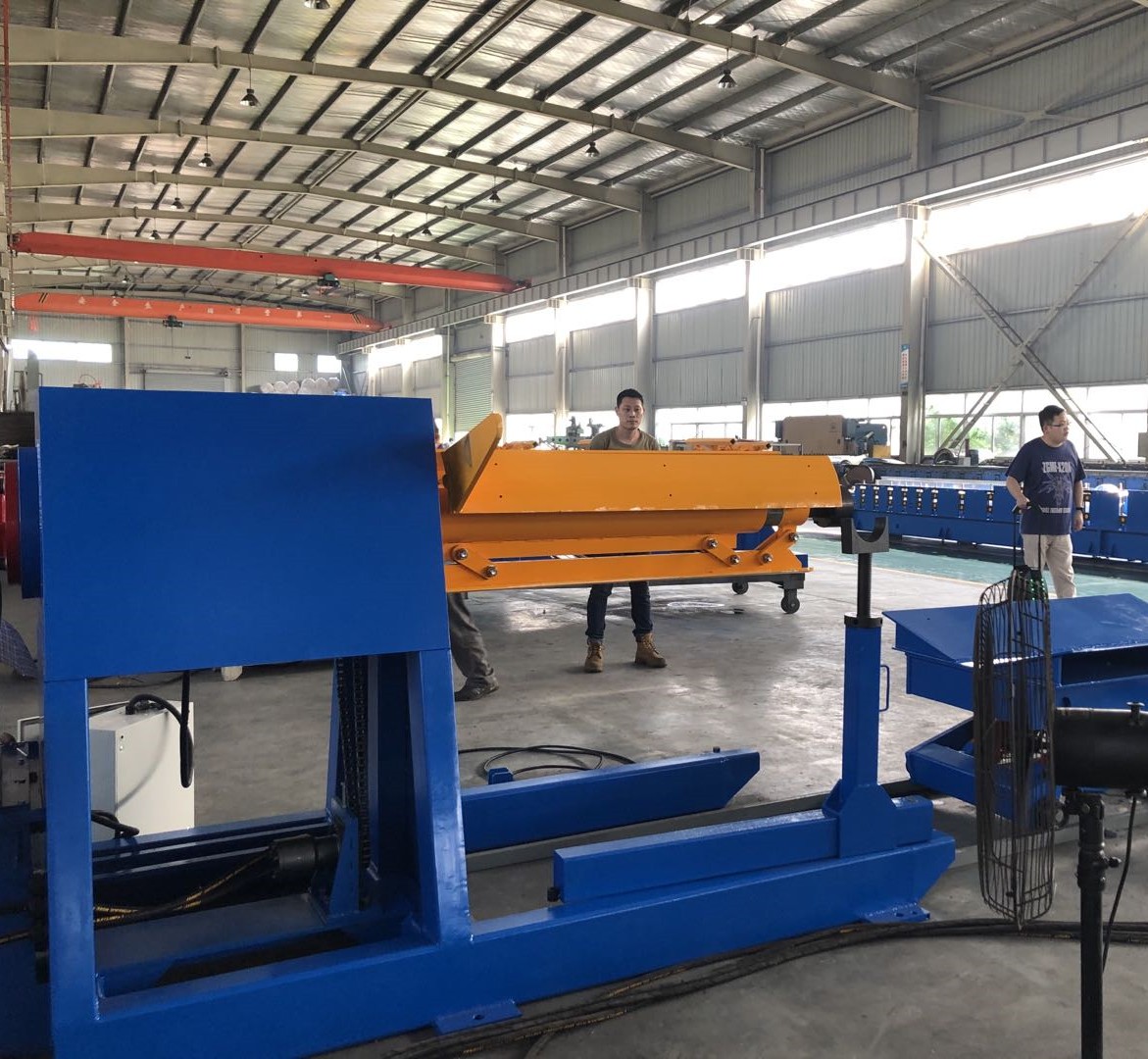
Coil Slitting Machines
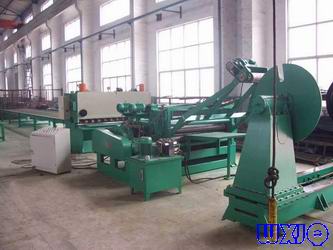
Source industrial coil slitting machines from vetted manufacturers and suppliers. Designed for importers, wholesalers, and industrial equipment distributors requiring high-precision metal processing machinery, our network supports custom OEM/ODM builds, bulk sourcing, and stringent quality requirements.
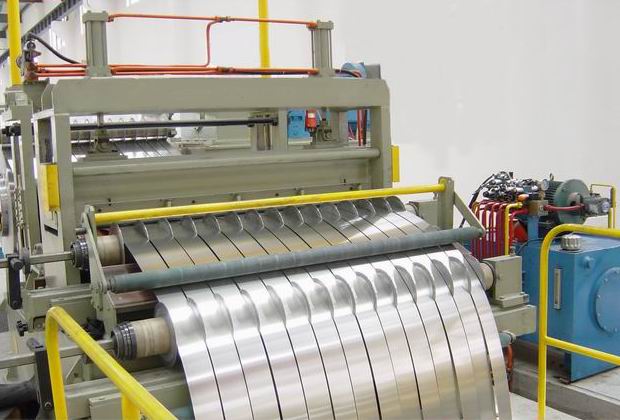
Procuring a coil slitting line is a high-capex investment where structural rigidity, arbor deflection limits, and tension control directly dictate production yield and edge quality. Sourcing these machines from overseas manufacturers requires strict technical alignment, as standard off-the-shelf configurations rarely match the specific metallurgical and dimensional realities of a buyer's processing facility.
Defining Critical Slitting Line Specifications
To ensure the factory engineers a machine capable of handling your specific material mix, you must provide exact operational parameters. Over-specifying drives up motor and structural costs unnecessarily, while under-specifying leads to arbor deflection, burred edges, and premature blade wear.
When detailing your requirements to a manufacturer, focus on:
- Material Yield Strength (MPa): Processing high-tensile steel or advanced high-strength steel (AHSS) requires significantly higher torque and thicker arbor shafts compared to standard cold-rolled steel or aluminum.
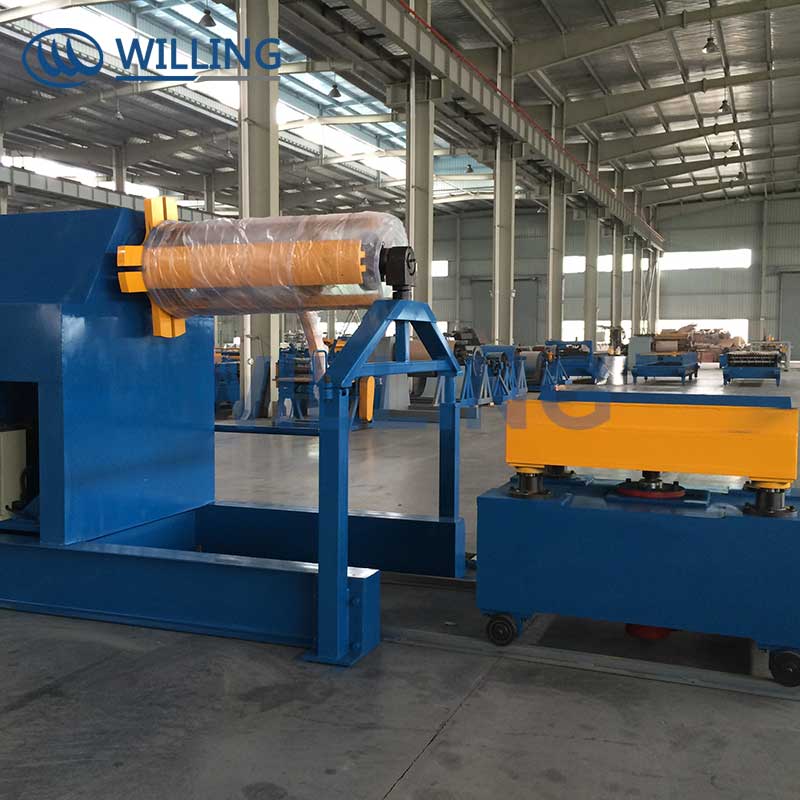
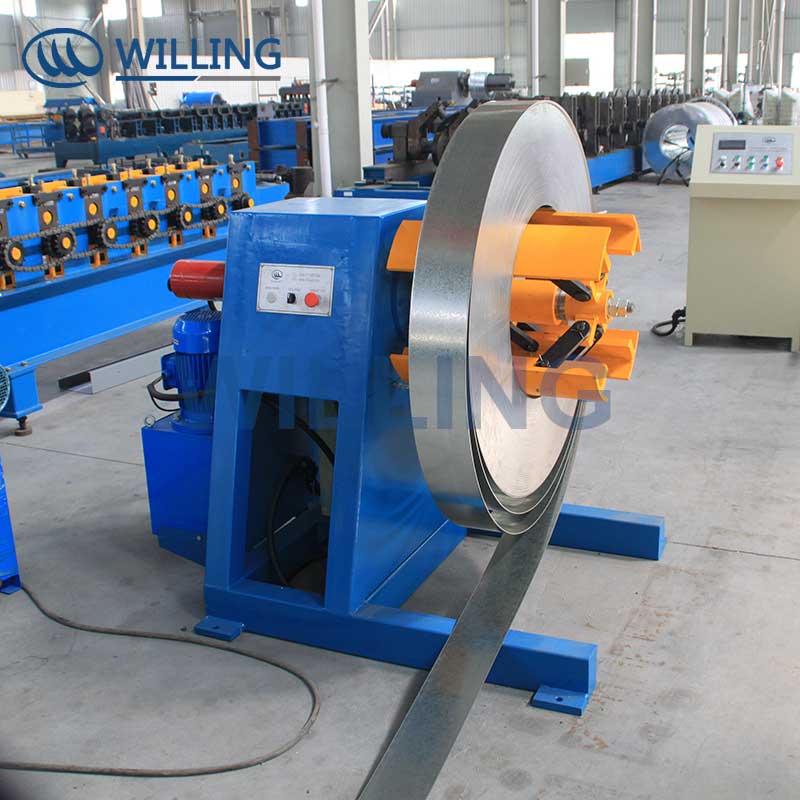
- Coil Weight and Width: Uncoiler and recoiler mandrels must be engineered for the maximum coil weight (often 10 to 30 tons) to prevent mandrel drooping.
- Tension Control: For thin-gauge materials (under 1.0mm), specify precise tension pad types (felt, pneumatic, or roll tension) to prevent scratching and ensure tightly wound, flush-edged finished coils.
Component Quality and Factory Evaluation
The difference between a slitting line that runs flawlessly for a decade and one that requires constant maintenance lies in the factory's component selection and in-house machining capabilities. Many lower-tier suppliers outsource the machining of critical components, leading to tolerance stacking issues during final assembly.
Critical Components to Verify
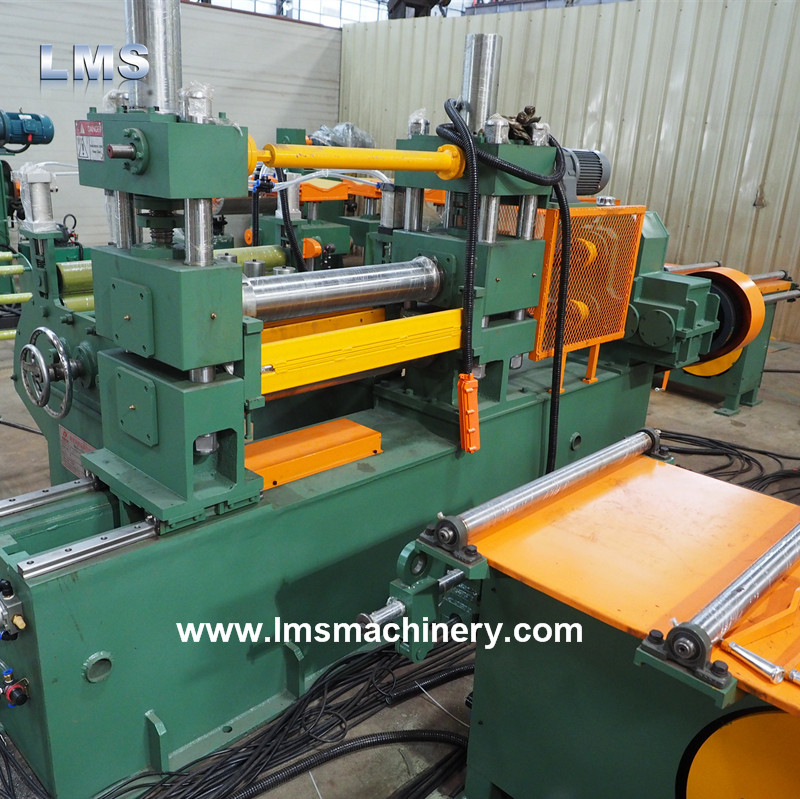
- Arbor Shafts: Must be forged (e.g., 42CrMo), properly heat-treated, and precision-ground to minimize runout.
- Slitting Knives: Specify high-grade tool steel (SKD11, Cr12MoV, or tungsten carbide) based on the material being slit.
- Electrical & Controls: Insist on globally supported brands (Siemens, Yaskawa, Allen-Bradley) for PLCs, inverters, and servo motors to ensure local spare parts availability.
- Hydraulic Systems: Verify the use of reliable proportional valves and pumps (e.g., Rexroth or Parker) to maintain consistent pressure on the uncoiler and tension stand.
Because structural integrity is so critical, conducting thorough factory audits is essential. You must verify that the supplier possesses heavy-duty CNC boring and milling machines to process the main machine frames in-house, ensuring the parallel alignment of the arbor stands.
Need to verify a machinery manufacturer's technical capabilities and in-house machining tolerances before placing a deposit?
Talk to our teamFactory Acceptance Testing (FAT) and Quality Control
Never allow a slitting line to ship without a rigorous Factory Acceptance Test. The machine must be fully assembled, wired, and tested with actual coil material matching your specifications.
During the FAT, independent quality control and inspection engineers should measure arbor runout (which should be less than 0.02mm), verify the recoiler edge flushness, and check the electrical cabinet for compliance with your regional standards (CE, UL, or CSA). Identifying a PLC programming error or a hydraulic leak on the factory floor is a minor fix; discovering it after installation is a costly disaster.
Pricing, Lead Times, and Logistics
Industrial slitting lines are built-to-order projects. Standardizing your expectations around timelines and logistics is crucial for project planning.
- MOQ: Always 1 complete line. Spare parts (extra knives, spacers, rubber rings) should be negotiated and bundled into the initial order.
- Pricing: A basic light-gauge slitting line might start around $40,000, while high-speed, heavy-gauge lines with automated coil cars, robotic tooling changes, and dual-recoilers can easily exceed $350,000.
- Lead Times: Typical production takes 60 to 120 days, heavily dependent on the customization level and the procurement lead time for imported electrical components.
- Logistics: Slitting lines are massive and often require multiple 40HQ containers. Oversized components, such as the main uncoiler or heavy-gauge slitter heads, may require Open Top or Flat Rack containers. Coordinating specialized shipping and freight is a major component of the landed cost.
Planning a new metal processing facility and need accurate landed cost projections for heavy machinery?
Get a free consultationSuccessfully sourcing a coil slitting machine requires treating the manufacturer as an engineering partner rather than a simple vendor. A rigorous focus on structural rigidity, component provenance, and thorough pre-shipment testing ensures that the equipment arrives ready to integrate into your production environment seamlessly.
Get Sourcing Help for Coil Slitting Machines
Tell us your requirements and our experts will connect you with verified manufacturers.