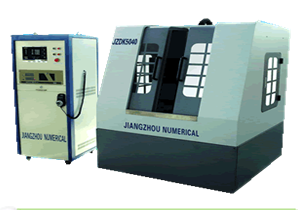
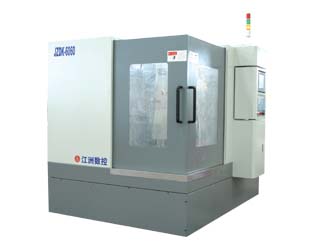
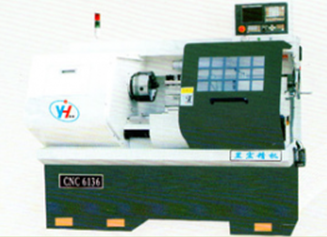
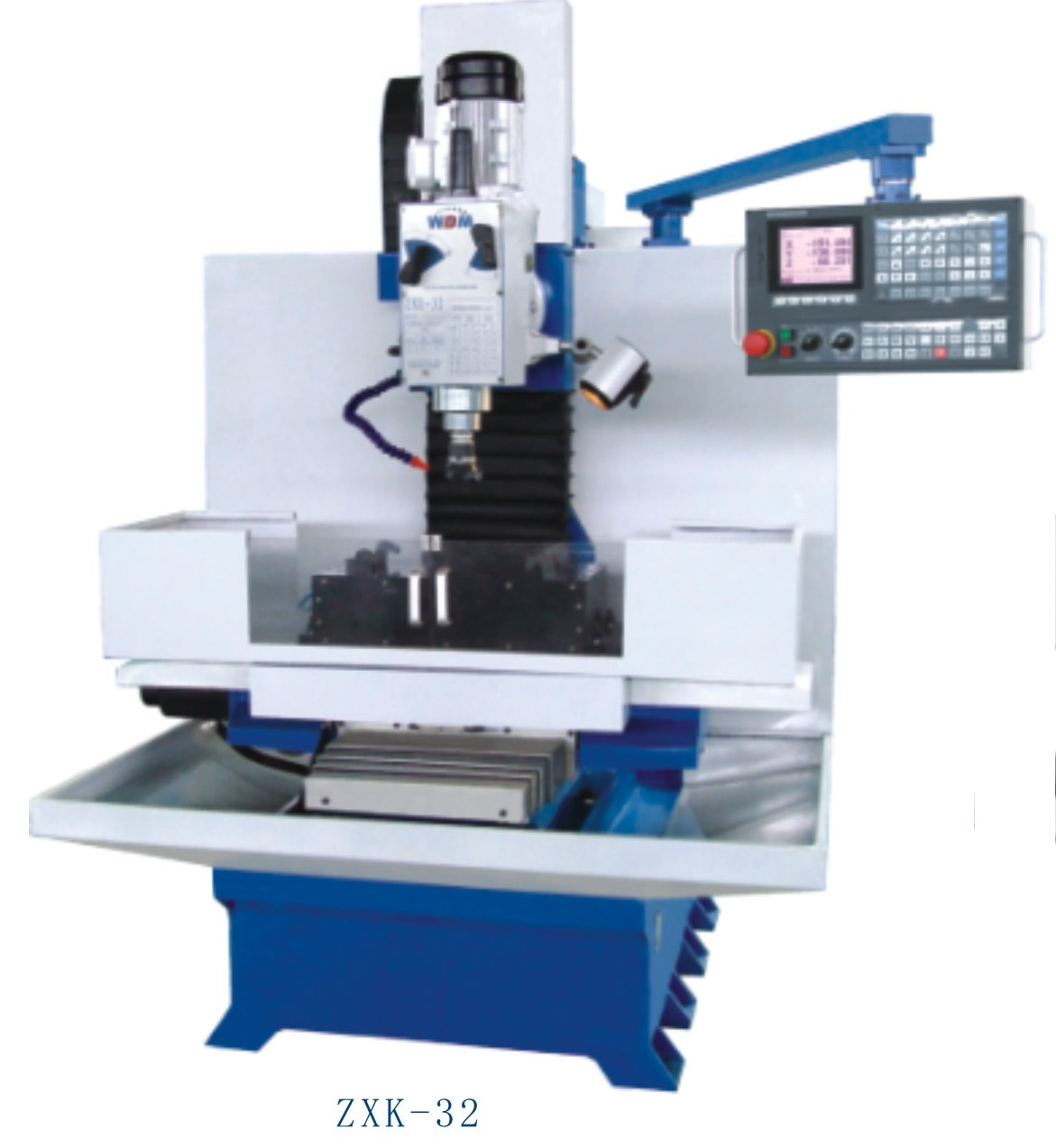
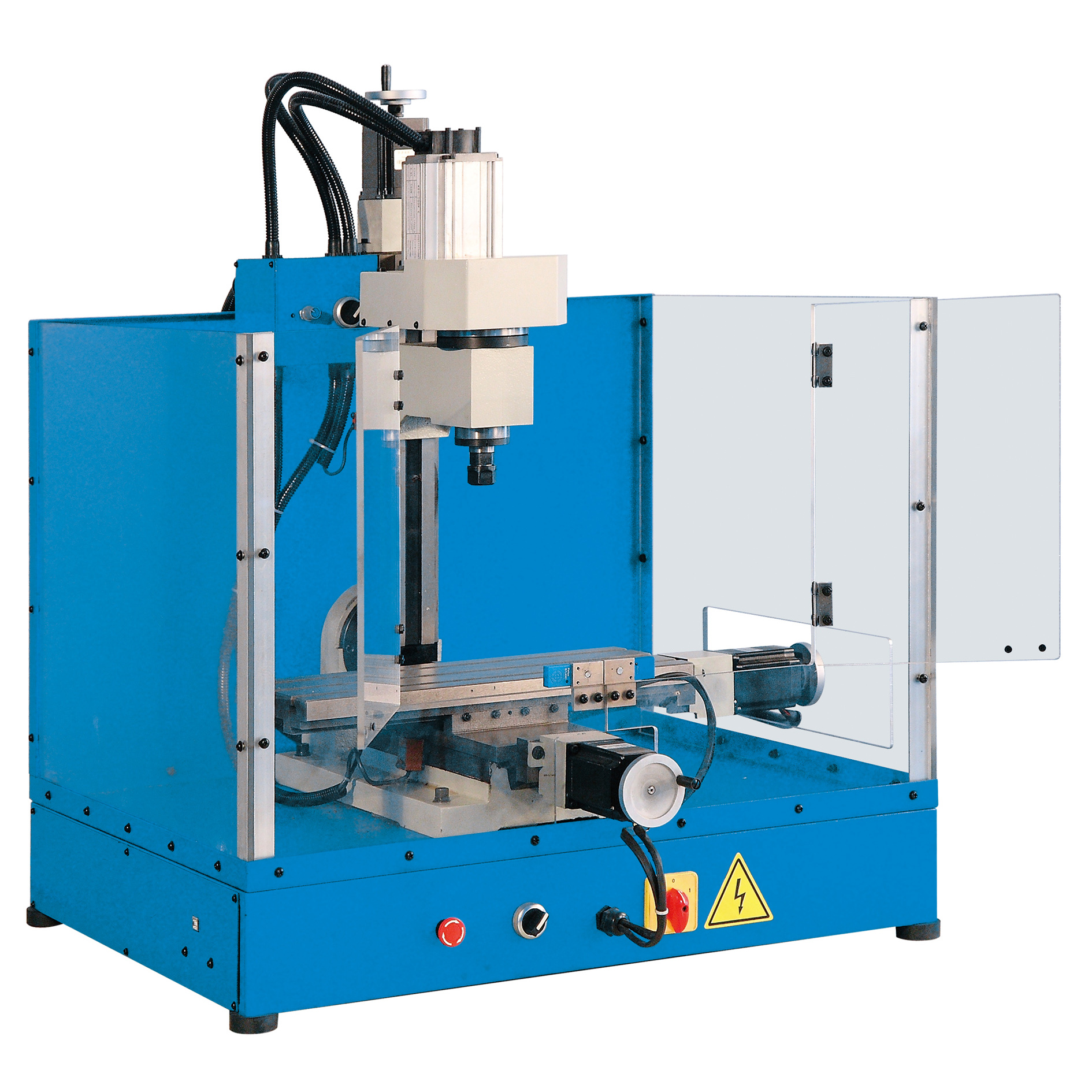
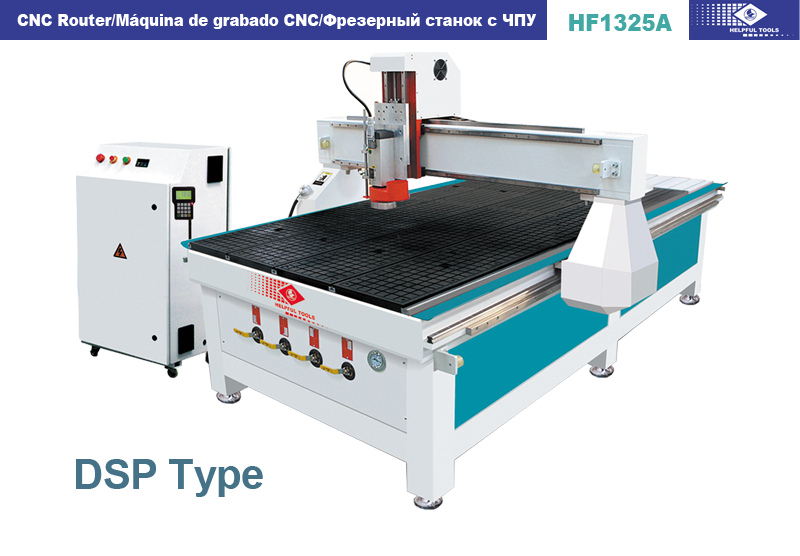
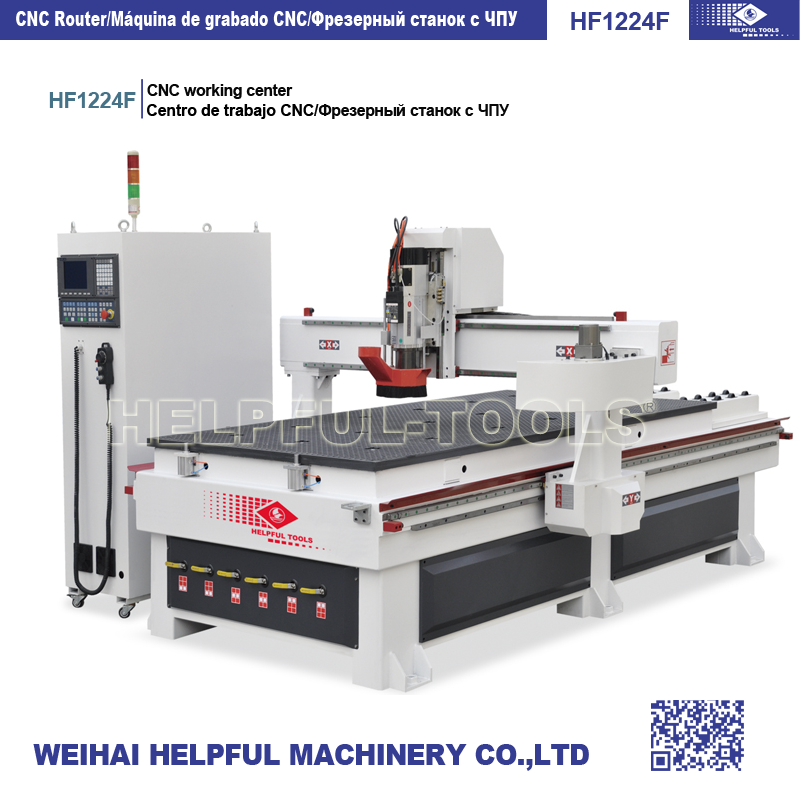
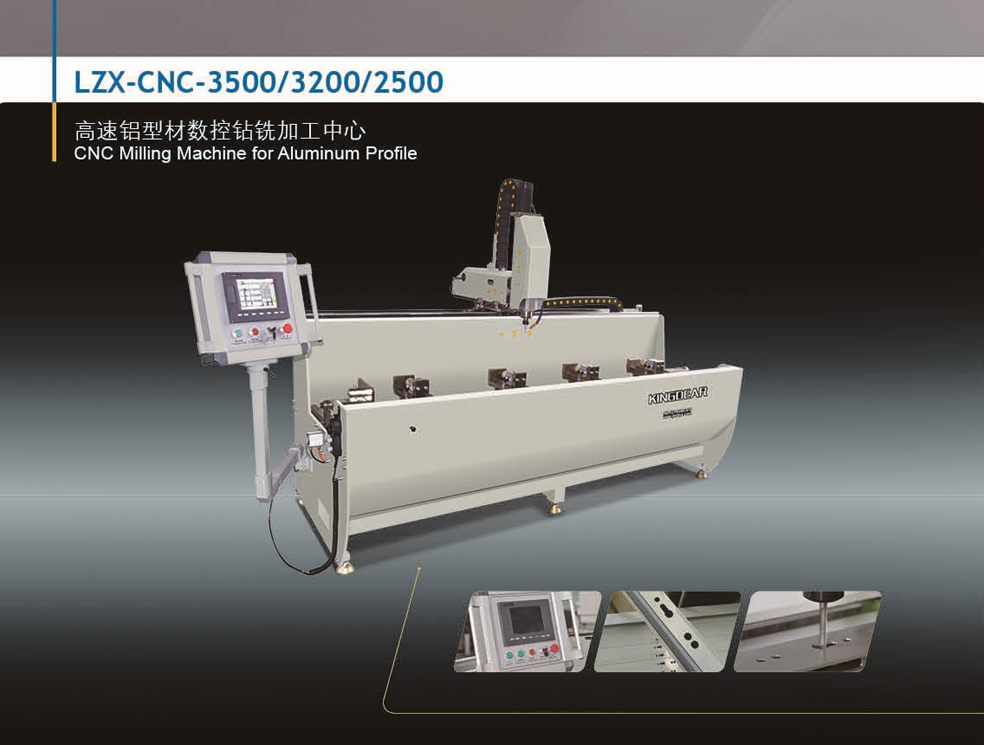
CNC Engraving and Milling Machines
Source industrial-grade CNC engraving and milling machines from vetted suppliers and manufacturers. Built for high-volume importers, machinery distributors, and brands seeking reliable OEM production, our network delivers precision equipment engineered for rigorous manufacturing environments.
Sourcing CNC engraving and milling equipment requires navigating a highly fragmented supply base where spec sheets often misrepresent actual machine rigidity and component origin. The difference between a machine that holds tight tolerances over years of continuous shifts and one that suffers from premature spindle failure lies in the underlying metallurgy, component selection, and assembly precision.
Core Specifications and Component Selection
When procuring CNC routers and milling centers in bulk, the bill of materials (BOM) dictates both the machine's capability and its lifespan. Chinese manufacturers offer immense flexibility, but buyers must explicitly specify critical components to avoid cost-cutting substitutions.
- Spindle Configuration: Engraving requires high RPM (often over 24,000 RPM) for fine detail on softer materials, while milling requires higher torque at lower speeds (typically 8,000 to 12,000 RPM) to cut metals. Specify whether the spindle is air-cooled or water-cooled, and mandate reputable bearings (such as ceramic angular contact bearings) for longevity.
- Guideways and Ball Screws: Precision relies heavily on the linear guideways and ball screws. Specify the exact brand, series, and preload class.
- Control Systems: The controller dictates the machine's interpolation capabilities and user interface. Ensure the factory is installing genuine systems (like Syntec, Siemens, Fanuc, or genuine DSP controllers) rather than unauthorized clones that will lack firmware support.
Counterfeit Components Risk
Premium components like Hiwin linear guides and Yaskawa servo motors are frequently counterfeited in lower-tier supply chains. Verifying component authenticity requires rigorous Factory Audits before production begins.
Drive Systems: Servo vs. Stepper
The choice of drive motor drastically impacts positioning accuracy, speed, and overall machine cost.
| Motor Type | Performance Profile | Typical Application | Cost Impact |
|---|---|---|---|
| Open-Loop Stepper | Prone to lost steps at high speeds, lower torque at high RPM | Entry-level woodworking, basic engraving | Lowest |
| Hybrid / Closed-Loop Stepper | Encoder feedback prevents lost steps, better high-speed torque | Mid-range routing, aluminum engraving | Moderate |
| AC Servo Motor | High speed, constant torque, rapid acceleration, extreme precision | Industrial metal milling, 3D mold making | Highest |
Ensure your CNC machinery meets exact specifications with our on-the-ground engineering and sourcing support.
Talk to our teamFrame Rigidity and Assembly Quality
A high-end spindle is useless if mounted to a frame that flexes under load. The machine bed and gantry construction are where top-tier manufacturers separate themselves from budget assemblers.
Heavy-duty milling machines require cast iron beds to dampen vibration. Lighter engraving machines often use welded steel tube frames. For welded frames, it is critical that the manufacturer performs stress-relief annealing (thermal treatment) before machining the mounting surfaces for the linear guides. If this step is skipped to save time, the frame will warp over time, destroying the machine's accuracy.
Factory Acceptance Testing (FAT) and Quality Control
Catching alignment errors or defective components after the machine has arrived at your facility is a costly disaster. Comprehensive Quality Control & Inspection must be conducted on the factory floor prior to crating.
Critical Pre-Shipment Inspection Points
- Spindle Runout Test: Confirm runout is under 0.01mm using a precision dial indicator.
- Positioning Accuracy: Verify XYZ axis accuracy using a laser interferometer.
- Squareness and Tramming: Check gantry squareness and ensure the spindle is perfectly perpendicular to the table.
- Continuous Run Test: Operate the machine at maximum rapid feed rates for 24 to 48 hours to identify thermal expansion issues or electronic faults.
- BOM Verification: Cross-check serial numbers and brands of servo drives, spindles, and inverters against the purchase agreement.
Pricing, MOQs, and Lead Times
The CNC machinery market operates with highly variable pricing based on the specified components and frame weight.
- MOQs: Minimum order quantities are typically low for industrial machinery, often starting at 1 to 3 units. However, custom OEM branding, proprietary paint schemes, or bespoke sheet metal enclosures usually push the MOQ to 5 or 10 units.
- Lead Times: Standard configurations generally require 25 to 40 days for assembly and calibration. Highly customized milling centers or bulk orders can extend lead times to 60 days or more.
- Logistics: Because these machines are heavy, top-heavy, and sensitive to moisture, they require specialized export crating (vacuum-sealed foil bags with desiccants inside heavy-duty steel or plywood crates). Coordinating this requires experienced Shipping & Freight management to ensure the equipment is properly secured for ocean transit.
Need reliable pricing and lead times for high-volume CNC procurement? Let us map out a customized sourcing strategy.
Get a free consultationFrequently Asked Questions
Procuring CNC machinery at scale is an exercise in risk management. By strictly defining component brands, enforcing thermal treatment standards for frames, and executing rigorous on-site testing before shipment, buyers can secure industrial-grade equipment that delivers a low total cost of ownership over its operational life.
Get Sourcing Help for CNC Engraving and Milling Machines
Tell us your requirements and our experts will connect you with verified manufacturers.