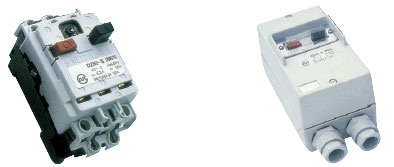
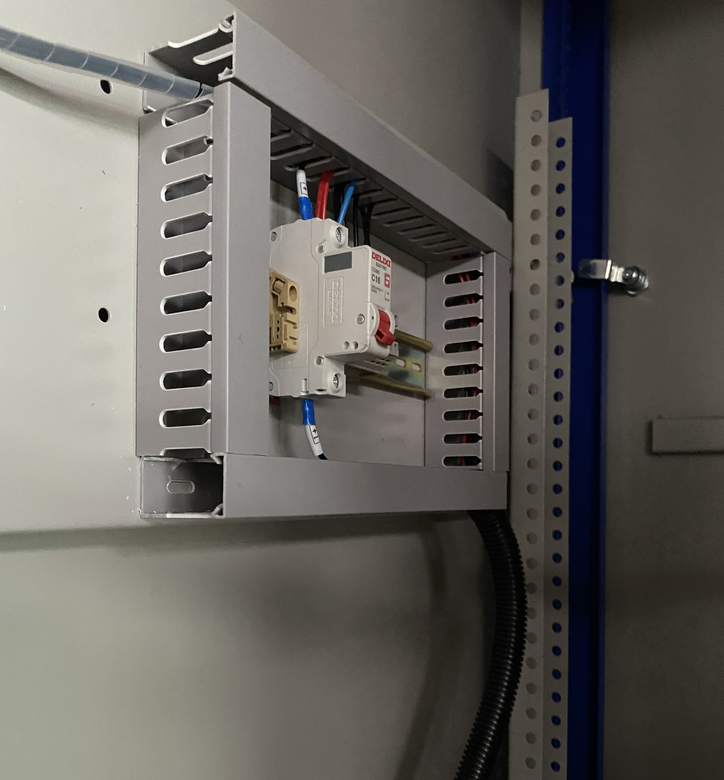
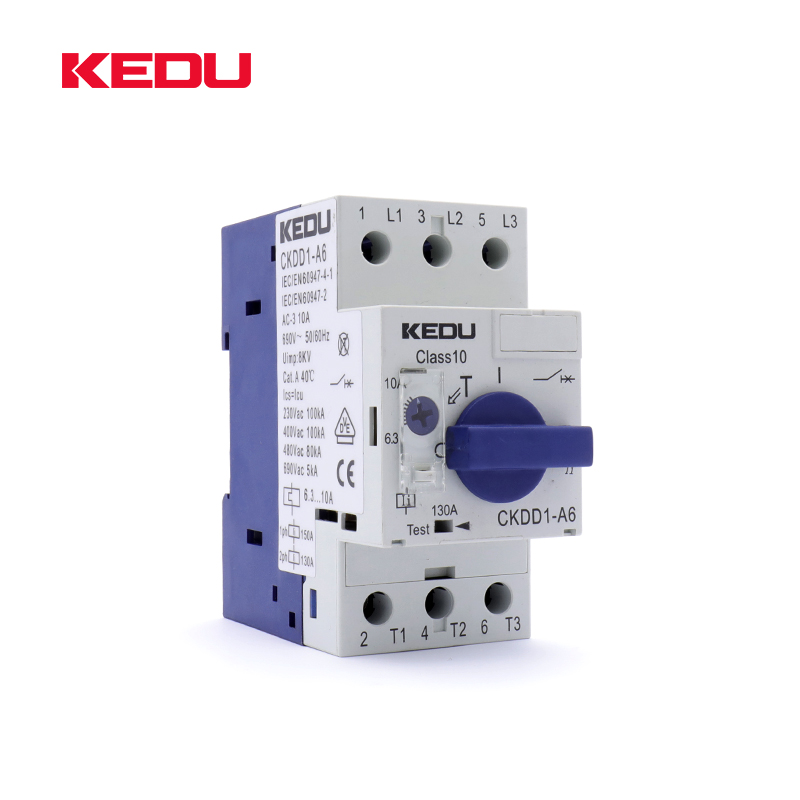
Circuit Breakers
Source industrial and commercial circuit breakers directly from vetted manufacturers and suppliers. Designed for electrical distributors, wholesalers, and brands requiring reliable OEM and private-label production. Secure bulk orders with verified compliance for global markets.
Sourcing circuit breakers at scale requires navigating a manufacturing landscape where a single mechanical failure or substandard contact material can lead to catastrophic system damage. For industrial controls and power distribution, the margin for error is zero. Finding a factory capable of consistent, high-volume production while maintaining rigorous IEC or UL standards is the primary challenge for any procurement team.
Critical Specifications for Bulk Procurement
When negotiating with circuit breaker manufacturers, precise technical specifications dictate both the safety of the final product and the unit cost. Factories often produce visually identical housings that contain vastly different internal components.
You must clearly define the following parameters for your OEM or wholesale orders:
- Tripping Characteristics: Specify the exact curve required (B, C, D, K, or Z) based on the inrush current of the target application.
- Breaking Capacity (Icu/Ics): The maximum fault current the breaker can safely interrupt. Ensure the factory's claims are backed by third-party test reports, as this is a common area for specification inflation.
- Arc Extinguishing Mechanisms: The design and material of the arc chute (typically steel plates) are critical for safely dissipating the plasma arc during a short circuit.
- Housing Material: Industrial applications require thermosetting plastics (like BMC - Bulk Molding Compound) or high-grade flame-retardant thermoplastics (PA66) that meet UL94 V-0 flammability standards.
| Contact Material | Conductivity & Wear | Cost Profile | Typical Application |
|---|---|---|---|
| Silver-Tungsten (AgW) | Excellent arc resistance, moderate wear | Premium | High-fault industrial breakers |
| Silver-Graphite (AgC) | High conductivity, prevents micro-welding | High | Standard commercial applications |
| Copper/Silver-Plated | Prone to oxidation and welding under load | Low | Budget/light-duty (often problematic) |
Quality Control on the Factory Floor
The difference between a reliable supplier and a risky one lies in their internal quality management and testing infrastructure. Assembly of moving parts, calibration of the bimetallic strip for thermal overload, and the magnetic coil for short-circuit protection require precision automation and strict oversight.
Factory Evaluation Checklist
- Verify in-house testing equipment for short-circuit capacity and mechanical endurance.
- Check if the calibration of thermal tripping is automated or manual (manual calibration yields high variance).
- Confirm raw material incoming inspection, particularly the purity of silver alloy contacts and copper coils.
- Review traceability systems to track individual batches back to specific material lots.
Relying solely on a supplier's word for these processes is a massive risk. Conducting thorough Factory Audits before committing to a production run ensures the facility actually possesses the automated assembly and testing lines they claim. Furthermore, independent Compliance & Testing is non-negotiable to verify adherence to standards like IEC 60947-2 (industrial) or UL 489.
Need to verify a manufacturer's production capabilities and compliance? Let our engineers assess your supply chain.
Get a free consultationPricing Drivers, MOQs, and Lead Times
The wholesale price of circuit breakers is highly sensitive to commodity markets, specifically the global prices of copper and silver. When sourcing directly from Asian manufacturing hubs (predominantly in Zhejiang and Guangdong provinces in China), expect pricing to fluctuate with these raw materials.
Cost reductions are usually achieved through economies of scale, not by compromising on materials. Factories offering prices significantly below the market average are almost certainly reducing the silver content in the contacts, thinning the copper coils, or using recycled plastics for the housing. Implementing robust Quality Control & Inspection during production is the only way to ensure the approved golden sample matches the mass-produced batch.
Optimize your unit costs without sacrificing safety or compliance. Speak with our sourcing experts.
Talk to our teamFrequently Asked Questions
Sourcing circuit breakers demands a rigorous approach to technical validation and factory oversight. Success in this category requires moving beyond price negotiation to actively managing the engineering and compliance standards at the source. If you are scaling your procurement and need reliable execution on the ground, expert coordination makes all the difference.
Get Sourcing Help for Circuit Breakers
Tell us your requirements and our experts will connect you with verified manufacturers.