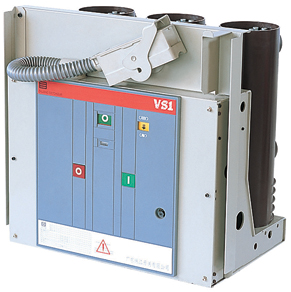
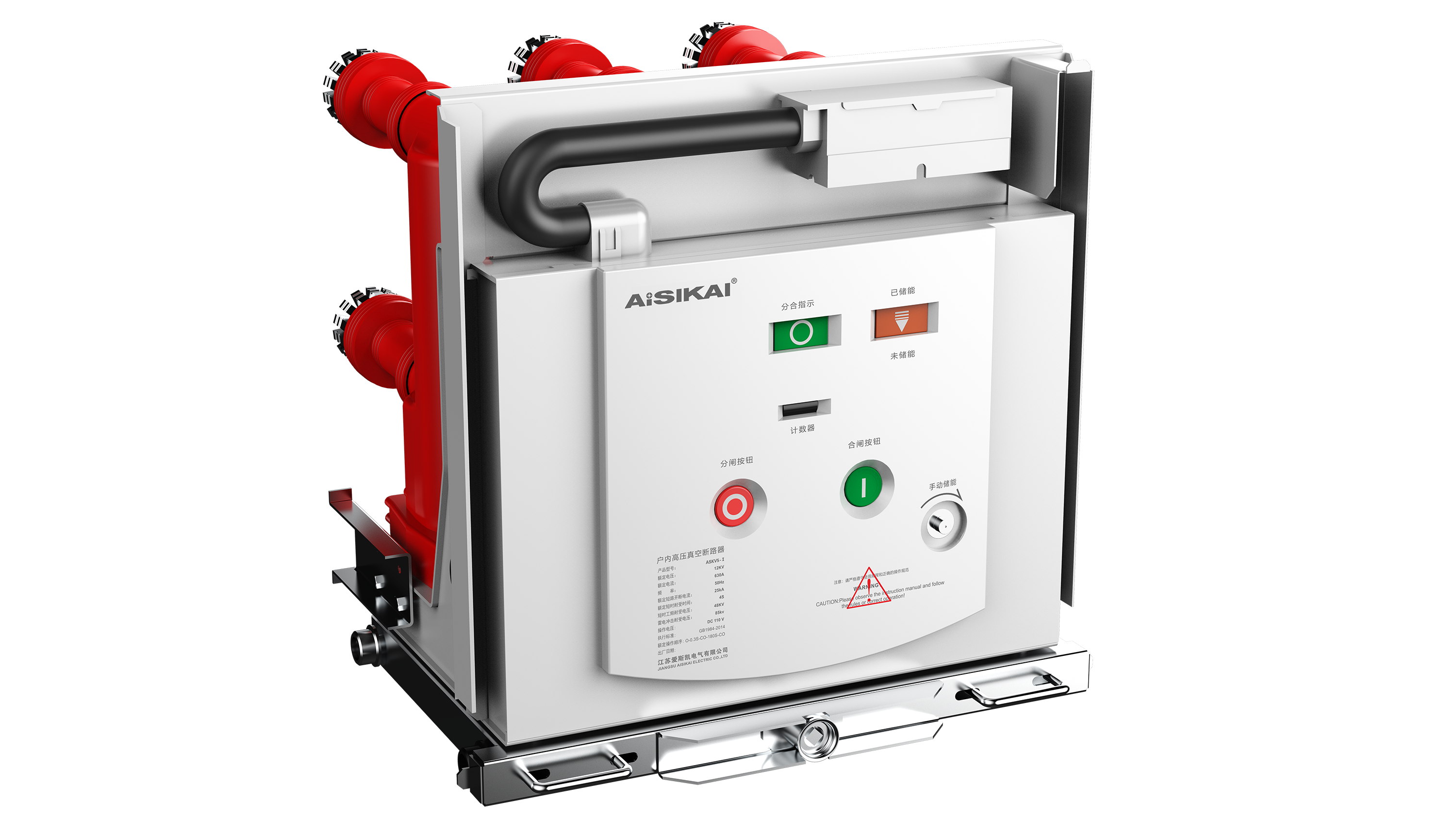
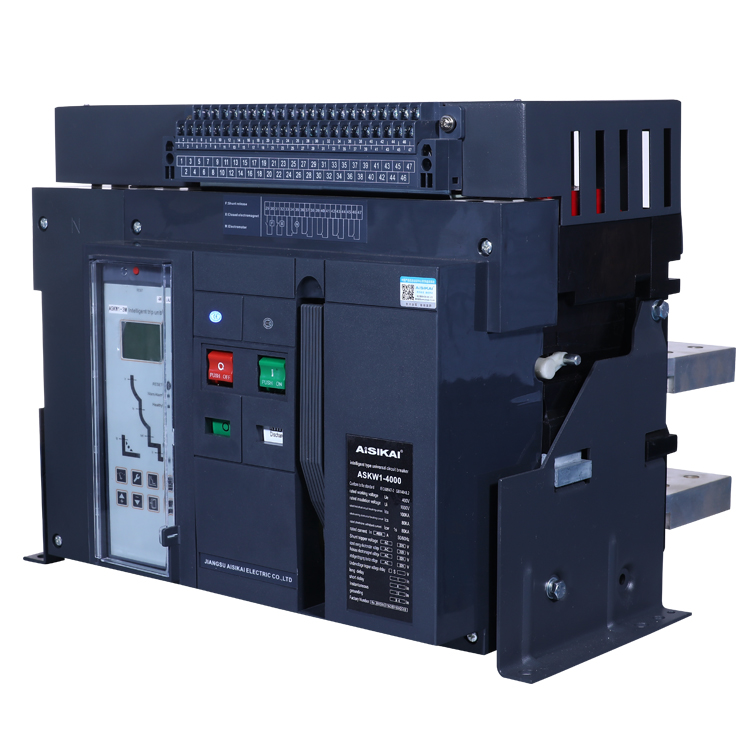
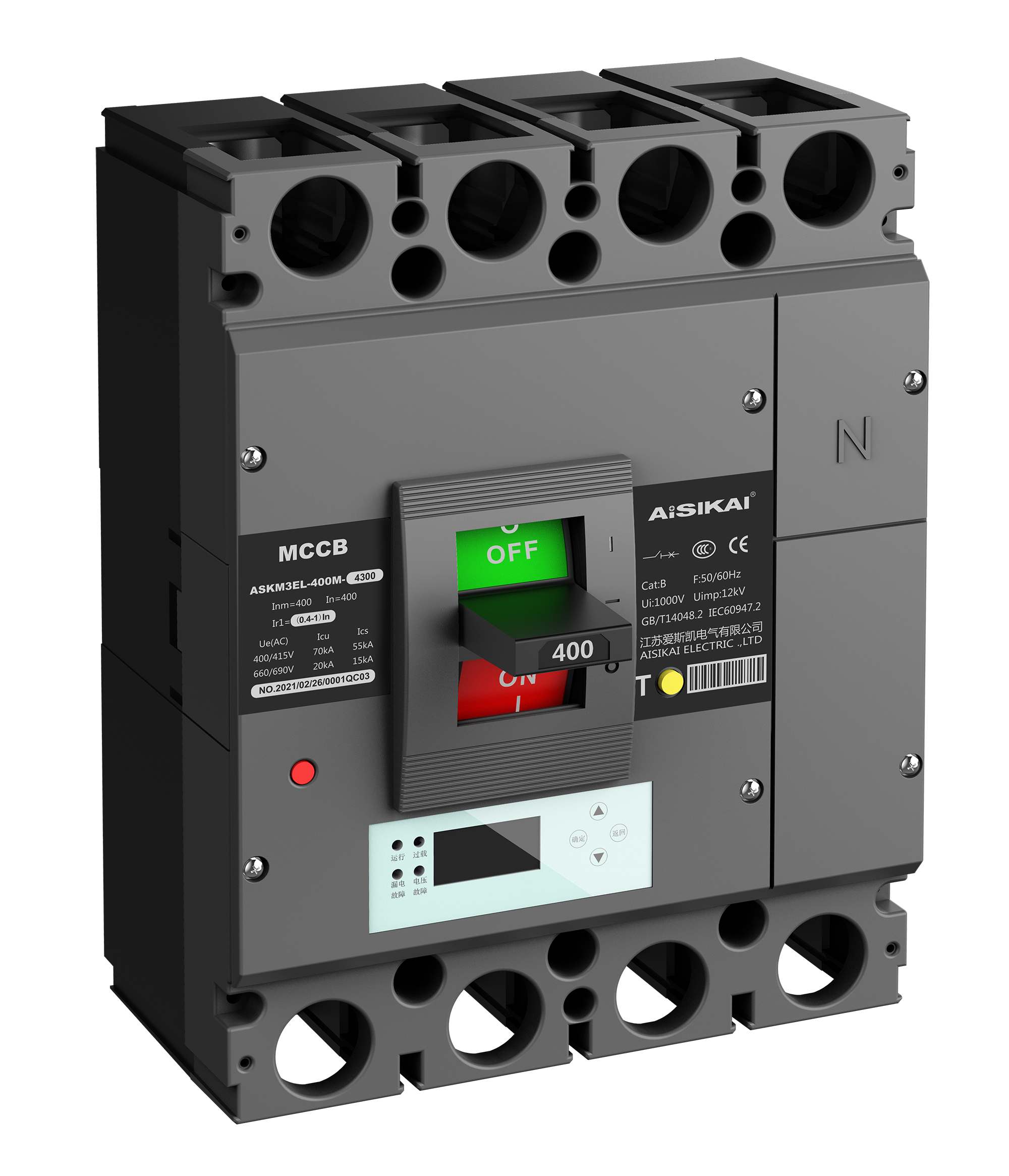
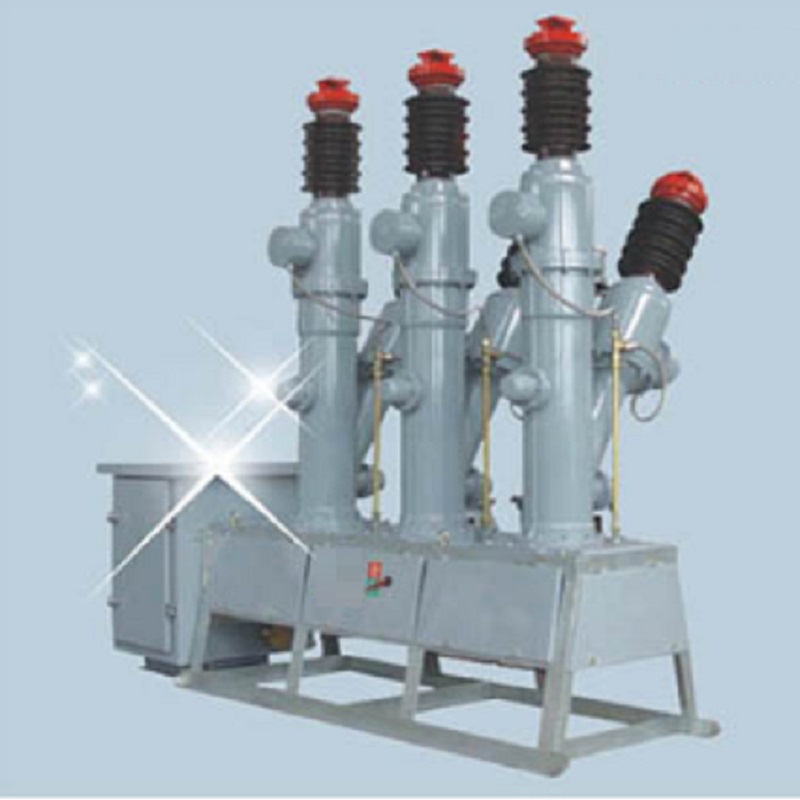
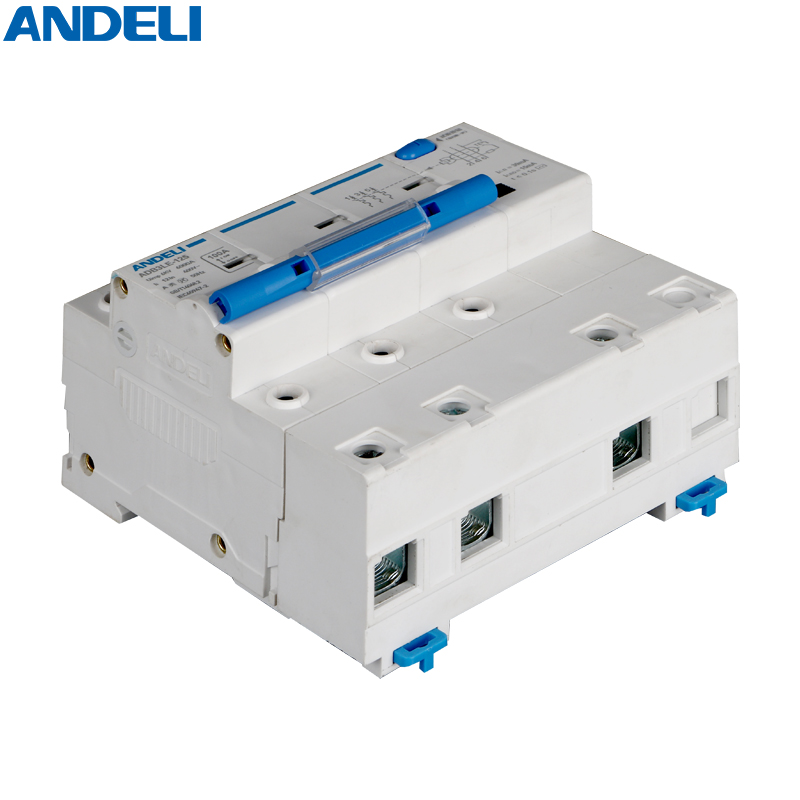
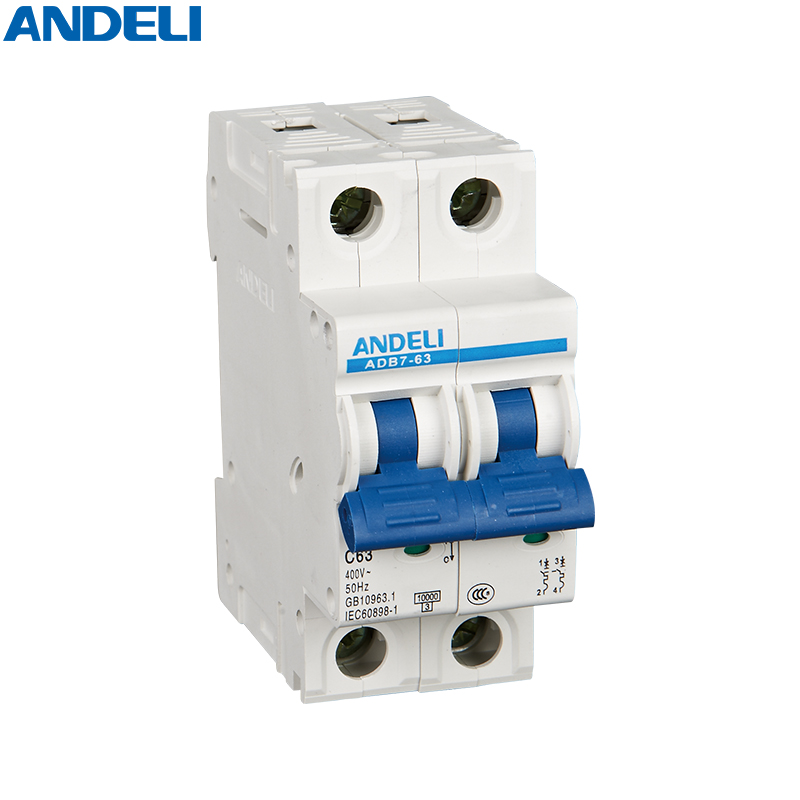
Circuit Breakers
Source high-quality circuit breakers directly from vetted manufacturers and wholesale suppliers in Asia. Built for electrical distributors, commercial importers, and brands requiring reliable OEM production, our network delivers bulk components that meet strict international safety and performance standards.
Procuring circuit breakers at scale is fundamentally an exercise in risk management. Because these are life-safety and infrastructure-critical devices, a single batch of poorly calibrated units can lead to catastrophic electrical failures, product recalls, and severe liability. For volume buyers, successfully importing circuit breakers means looking past surface-level pricing to verify raw material purity, automated calibration processes, and absolute adherence to global electrical standards.
Core Specifications and Material Drivers
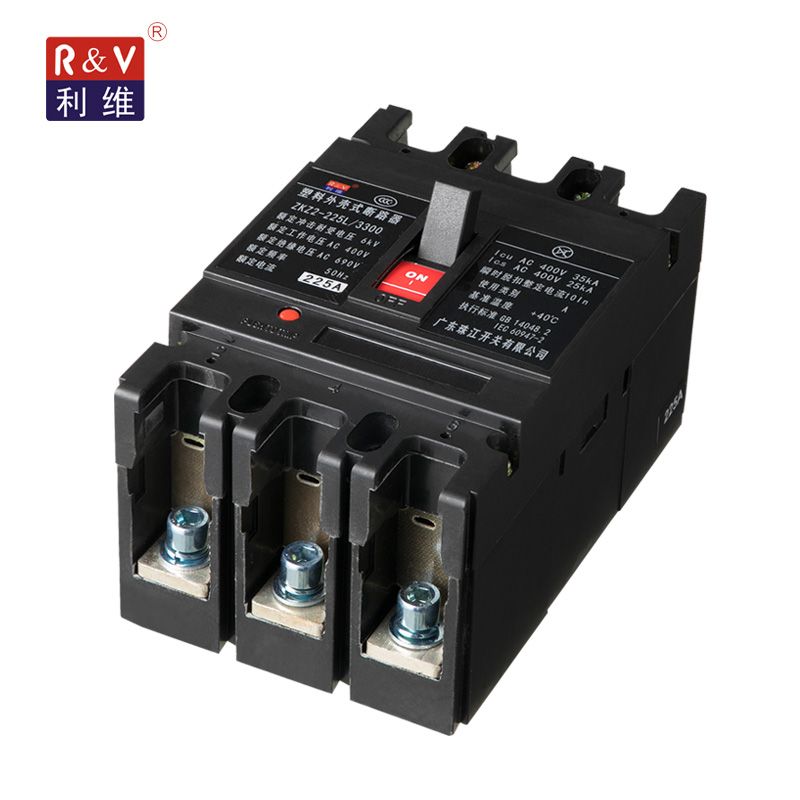
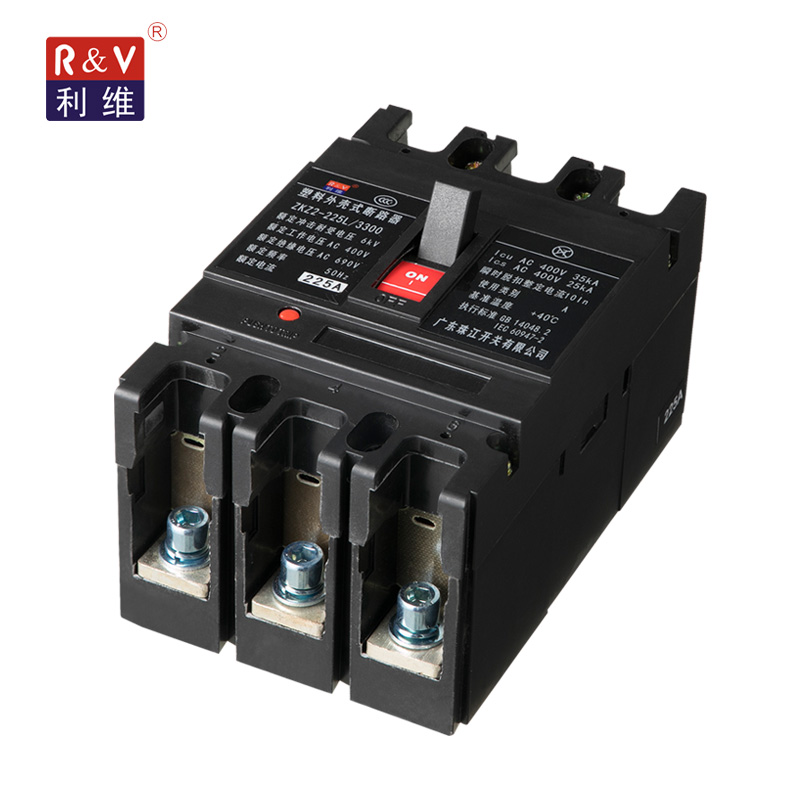
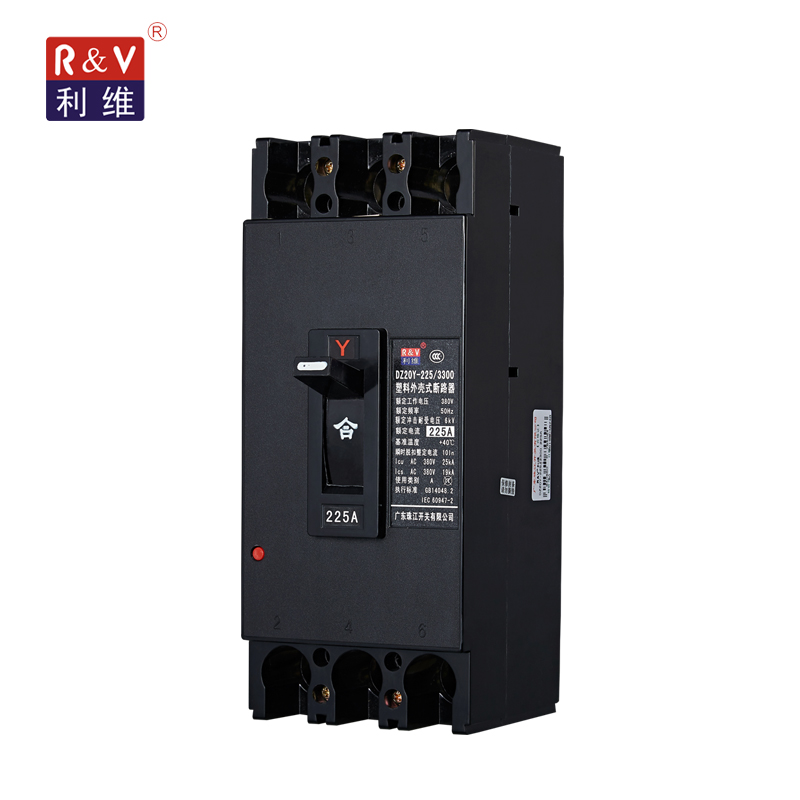
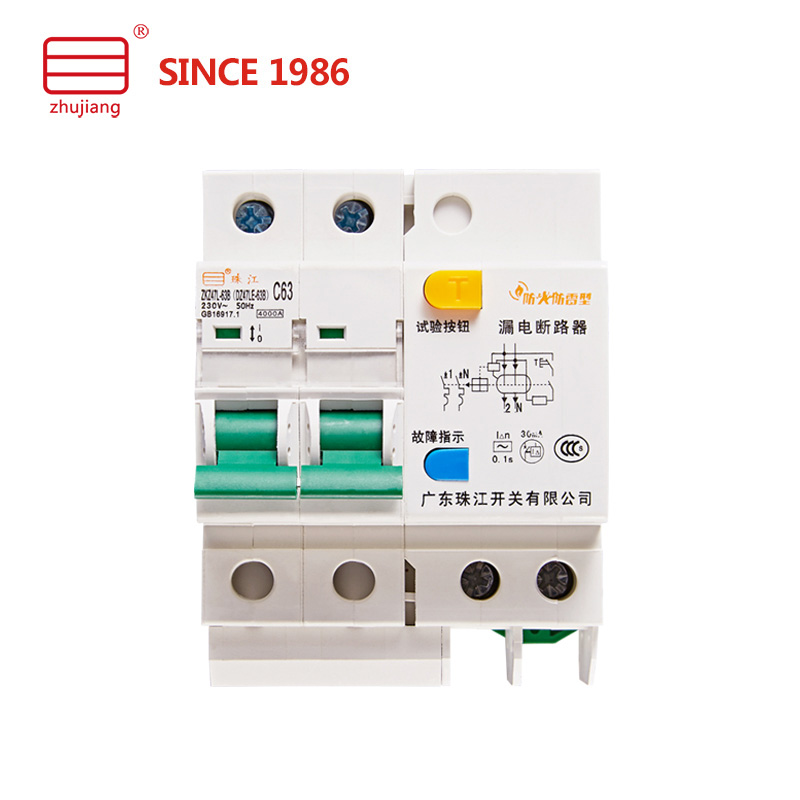
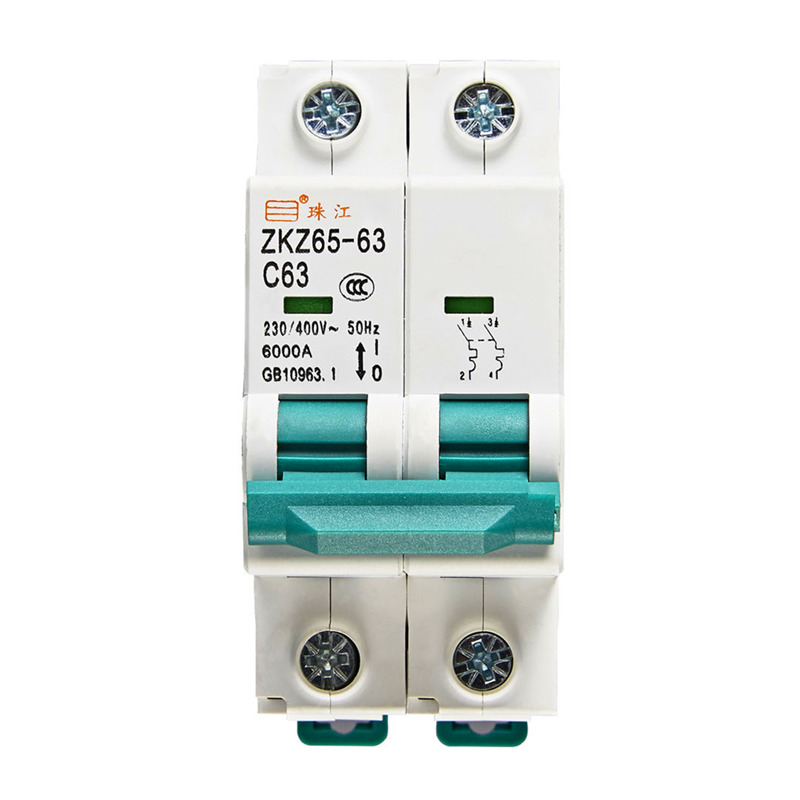
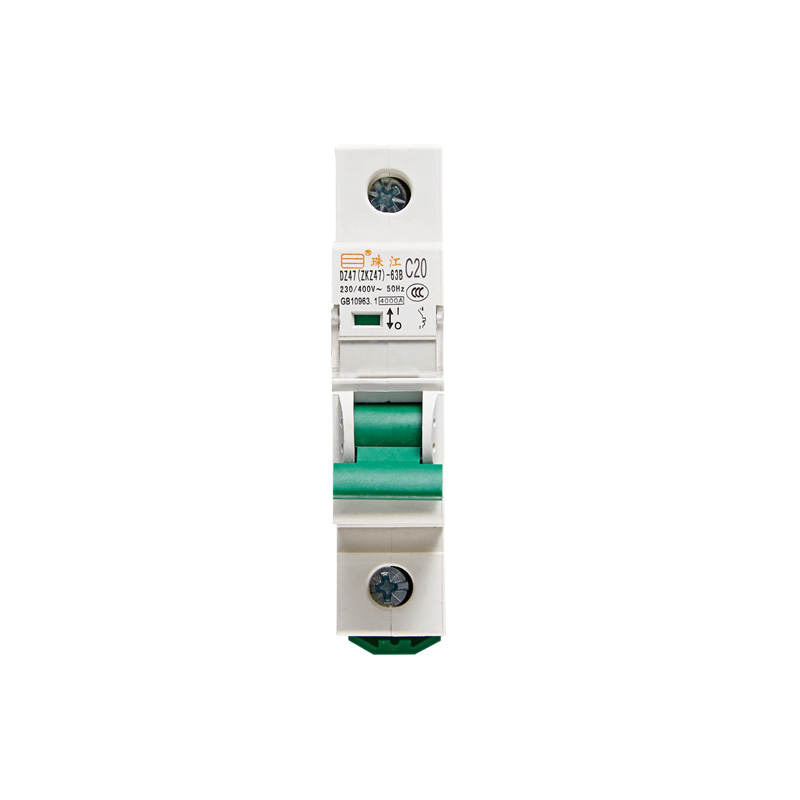
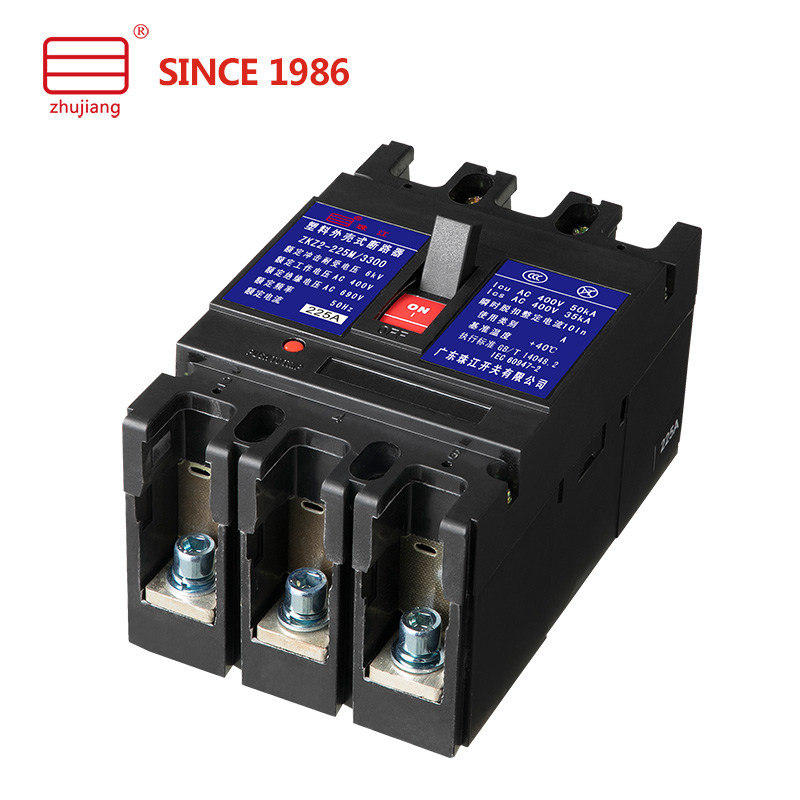
Whether you are sourcing Miniature Circuit Breakers (MCBs) for residential distribution or Molded Case Circuit Breakers (MCCBs) for industrial panels, the bill of materials dictates both performance and unit cost. Manufacturers often attempt to optimize costs in areas invisible to the naked eye.
When negotiating with factories, you must explicitly define the following material specifications:
- Contact Materials: The moving and fixed contacts must withstand intense heat and arcing. Premium breakers use high-percentage silver alloys (like Silver Graphite or Silver Tungsten). Budget suppliers may reduce the silver content or substitute with copper-heavy alloys, which dramatically shortens the mechanical and electrical lifespan and increases the risk of contact welding.
- Bimetallic Strips: The core of thermal tripping relies on precisely manufactured bimetallic strips. Inconsistent alloy composition here leads to erratic tripping behavior under sustained overloads.
- Arc Chutes (Extinguishers): To safely dissipate the arc generated during a short circuit, the arc chute must have a sufficient number of metal plates. Cheaper units often feature fewer plates, reducing the breaking capacity (kA rating) and increasing fire risk.
- Housing Plastics: The outer shell must be molded from high-grade, fire-retardant thermoplastics (typically PA66 nylon). It must pass stringent glow-wire testing (usually at 960 degrees Celsius) without sustaining a flame.
| Trip Curve | Magnetic Trip Threshold | Primary Application |
|---|---|---|
| Type B | 3 to 5 times Rated Current (In) | Resistive loads, residential lighting, long cable runs |
| Type C | 5 to 10 times Rated Current (In) | Inductive loads, commercial motors, fluorescent lighting |
| Type D | 10 to 20 times Rated Current (In) | High inrush currents, heavy industrial motors, transformers |
Quality Control on the Factory Floor
Relying solely on a golden sample is a dangerous strategy in electrical component sourcing. Mass production introduces variables in assembly torque, spring tension, and calibration. A comprehensive quality control and inspection protocol must be implemented before shipment.
Critical In-Line & Pre-Shipment Inspection Points
- Thermal Trip Calibration: Testing a statistical sample at 1.13 In (must not trip) and 1.45 In (must trip within specified time).
- Magnetic Trip Verification: Applying surge currents to ensure instantaneous tripping matches the specified curve (B, C, or D).
- Dielectric Strength Test: Applying high voltage across open contacts and between poles to verify insulation integrity.
- Mechanical Endurance: Cycle testing the toggle mechanism to ensure springs and latches do not fatigue prematurely.
- Glow Wire Testing: Destructive testing on housing materials from the production run to verify fire retardancy.
Sourcing safety-critical electrical components requires rigorous factory oversight. We can help you vet suppliers and enforce strict quality standards on the production floor.
Talk to our teamNavigating Certifications and Compliance
Circuit breakers are heavily regulated. The specific certifications required depend entirely on your target market. For Europe and many international markets, compliance with IEC 60898 (for household installations) or IEC 60947-2 (for industrial applications) is mandatory, alongside CE marking. For the North American market, UL 489 or UL 1077 recognition is strictly enforced.
A common pitfall is accepting a supplier's CE or CB certificate at face value. Unscrupulous factories may present certificates that belong to a different product line, are expired, or were issued by unaccredited testing laboratories. Conducting thorough factory audits is essential to verify that the manufacturer's ISO 9001 systems are active and that their product certificates match the exact bill of materials you are purchasing. Furthermore, independent compliance and testing should be utilized to validate the factory's claims before mass production begins.
Wholesale Pricing, MOQs, and Lead Times
Pricing in the circuit breaker market fluctuates based on the commodity prices of copper and silver, as well as the complexity of the internal mechanisms.
If you are developing a private label, OEM/ODM services allow you to customize the pad printing on the breaker face, the color of the toggle switch, and the packaging. Keep in mind that custom molding for unique breaker housings will require substantial tooling investments and significantly higher initial order quantities.
Need to negotiate better terms or streamline your supply chain? Let our on-the-ground team manage your procurement from factory to final delivery.
Get a free consultationBuyer FAQ
Procuring circuit breakers requires balancing aggressive cost targets with uncompromising safety standards. By defining strict material specifications, validating certifications, and enforcing rigorous testing protocols on the factory floor, you can secure a reliable supply chain that protects both your end-users and your brand's reputation.
Get Sourcing Help for Circuit Breakers
Tell us your requirements and our experts will connect you with verified manufacturers.