Capacitance
Source high-quality capacitance components and capacitors in bulk directly from vetted Asian manufacturers. Designed for electronics distributors, procurement managers, and OEM brands, our network provides reliable, cost-effective wholesale electronic components. Partner with us for secure, high-volume sourcing.
Sourcing capacitance components at scale requires navigating a highly fragmented and volatile market. Whether you are procuring billions of Multi-Layer Ceramic Capacitors (MLCCs) for consumer electronics or specifying heavy-duty aluminum electrolytics for industrial power supplies, securing a reliable supply chain is critical. The primary sourcing challenges involve mitigating the risk of counterfeit components, ensuring strict tolerance adherence across massive production runs, and managing lead times during cyclical global shortages.
Critical Specifications for Bulk Procurement
When negotiating with manufacturers or verifying factory capabilities, precision in your technical specifications dictates the yield and reliability of your final product. Ambiguity in your Bill of Materials (BOM) often leads to unauthorized substitutions on the factory floor.
Essential Parameters to Define in Your BOM
- Capacitance Value and Tolerance: Specify exact nominal values and acceptable drift (e.g., plus/minus 5 percent, 10 percent, or 20 percent).
- Working Voltage (WVDC): Define the maximum continuous DC voltage the capacitor can withstand at its rated temperature.
- Temperature Coefficient: For ceramics, specify the exact dielectric class (e.g., C0G/NP0 for high stability, X7R for standard applications, Y5V for cost-sensitive, broad-tolerance needs).
- Equivalent Series Resistance (ESR): Critical for power supply filters and high-frequency applications; specify maximum acceptable ESR at specific frequencies.
- Ripple Current Rating: Essential for electrolytic and tantalum capacitors to prevent thermal failure under heavy load.
- Packaging Format: Tape and reel specifications (pitch, width, reel diameter) for automated Surface Mount Technology (SMT) assembly lines.
| Capacitor Type | Typical Sourcing Focus | Common Manufacturing Defect |
|---|---|---|
| Ceramic (MLCC) | High volume, automated assembly, dielectric class | Micro-cracking during termination or soldering |
| Aluminum Electrolytic | Power electronics, ripple current, lifespan (hours) | Electrolyte leakage or premature dry-out |
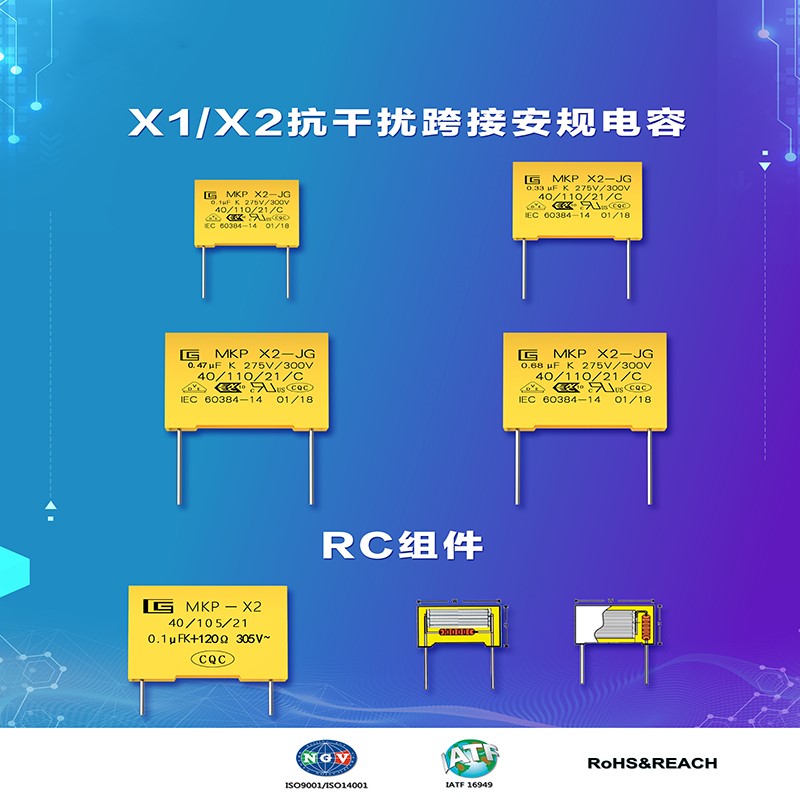
| Film (Polyester/Polypropylene) | Audio, high-voltage pulse, safety (X/Y class) | Dielectric breakdown under voltage spikes |
| Tantalum | High capacitance density, aerospace/medical | Ignition failure due to crystallization defects |
Struggling with inconsistent component quality or unauthorized BOM substitutions? Let our sourcing engineers stabilize your supply chain.
Talk to our teamManufacturing Quality and Factory Verification
The quality of a capacitor is determined long before it reaches the end of the production line. It begins with the purity of the raw materials—such as the etching quality of aluminum foils or the milling of ceramic powders. When vetting a Chinese or Taiwanese factory, you must evaluate their cleanroom standards and their incoming material inspection processes.
Substandard manufacturers often cut costs by sourcing lower-grade dielectrics or using inferior termination plating, which leads to poor solderability and field failures. Implementing rigorous Quality Control & Inspection protocols is non-negotiable. This includes pre-shipment sampling to test for capacitance drift, leakage current, and physical dimensions.
Counterfeit Mitigation
The secondary market for electronic components is rife with remarked, reclaimed, or counterfeit capacitors. When buying outside of franchised distribution, rigorous Compliance & Testing including decapsulation, X-ray inspection, and electrical characterization is required to verify authenticity.
Pricing, MOQs, and Lead Times
The economics of capacitance components are driven by raw material costs (palladium, silver, aluminum, tantalum) and factory utilization rates.
- Minimum Order Quantities (MOQs): For SMT components, MOQs are almost always dictated by the packaging. You must purchase in full reels. A standard reel of 0402 MLCCs typically contains 10,000 pieces, while larger electrolytic capacitors might have MOQs ranging from 1,000 to 5,000 pieces depending on the tray or bulk packaging. Custom or highly specialized capacitors will require significantly higher MOQs to justify the production run.
- Pricing Drivers: Beyond raw materials, tolerance and temperature ratings drive cost. A 1 percent tolerance C0G capacitor will cost exponentially more than a 20 percent Y5V capacitor of the same nominal value.
- Lead Times: Standard components from established factories typically run 4 to 8 weeks. However, during global allocation periods, lead times for specific MLCC case sizes can stretch to 26 weeks or more. Active Supply Chain Management is required to buffer inventory and coordinate staggered deliveries.
Need to secure high-volume allocations without compromising on quality? We manage the factory negotiations and quality control for you.
Get a free consultationFrequently Asked Questions
Securing a reliable supply of capacitance components requires more than just finding a low price on a B2B portal; it demands deep technical vetting and ongoing oversight. From verifying the purity of raw materials to ensuring strict adherence to your BOM, professional on-site Factory Audits are the most effective way to protect your production lines from costly delays and field failures.
Get Sourcing Help for Capacitance
Tell us your requirements and our experts will connect you with verified manufacturers.