Candy Machines
Source commercial candy machines from vetted manufacturers and wholesale suppliers. Designed for equipment importers, distributors, and food production brands, our catalog covers high-volume confectionery manufacturing and packaging systems. Secure reliable OEM and ODM production lines built to strict food-grade compliance.
Sourcing commercial candy machines requires balancing throughput capacity with strict sanitary standards. Whether you are procuring continuous vacuum cookers, depositing lines, or automated wrapping machines, the primary challenge is ensuring the equipment integrates seamlessly into your clients' facilities while meeting international food-contact regulations.
Key Specifications and Configurations
When evaluating manufacturers, the technical specifications dictate both the initial capital expenditure and the operational lifespan of the line. Confectionery equipment is highly customized; a standard catalog model rarely fits a specialized production environment without modifications.
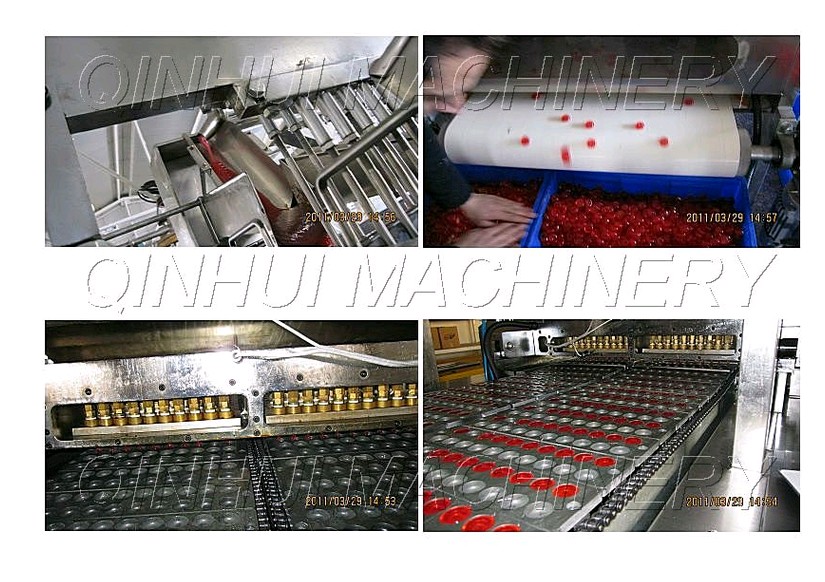
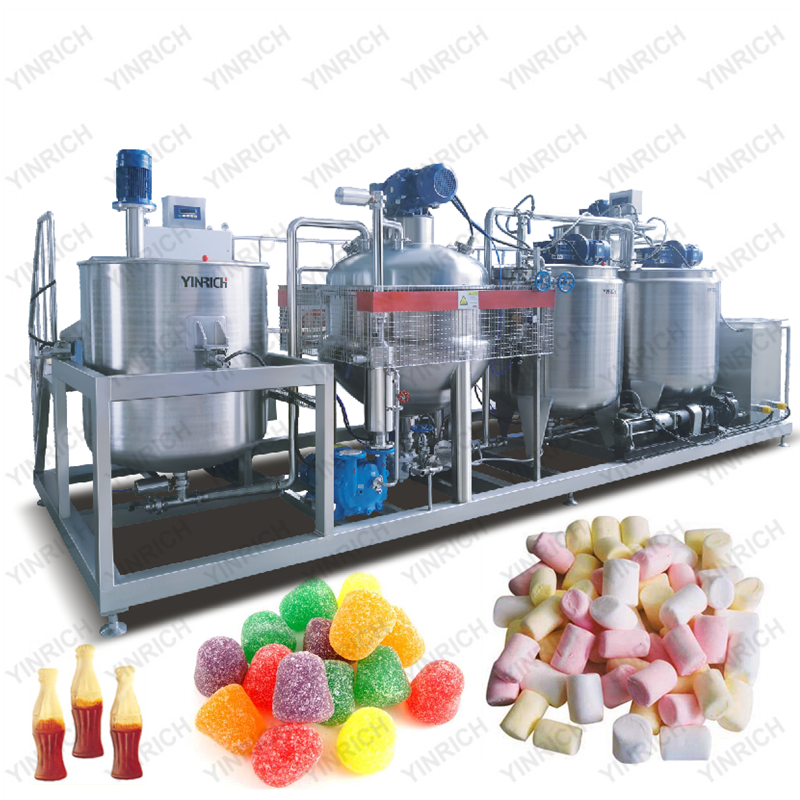
Buyers must specify the exact heating methods, cooling tunnel lengths, and control systems required. For instance, gummy depositing lines require precise temperature controls to prevent gelatin degradation, while hard candy stamping lines prioritize mechanical force and rapid cooling.
| System Component | Standard Configuration | High-Performance Configuration |
|---|---|---|
| Construction Material | SUS304 Stainless Steel | SUS316L (for all syrup/acid contact areas) |
| PLC & Controls | Domestic Chinese Brands | Siemens, Mitsubishi, or Allen-Bradley |
| Heating Method | Electric Heating | Steam Heating (requires external boiler) |
| Pneumatics | Standard Air Cylinders | Festo or SMC Pneumatic Systems |
Specifying premium international components for PLCs, motors, and pneumatics increases the upfront cost but drastically reduces downtime, as replacement parts can be sourced locally in the destination market.
Configuring custom confectionery lines requires precise technical translation. Let us handle the factory negotiations and specification sheets.
Talk to our machinery expertsManufacturing Quality and Floor Defect Risks
The quality of food processing machinery is often determined by details that are invisible on a spec sheet. Sanitary welding is a primary concern. Standard TIG welds can leave micro-crevices where sugar and bacteria accumulate, leading to severe contamination risks. Food-grade machinery requires polished, flush sanitary welds on all internal piping and hoppers.
Additionally, "dead legs" in piping systems—areas where syrup can stagnate—must be engineered out of the design. Verifying these engineering capabilities requires rigorous factory audits before you commit to a supplier. You must evaluate the manufacturer's machining tolerances, assembly processes, and testing protocols.
Pre-Shipment Machinery Inspection Points
- Verify flush sanitary welds on all food and syrup contact surfaces.
- Confirm PLC software interface is localized to your required language.
- Inspect motor, gearbox, and electrical component nameplates against the agreed spec sheet.
- Run a dry-cycle test for at least 4 hours to check for bearing overheating or mechanical binding.
- Check all safety interlocks and emergency stop functions.
Beyond mechanical function, the machinery must pass strict compliance and testing standards for electrical safety (CE, UL) and food-grade material certification (FDA, LFGB) to legally enter and operate in your target market.
Pricing, Lead Times, and Logistics
Procuring heavy machinery involves different financial and timeline structures compared to standard consumer goods. Because candy production lines are built to order, lead times are substantial.
Shipping complete production lines often requires multiple standard containers or specialized flat-rack shipping for oversized cooling tunnels. Coordinating the factory completion date with heavy shipping and freight schedules is critical to avoid costly factory storage fees or port demurrage.
Heavy machinery logistics require careful container optimization. We coordinate your factory schedules with international freight forwarding.
Get a logistics consultationFrequently Asked Questions
Procuring commercial confectionery machinery is a capital-intensive process where miscommunications over PLC programming, electrical standards, or material grades can cause costly production delays. Focus on exact, granular specifications and demand rigorous in-factory acceptance testing to secure reliable, high-throughput equipment.
Get Sourcing Help for Candy Machines
Tell us your requirements and our experts will connect you with verified manufacturers.