Baler
Source high-performance balers directly from vetted manufacturers and wholesale suppliers. Designed for agricultural machinery importers, farm equipment distributors, and brands seeking reliable OEM production, our catalog features robust harvesting equipment built for demanding field conditions, efficient throughput, and consistent bale density.
Sourcing agricultural balers requires navigating a highly fragmented manufacturing landscape where the visual similarity of machines often masks vast differences in mechanical reliability. Because baling involves the precise synchronization of pickup mechanisms, compression chambers, and tying or wrapping systems, a failure in any single component halts field operations. For wholesale buyers and machinery brands, securing a reliable supply chain means looking past the spec sheet and scrutinizing the manufacturer's machining tolerances, component sourcing, and assembly protocols.
Critical Specifications and System Architecture
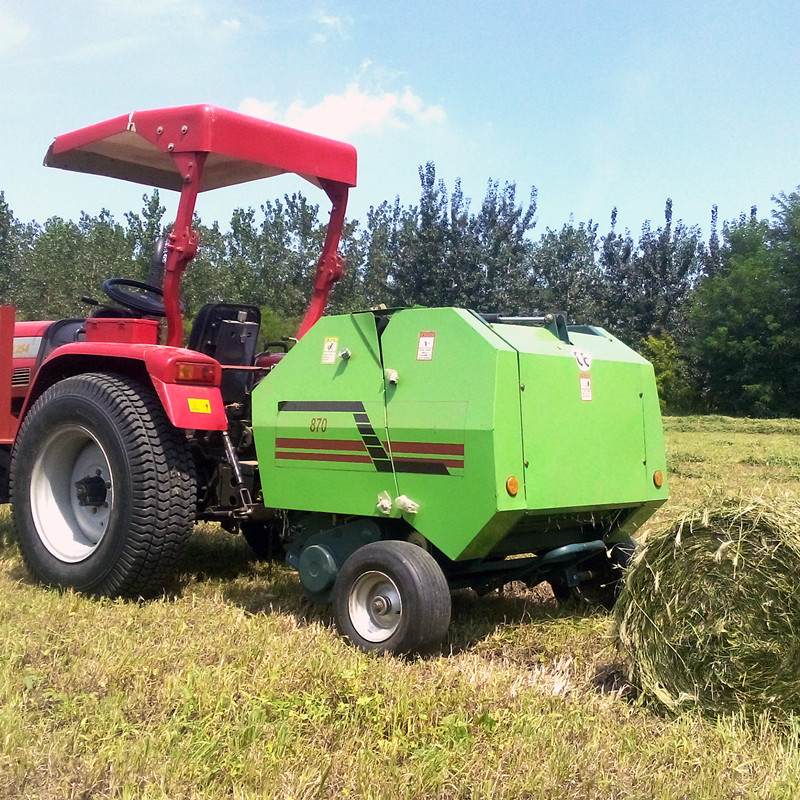
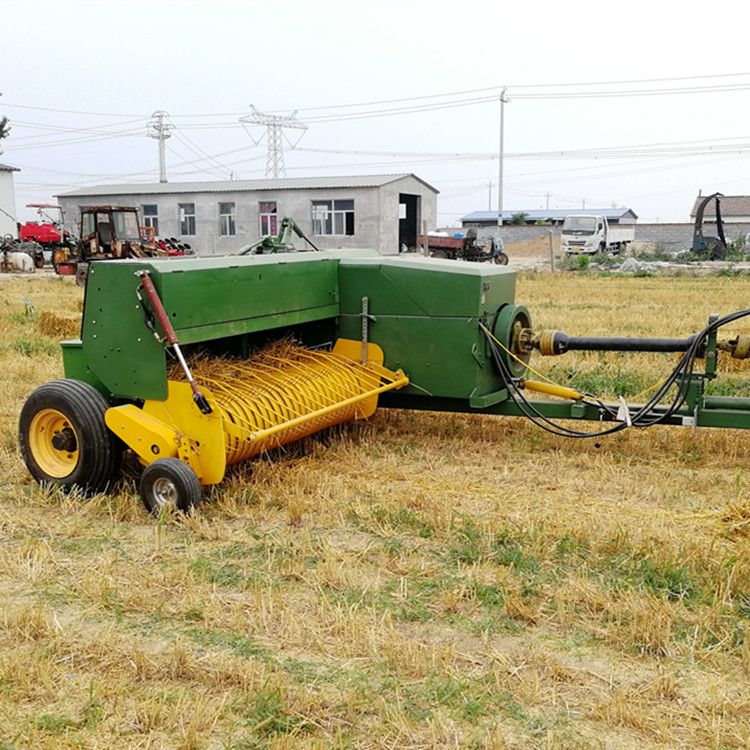
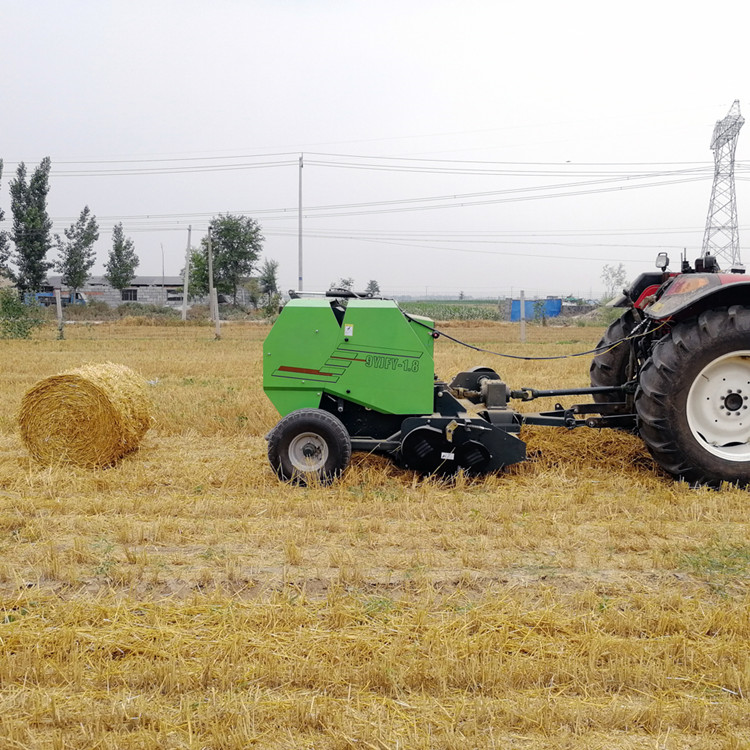
When specifying balers for import, matching the machine's capabilities to your target market's tractor horsepower (PTO) and crop types is essential.
| System Component | Round Balers | Square Balers |
|---|---|---|
| Compression Mechanism | Fixed chamber (rollers) or variable chamber (belts) | Plunger and compression chamber |
| Tying/Wrapping | Net wrap or twine tying systems | Knotter systems (heavy-duty twine) |
| Power Requirement | Typically 20 to 80+ HP depending on bale size | Often requires higher HP for the plunger mechanism |
| Drive System | Chain and sprocket, heavy-duty gearboxes | Direct drive shafts, massive flywheels |
The tying and wrapping systems are notoriously the most sensitive parts of the machine. In square balers, the knotter mechanism must operate flawlessly under high tension. In round balers, the net wrap system must distribute tension evenly across the bale's width. Buyers leveraging OEM/ODM services often customize these mechanisms or specify imported knotter units (such as Rasspe) on otherwise domestically manufactured frames to balance cost and reliability.
Need to verify a manufacturer's mechanical assembly standards? We evaluate factory capabilities to ensure your machinery performs flawlessly in the field.
Talk to our teamManufacturing Quality and Point of Failure Analysis
The difference between a baler that lasts a decade and one that fails in its first season comes down to metallurgy, machining precision, and hydraulic integrity. Many lower-tier factories assemble machines using off-the-shelf, low-grade bearings and unhardened steel in high-wear areas.
Executing thorough factory audits is critical before placing volume orders. You must verify the supplier's in-house capabilities versus what they outsource.
Critical Factory Evaluation Points
- Gearbox and PTO shaft sourcing: Verify torque ratings and internal gear metallurgy.
- Pickup tine durability: Ensure tines are made from high-carbon spring steel, not mild steel.
- Roller and belt alignment: Check the factory's calibration tools for chamber alignment.
- Hydraulic systems: Inspect for premium seals and pressure-tested cylinders to prevent field leaks.
- Chassis welding: Look for robotic welding or certified manual welding on high-stress frame joints.
Implementing rigorous quality control is non-negotiable. Pre-shipment inspections must include functional testing—running the PTO at operating speed, testing the hydraulic tensioners, and manually cycling the knotter or wrapping mechanism to check for timing issues.
Pricing, MOQs, and Logistics
Agricultural machinery is capital-intensive and logistically complex. Pricing is heavily influenced by steel commodity rates, the complexity of the knotter/wrapper, and the origin of the hydraulic components.
Because balers are bulky, shipping economics play a massive role in your landed cost. Standard round and square balers often consume significant container space. Shipping machines in an SKD (Semi-Knocked Down) state—where the drawbar, wheels, and pickup headers are detached—can double your container density. Coordinating shipping & freight with a partner experienced in heavy machinery consolidation ensures proper loading, lashing, and customs clearance without incurring demurrage or damage.
Struggling with high freight costs for oversized agricultural machinery? Let us optimize your packing and logistics strategy.
Get a free consultationBuyer FAQ
Securing a reliable supply of agricultural balers requires looking beyond the initial unit price and focusing on mechanical integrity, component sourcing, and optimized shipping densities. By carefully vetting factory capabilities and enforcing strict pre-shipment functional testing, importers can deliver field-ready machinery that builds brand reputation and minimizes costly after-sales support.
Get Sourcing Help for Baler
Tell us your requirements and our experts will connect you with verified manufacturers.