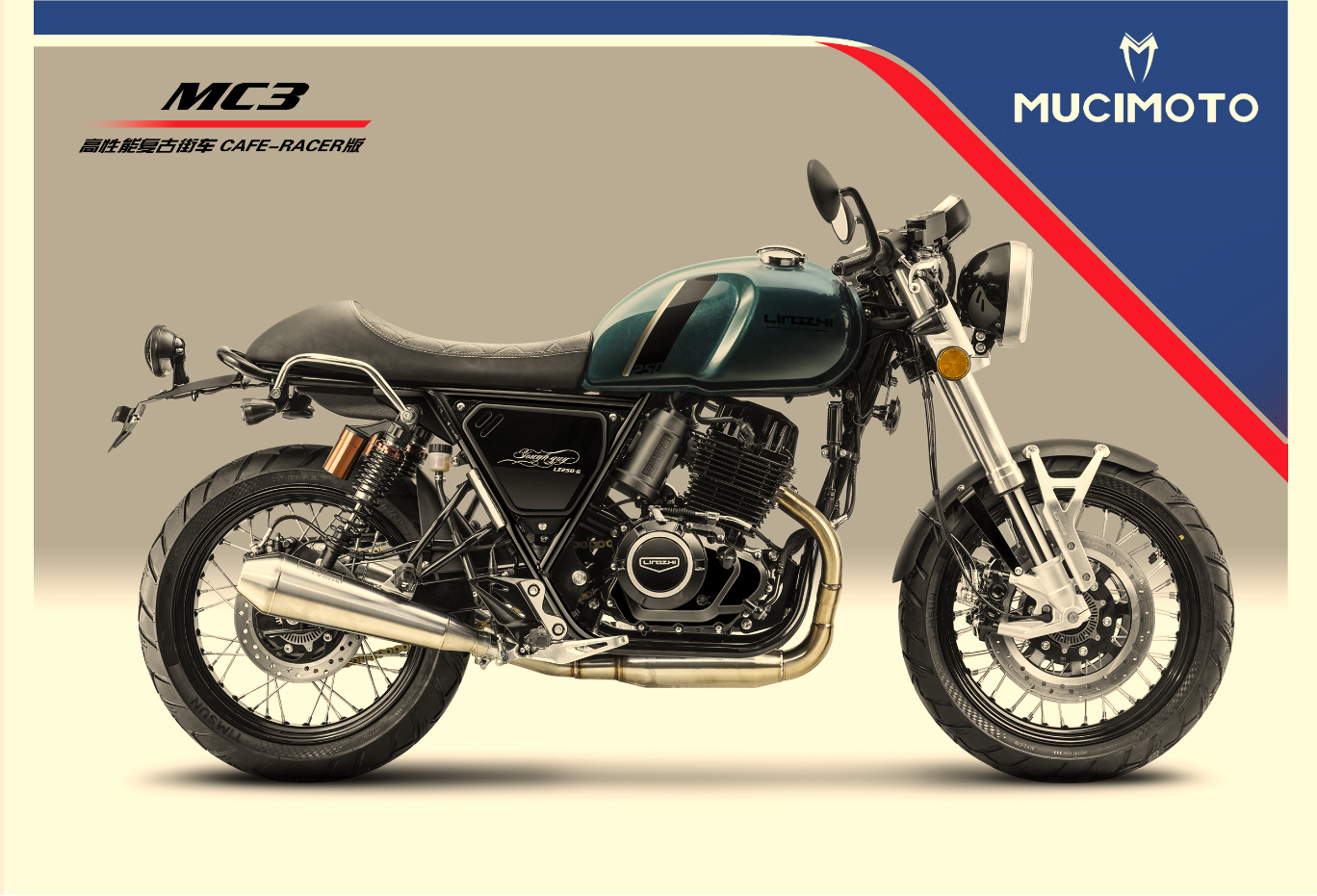
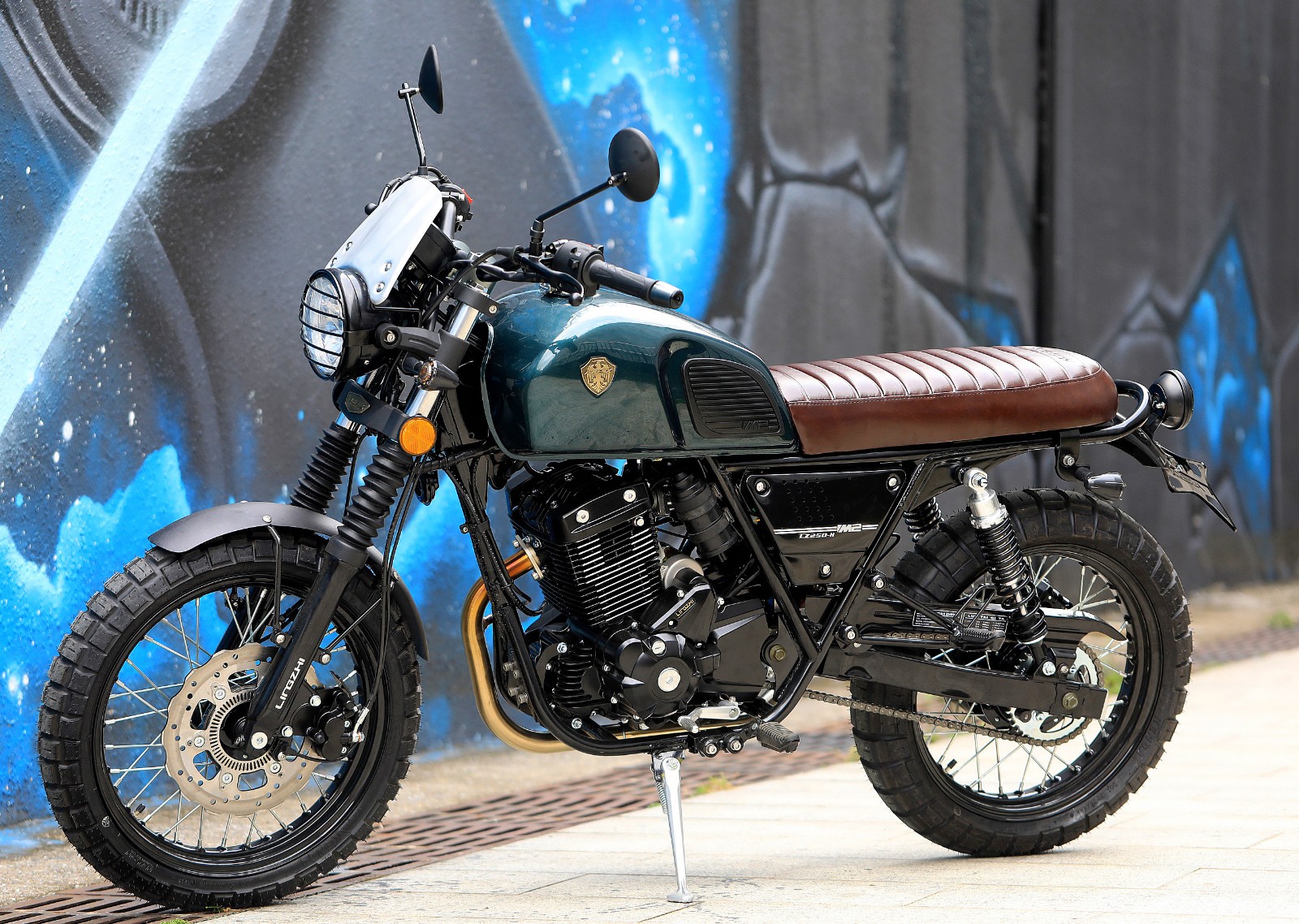
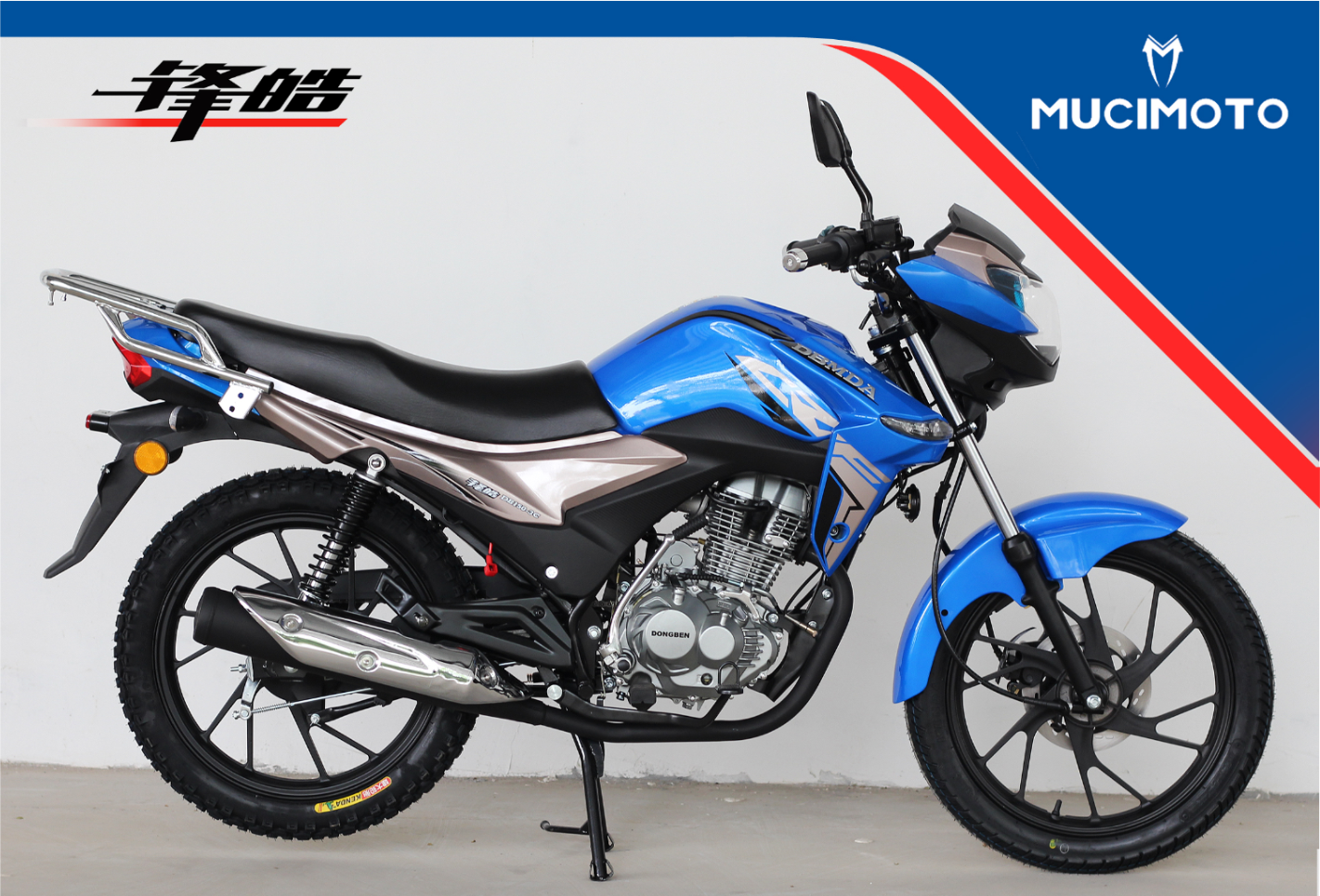
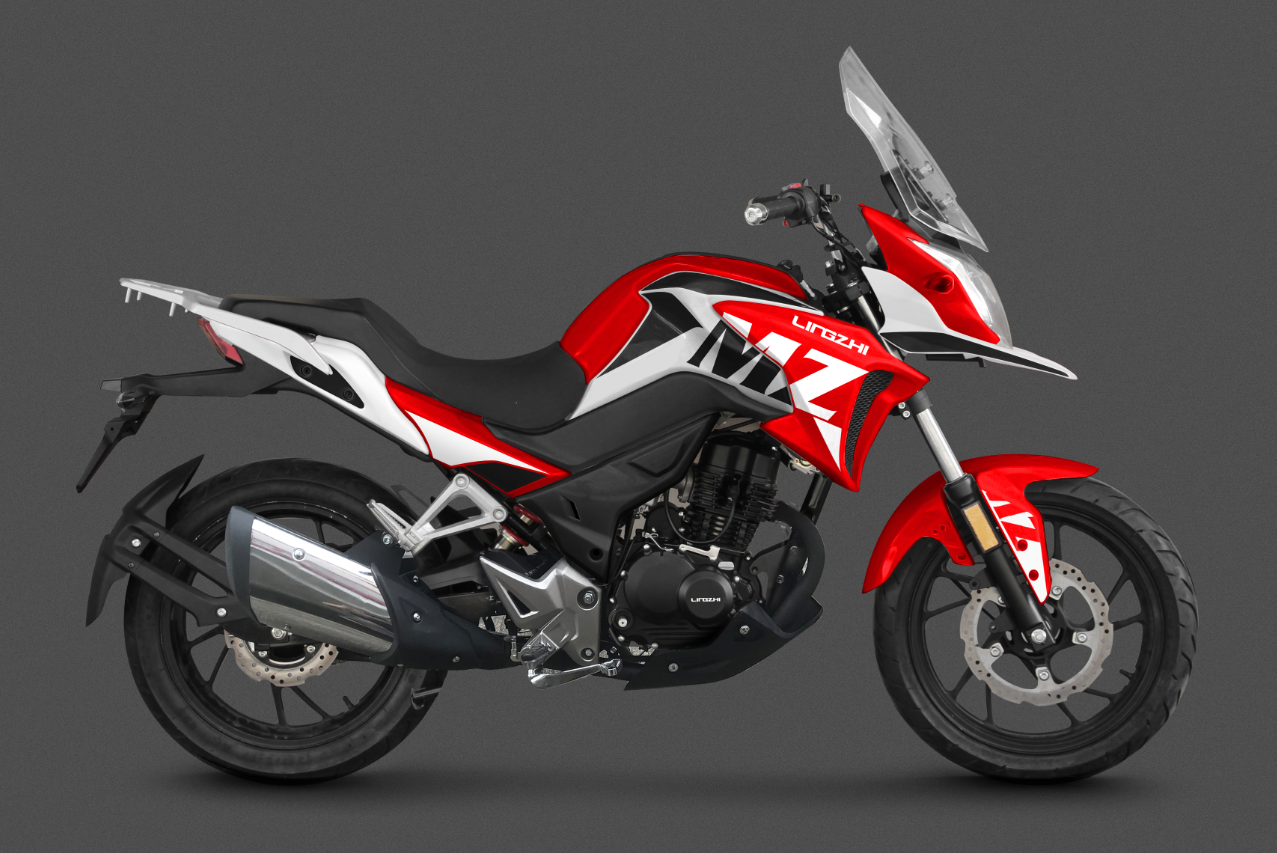
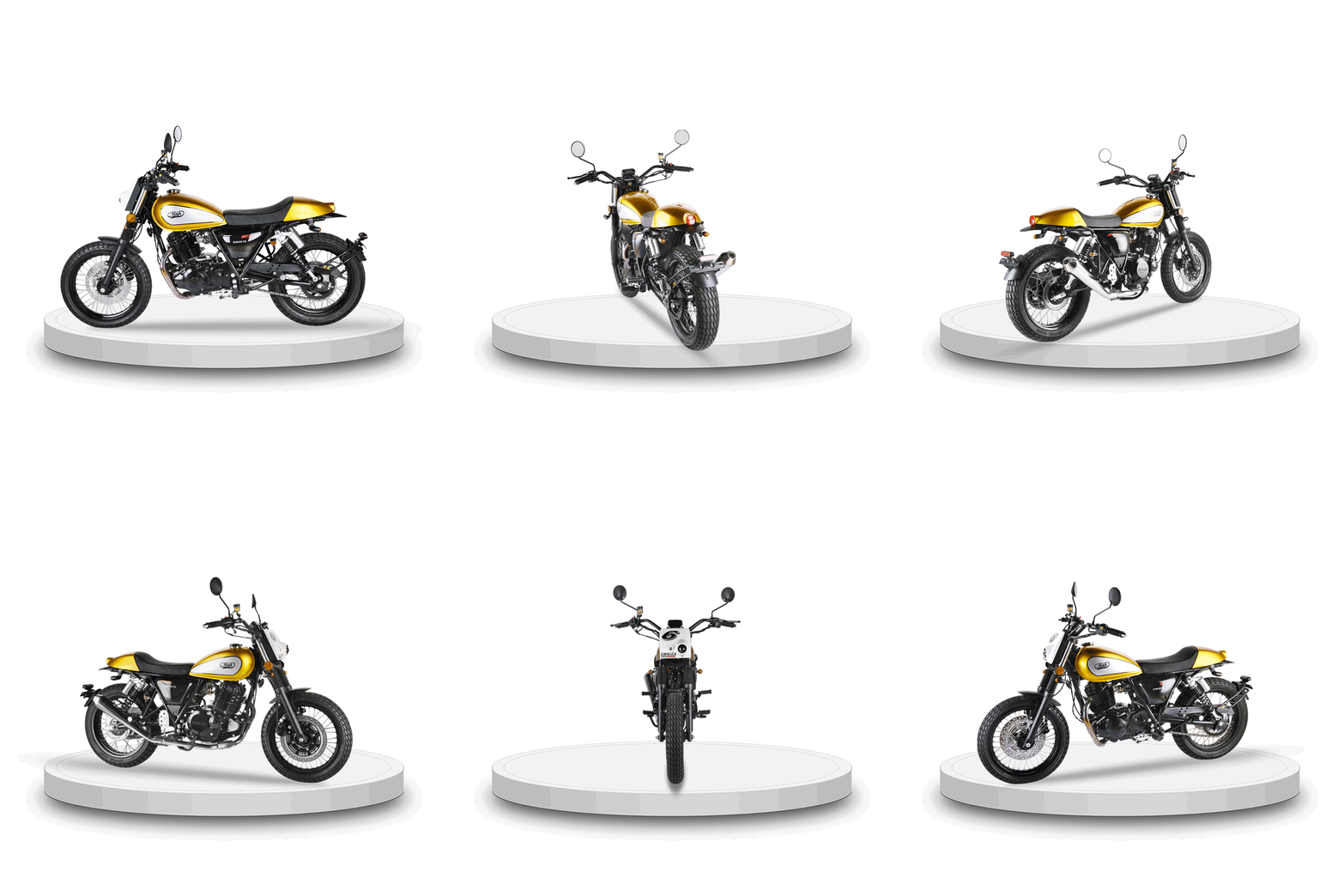
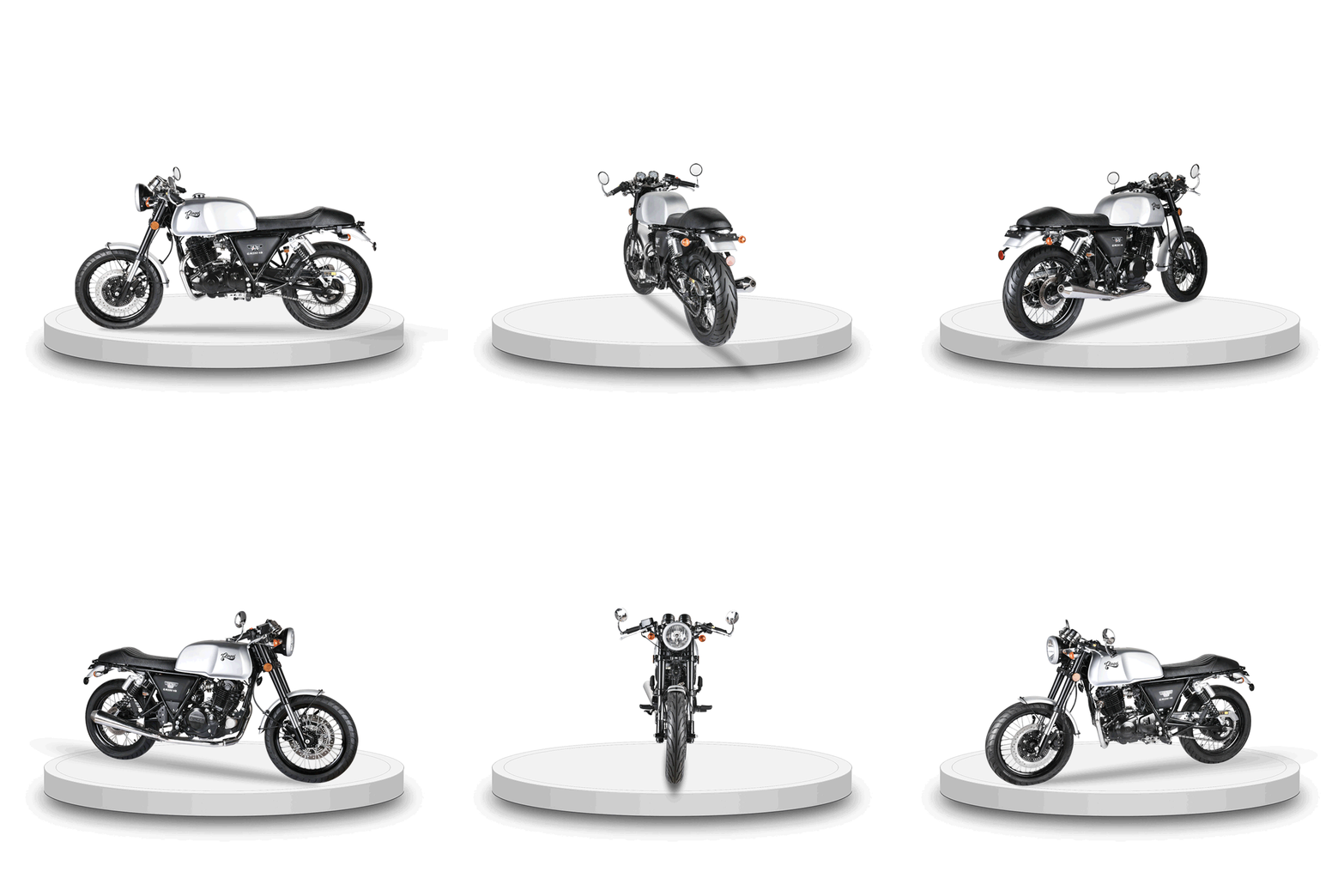
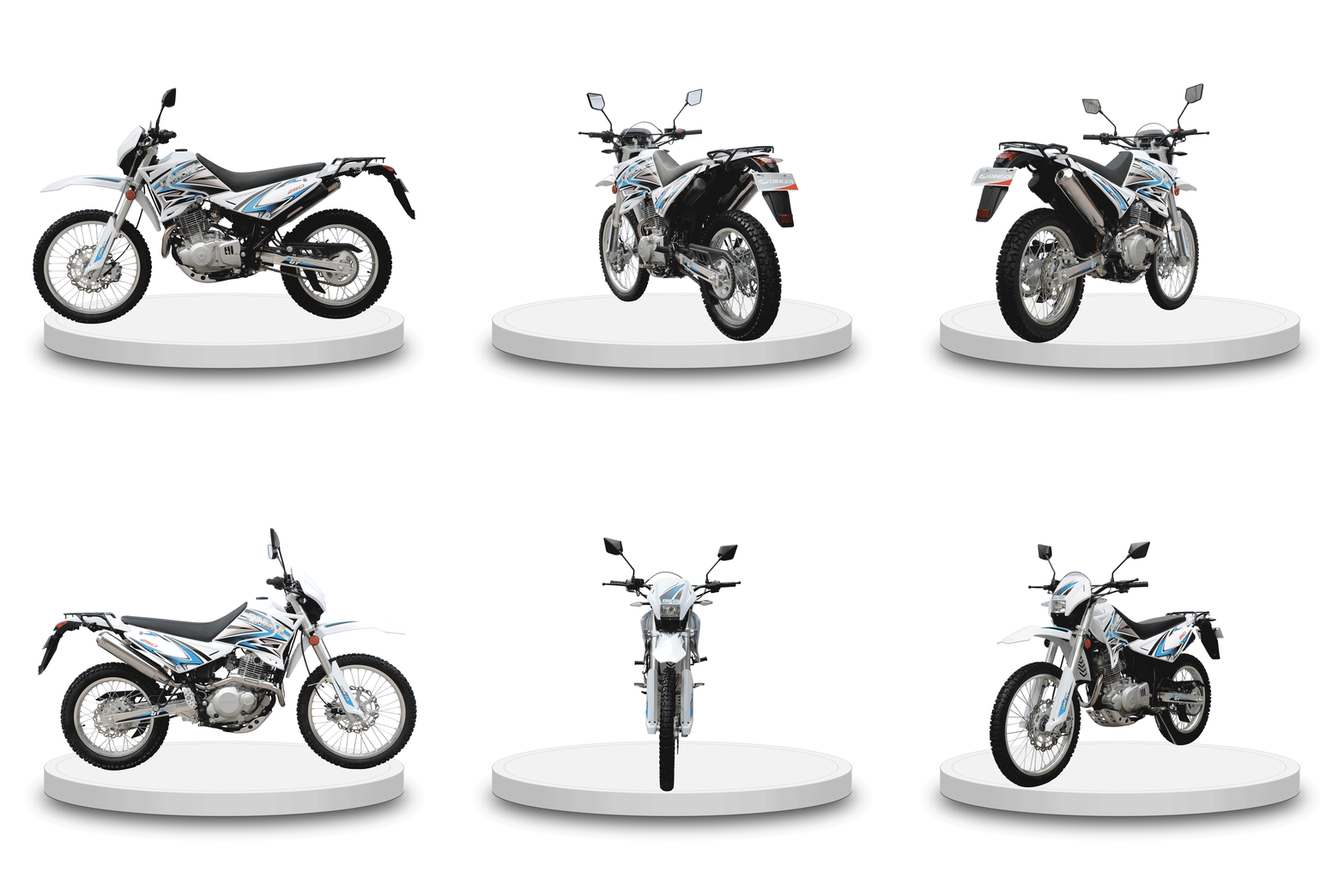
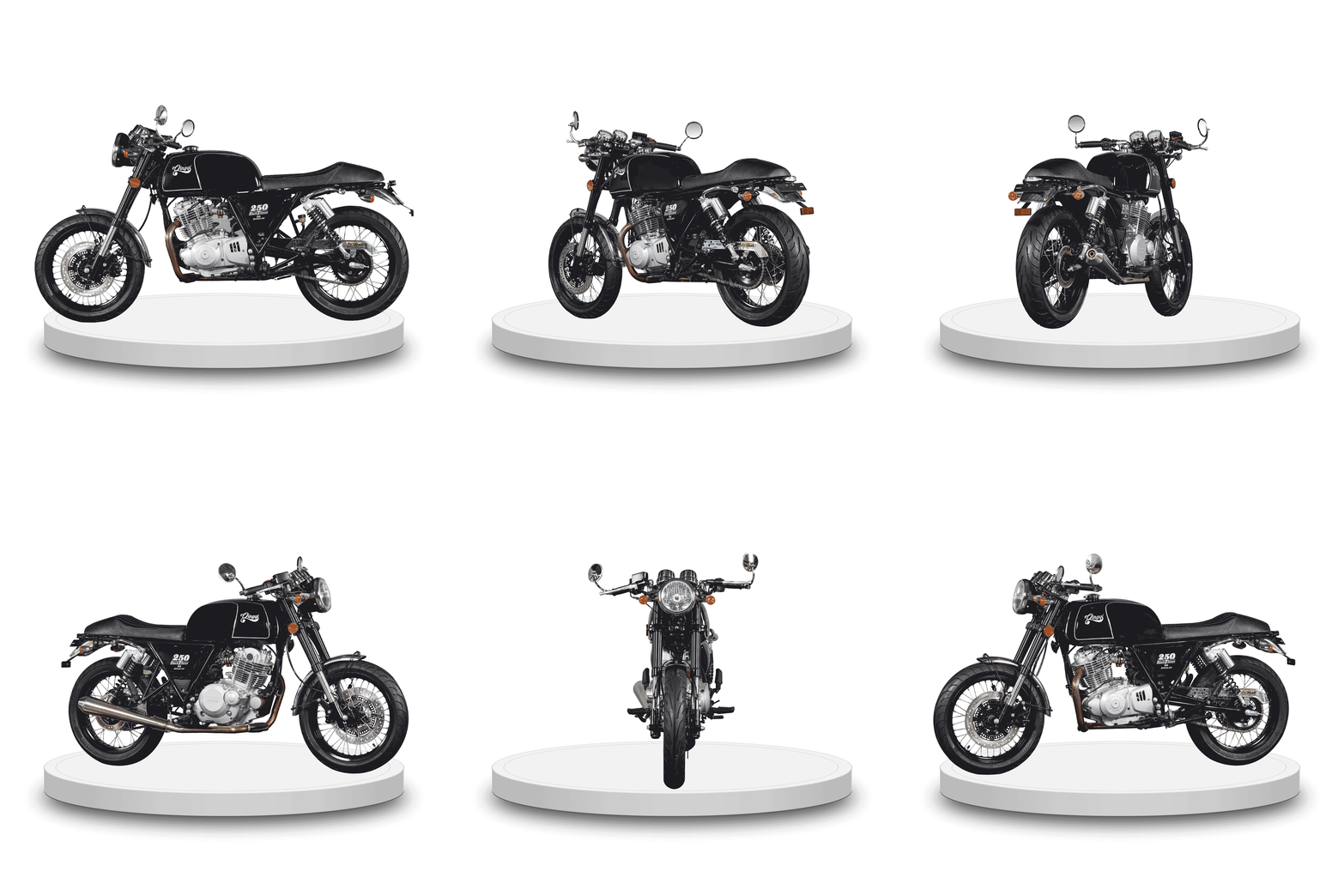
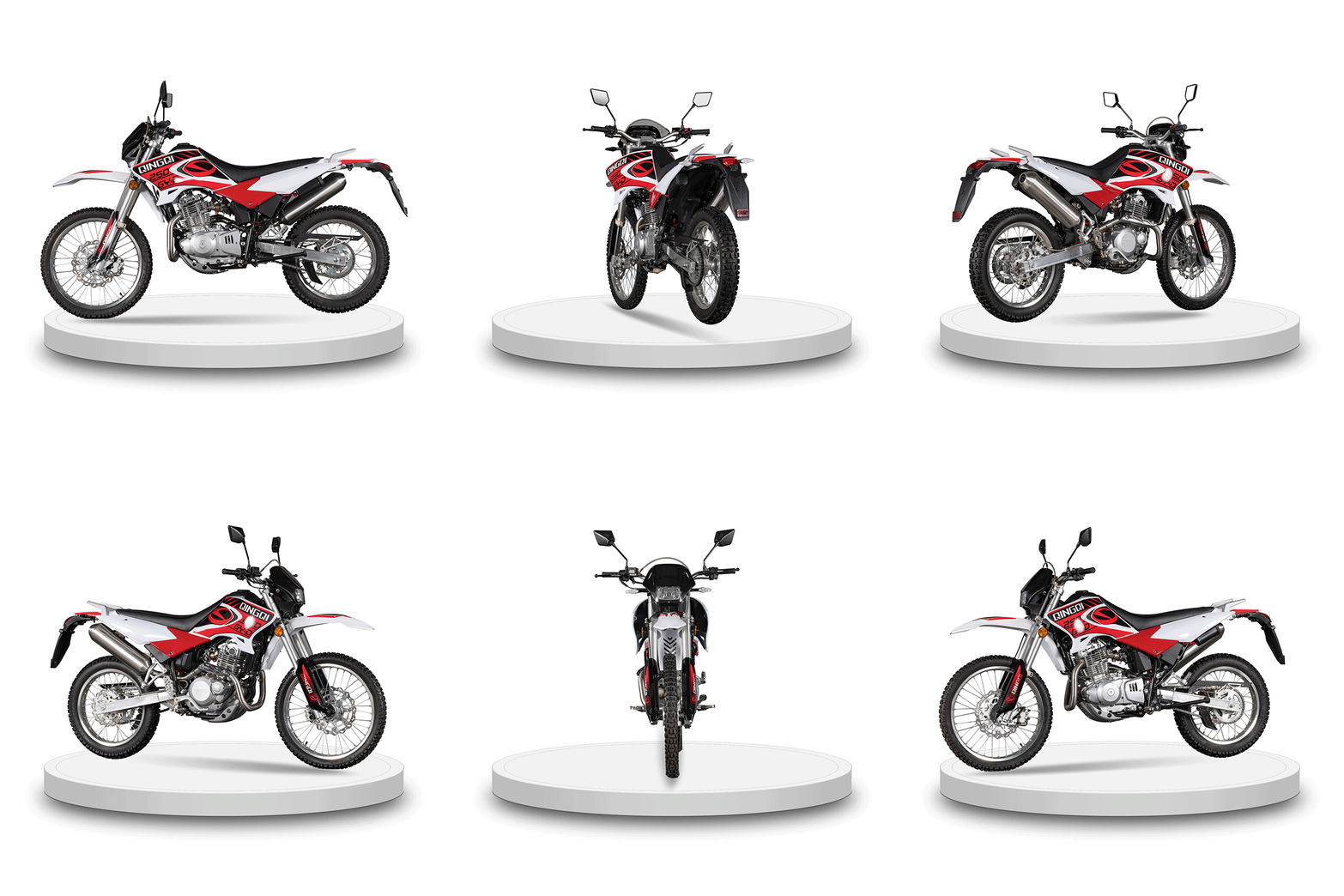
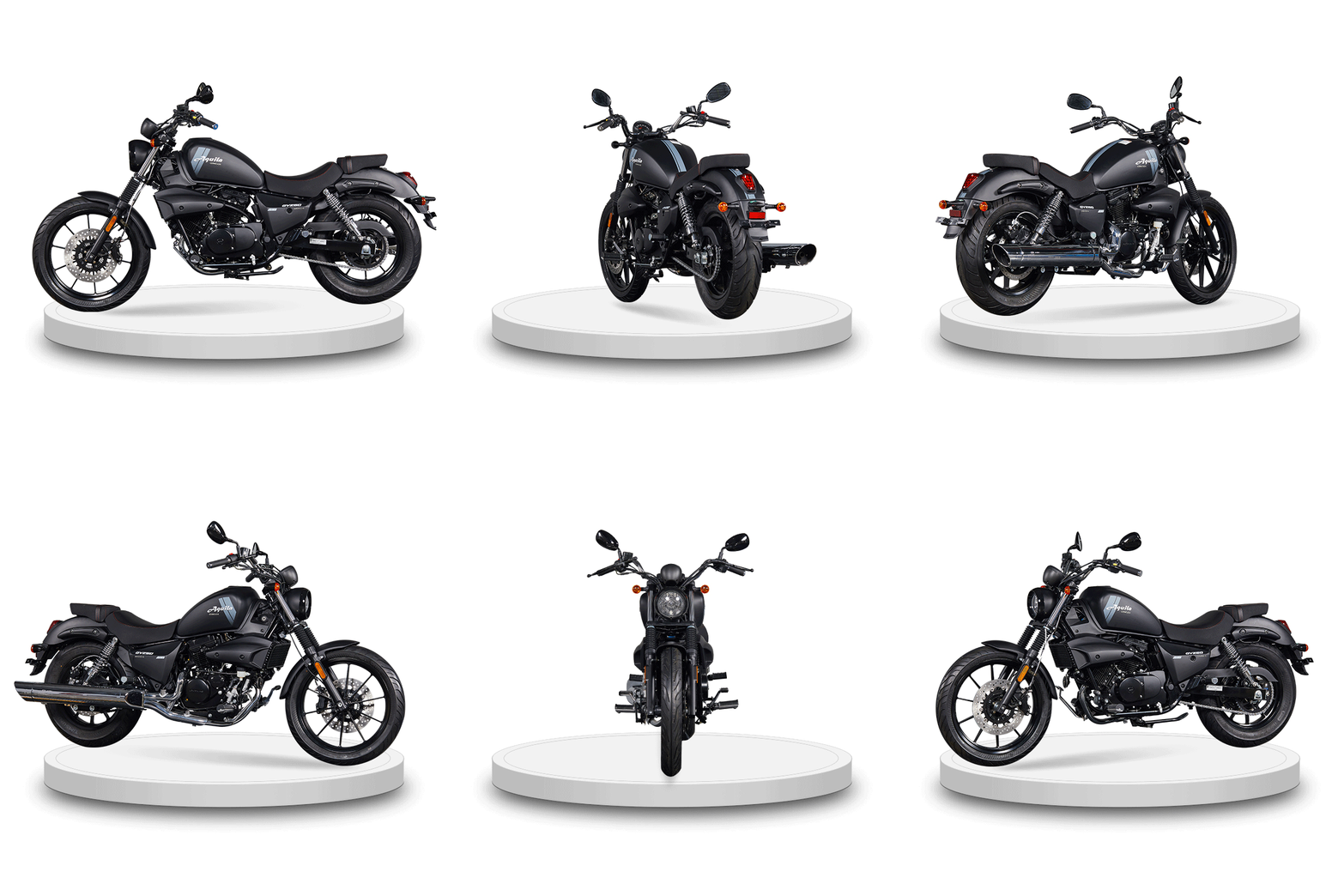
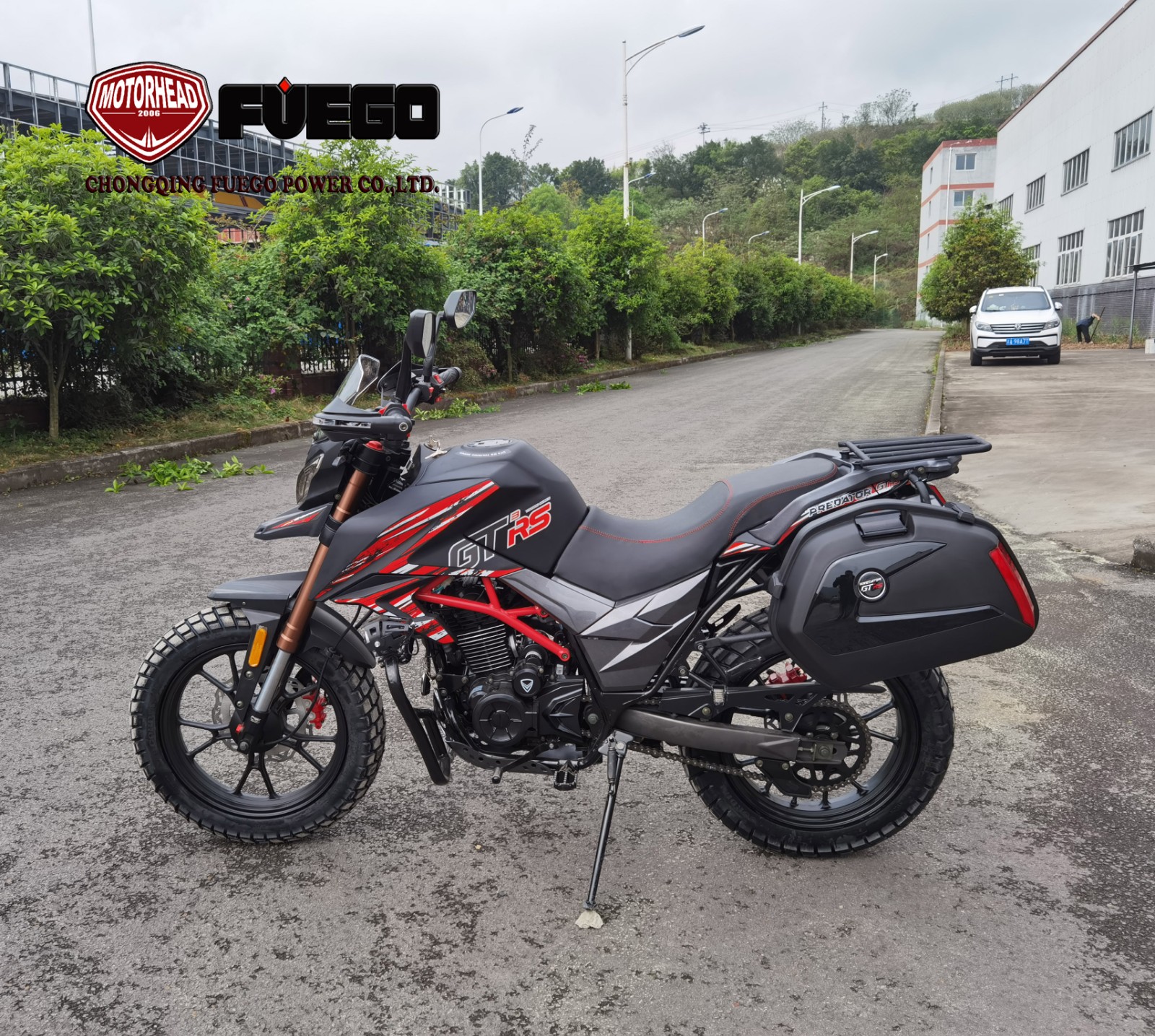
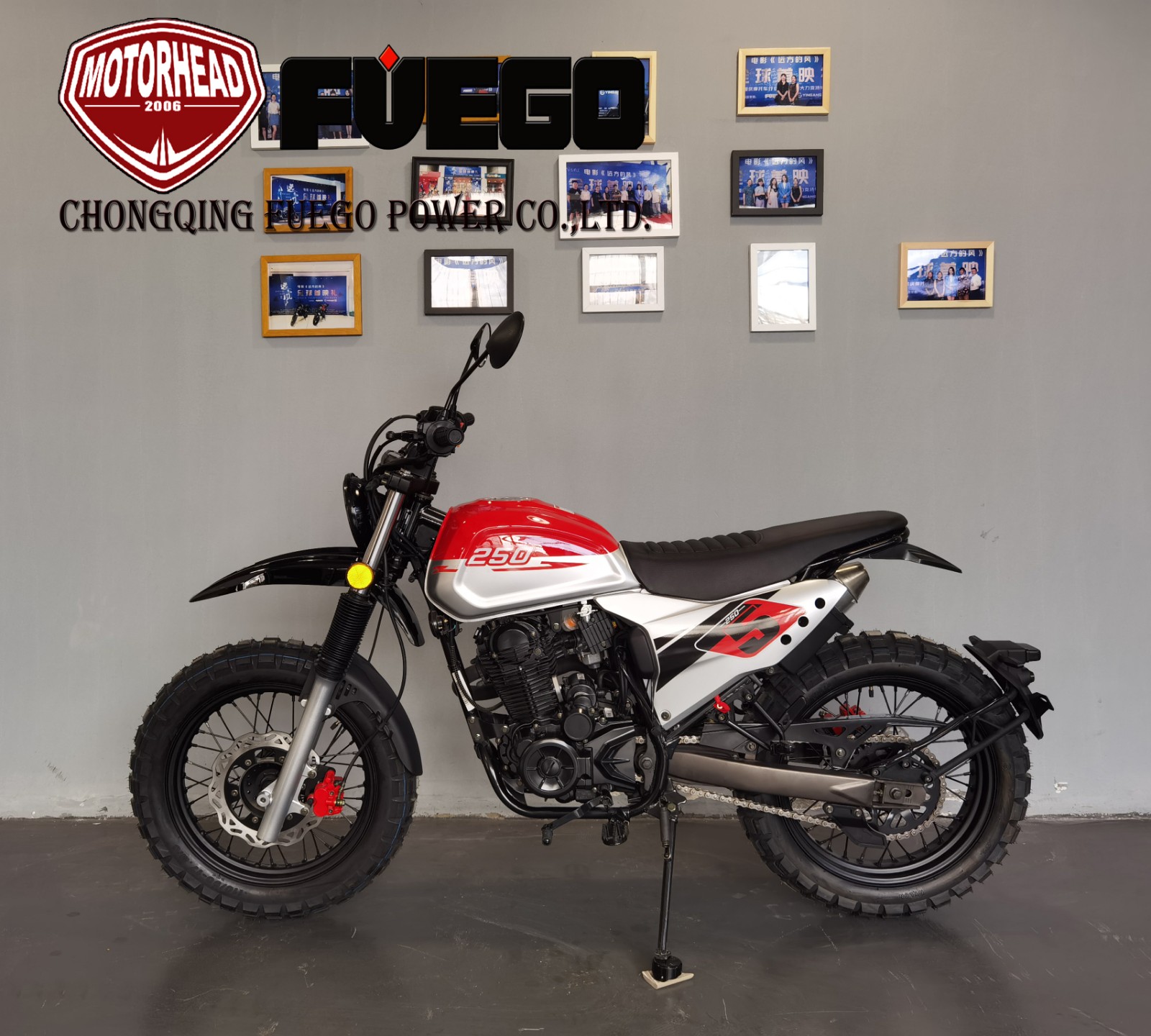
200cc-250cc
Source reliable 200cc-250cc motorcycles directly from vetted manufacturers and wholesale suppliers. Built for importers, distributors, and brands seeking high-volume OEM or private-label production, this category covers robust mid-displacement bikes engineered for global markets.
The 200cc to 250cc displacement class represents the strategic sweet spot for many global motorcycle markets. These engines offer the necessary power for highway commuting and light commercial use while maintaining the fuel efficiency and accessible price points required in emerging and price-sensitive markets. Sourcing in this category requires strict attention to engine architecture, frame durability, and the specific homologation requirements of your target market.
Specifying 200cc-250cc Motorcycles for Volume Manufacturing
When negotiating with manufacturers, the "250cc" label is just a starting point. The actual performance, longevity, and unit cost depend entirely on the specific engine and chassis configurations you mandate on the build sheet.
Engine Architecture and Cooling
Most engines in this class are single-cylinder, four-stroke units, but the variations are significant. You will need to specify:
- Valve Train: Overhead Valve (OHV) engines are cheaper and easier to maintain in developing markets, while Overhead Cam (OHC) engines provide better high-RPM performance and smoother operation.
- Cooling Systems: Air-cooled engines dominate the budget segment due to simplicity. Oil-cooled variants add a radiator for better thermal management under heavy loads. Liquid-cooled engines are mandatory for high-performance sport and dirt variants but increase the unit cost and maintenance complexity.
- Balance Shafts: For engines over 200cc, an internal balance shaft is highly recommended to reduce chassis vibration, preventing premature fatigue in frame welds and plastic mounts.
Need help matching engine specifications to your market's durability requirements and price targets?
Talk to our teamFuel Delivery and Homologation
The shift from carbureted to Electronic Fuel Injection (EFI) systems is the largest driver of cost and compliance in the 250cc class.
| Feature | Carburetor | Electronic Fuel Injection (EFI) |
|---|---|---|
| Emissions Compliance | Euro 3 / EPA off-road (often) | Euro 4 / Euro 5 / EPA street |
| Unit Cost Impact | Baseline | Adds $100 - $250+ per unit |
| Maintenance | Field-serviceable with basic tools | Requires diagnostic equipment |
| Fuel Efficiency | Standard | Up to 20 percent better |
If your market requires strict emissions compliance (like Euro 5 or DOT/EPA approval), EFI is non-negotiable. You must also verify if the factory uses proprietary EFI systems or recognized brands like Delphi or Bosch, which offer better reliability and easier sourcing of replacement sensors. For assistance navigating these regulatory hurdles, Compliance & Testing services ensure your units clear customs without issue.
Quality Control and Assembly Standards
Quality in the 200cc-250cc tier varies wildly between Tier 1 export-focused manufacturers and domestic-market assemblers. The difference is often found in the frame welding and the engine assembly environment.
Robotically welded frames offer consistent penetration and fewer stress-fracture points compared to manual welding. During Factory Audits, it is critical to verify the supplier's frame fatigue testing protocols and whether they assemble engines in a positive-pressure clean room to prevent particulate contamination.
Critical Pre-Shipment Inspection Points
- Engine run-in testing (dyno) for abnormal vibration or oil leaks
- Torque verification on critical chassis and swingarm bolts
- Wiring harness routing (checking for pinch points near the steering stem)
- Suspension seal integrity and damping consistency
- Paint and plastic UV-coating thickness (measured in microns)
Implementing rigorous Quality Control & Inspection before the containers are loaded is the only way to prevent costly warranty claims in your home market.
Packaging Logistics: CBU, SKD, and CKD
How your motorcycles are packaged dictates your shipping costs, import duties, and final assembly requirements.
- CBU (Completely Built Up): The motorcycle is fully assembled. Lowest domestic labor cost, but highest shipping cost as fewer units fit in a container.
- SKD (Semi-Knocked Down): The front wheel, handlebars, and mirrors are removed. Strikes a balance between container density and ease of final assembly.
- CKD (Completely Knocked Down): Every component is packed individually. Maximizes container capacity and often qualifies for significantly lower import tariffs, but requires a full assembly line in the destination country.
Pricing, MOQs, and Lead Times
While exact pricing fluctuates with raw material costs (steel, aluminum) and currency exchange rates, the mechanics of buying at scale remain consistent. Most factories require orders by the container load to justify production runs.
If you are leveraging OEM/ODM Services to apply custom branding, unique plastics, or upgraded suspension components, expect lead times to extend by 15 to 30 days for the initial production run to account for mold creation and sample approval.
Ready to negotiate pricing and optimize your container loading strategy for your next order?
Get a free consultationFrequently Asked Questions
Success in sourcing 200cc-250cc motorcycles relies on moving beyond aesthetic choices to mandate specific mechanical tolerances and packaging strategies. By controlling the bill of materials and enforcing strict pre-shipment inspections, you can deliver a reliable product that builds your brand's reputation in the market.
Get Sourcing Help for 200cc-250cc
Tell us your requirements and our experts will connect you with verified manufacturers.