Vegetable Cutters
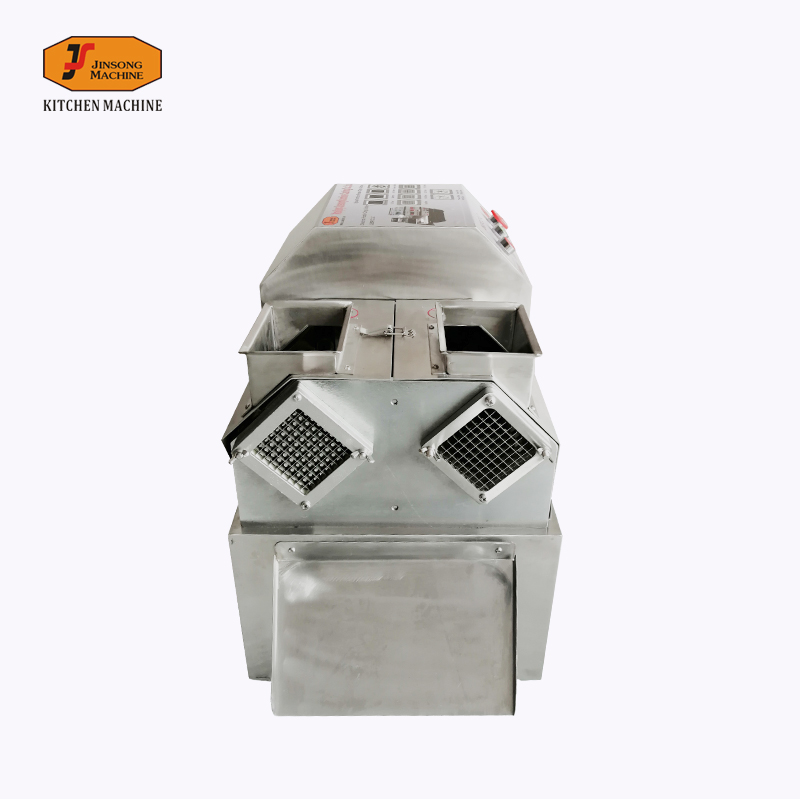
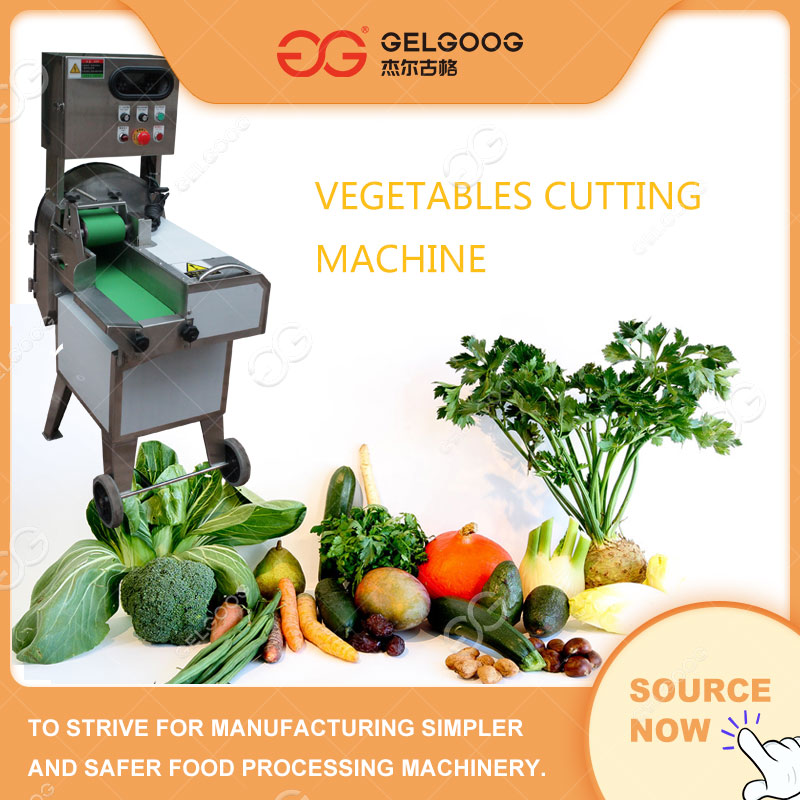
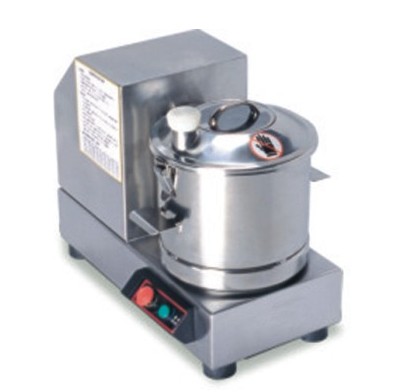
Source industrial vegetable cutters from vetted suppliers and manufacturers. Built for importers, wholesalers, distributors, and equipment brands seeking reliable OEM and private-label production. Find bulk pricing, custom configurations, and high-capacity food processing machinery built to international safety standards.
Sourcing industrial vegetable cutters requires balancing throughput capacity with strict food safety compliance. For commercial kitchens, food processing plants, and agricultural facilities, equipment failure isn't just an inconvenience—it halts production and risks spoilage. When importing these machines in bulk, success depends on validating motor durability, blade metallurgy, and sanitary design at the factory floor level before production begins.
Key Technical Specifications for Bulk Buyers
Not all vegetable processing machines are built to the same standard. When negotiating with manufacturers, you must define the exact specifications of the core components to avoid receiving underpowered or non-compliant equipment.
Motor and Drive Systems
The motor is the failure point for most low-tier commercial cutters. Specify pure copper-wound induction motors for continuous industrial use. Brushed motors will burn out quickly under heavy loads (like dicing dense root vegetables). You must also define the transmission type: direct-drive systems offer better torque and fewer maintenance issues compared to belt-driven models, which can slip under heavy loads.
Metallurgy and Food-Contact Surfaces
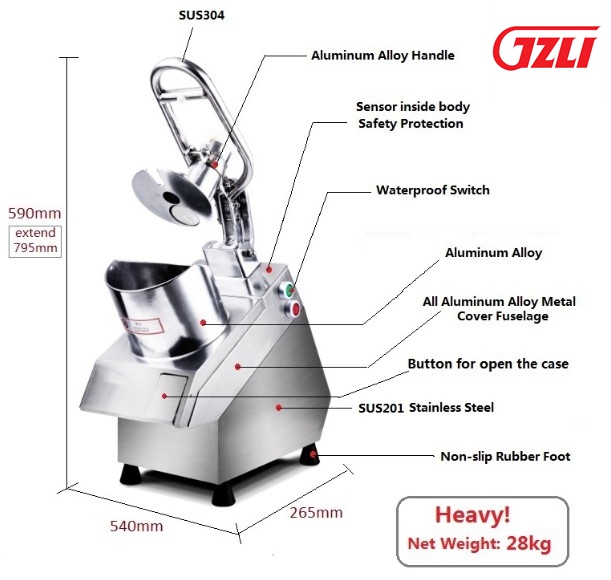
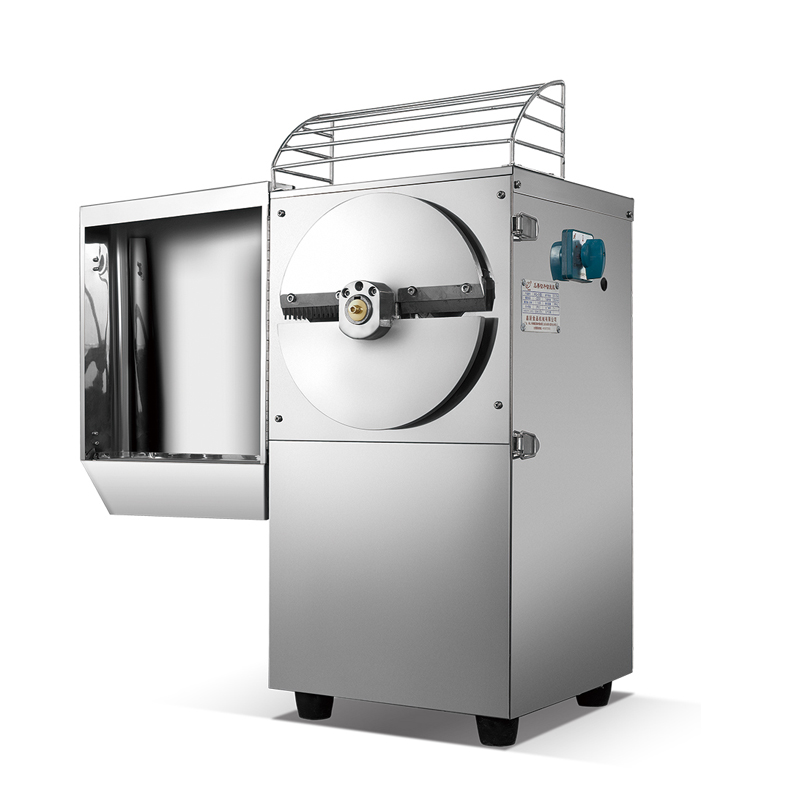
The housing and food-contact areas must be manufactured from 304 stainless steel (SUS304) at a minimum to resist corrosion from acidic vegetable juices. For extreme environments, specify 316 stainless steel. Blades should be forged from high-carbon stainless steel (such as 420J2 or 440C) and hardened to at least HRC 50-55 to maintain an edge during high-volume processing.
| Specification | Standard Commercial | Heavy Industrial |
|---|---|---|
| Typical Throughput | 150 to 300 kg/hr | 500 to 1,500+ kg/hr |
| Motor Power | 0.5 to 1 HP (0.37-0.75 kW) | 2 to 5+ HP (1.5-3.7+ kW) |
| Housing Material | 201 or 304 Stainless Steel | Thick-gauge 304 or 316 Stainless |
| IP Rating (Water) | IP54 (Splash resistant) | IP65 or IP67 (Washdown safe) |
Manufacturing Quality and Factory Validation
A factory's ability to produce a prototype does not guarantee consistent bulk production. The critical manufacturing variables for food machinery are welding quality and electrical safety compliance.
Food-grade machinery requires seamless TIG welding. Any pits, crevices, or rough grinding marks in the hopper or discharge chute will harbor bacteria, causing the machine to fail health inspections in your target market. Furthermore, electrical components must meet the regulatory standards of your destination country (CE for Europe, UL/ETL for North America). Do not assume a factory holds these certifications for every model; they often apply to specific components or older designs.
Conducting thorough Factory Audits is essential to verify a manufacturer's metal fabrication capabilities, their access to certified electrical components, and their internal quality management systems.
Need to verify a machinery manufacturer's capabilities? We conduct rigorous on-site audits to ensure they meet your technical and compliance standards.
Talk to our teamPre-Shipment Inspection Focus Areas
When executing Quality Control & Inspection, your inspectors should look beyond basic functionality.
Critical Inspection Points for Vegetable Cutters
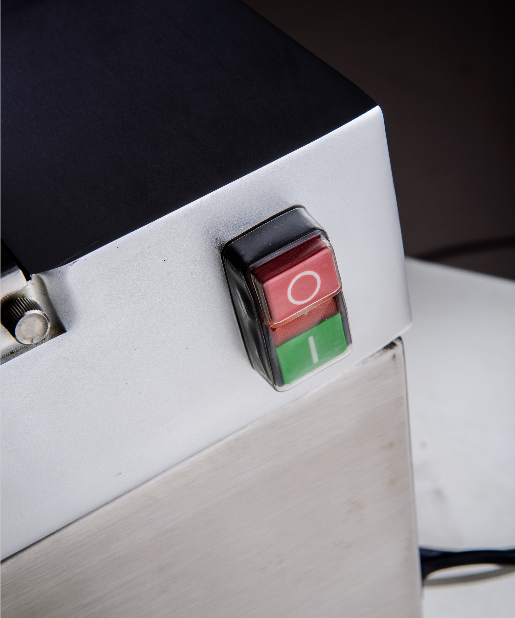
- Verify IP washdown ratings on all electrical enclosures and switches.
- Inspect all food-contact welds for seamless, polished finishes (no pitting).
- Test safety interlocks (magnetic switches on hoppers and pushers).
- Measure blade hardness (HRC) and verify steel grade via spectrometer.
- Run continuous load tests to monitor motor temperature and vibration.
Sourcing Mechanics: MOQs, Pricing, and Customization
The manufacturing landscape for food processing machinery is heavily concentrated in China's coastal provinces, particularly Guangdong, Zhejiang, and Shandong. Pricing and minimum order quantities (MOQs) vary significantly based on the level of customization and the grade of materials used.
OEM and Private Labeling
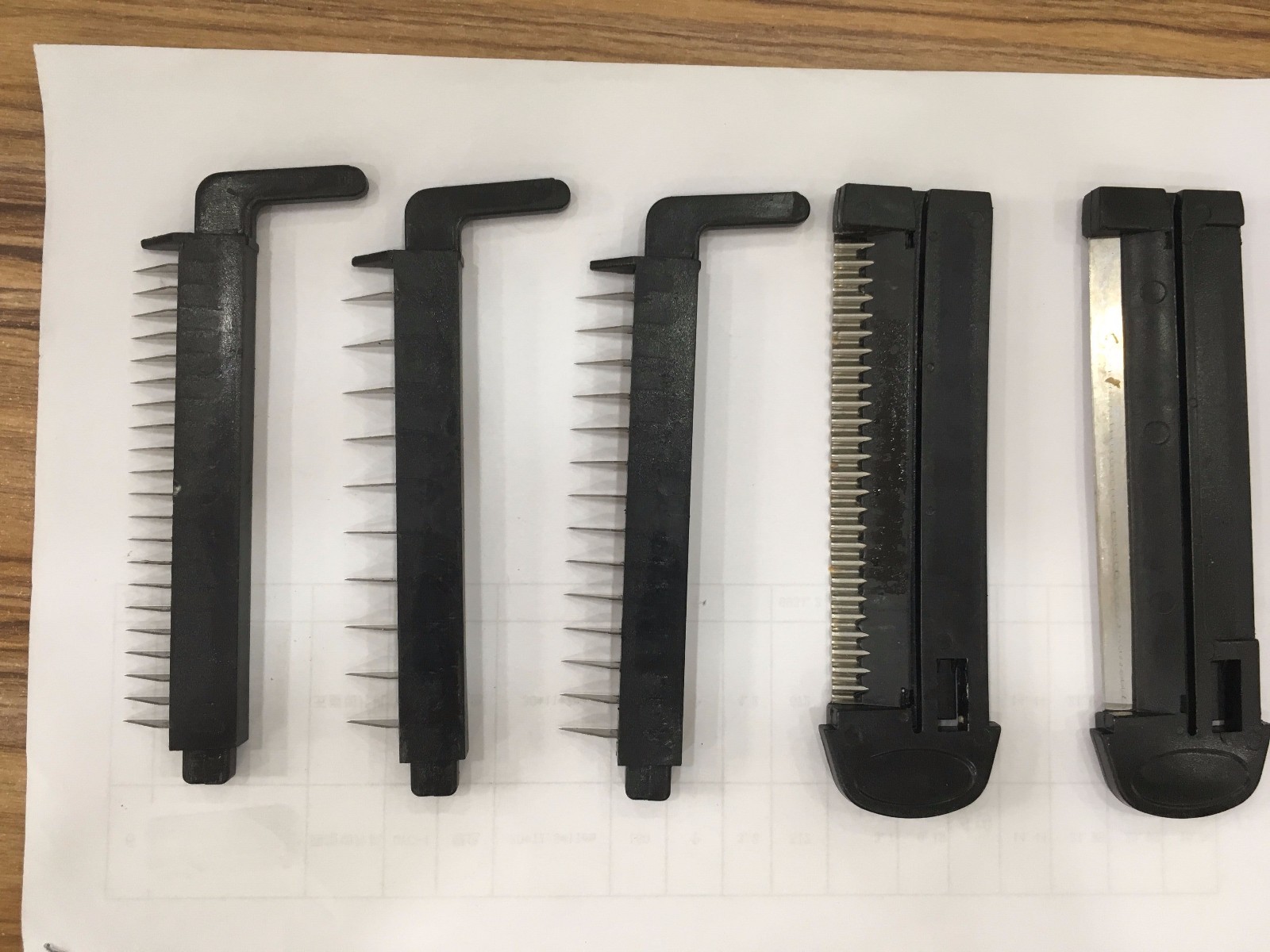
If you are an equipment brand looking to expand your catalog, utilizing OEM/ODM Services allows you to customize the machine's aesthetics, safety features, and blade configurations. Customization often involves developing proprietary dicing grids or slicing discs tailored to regional cuisine requirements. Be prepared to cover tooling costs for custom cast parts or specialized blade assemblies.
Managing custom machinery production overseas is complex. Let us handle the engineering translation, supplier negotiation, and quality control.
Get a free consultationBuyer FAQ
Procuring industrial vegetable cutters at scale requires strict attention to motor specifications, sanitary design, and regulatory compliance. By defining your technical requirements clearly and enforcing rigorous quality control at the factory, you can secure reliable, high-margin equipment for your market.
Get Sourcing Help for Vegetable Cutters
Tell us your requirements and our experts will connect you with verified manufacturers.