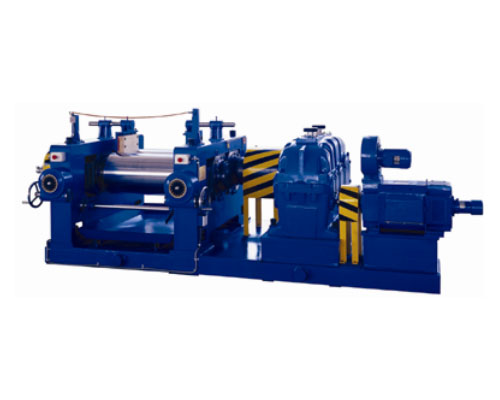
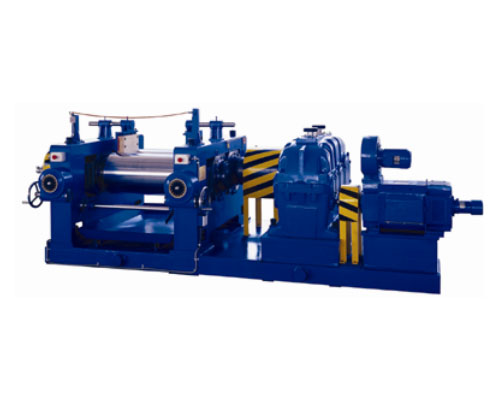
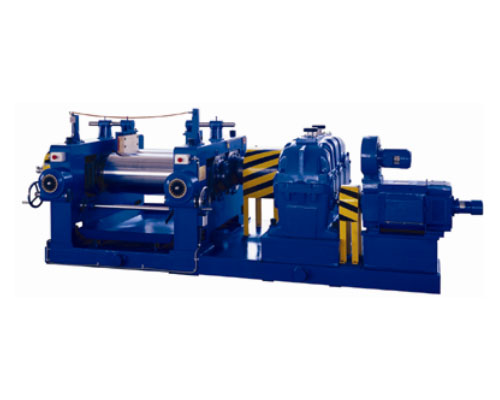
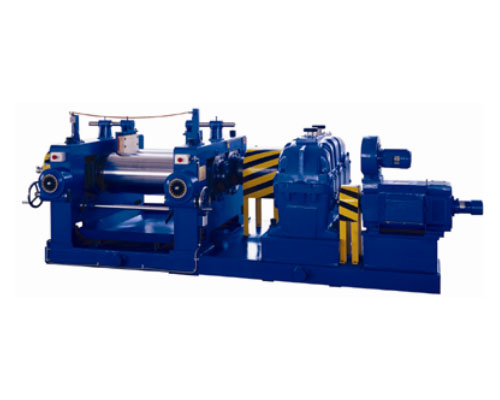
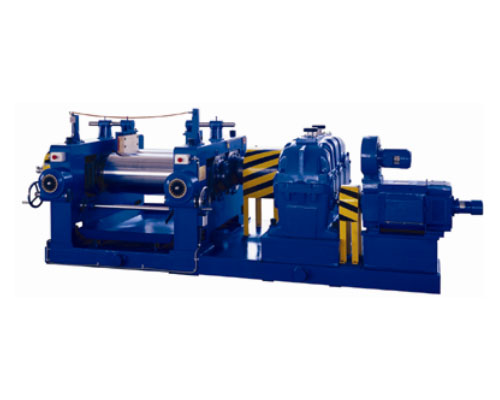
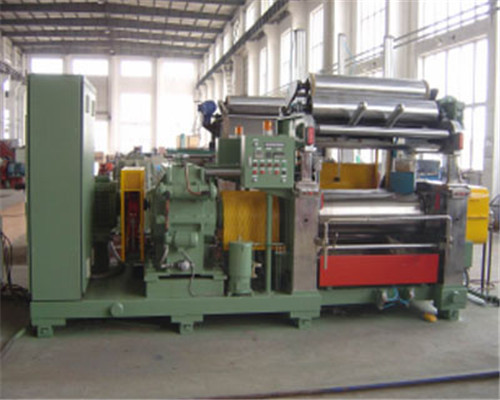
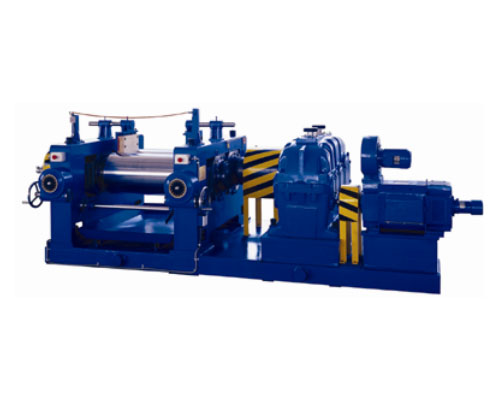
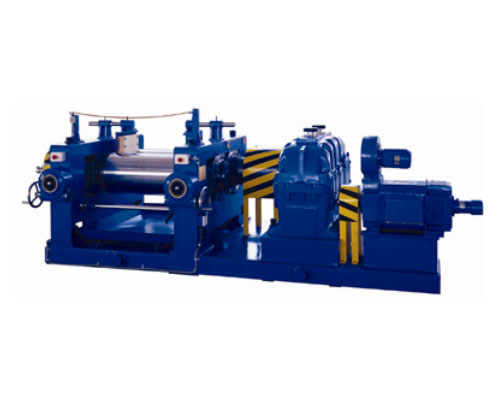
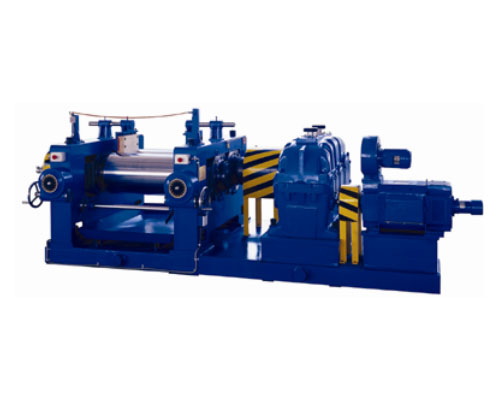
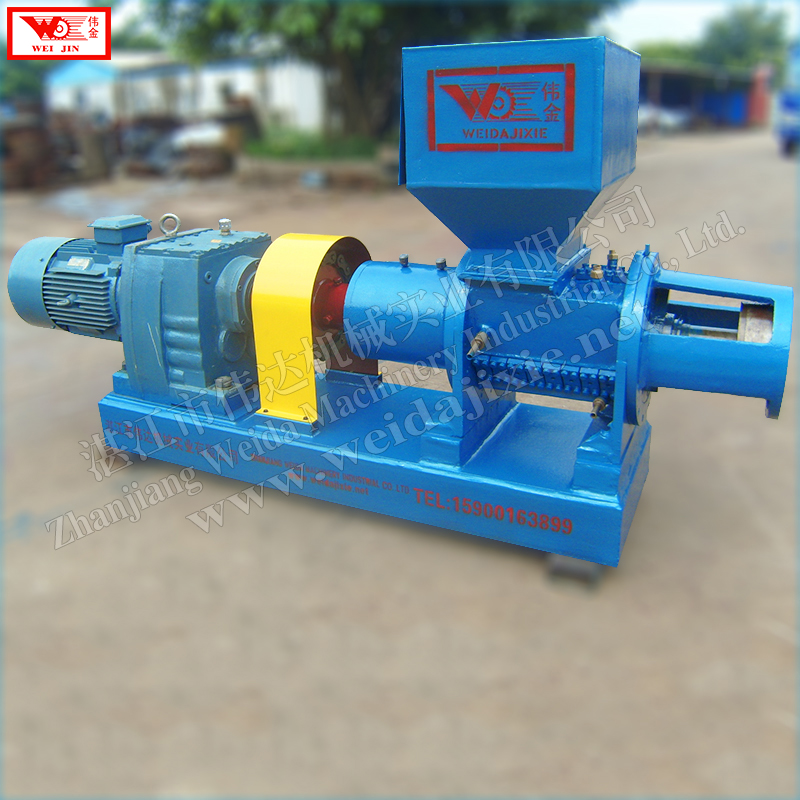
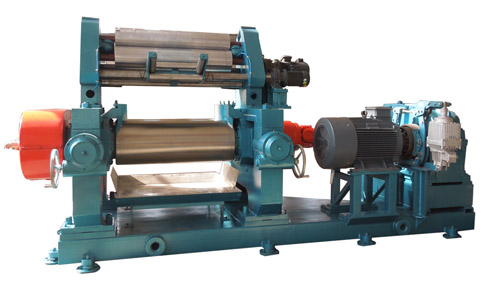
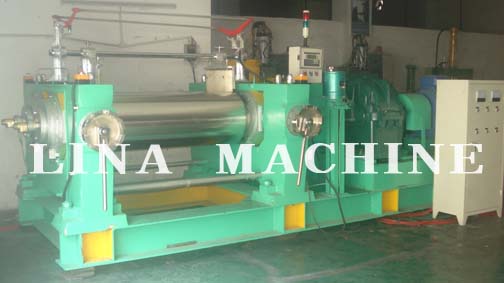
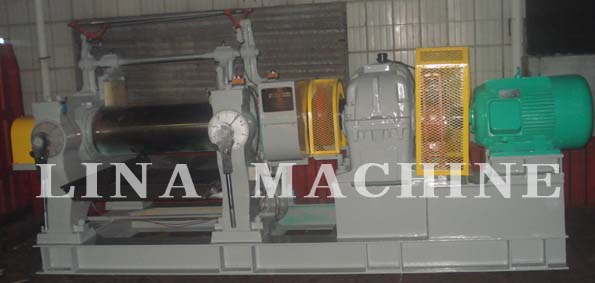
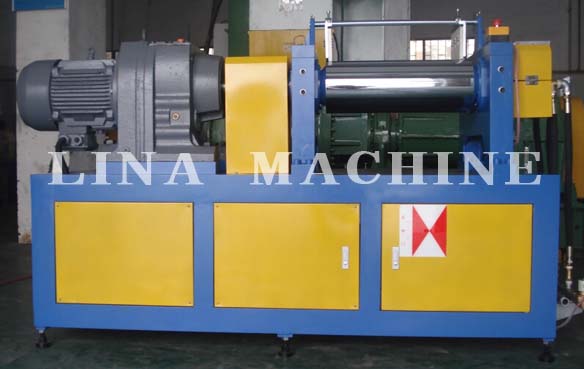
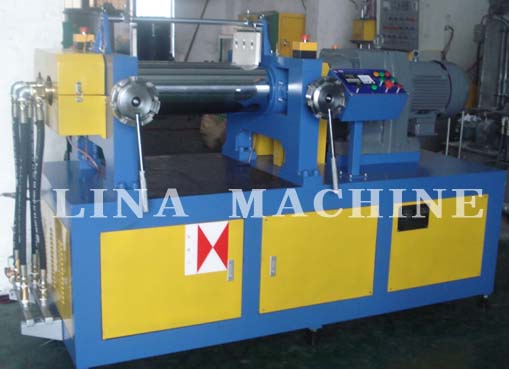
Rubber Two-Roll Mills
Source industrial-grade Rubber Two-Roll Mills from vetted suppliers and manufacturers in China and across Asia. Designed for heavy machinery importers, specialized distributors, and manufacturing brands looking for reliable wholesale pricing or custom OEM production lines. Buy with confidence.
Sourcing rubber two-roll mills (often called open mills) requires balancing heavy-duty mechanical reliability with precise thermal control and strict safety compliance. Because these machines are the workhorses of rubber compounding, mixing, and sheeting, evaluating a manufacturer goes far beyond comparing spec sheets. You must verify their machining tolerances, casting quality, and ability to integrate modern safety and control systems.
Roll Technology and Specifications
The core of any two-roll mill is its rollers. The material, hardness, and internal geometry dictate the machine's lifespan and the consistency of the rubber compound. When specifying a mill to your supplier, pay close attention to roll construction.
Rolls are typically manufactured from chilled cast iron or forged alloy steel. For most standard rubber mixing applications, a surface hardness of HS 68 to 75 is required to resist wear from abrasive compounds.
Temperature control is equally critical, as rubber compounding generates significant friction and heat. Buyers must choose between two primary roll cooling designs based on their compound requirements and budget.
| Cooling Design | Internal Structure | Thermal Efficiency | Typical Application |
|---|---|---|---|
| Cored Rolls | Large central cavity | Standard | Basic mastication and mixing |
| Peripherally Drilled | Channels close to roll surface | Excellent (rapid response) | Heat-sensitive compounds, continuous runs |
Need help verifying a manufacturer's casting and machining capabilities? Our engineers can evaluate technical drawings and supplier facilities before you place an equipment order.
Discuss your machinery specsManufacturing Quality and Safety Standards
A poorly manufactured mill will suffer from excessive bearing wear, uneven nip gaps, and catastrophic safety failures. When evaluating a factory, look closely at their mechanical assembly and electrical integration.
- Bearings vs. Bushings: Modern high-speed mills utilize heavy-duty spherical roller bearings, which reduce power consumption by up to 20 percent compared to traditional bronze or nylon friction bushings. Ensure the supplier sizes the bearings correctly for the maximum nip separating force.
- Nip Adjustment Systems: Manual screw adjustments are standard on entry-level machines, but motorized or hydraulic nip adjustments are preferred for precise gauge control and rapid safety opening.
- Safety Integration: Two-roll mills are inherently dangerous. CE or OSHA compliance requires redundant safety systems, including belly bars, knee switches, and dynamic braking systems that can stop the rolls in less than a quarter of a rotation.
Because safety and mechanical precision are non-negotiable, relying on comprehensive Factory Audits is standard practice. An on-site engineering audit verifies that the supplier actually machines their own rolls and has the necessary testing equipment to measure run-out and dynamic balance.
Pricing, Lead Times, and Logistics
Rubber two-roll mills are capital equipment, meaning MOQs are almost universally set at one unit. Pricing is primarily driven by roll dimensions (e.g., 16x36 inches versus 22x60 inches), motor horsepower, the type of gearbox (hardened tooth reducers are more expensive but highly recommended), and the complexity of the PLC controls.
Transporting heavy machinery requires specialized logistics. A standard 22x60 mill can weigh over 15 tons. Coordinating Shipping & Freight involves securing flat rack containers or managing Out of Gauge (OOG) cargo, alongside ensuring the factory properly coats bare metal surfaces with industrial rust inhibitors and secures the load for ocean transit.
Managing heavy machinery procurement, factory acceptance testing, and heavy-lift logistics requires specialized experience. Let us handle the execution.
Talk to our sourcing teamVerifying Equipment Before Shipment
Never allow a machine of this scale to ship without a rigorous Factory Acceptance Test (FAT). Running the machine dry is insufficient.
You must utilize professional Quality Control & Inspection to oversee a loaded test run. Inspectors should verify the operational noise levels of the gearbox, measure the emergency stopping distance under load, check the bearing housing temperatures after an hour of continuous operation, and confirm that the emergency hydraulic pull-back systems engage flawlessly.
Sourcing heavy rubber processing machinery from overseas is a major capital investment. Success depends on moving past surface-level specifications to rigorously verify the manufacturer's machining tolerances, safety compliance, and assembly quality. By treating the procurement process as an engineering project rather than a simple transaction, you can secure reliable, high-performance equipment that delivers decades of service.
Get Sourcing Help for Rubber Two-Roll Mills
Tell us your requirements and our experts will connect you with verified manufacturers.