Technical Specifications
Overview
Precision Mixing for Rubber and Plastics
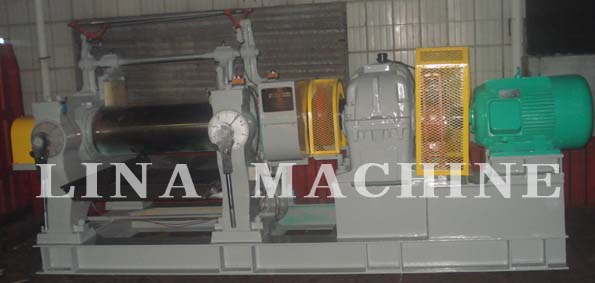
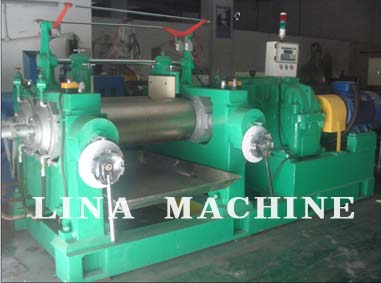
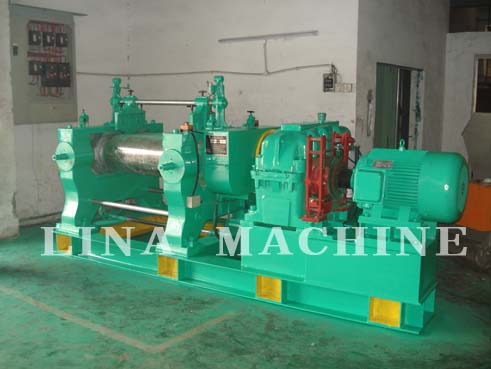
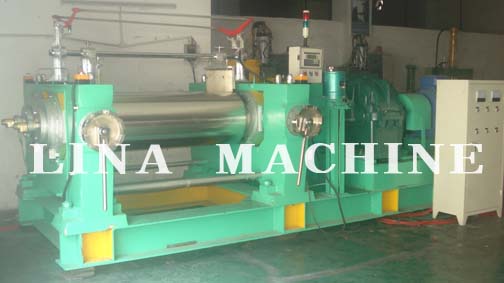
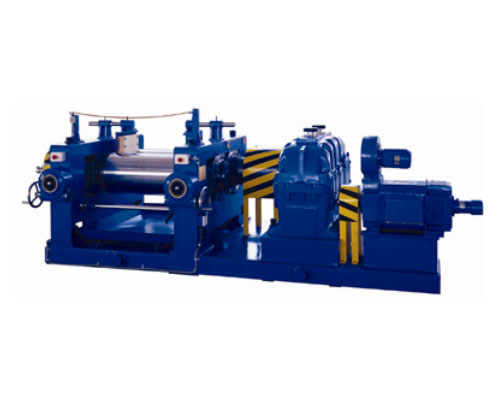
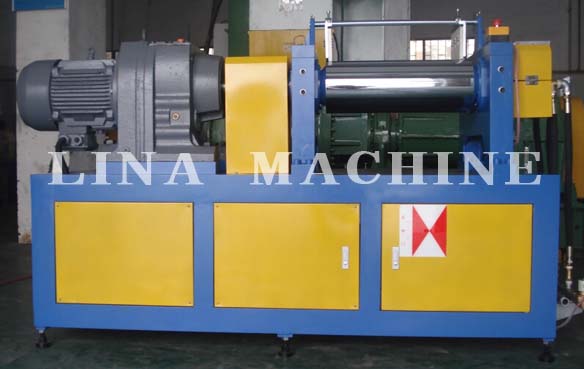
The 16-Inch Two-Roll Mixing Mill is a robust industrial machine engineered for compounding and mixing rubber, plastics, and viscous materials. It features two horizontally opposed rollers constructed from alloy chilled cast iron, ensuring durability and consistent shearing action. With adjustable roller gaps and an integrated cooling system, this mill provides precise control over material thickness and operating temperatures. It is an ideal solution for laboratory research, pilot production, and small-scale manufacturing environments.
Technical Specifications
Model Comparison
| Model | Roll Diameter (mm) | Motor Power (kw) | Feeding Capacity (kg) |
|---|---|---|---|
| XK-300 | 300 | 15/18.5 | 10-15 |
| XK-360 | 360 | 30 | 15-25 |
| XK-400 | 400 | 40 | 20-35 |
| XK-450 | 450 | 55 | 30-50 |
| XK-500 | 500 | 75 | 55-60 |
| XK-550 | 550 | 90/110 | 50-70 |
| XK-560 | 560 | 160 | 50-70 |
| XK-660 | 660 | 132/160 | 150 |
Key Operating Metrics (16-inch Model)
Key Features
Core Advantages
- Alloy chilled cast iron rolls with surface hardness of 510-550 BHN
- Mirror finished and polished rolls for superior material quality
- Hollowed rolls designed for efficient cooling or heating
- Swedish imported bearings for high load capacity and precision
- Worm and worm gear drive for parallel roll gap adjustment
- Universal rotary joints for effective internal cooling
- Safety & Compliance
- Emergency Stop MechanismProtective GuardsDust Sealed HousingAnti-Friction Roller Bearings
Construction & Design
Engineered for Durability
The machine features a heavy-duty steel casting housing for the journal bearings, ensuring stability under high-stress processing conditions. Lubrication is managed via a manual or motorized grease pump, which is integrated into a dust-sealed housing to prevent contamination and extend component life. The open-frame design allows for easy observation and manual intervention, while the precise control mechanisms enable operators to achieve specific material properties consistently.