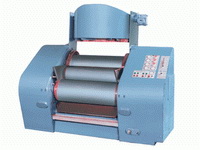
Rubber Calenders
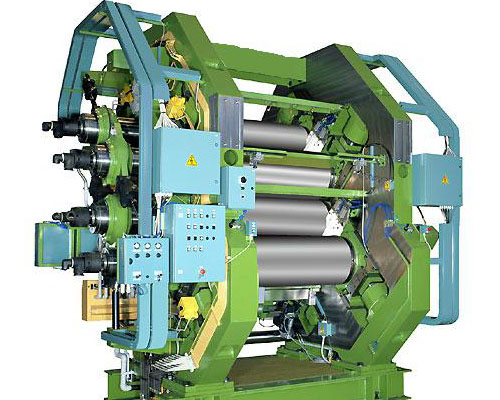
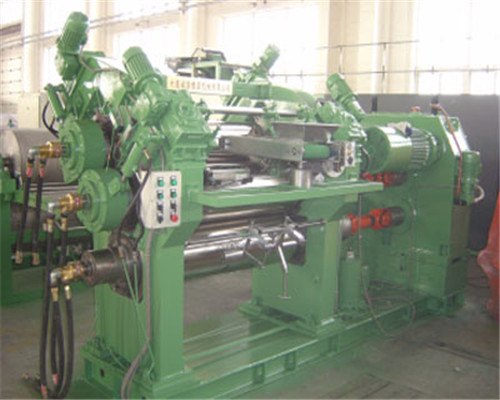
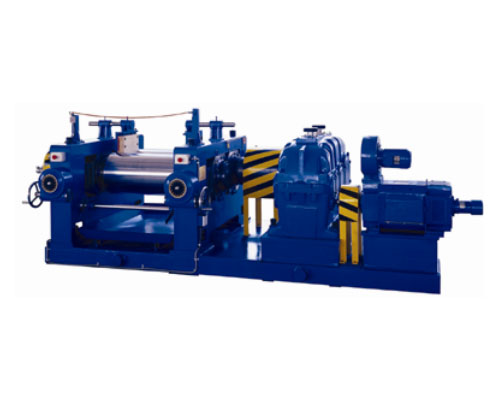
Source industrial Rubber Calenders from vetted manufacturers and suppliers in China. Designed for importers, distributors, and large-scale rubber processors, our network provides custom 2-roll, 3-roll, and 4-roll systems for sheeting, coating, and frictioning. Negotiate bulk pricing and technical configurations directly.
Procuring heavy rubber processing machinery requires balancing high capital expenditure with exacting technical tolerances. A rubber calender is the heart of any sheeting, frictioning, or coating line, and a poorly machined roll or unstable nip adjustment system translates directly into material waste and off-spec product. Sourcing these units overseas offers significant cost advantages, but requires strict oversight of the manufacturer's machining capabilities, assembly processes, and component sourcing.
Specifying Rubber Calenders for Industrial Production
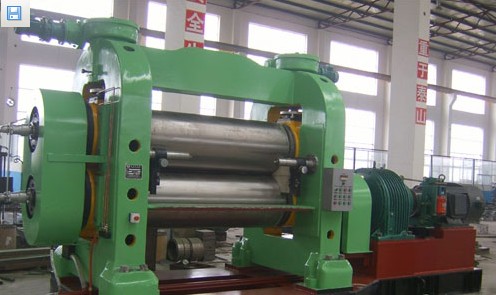
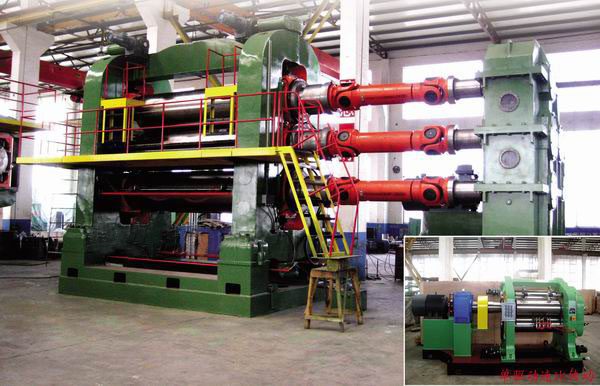
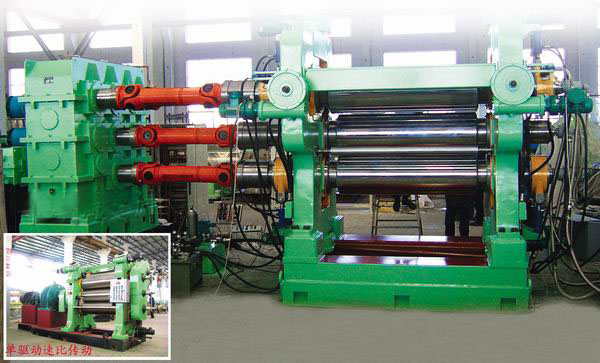
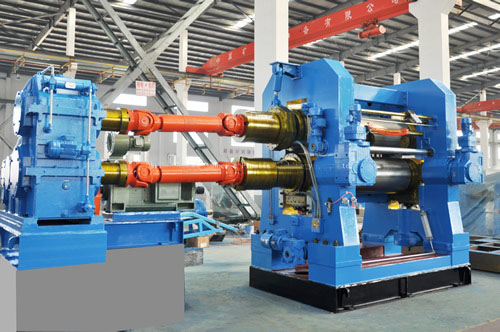
When negotiating with machinery manufacturers, the exact configuration dictates both the production capability and the final cost. Buyers must specify the roll dimensions (diameter and length, typically ranging from Φ360x1120mm to over Φ710x2400mm), the required linear speed, and the specific application (e.g., tire cord frictioning, conveyor belt cover sheeting, or standard rubber sheeting).
The roll arrangement is one of the most critical structural decisions:
| Arrangement | Primary Application | Characteristics |
|---|---|---|
| I-Type (Vertical) | Basic sheeting and warming | Simple structure, higher footprint, gravity affects lower nips |
| L-Type / Inverted L | Coating and frictioning | Better material feeding, easier operation, excellent for fabric coating |
| Z-Type | Precision double-sided coating | Isolates roll deflection forces, highly uniform thickness control |
Beyond the arrangement, buyers must define the roll structure. Standard chilled cast iron rolls are often "cored" (a central cavity for heating/cooling), but precision applications demand "drilled" rolls (peripherally drilled channels) for superior temperature uniformity across the roll face.
Sourcing heavy rubber machinery requires rigorous factory vetting and technical negotiation. We can help you identify manufacturers with the right engineering capabilities.
Talk to our teamCritical Quality Checkpoints and Factory Acceptance
The primary risk when importing rubber calenders is taking delivery of a machine that cannot hold thickness tolerances under load. This is usually due to inadequate roll crowning, poor bearing quality, or subpar nip adjustment mechanisms. Relying on a supplier's marketing materials is insufficient; robust Factory Audits are essential to verify their in-house machining equipment (like heavy-duty CNC grinders) and assembly standards.
Before the machinery is crated, a comprehensive Factory Acceptance Test (FAT) must be conducted.
Essential FAT Checkpoints for Rubber Calenders
- Roll Runout: Verify radial runout is under 0.02mm using dial indicators while cold.
- Nip Adjustment: Test motorized or hydraulic nip gap adjustments for parallel movement and zero backlash.
- Temperature Control: Pressure-test rotary joints and internal roll channels for leaks.
- Safety Systems: Trigger all emergency stop buttons and belly bars to ensure instantaneous braking (usually under 1/4 rotation).
- Control Logic: Verify PLC and HMI responsiveness (specify international brands like Siemens or Mitsubishi for easier local support).
Implementing professional Quality Control & Inspection during the final assembly phase ensures that any necessary modifications—such as adjusting the roll crossing or bending mechanisms used to compensate for deflection—are handled before the equipment leaves the factory floor.
Lead Times, Pricing, and Logistics
Rubber calenders are built-to-order capital equipment. Pricing varies wildly based on roll size, configuration (e.g., a 4-roll Z-type costs significantly more than a 2-roll I-type), and the origin of critical components like gearboxes and PLCs.
Shipping heavy machinery requires specialized logistics. A large 4-roll calender often exceeds standard container weight limits or dimensions, necessitating open-top containers or flat racks. The baseplate, rolls, and drive motors are typically shipped in separate heavy-duty wooden crates to distribute weight. Coordinating this requires experienced Shipping & Freight management to avoid port delays, secure proper lashing, and manage the complex customs clearance associated with industrial equipment.
Planning a new rubber processing line? Get accurate lead times, pricing models, and freight estimates for your specific project requirements.
Get a free consultationFrequently Asked Questions
Successfully importing a rubber calender is less about finding the lowest base price and more about ensuring the machine delivers reliable, tight-tolerance production over a decades-long lifespan. Partnering with experienced sourcing professionals ensures your technical specifications are met, the factory is capable, and the logistics are handled securely from the assembly floor to your facility.
Get Sourcing Help for Rubber Calenders
Tell us your requirements and our experts will connect you with verified manufacturers.