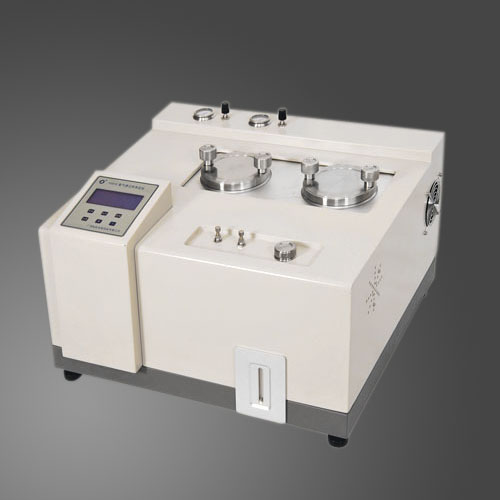
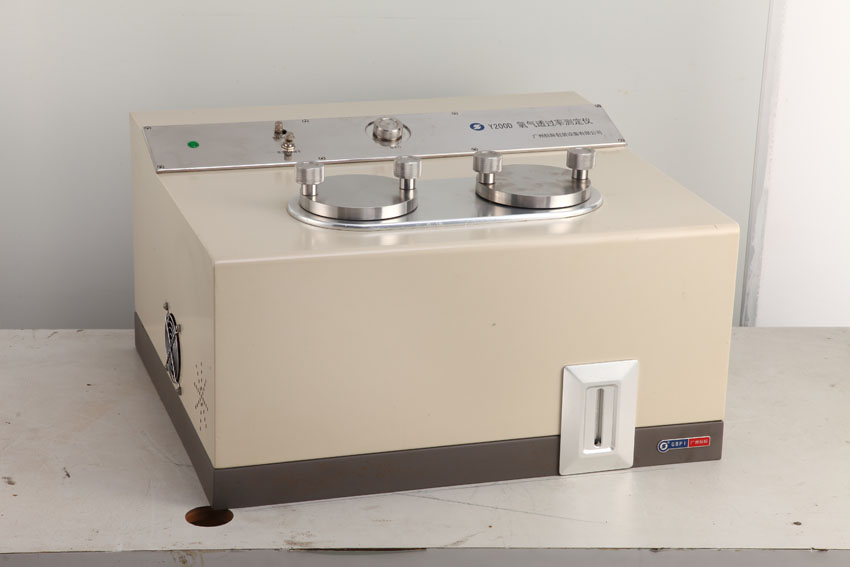
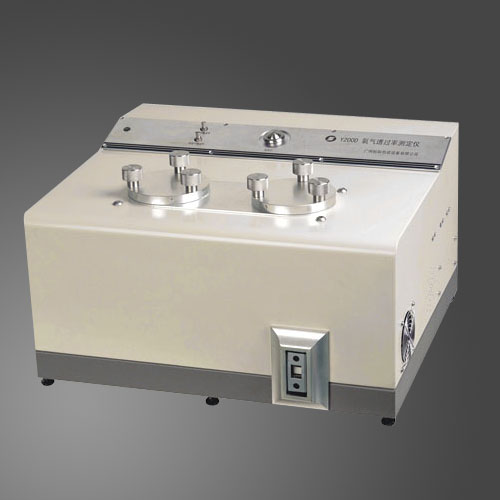
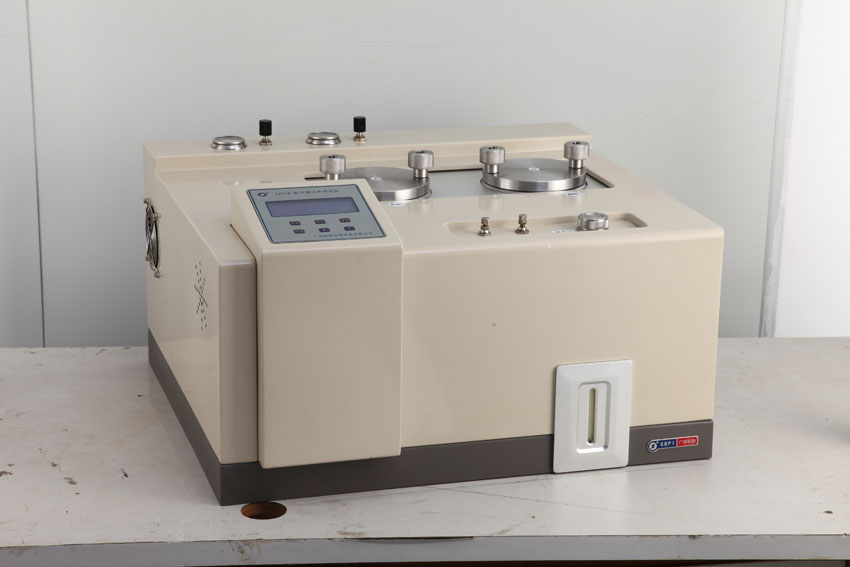
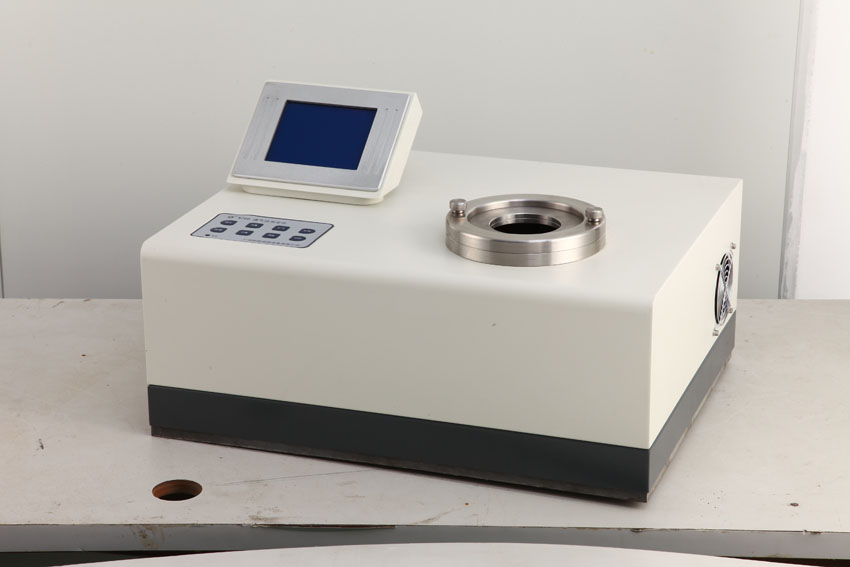
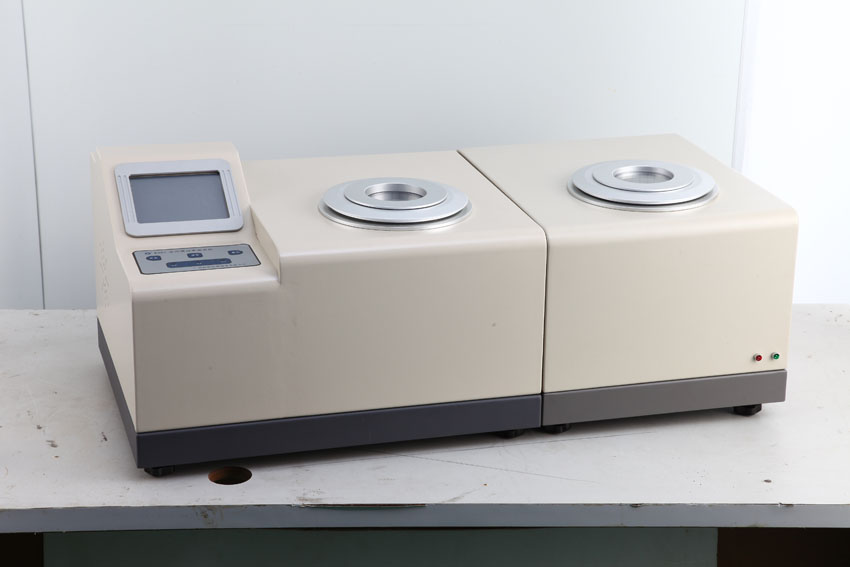
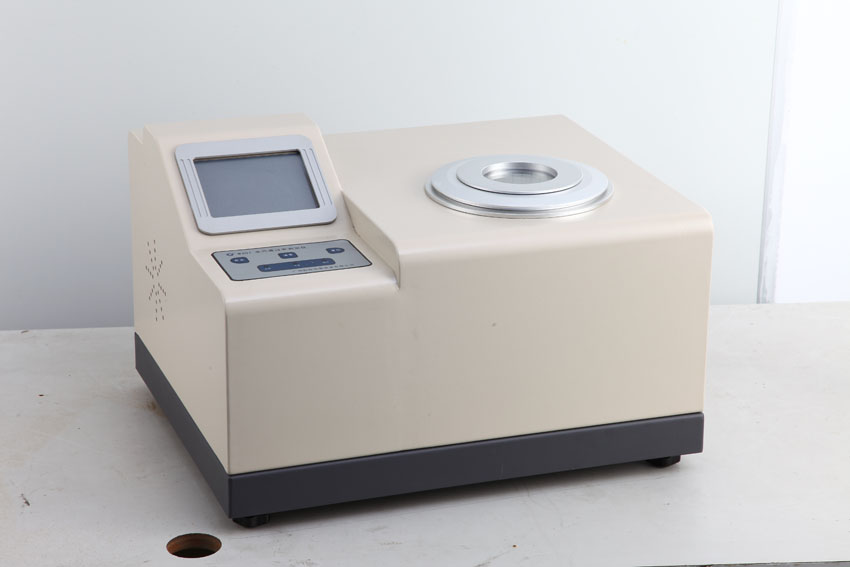
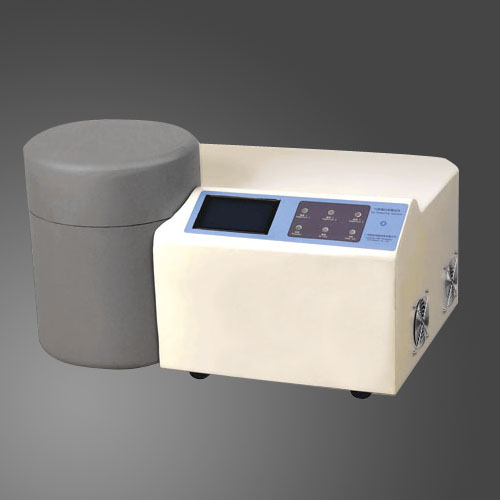
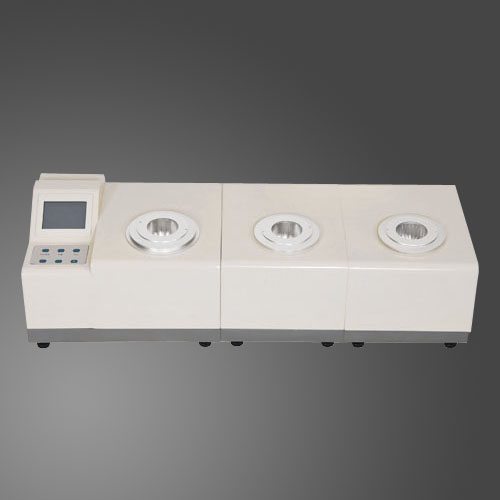
Other Measuring & Analyzing Instruments
Source Other Measuring & Analyzing Instruments directly from vetted manufacturers and suppliers. This category serves importers, wholesalers, distributors, and brands seeking reliable OEM/ODM production for specialized testing and analysis equipment. Secure bulk pricing, customize to your specifications, and ensure compliance for your target markets.
When sourcing niche or specialized measuring and analyzing instruments in bulk, the primary challenge is ensuring that the equipment delivers consistent accuracy, stability, and longevity under field or lab conditions. Because these instruments often serve distinct, highly technical applications that fall outside standard high-volume categories, manufacturer capabilities vary wildly. Securing reliable production requires rigorous validation of a supplier's calibration processes, component sourcing, and assembly environment.
Critical Specifications and Component Quality
The performance of any analytical instrument hinges on the quality of its core sensors, microprocessors, and housing. When negotiating with factories, defining these specifications clearly is non-negotiable.
Sensor and Processor Selection
The sensor is the heart of the instrument. Many Chinese manufacturers source sensors domestically to keep costs low, but for high-precision applications, imported sensors (often from Germany, Japan, or the US) are required. You must specify:
- Sensor Origin and Type: Specify the exact brand or performance tier required.
- Microcontroller Unit (MCU): The processing power dictates the speed and accuracy of the analysis. Ensure the MCU can handle the required sampling rates without lagging.
- Resolution and Accuracy: Define the acceptable error margins (e.g., ±0.1 percent full scale) and ensure the factory has the equipment to verify this.
Need help verifying a manufacturer's technical capabilities? We can assess their engineering team and component supply chain before you place an order.
Talk to our teamManufacturing Environment and Assembly
Precision instruments cannot be assembled in standard, dusty workshop conditions. The manufacturing environment directly impacts the instrument's baseline calibration and long-term reliability.
Factory Assembly Verification Checklist
- Cleanroom or dust-free assembly lines for sensitive sensor integration
- Anti-static (ESD) protocols enforced for all PCB handling
- In-house calibration labs with traceable reference standards
- Automated optical inspection (AOI) for PCB assemblies
- Environmental testing chambers (temperature, humidity, vibration) for stress testing
If you cannot verify these conditions yourself, conducting thorough Factory Audits is essential to confirm the supplier's infrastructure matches their claims.
Managing Calibration and Quality Control
The most common point of failure for imported measuring instruments is calibration drift. An instrument might pass inspection at the factory but arrive out of spec due to poor initial calibration or damage during transit.
The Calibration Process
Ask the manufacturer detailed questions about their calibration process:
- Reference Standards: What reference instruments do they use, and how often are those instruments calibrated?
- Multi-Point Calibration: Do they calibrate across the entire measurement range, or just at a single baseline point?
- Burn-In Testing: Are the instruments subjected to a burn-in period (typically 24 to 72 hours) to identify early component failures and stabilize the sensors before final calibration?
Implementing strict Quality Control & Inspection protocols, including pre-shipment verification of calibration certificates and functional testing of a statistically significant sample, is the only way to mitigate these risks.
| Quality Tier | Component Sourcing | Calibration Protocol | Typical Application |
|---|---|---|---|
| Economy / Consumer | Domestic sensors, basic MCU | Single-point, no burn-in | Basic educational or hobbyist use |
| Standard Industrial | Mid-tier domestic or imported sensors | Multi-point, 24h burn-in | General manufacturing, field testing |
| High Precision / Lab | Premium imported sensors, advanced processing | Rigorous multi-point, environmental stress testing | Laboratory analysis, critical process control |
OEM/ODM Customization Options
For brands looking to differentiate their product lines, customized instruments offer a significant advantage. Whether you are modifying an existing off-the-shelf design (OEM) or developing a completely new instrument (ODM), you need a manufacturer with a strong R&D department.
When engaging in OEM/ODM Services, focus on:
- Firmware Customization: Customizing the user interface, data logging formats, and connectivity options (Bluetooth, Wi-Fi, RS-485).
- Housing Design: Upgrading from standard ABS plastic to ruggedized, IP-rated enclosures (e.g., IP65 or IP67) for harsh environments.
- Data Integration: Ensuring the instrument can interface seamlessly with your customers' existing software ecosystems.
Pricing, MOQs, and Lead Times
Because "Other Measuring & Analyzing Instruments" covers a broad spectrum of specialized devices, pricing and MOQs vary significantly based on the complexity of the instrument and the degree of customization.
Cost Drivers
- Sensor Costs: Premium imported sensors can account for up to 60 percent of the total BOM (Bill of Materials) cost.
- Tooling: If you require a custom physical design, expect to pay upfront for injection molding tooling.
- Certifications: Instruments destined for regulated markets often require CE, FCC, or RoHS compliance. If the factory's standard model lacks these, you will bear the cost of Compliance & Testing.
Struggling to find a manufacturer willing to meet your custom specifications at a reasonable MOQ? Let us negotiate on your behalf.
Get a sourcing consultationFrequently Asked Questions
Successfully sourcing specialized measuring and analyzing instruments requires balancing technical precision with commercial viability. By focusing on component origin, rigorous calibration protocols, and robust quality control, you can build a reliable supply chain for high-performance equipment.
Get Sourcing Help for Other Measuring & Analyzing Instruments
Tell us your requirements and our experts will connect you with verified manufacturers.